
Seyðisfjörður: A Gateway to Icelandic Myth and Mystique
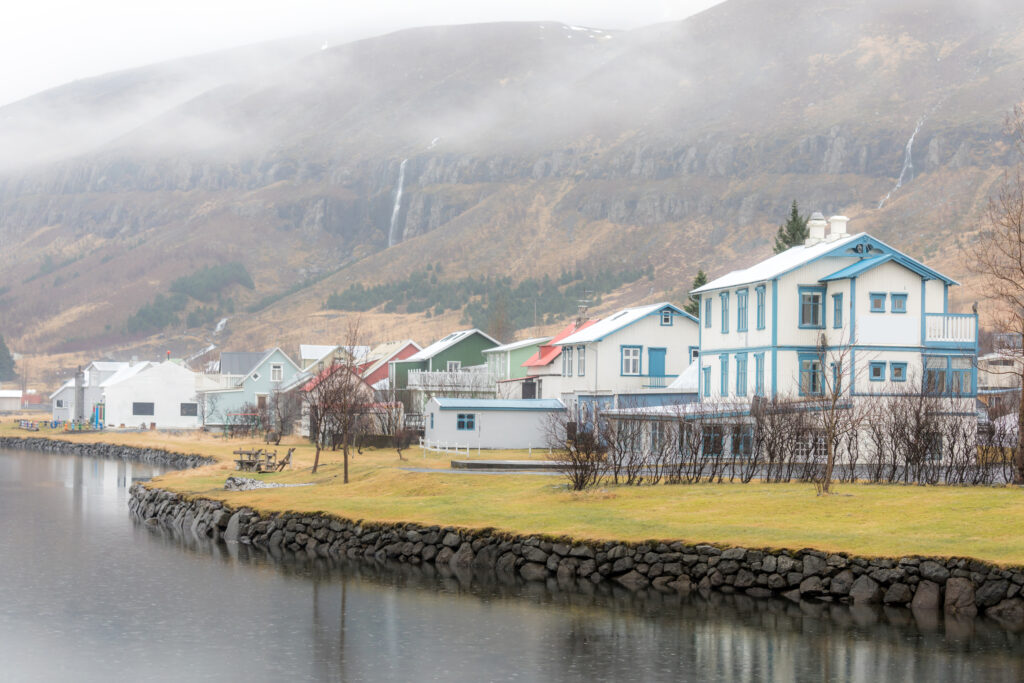
Nestled in the Eastern Fjords of Iceland, the quaint village of Seyðisfjörður stands as a beacon of beauty and history. But beyond its stunning landscapes and historical aura lies an even more captivating element that draws visitors and mystics alike: the rich tapestry of folklore and legends that envelop this enchanted locale. Renowned for its connection to ancient myths and the ethereal Huldufólk, Seyðisfjörður offers a gateway into Iceland’s mystic traditions.
The allure of Seyðisfjörður transcends its picturesque fjords and colorful Scandinavian houses. The heart of this village pulses with stories of the hidden people, the Huldufólk. These enigmatic beings are said to be akin to elves, living secret lives in the rocks and hills surrounding Seyðisfjörður. For centuries, these tales have fueled the imaginations of locals and travelers, embedding themselves deeply within the cultural fabric of Iceland.
These Huldufólk, often described as elusive yet benign creatures, are believed to possess power over natural elements. Many locals still tread carefully around certain landscapes, especially those marked as sacred or enchanted. It is not uncommon for construction projects in Iceland to be halted or rerouted to avoid disrupting the homes of these hidden inhabitants. This respect for nature and the unseen world extends beyond mere superstition; it is a testament to the deep-rooted belief in and reverence for the natural and supernatural order.
Adding layers to the mythos of Seyðisfjörður is the saga of the Sea Monster, a creature purported to inhabit the depths of the fjord. Eyewitnesses have claimed to see undulating shapes beneath the water’s surface, sparking tales that rival those of Loch Ness. While skeptics may dismiss these sightings as optical illusions or misidentified marine animals, the legend continues to thrive, enhancing Seyðisfjörður’s mystical reputation.
On the hills overlooking the village, one can find cairns—heaps of stones which, according to tradition, mark the paths trodden by the Huldufólk. Local folklore insists that these markers guide the hidden people during their nocturnal wanderings. Disturbing these cairns is considered both dangerous and disrespectful, as it might invoke the wrath of these spirit-like beings. Visitors are thus urged to maintain a respectful distance, further immersing them in the aura of myth that permeates the village.
Further enriching the folklore of Seyðisfjörður are the stories connected with the “Elf School” in Reykjavik, which documents various encounters and interactions with the Huldufólk across Iceland, including testimonies from Seyðisfjörður. According to reports compiled by the school, there have been numerous accounts of vehicles inexplicably breaking down near suspected elf habitats, only to resume function once moved away from the area. Similarly, tools and construction equipment have gone missing or malfunctioned on sites rumored to be elf territories. Whether these incidents are a result of otherworldly interference or mere happenstance remains a subject of fascination and debate.
Moreover, Seyðisfjörður’s association with the supernatural extends to its annual Light Festival, held during the darkest winter months. This festival is a celebration of light conquering darkness, featuring illuminated installations that evoke the ethereal presence of the Huldufólk. The blend of modern art with ancient legend transforms the village into a living canvas where myth and reality blur, attracting artists and revelers from around the globe.
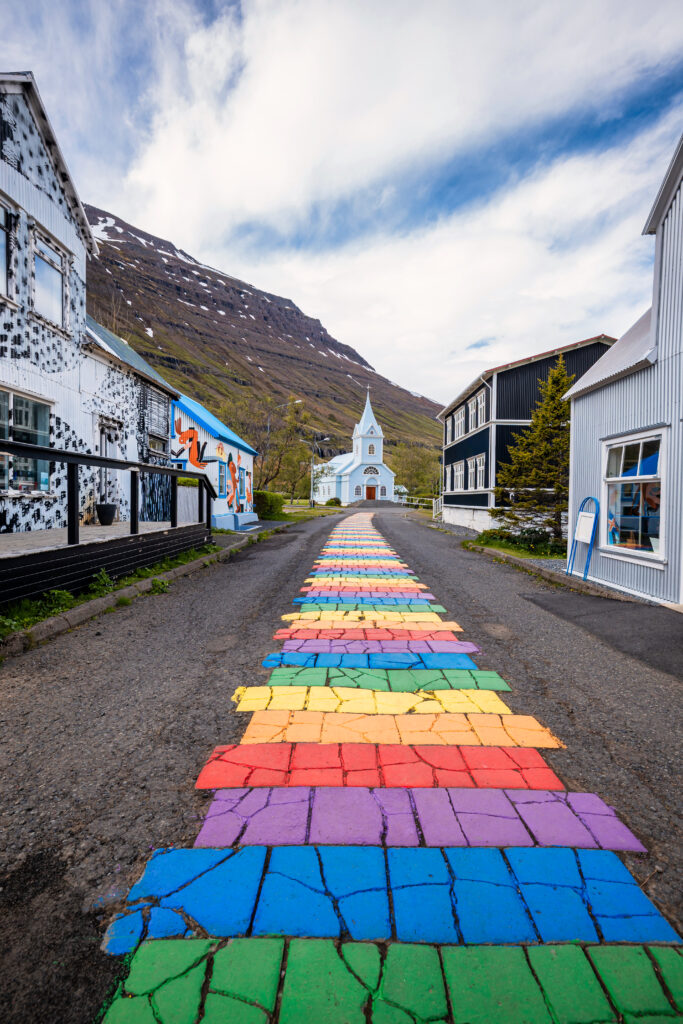
In the broader scope of Icelandic culture, the blending of Christian and pagan traditions is evident. Seyðisfjörður is home to an iconic blue church that stands as a landmark of the village. While Christianity is a dominant faith in Iceland today, many aspects of pre-Christian beliefs have persisted, merging seamlessly with newer traditions. This synthesis is particularly tangible in Seyðisfjörður, where churchgoers are just as likely to recount tales of Huldufólk alongside their Sunday sermons.
Beyond the mystical tales, Seyðisfjörður’s significance also lies in its artistic contributions. The village has become a haven for creatives, with numerous residencies and workshops fostering an environment where myths inspire art. The Skálar residency, for instance, invites sound artists to capture the ambient mystique of the region, blending natural sounds with recordings of storytellers recounting local folklore. These artistic interpretations offer a modern lens through which the ancient myths continue to live and evolve.
While Seyðisfjörður’s legends are enthralling, the village itself invites introspection and a sense of wonder. Its fjords, nestled against towering peaks, create a backdrop where the past feels palpably present. The air here seems charged with stories waiting to be told, and each visitor who arrives becomes part of the ongoing narrative of mystery and magic.
Seyðisfjörður is more than just a destination; it is an experience where history, art, and myth converge. The village stands as a testament to the enduring power of storytelling and the human imagination. Here, the boundaries between the real and the unreal are beautifully blurred, inviting all who venture to explore its depths, to step into a world where anything is possible and the hidden ones may just be your neighbors.



Post Comment