The Mysterious Blue Pool: Unveiling Mysteries and Myths
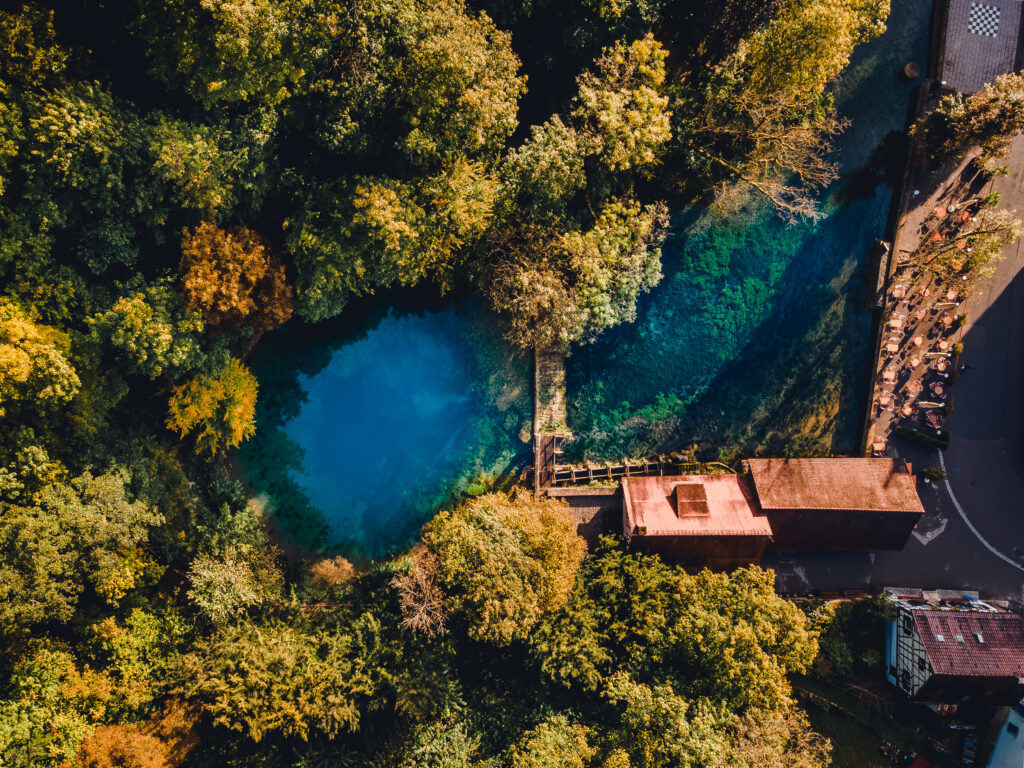
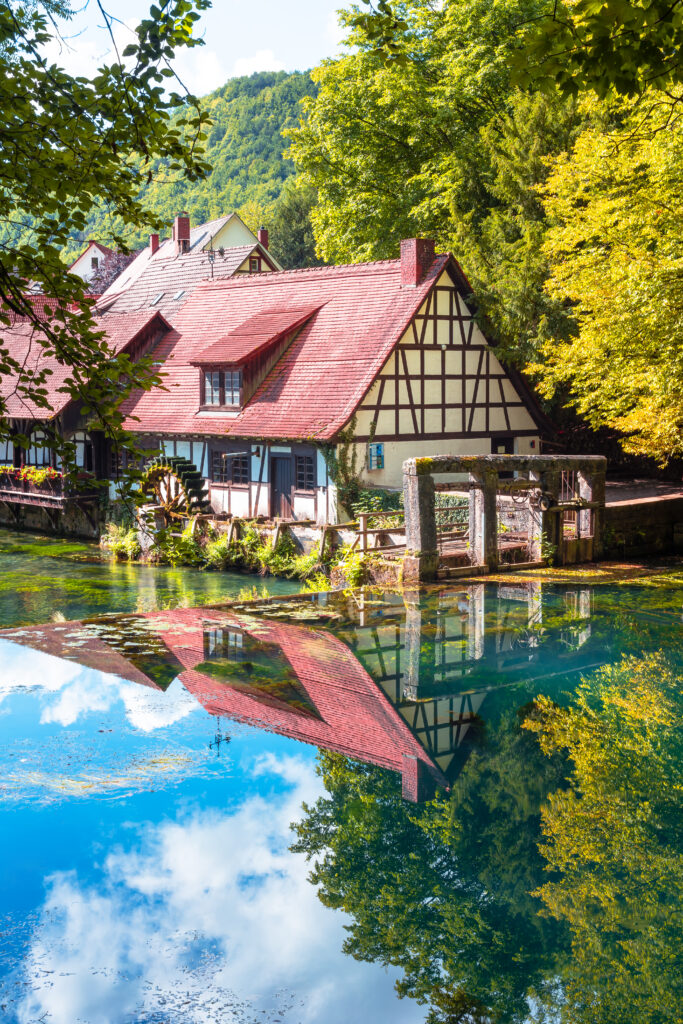
The Blue Pool, with its fascinating azure waters, has long been a focal point for folklore and legends. This natural spring in the small town of Blaubeuren, Germany, is not only a hydrological wonder, but also a source of mythical stories that have enchanted locals and visitors alike for centuries. One of the most famous of these stories is that of the Beautiful Lau, a sad water nymph who was doomed to live in the depths of the spring until she found joy in laughter.
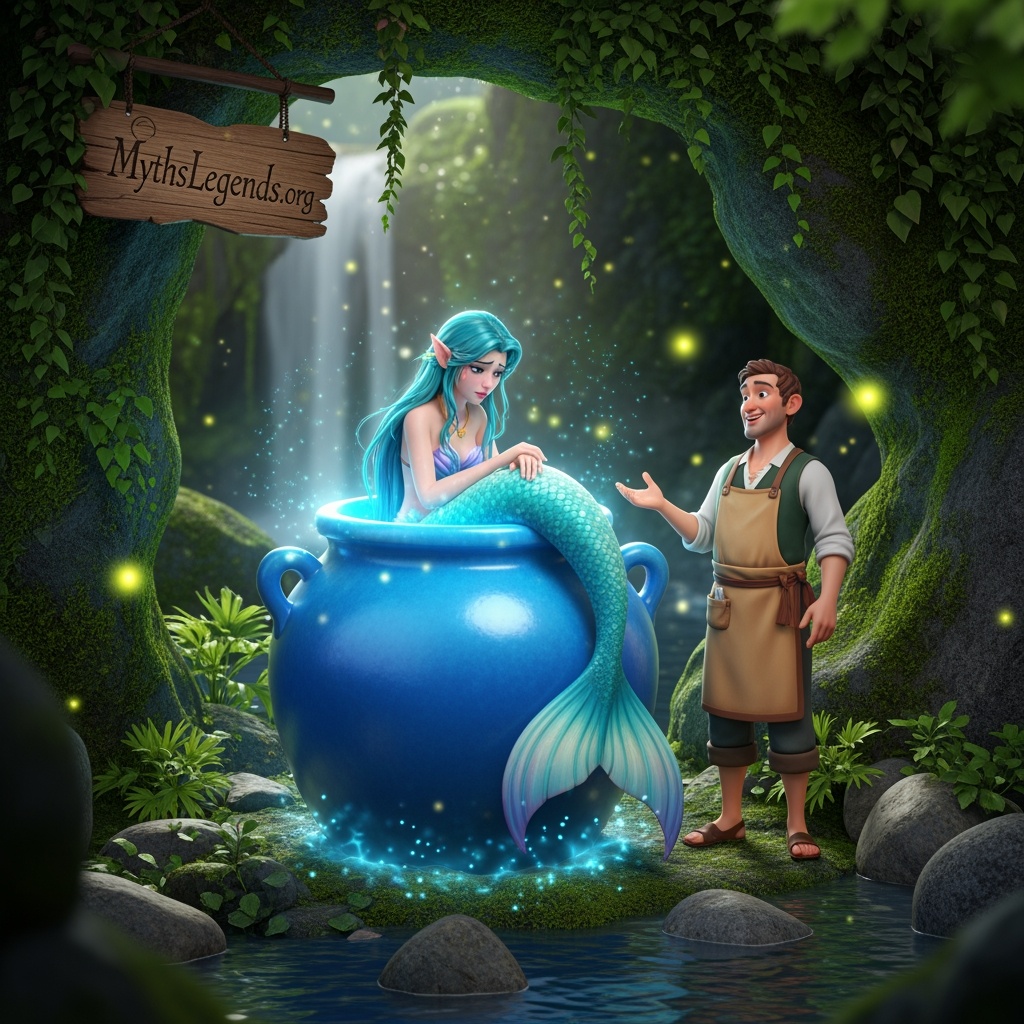
The Story of the Beautiful Lau: The Redemption of a Nymph – The story begins with the beautiful Lau, a nymph who lived in the Danube. She was married to the Donaunix, the lord of the river, who was increasingly desperate because they could not have living children. The nymph only gave birth to stillborn children, and her eternal sadness only added to her misery. In his frustration, the Donaunix decreed that Lau should be sent to the Blautopf – a spring known for its enchanting blue color, which seemed almost magical in its intensity.
Banished to the Blautopf, the beautiful Lau was condemned to remain there until she could laugh five times. However, given her gloomy disposition, this task seemed almost impossible. It was only when a compassionate innkeeper took an interest in her fate that her situation began to change. Determined to help her, he tried various jokes and humorous interludes to elicit a smile from the melancholic nymph.
After much perseverance, the innkeeper’s efforts were rewarded. Schöne Lau finally laughed, breaking her curse. With her newfound joy, she was able to give birth to a living child and was freed from her watery prison. The story of Schöne Lau is a poignant reminder of how kindness and laughter can help overcome grief and despair.
The historical and cultural significance of the Blautopf – Beyond the legend of Schöne Lau, the Blautopf has significant historical and cultural importance. The spring has held great fascination since ancient times, and its mystery is documented in numerous historical texts. In fact, the early Celts and Romans who lived in this region often revered springs and other natural water sources, attributing divine and mystical properties to them.
Archaeological finds suggest that the Blautopf may have served as a sacred site for rituals and offerings. This sanctity persisted into the Middle Ages, when the spring became associated with various local legends and myths. The Blaubeuren monastery, founded nearby in the 11th century, further integrated the Blautopf into the spiritual and cultural life of the region.
Scientific curiosities and geological wonders – While the mythological appeal of the Blautopf captures the imagination, the spring is also a subject of scientific fascination. Its striking blue color is due to the unique interaction of limestone deposits and light refraction in the water. The underground system that feeds the Blautopf is extensive and consists of a network of underground caves and passages that have been explored over the years by divers and speleologists.
One of the most fascinating aspects of the Blautopf is the mysterious “Blautopf Siphon,” an underground cave system that extends deep below the surface. This siphon has proven to be as enticing as it is dangerous for researchers.
In recent decades, advances in diving technology have enabled deeper and more thorough exploration, revealing new passages and chambers within this labyrinthine network.
Despite these advances, much about the Blautopf’s underwater system remains unknown and shrouded in the same mystery that has fueled its legends for millennia.
Scientists continue to study the hydrological and geological properties of the spring to understand the full extent of its underground expanse and the factors that contribute to its luminous color.
Myths and modern interpretations – In modern times, the legend of Schöne Lau and the mysteries of the Blue Pot continue to inspire artistic and literary works.
The story has been retold and adapted in various forms, including theatrical productions, novels, and even musical compositions. This enduring fascination underscores the timeless appeal of mythological narratives and their ability to convey deeper truths about the human experience.
In addition, the Blue Pool has become a popular tourist destination, attracting visitors who want to experience its enchanting beauty and immerse themselves in its rich lore. Guided tours and informative exhibitions offer insights into the scientific and mythical dimensions of the spring, providing a holistic understanding of its significance.
The Blautopf is a powerful symbol of the intersection between nature, culture, and mythology. Its clear blue waters invite contemplation and wonder, encouraging visitors to reflect on the stories that have emerged from its depths and the mysteries that still lie hidden beneath its surface.
The lasting legacy of the Blautopf – The Blautopf is a testament to the enduring power of myth and humanity’s penchant for storytelling. The legend of Schöne Lau, with its themes of grief, redemption, and the transformative power of laughter, continues to resonate and illustrates how ancient narratives can shape and enrich our understanding of the world.
As a natural wonder and cultural landmark, the Blue Pool captures the imagination of all who encounter it. Whether viewed from a scientific perspective or through the lens of mythological fascination, it remains a place of profound beauty and mystery, inviting us to explore both its waters and the depths of our own stories. The Blue Pool is not only a spring, but also a source of human creativity and curiosity, a place where history, legend, and science come together in a harmonious dance of discovery.










Post Comment