Scandalous and mysterious: the dark secrets of Chaumont Castle
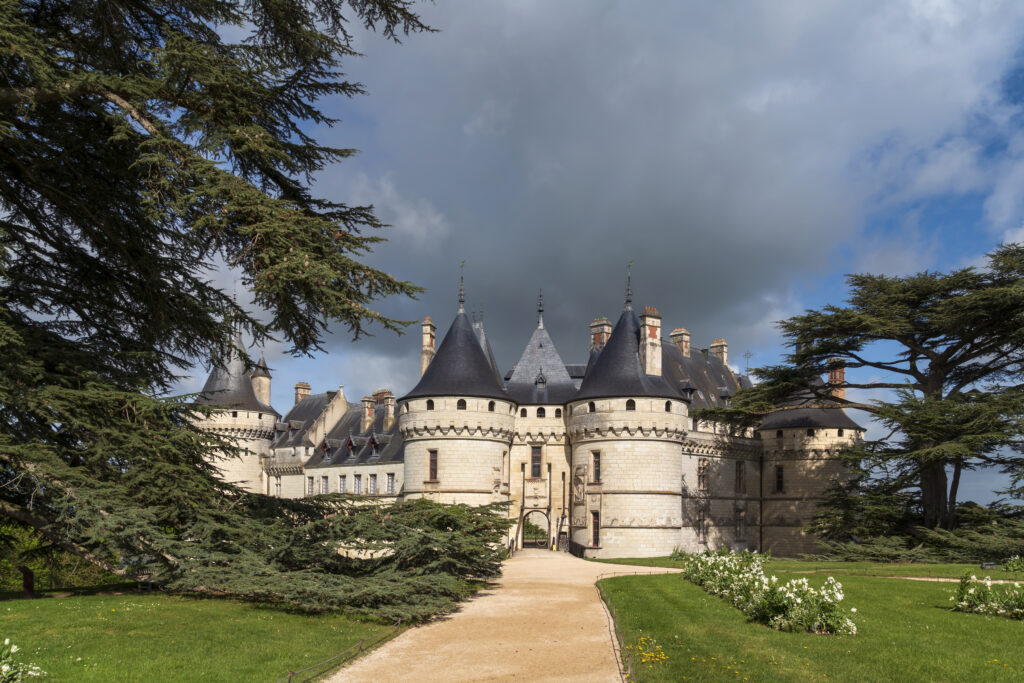
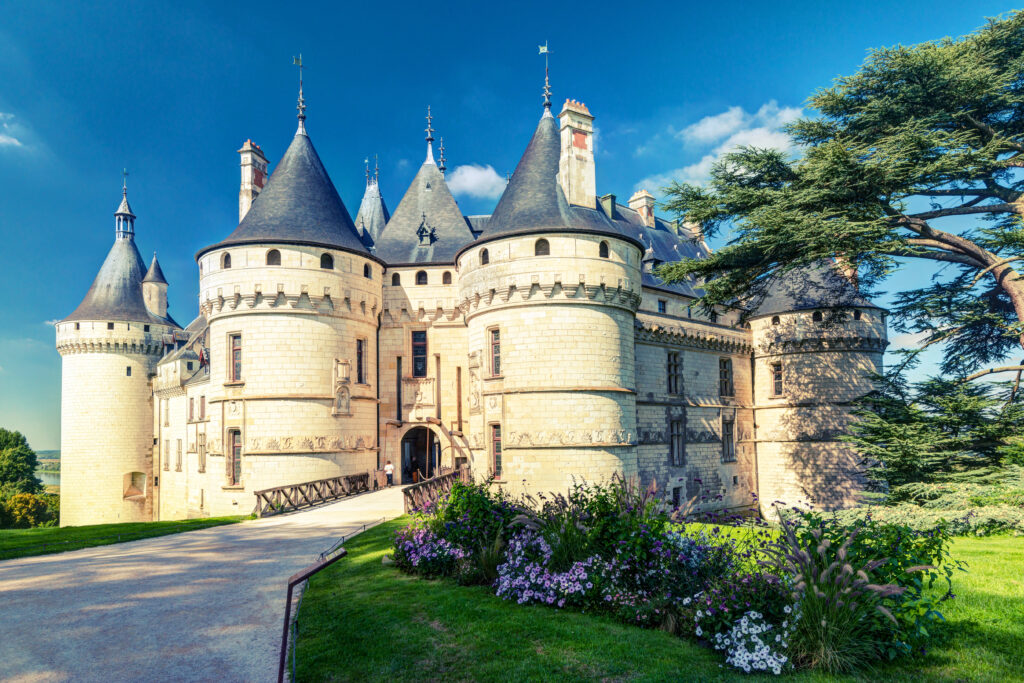
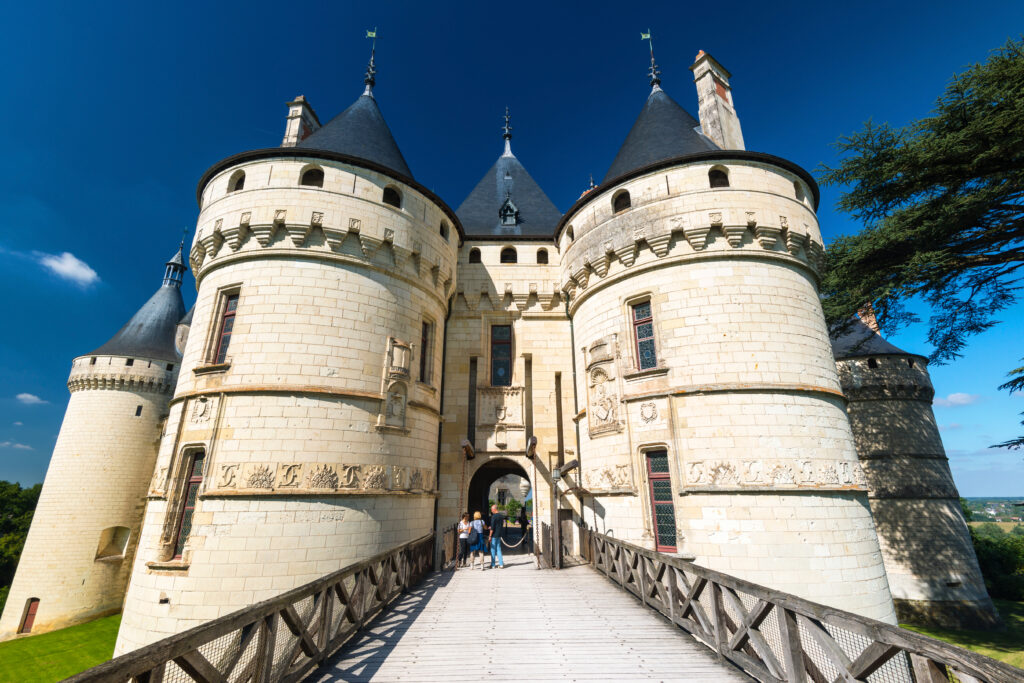
Hidden in the lush countryside of the Loire Valley, Chaumont Castle harbors stories that rival any thrilling thriller. This majestic 10th-century fortress has witnessed royal dramas, forbidden romances, and esoteric practices, giving it an aura of eternal mysticism. Among its most notorious residents was Catherine de Medici, whose stay at Chaumont turned the castle into a hotbed of intrigue and supernatural speculation.
Catherine de Medici, a woman herself shrouded in mystery, acquired the castle in 1560 after the death of her husband, King Henry II of France. However, this acquisition was not merely for comfort or as a place of refuge. Rather, it was a strategic move aimed at ousting Diane de Poitiers, Henry II’s influential mistress, from the more magnificent Château de Chenonceau. In a move symbolic of the cruelty of the court, Catherine exchanged Chaumont for Chenonceau, forcing Diane to withdraw from the magnificent center of power she had enjoyed.
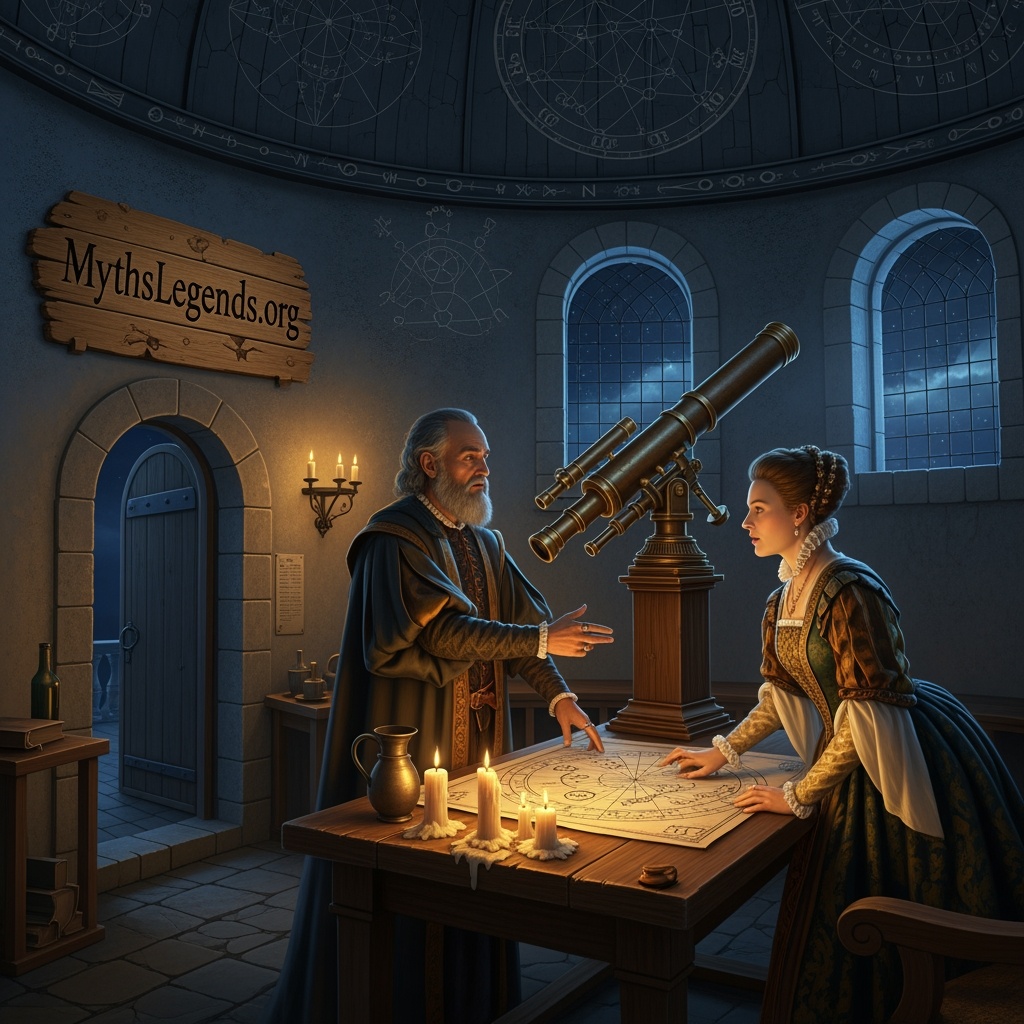
Under Catherine’s leadership, Chaumont was transformed into a beacon of occult sciences and celestial mysteries. Her close connection to Cosimo Ruggieri, a Florentine astrologer and alleged fortune teller, led to rumors that black magic was being practiced within the castle walls. Ruggieri, who set up an observatory in one of the towers, became the queen’s confidant and advisor and is said to have interpreted the stars to advise her on politically sensitive decisions.
The connection to Ruggieri gave Chaumont a mysterious appeal. Reports from the time suggest that the astrologer held secret meetings, drew up horoscopes, and predicted the future for Catherine. This relationship between the queen and her astrologer inevitably led to rumors and fears, provoking speculation that went beyond the realm of politics and bordered dangerously close to sorcery.
Catherine’s reputation as a cunning manipulator was further cemented by stories of her involvement with potions and poisons, skills she had allegedly acquired from the famous poisoner La Voisin. These accusations, for which there was little empirical evidence, painted a frightening picture of a monarch who mastered her turbulent reign with both intellect and secret knowledge.
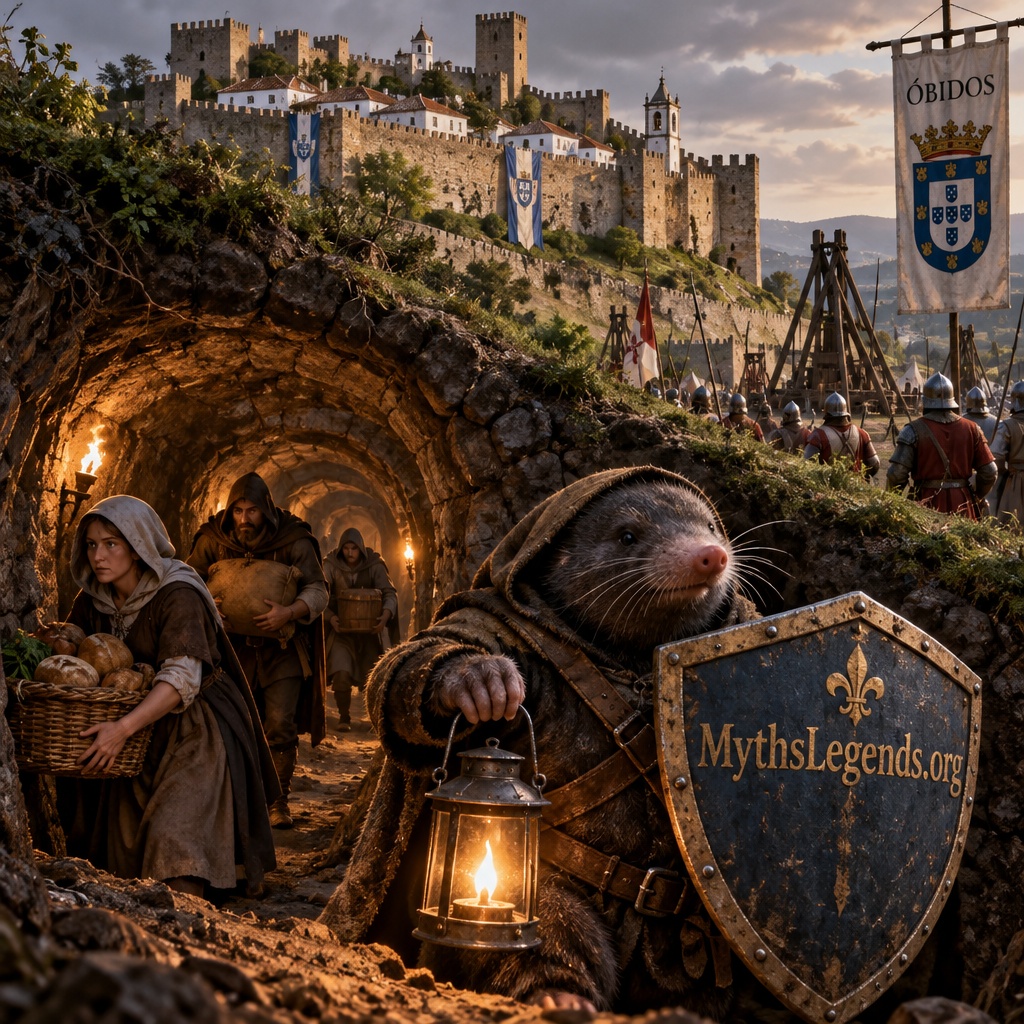
Perhaps the most fascinating narrative surrounding Catherine and Chaumont, however, is that of the secret tunnels that are said to lie beneath the castle. Local legends say that these underground passages were used by Catherine and Ruggieri to perform private rituals away from prying eyes. Although there is no clear evidence of this today, the mere possibility of the existence of these tunnels lends the castle’s history an irresistible touch of Gothic romance.
Above the facts and speculation hovers a web of folklore unique to Chaumont. The story of the “phantom cavalier” fascinates visitors and historians alike. According to legend, this ghostly horseman in magnificent armor appears on moonlit nights, searching the grounds for his lost lover. Although skeptics dismiss this as mere myth, this ghostly figure adds to the castle’s eerie legacy and enriches its cultural fabric.
Apart from the more tangible aspects, it is worth taking a look at the lesser-known but equally fascinating influence of the Italian Renaissance on the castle under Catherine’s rule. Her Italian heritage brought with it a wealth of artistic and architectural innovations. This influence is evident in the gardens of Chaumont, which were designed to reflect the grandiose aesthetics of Italian Renaissance gardens, seamlessly blending French and Italian styles.
Furthermore, historical records from the Medici archives show that Catherine’s tenure at Chaumont was marked by intellectual salons that attracted philosophers, artists, and alchemists from all over Europe. These gatherings were not only social events, but also played a significant role in promoting a culture of intellectual exploration and artistic brilliance within the castle walls.
Despite the many intrigues surrounding Chaumont, contemporary scholars strive to separate myth from reality. Excavations and research continue to bring new aspects of the castle’s historic past to light, offering a well-founded perspective on the fantastic narratives. However, it is precisely this fusion of historical facts and mythical embellishments that makes Chaumont Castle a timeless mystery and an everlasting object of fascination.
Even today, Chaumont’s labyrinthine halls and sprawling gardens are a reminder of the haunting presence of its past.
The castle’s enchanting charm, coupled with its magnificent architecture and ghost stories, ensures that it remains a magnet for those drawn to the darker, more mysterious chapters of history. The shadow of Catherine de Medici hangs heavily over Chaumont, arousing curiosity and perpetuating a legacy that, like the stars she once consulted, still shines brightly after centuries.
Whether you are a history buff, a fan of the supernatural, or simply someone looking for a bit of royal drama, Chaumont Castle promises an experience that is as educational as it is exciting. As you stroll through its enchanted halls, remember that every stone holds a story waiting to be discovered by those who dare to seek the truth behind the legends.









Post Comment