Campo de la Verdad: How Zamora Became a Symbol of Resistance Amid History, Legend, and Divine Judgment
“No se ganó Zamora en una hora”—Zamora was not conquered in an hour. Few Spanish proverbs sum up the ideas of patience, perseverance, and unyielding resistance so succinctly. Its origins date back to the 11th century, a time of bitter power struggles on the Iberian Peninsula. At the center of it all is Zamora, a strategically important city on the Duero River, its medieval castle, and a place that still holds extraordinary significance today: the Campo de la Verdad, the “Field of Truth.” There, according to tradition, the decision was not merely about guilt or innocence. The honor of an entire city was at stake. Following the death of the Castilian King Sancho II, Zamora was accused of treason. The city was suspected of having been involved in the king’s assassination—an accusation that, according to medieval notions of honor, could scarcely have been more grave. Zamora’s response is said to have been a judicial duel: a trial by combat in which weapons and divine will were to determine the truth. Yet behind this dramatic story lies a complex web of verifiable events, later chronicles, and literary embellishment. It is precisely this combination that makes Zamora one of the most fascinating sites of remembrance in Spanish medieval history to this day.
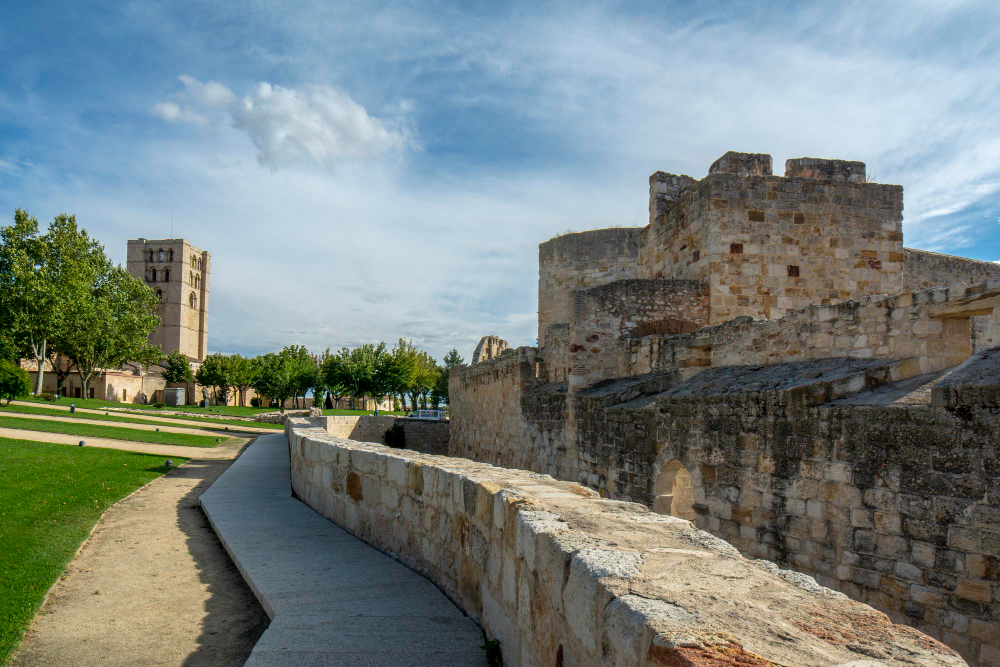
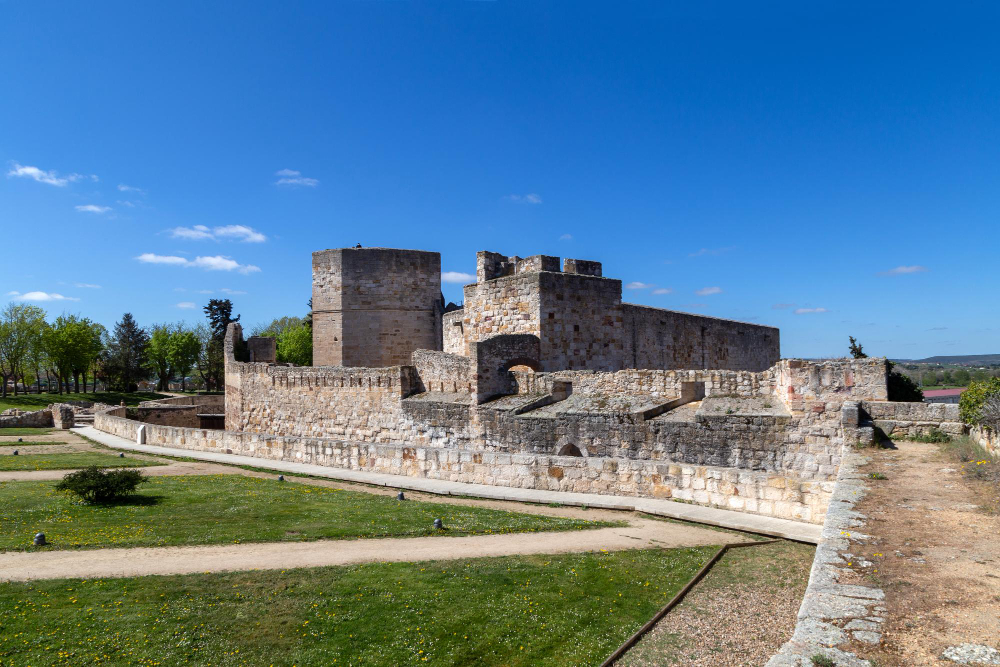
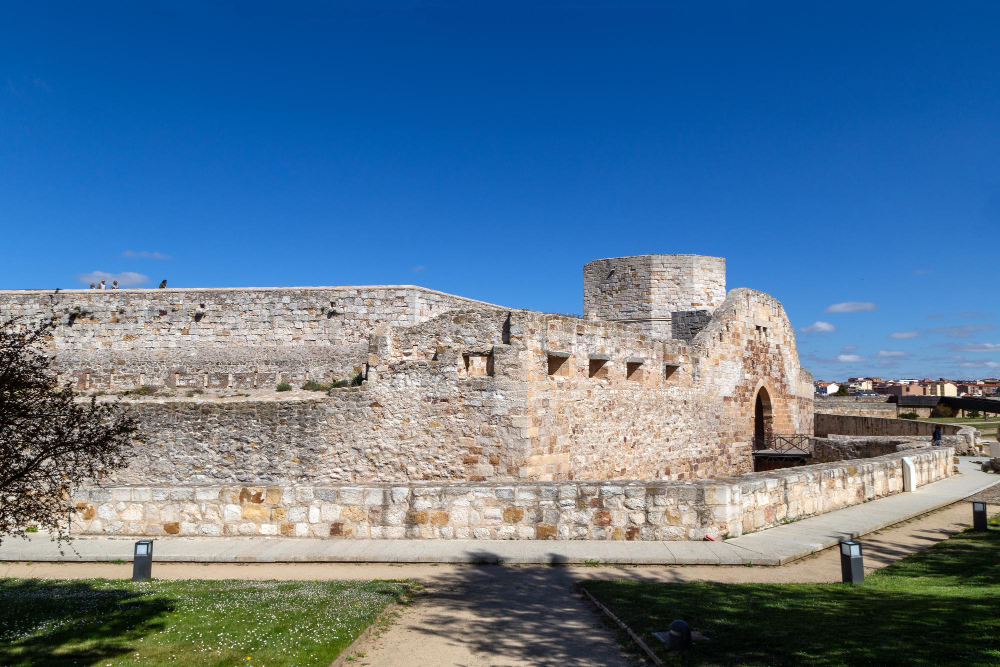
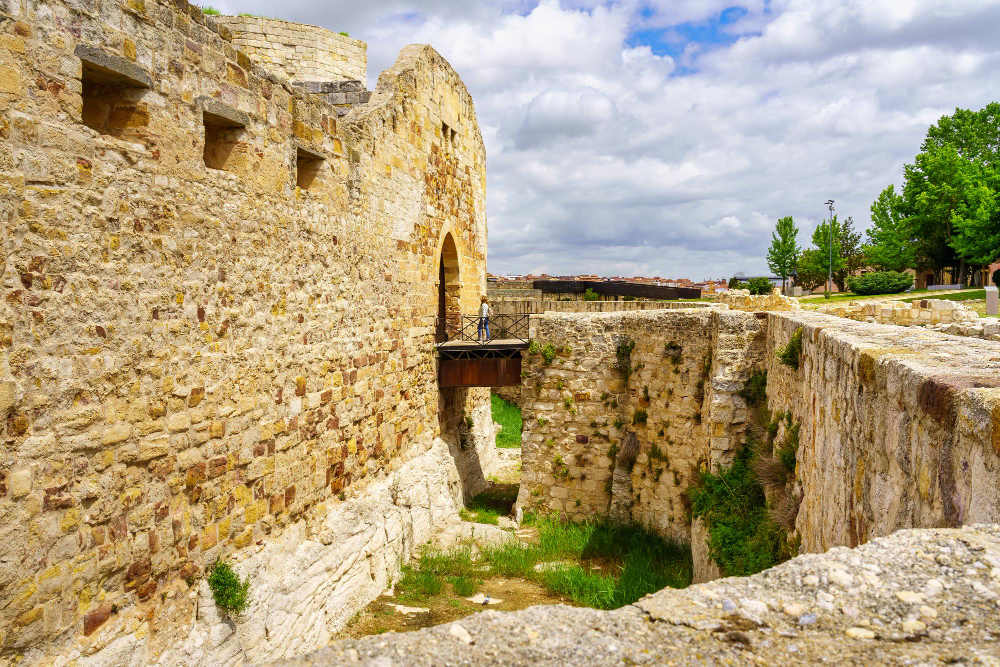
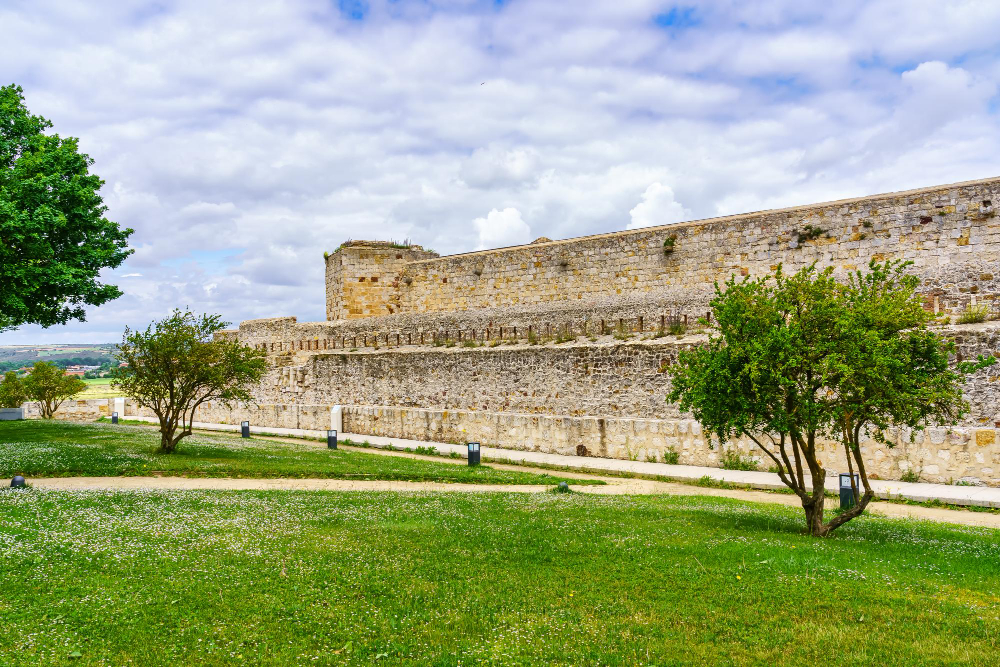
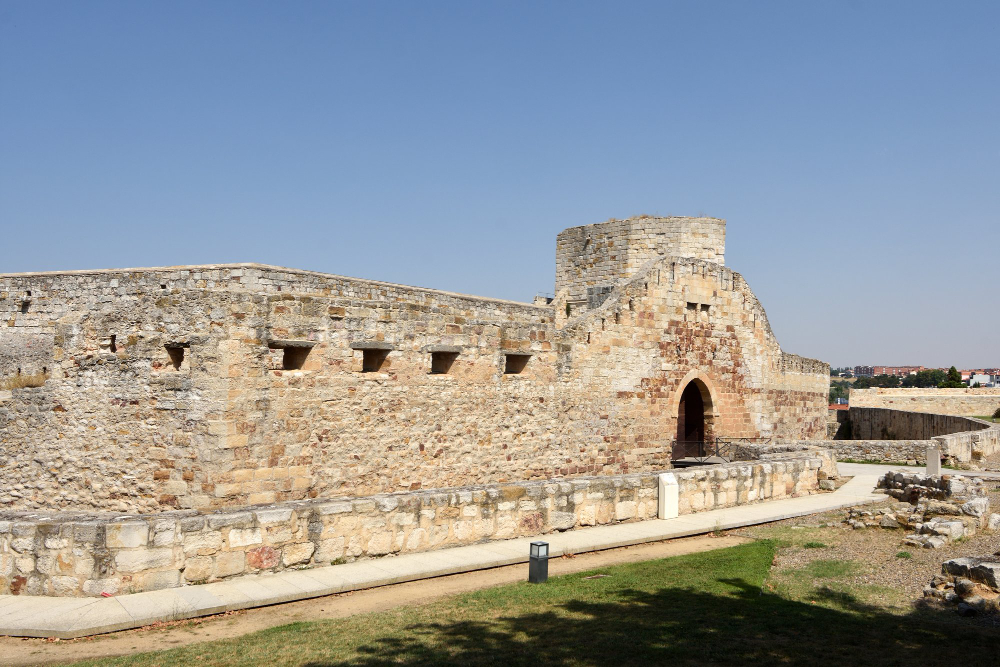
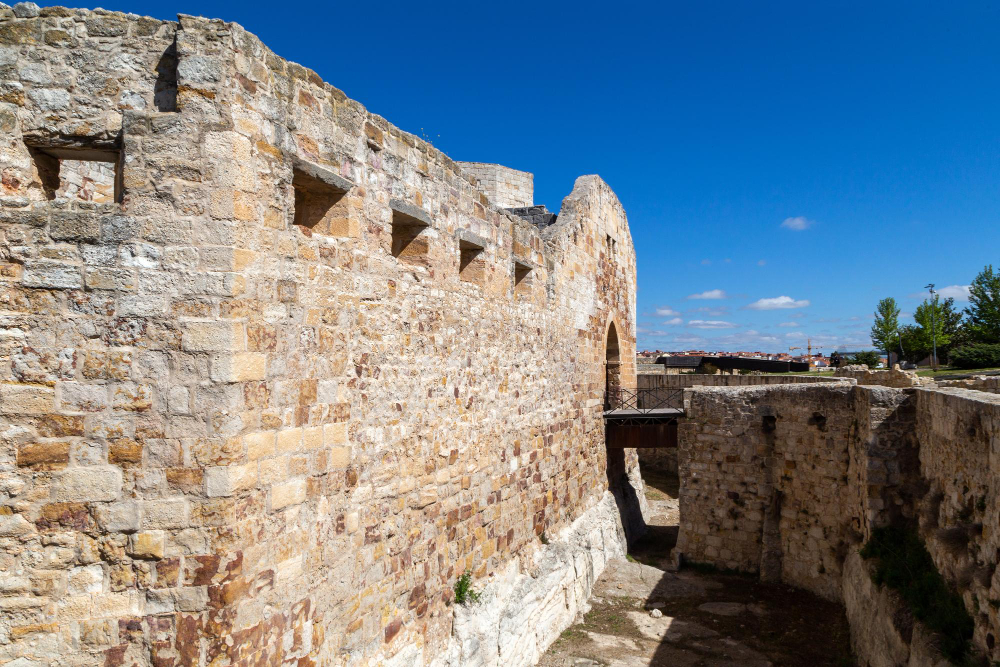
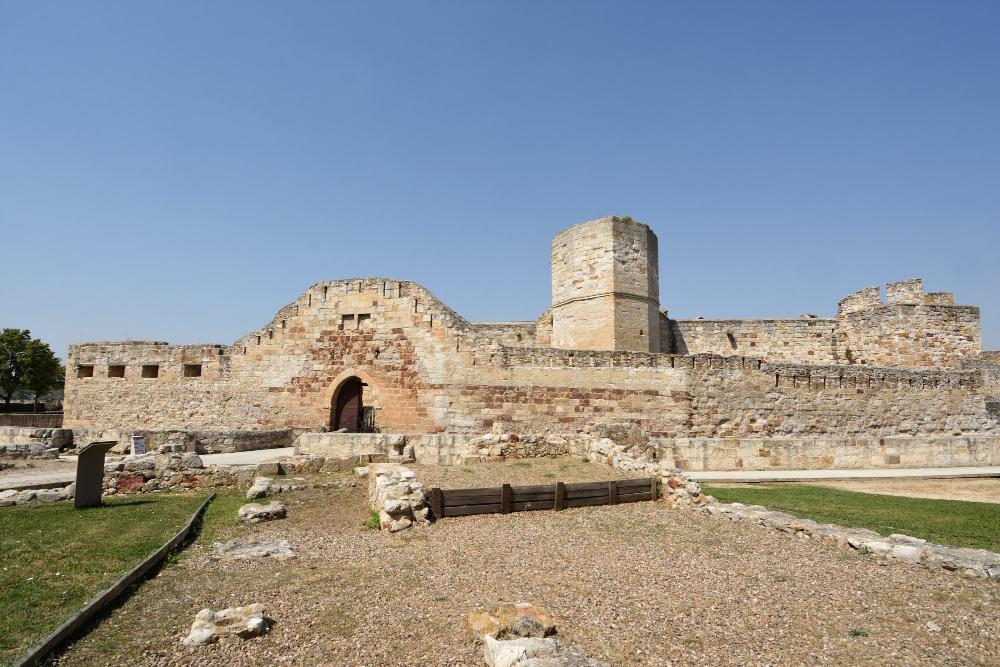
A Castle on the Border of Kingdoms – Zamora is located in northwestern Spain, in what is now the autonomous community of Castile and León. Its location on the Duero River made the city militarily and politically significant for centuries. In the Middle Ages, this region was marked by shifting borders between Christian and Muslim-ruled territories. Zamora was therefore not merely a settlement but a key fortified stronghold. The Zamora Castle visible today dates primarily to the 11th century in its preserved form, although the site itself has a history of fortifications dating back even further. A distinctive feature is the unusual polygonal keep—a massive tower with sixteen sides—which ranks among the most striking examples of medieval military architecture in Spain. The complex was part of a larger defensive system: city walls, gates, towers, and the natural protection provided by the river were designed to halt attackers. These fortifications explain why Zamora played such an important role in the conflicts between the rulers of Castile and León. Whoever controlled the city held a significant stronghold. Its walls were not merely stone—they were an expression of political power.
The Conflict Over the Legacy of King Ferdinand I – The history of the Campo de la Verdad is closely linked to the death of King Ferdinand I of León and Castile in 1065. Ferdinand divided his realm among his children: Sancho received Castile, Alfonso received León, and García received Galicia. His daughters, Urraca and Elvira, were granted the important cities of Zamora and Toro, respectively, as their domains. This division did not bring about lasting peace. Sancho II of Castile sought to reunite the scattered parts of his father’s kingdom under his rule. In the years that followed, he prevailed militarily over his brothers. Eventually, he set his sights on Zamora, which was under the rule of his sister Urraca. Medieval accounts describe Urraca as a resolute and politically astute ruler. Whether all the details of this later portrayal are historically accurate is a matter of debate. What is undisputed, however, is that Zamora became the last major obstacle to Sancho’s plans for unification. In 1072, the Castilian king laid siege to the city. This is where the story begins that would etch Zamora into Spain’s cultural memory.
The Siege and the Death of Sancho II – Sancho II died during the siege of Zamora on October 7, 1072. Sources differ in their accounts of the exact circumstances. The most widespread account names Vellido Dolfos—in other versions, Bellido Dolfos—as the man who killed Sancho. He is said to have come from Zamora and entered the royal camp under false pretenses. When the king followed him, Vellido Dolfos is said to have killed him with a lance or another stabbing weapon and then fled into the city. In later chronicles and in the epic tradition, this event is transformed into a dramatic act of betrayal. Vellido Dolfos is often portrayed there as a treacherous murderer; from Zamora’s perspective, however, he could be seen as a defender of his city. It is precisely this contrasting assessment that shows how deeply medieval history was shaped by political perspectives. What is historically certain is the core of the story: Sancho II died near Zamora, and his death ended the siege. The Castilian troops withdrew. His brother Alfonso, who had previously been stripped of power by Sancho, returned and, as Alfonso VI, assumed rule over León and Castile. Yet the king’s death left behind a legacy of mistrust. For many Castilian nobles, it was hard to imagine that such a significant act could have been possible without support from the city. Zamora thus found itself under a cloud of collective suspicion.
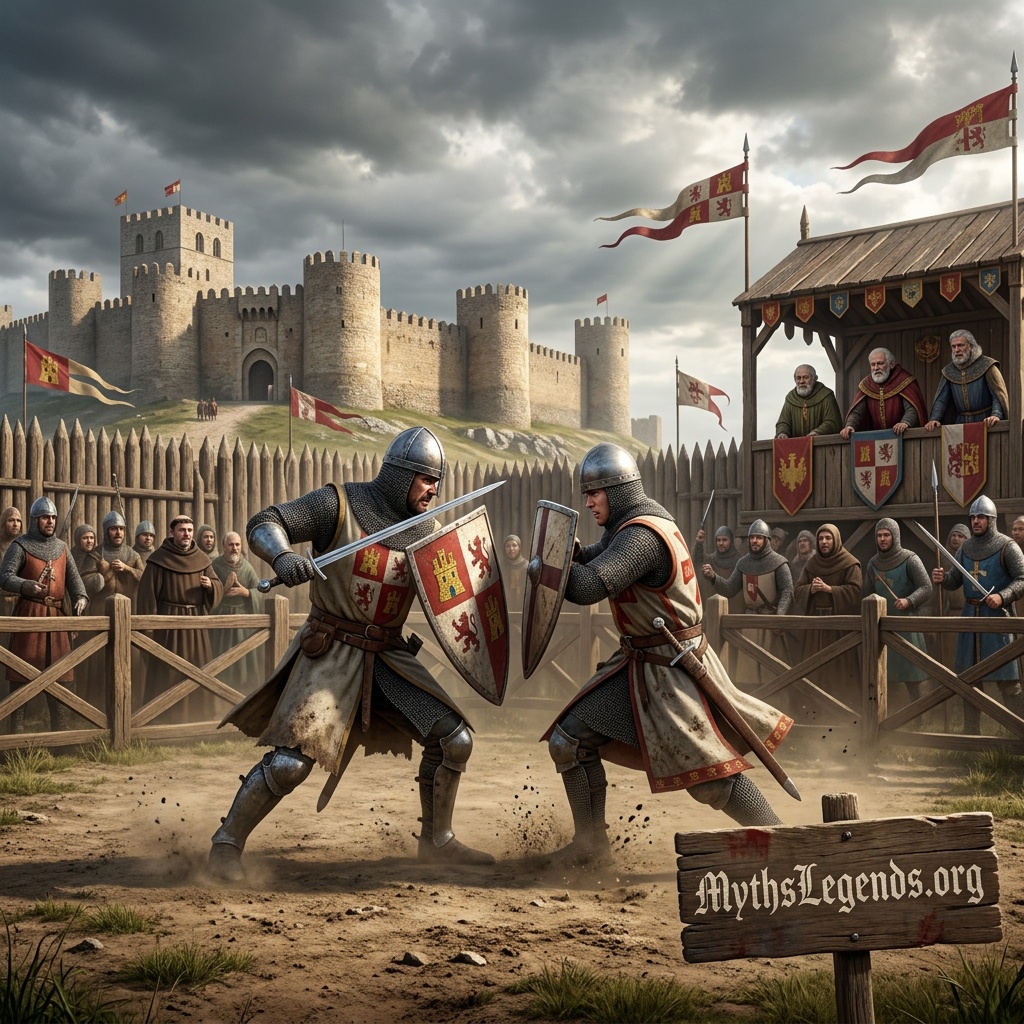
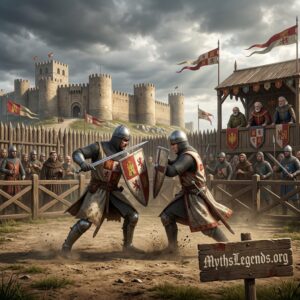
The Campo de la Verdad: A City’s Honor Put to the Test – The legend of the Campo de la Verdad stems from this suspicion. A Castilian knight is said to have accused Zamora of being involved in the death of Sancho II. This put not only a single man but the honor of the entire city at stake. In the medieval understanding of law and honor, a judicial duel could serve as a means of determining the truth. This so-called trial by ordeal was based on the belief that God would grant victory to the one who was in the right. The duel was therefore not merely a private dispute, but a proceeding with religious, social, and legal significance. Tradition links the Campo de la Verdad to a duel between representatives of Zamora and Castilian nobles. Particularly well-known is the account in which the knight Diego Ordóñez de Lara publicly challenged the city. The Zamoran hero Arias Gonzalo—in some versions a close confidant of Urraca—is said to have subsequently sent his sons into battle. In the literary accounts, several duels ensue, involving death, injury, and renewed challenges. Here, in particular, caution is warranted: the dramatic details stem primarily from later chronicles, romances, and epic traditions. They should not be read as a direct factual account in every respect. Nevertheless, they reveal much about the perceptions of later generations: Zamora became a symbol of a community that did not surrender its dignity—even when under military and moral pressure. The “Field of Truth” is therefore more than a geographical location. It stands for a medieval concept of justice, public honor, and collective responsibility.
Between Chronicle and Myth – The story of Zamora was retold, altered, and poetically embellished over the centuries. Of particular importance were the Castilian chronicles of the High and Late Middle Ages, as well as the Spanish romances. In these works, well-known figures such as El Cid, Rodrigo Díaz de Vivar, are linked to the events surrounding Sancho II and Alfonso VI. One famous later tradition, for example, claims that El Cid forced Alfonso VI to swear an oath that he had played no part in his brother’s death. This so-called Oath of Santa Gadea is one of the best-known episodes in Spanish national epic literature. Historically, however, there is no reliable evidence for it. Above all, it demonstrates how the actual power struggles of the 11th century were shaped by later literature into a moral narrative about loyalty, betrayal, and rule. The situation is similar with the Campo de la Verdad. The fact that tensions and accusations arose after Sancho’s death fits within the political context. The detailed account of the duel, however, is part of a tradition that blends historical memory with poetic imagination. This does not diminish the significance of the place. On the contrary: precisely because history and myth overlap there, Zamora offers insight into how societies narrate their past. Not every legend is literally true—but many legends preserve what people thought about their values, fears, and ideals.
“Zamora Was Not Conquered in an Hour” – The city’s long and successful defense gave rise to the proverb “No se ganó Zamora en una hora”. Literally, it means: “Zamora was not won in an hour” or “conquered.” The point is that great undertakings require time, perseverance, and patience. In German, the closest equivalent is the saying: “Rome wasn’t built in a day.” Both expressions serve as a reminder that lasting achievements do not happen overnight. While the German phrase emphasizes construction and creation, the Spanish proverb carries the resonance of a siege: something valuable or resilient cannot be quickly conquered. To this day, the phrase is used in Spain whenever projects require patience—in politics, work, sports, or personal life. Its power lies in the fact that it transforms a concrete medieval experience into a timeless piece of wisdom.
Zamora as a Living Site of Memory – Anyone visiting Zamora today encounters more than just the ruins of a castle. The city tells stories of its past in many places: in its preserved walls, its Romanesque churches, the views across the Duero River, and the names of streets and places. The Castillo de Zamora serves as a reminder of the city’s strategic importance; the Campo de la Verdad evokes the narrative of accusation, defense, and divine judgment. The history of Zamora is not a simple heroic saga. It deals with dynastic conflicts, competing claims, and a political order in which violence often determined who ruled. Yet it also shows how a besieged place can become a symbol. Sancho II fell before Zamora. His siege failed. From the aftermath of his death emerged a narrative that resonates to this day: the story of a city that did not surrender quickly, that stood by its honor, and whose name became synonymous with perseverance. “No se ganó Zamora en una hora” is therefore far more than just a proverb. It is the echo of a medieval city whose walls still speak today of resistance, memory, and the fine line between historical truth and grand legend.

Post Comment