
The “Moles” of Óbidos: The Mysterious Legend Beneath Portugal’s Famous Castle Town
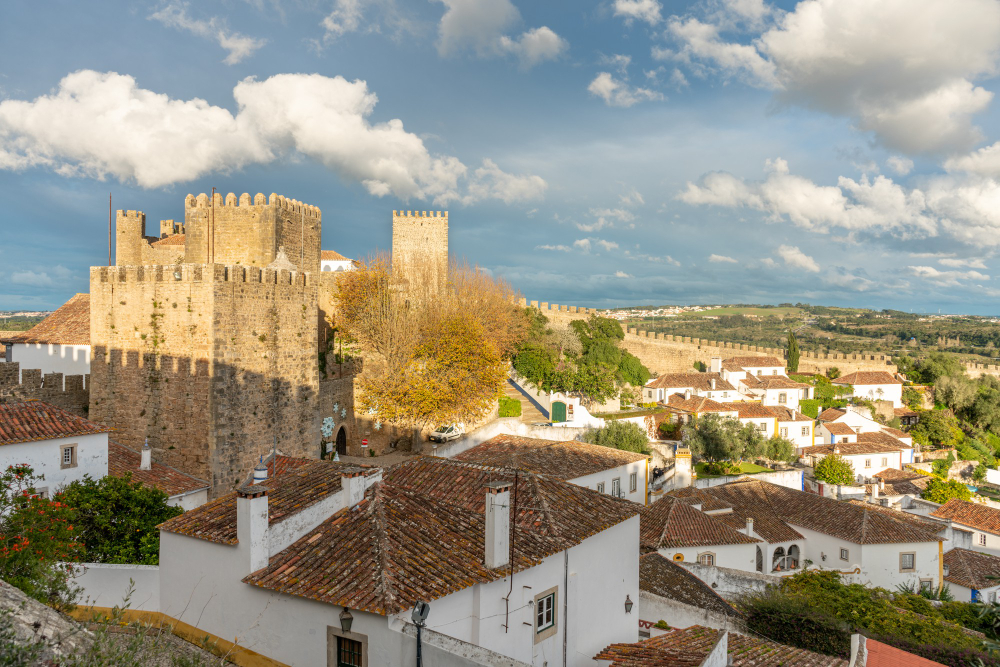
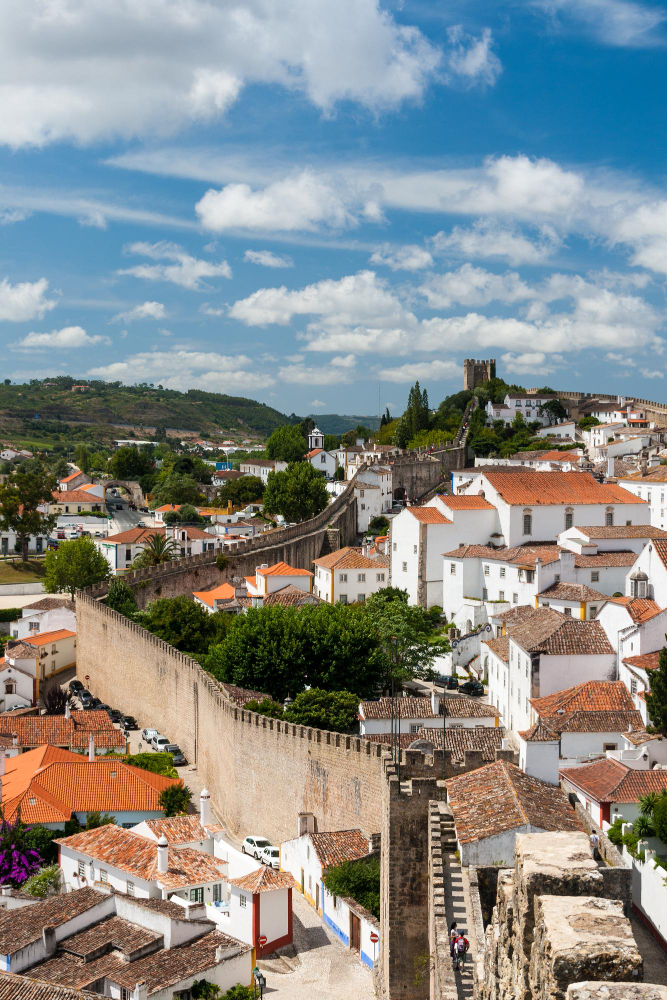
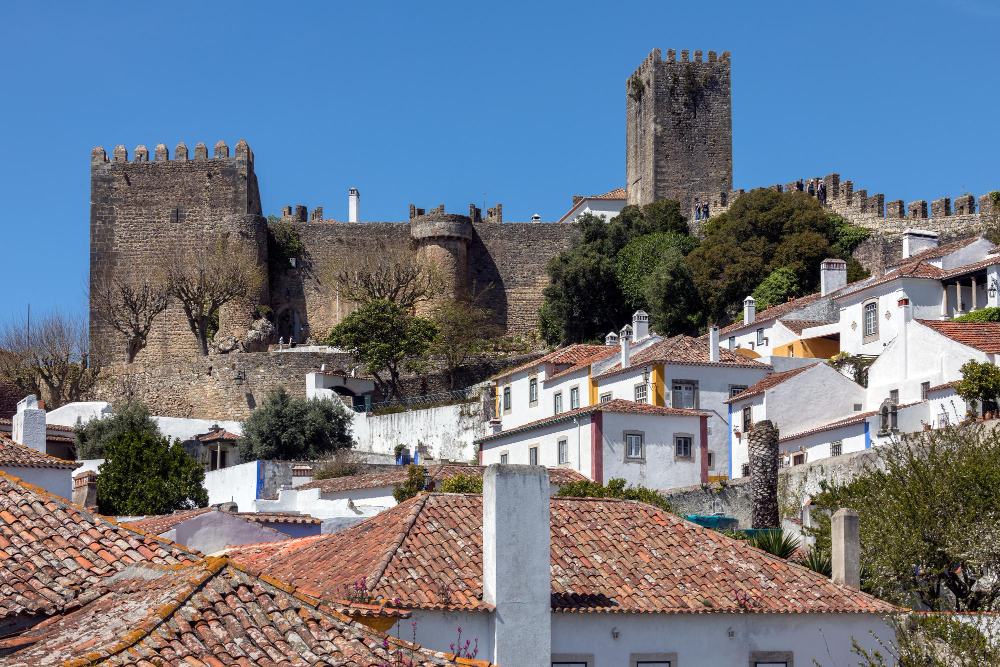
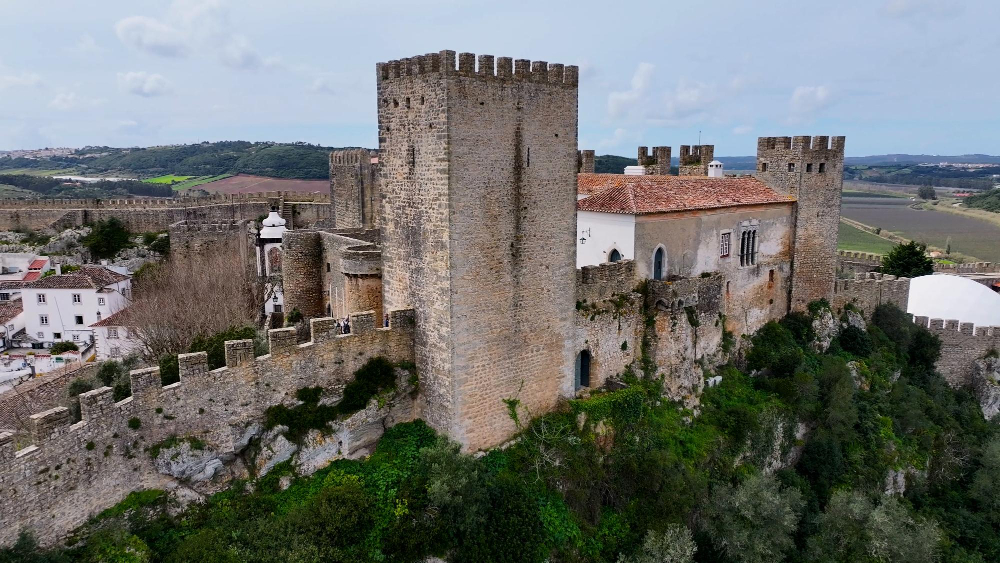
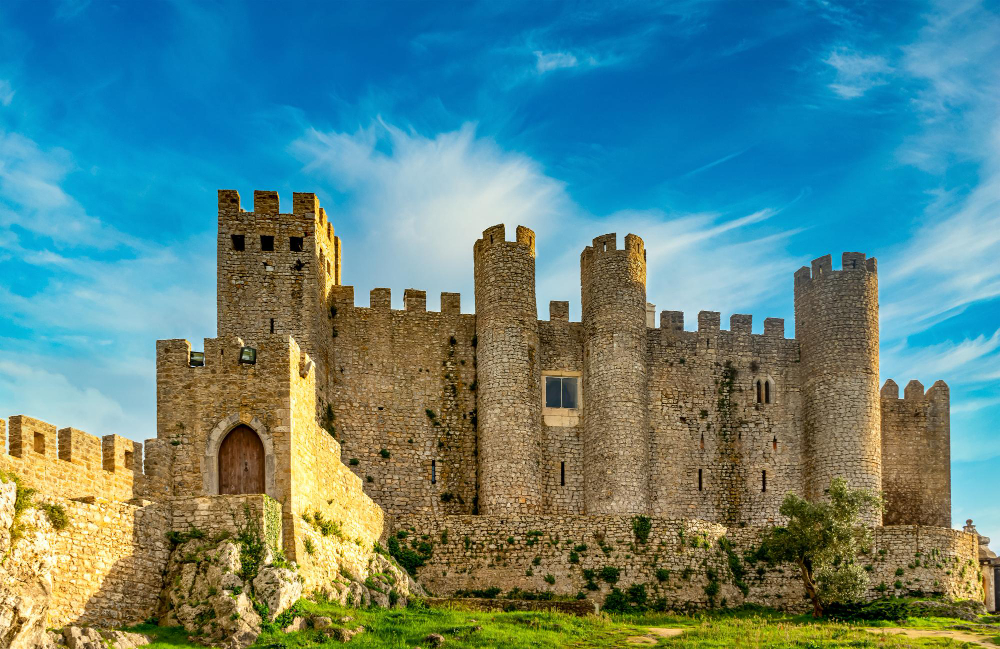
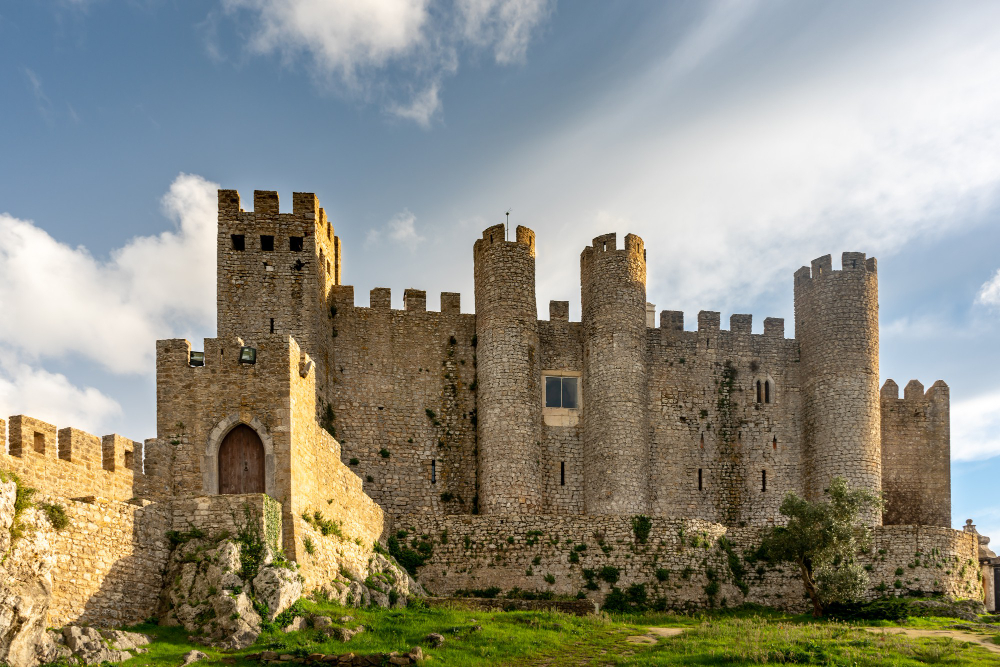
Anyone approaching the small Portuguese town of Óbidos immediately understands why it has been considered a strategic location for centuries. High above the landscape of the historic Estremadura region rises a mighty, largely preserved fortification. Defensive walls enclose a maze of narrow alleys, whitewashed houses, and churches. Towering over it all is the Castelo de Óbidos, the castle of Óbidos. Today, the town is one of Portugal’s most famous tourist destinations—yet behind its picturesque facades, an ancient tale lives on: the story of the “moles” of Óbidos, known in Portuguese as “Os Toupeiros”. According to legend, there was once an extensive network of underground passages beneath the town and its walls. These tunnels are said to have helped the inhabitants smuggle food, water, and other supplies into the fortress unnoticed during times of siege. Because the people supposedly moved about underground like moles, outsiders are said to have given them the playful nickname “moles.” The legend combines real military experiences, the town’s topographical location, and humanity’s fascination with hidden paths to create one of Óbidos’s most impressive local tales.
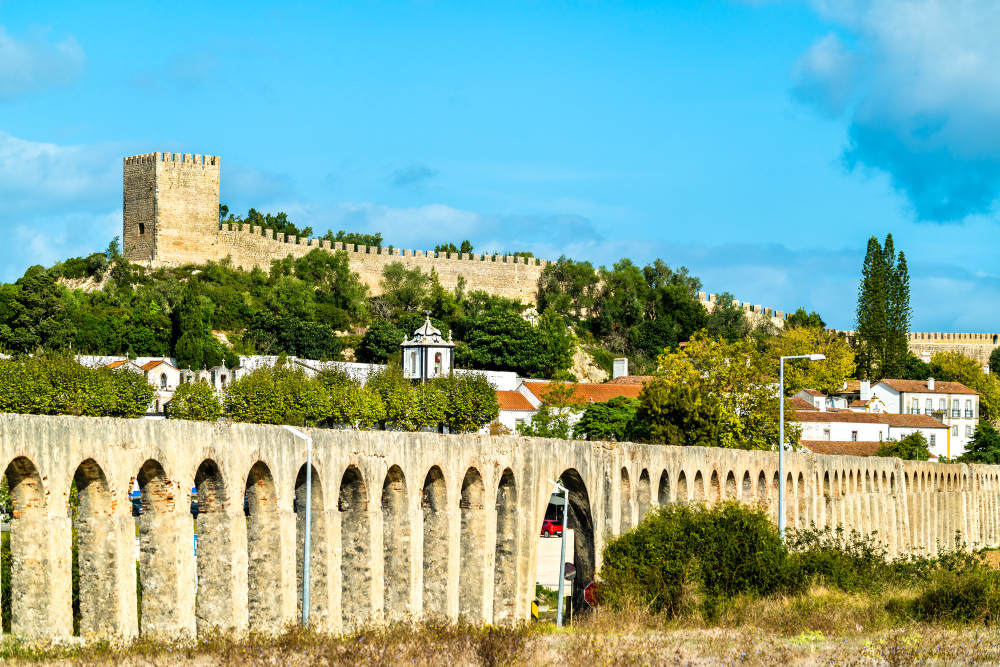
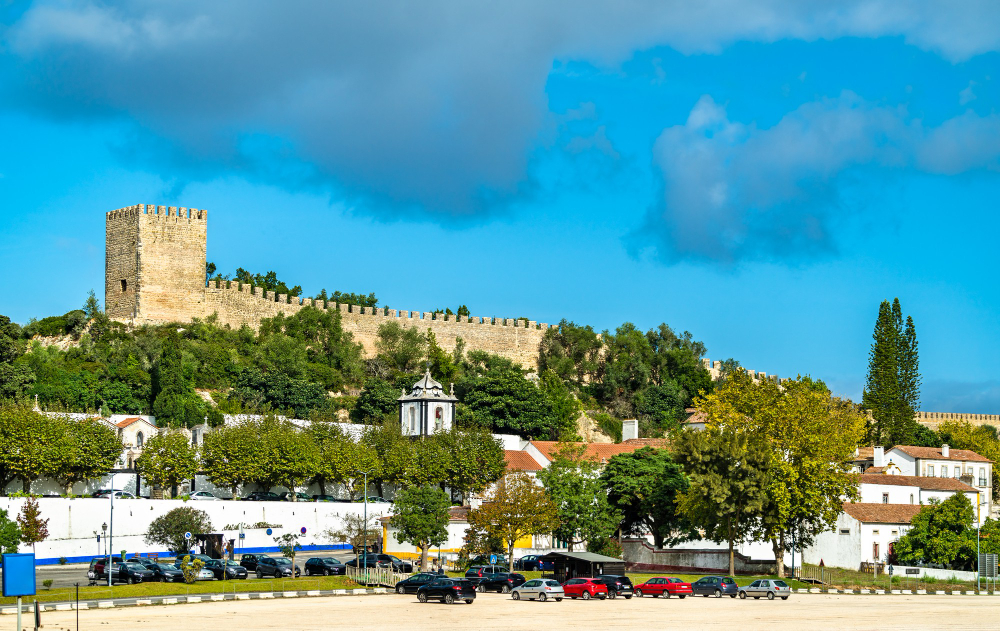
A Fortress Overlooking the Landscape – Óbidos is located about 80 kilometers north of Lisbon, on a hill in what is now the municipality of Óbidos. Administratively, the castle is located in the Freguesia of Santa Maria, São Pedro, and Sobral da Lagoa. Its location was not chosen at random: from the walls, one can survey the surrounding area for miles. In earlier centuries, this was a decisive advantage. Whoever controlled the ridge could better monitor traffic routes and access points to the coast. The history of the town dates back well before the Middle Ages. Archaeological and historical evidence shows that the area was already inhabited in prehistoric times. Later, the Romans and Visigoths left their mark. In the 8th century, the region came under Muslim rule. The basic layout of the castle complex visible today is closely linked to the Christian reconquest of the Iberian Peninsula. In 1148, Portugal’s first king, Afonso Henriques, captured Óbidos as part of the Reconquista. The conquest was part of a broader military campaign through which Portuguese rulers conquered and secured territories south of the Tagus River. Óbidos took on particular significance due to its location and existing fortifications. Over the following centuries, the complex was expanded, repaired, and adapted to new military requirements. The Castelo de Óbidos is therefore not merely a romantic medieval monument. For a long time, it served as a place of refuge, an administrative center, and a visible symbol of royal power. Its walls, towers, and gates tell the story of an era in which cities were not only centers of trade and residential areas but also became defensive fortifications in times of crisis.
The Origin of the Legend of the “Moles” – The story of the “Toupeiros” is part of local oral tradition. Its core is simple yet powerful: When enemies besieged Óbidos and controlled all visible access points, the inhabitants are said to have used underground passages. Through these secret tunnels, they are said to have brought supplies into the walled city. This allowed them to withstand a siege longer than the attackers would have expected. The name “Moles” does not refer to a historical group of people, but rather to a metaphor. It alludes to the inhabitants’ supposed ability to operate underground and remain invisible to their enemies. In a besieged city, this very invisibility could have been vital for survival. Anyone who could transport food, water, messages, or reinforcements through an undetected passageway held a strategic advantage. As with many folk tales, however, a distinction must be made between memory, local identity, and documented architectural history. The legend is passed down because it fits well with the fortified city and offers a vivid explanation of how its inhabitants might have survived sieges. However, a comprehensively documented, preserved underground tunnel system that confirms the narrative in every detail is not among the generally established key features of the castle complex. This does not diminish its cultural value. It is precisely this uncertainty that makes the legend so appealing. It points to a time when underground chambers, secret exits, and hidden supply routes were conceivable for many fortresses. At the same time, it shows how communities transform historical threats into stories that are passed down through generations.
Siege, Supplies, and the Logic of Secret Passages – From a military-historical perspective, the idea of secret entrances is by no means far-fetched. Castles and fortified towns depended on supplies. A strong wall offered protection against a direct attack but did not solve the problem that a besieged population needed food and drinking water. Besiegers therefore often attempted to cut off access routes and force the defenders to surrender through starvation or water shortages. Underground passages, concealed gates, or protected paths to water sources repeatedly played a role in European fortress architecture. However, their functions varied considerably. Some structures had sally ports through which defenders could launch surprise attacks. Others provided access to wells or cisterns. Still others featured storage rooms, drainage channels, or structural cavities that later became the stuff of legends. The legend fits Óbidos particularly well because the town is situated on a hill and surrounded by a strong wall. Anyone looking at the castle from the outside can easily imagine that more was hidden behind the massive stone structures than the visible alleys and buildings. The legend turns this imagination into a dramatic narrative: while guards kept watch on the battlements above, people below might have been transporting supplies through dark passageways. Historical certainty, however, requires more than plausibility. Without clearly dated archaeological findings, architectural plans, or contemporary written sources, such a narrative cannot be considered a fully proven fact. Viewed objectively, the “moles” are therefore part of Óbidos’s cultural memory—not automatically an architecturally documented fact in every detail.
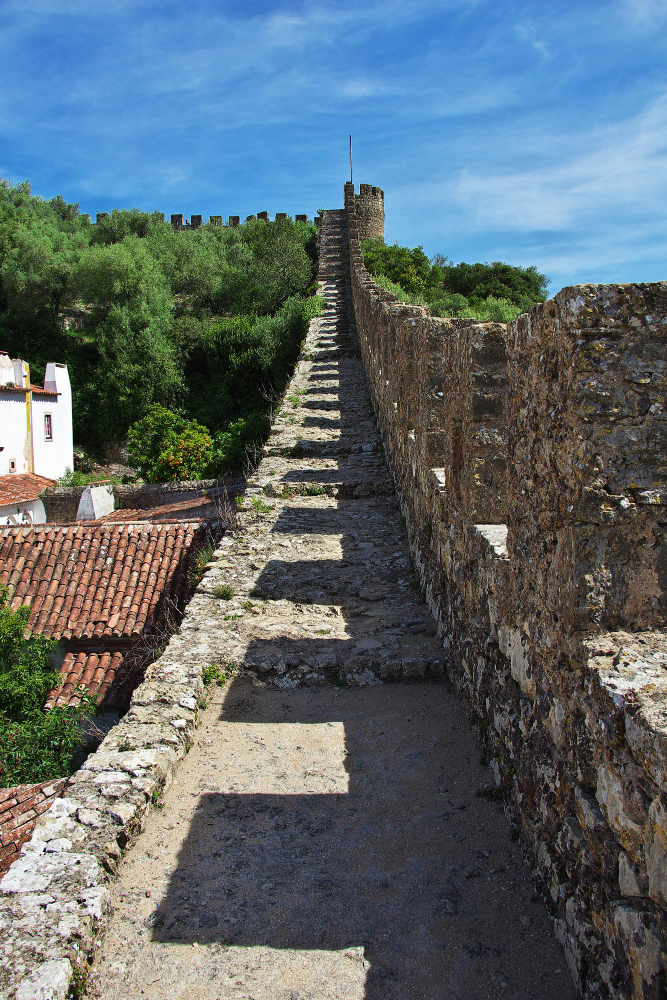
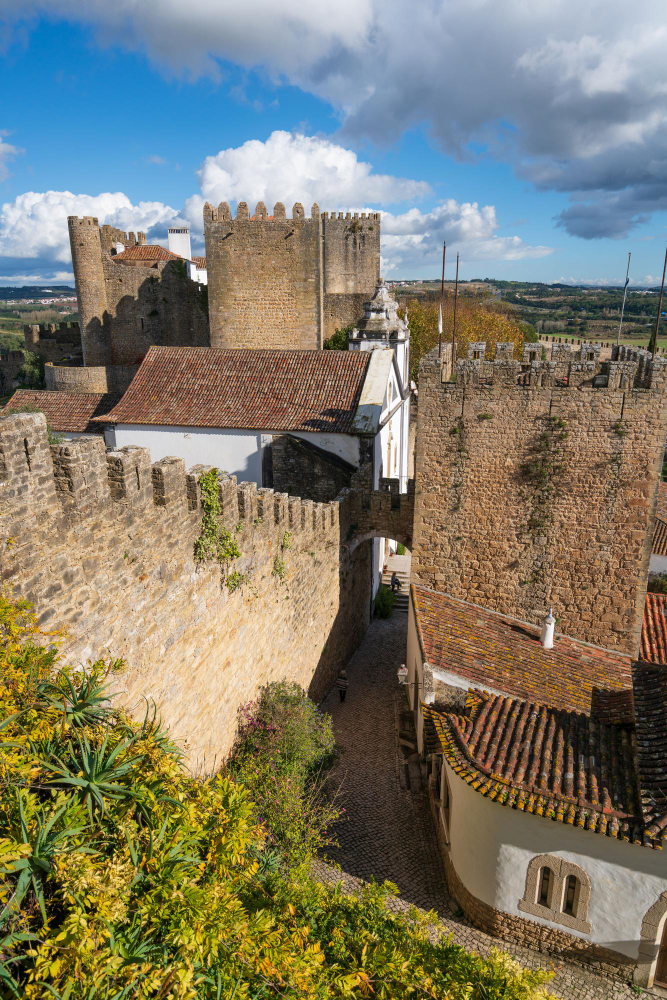
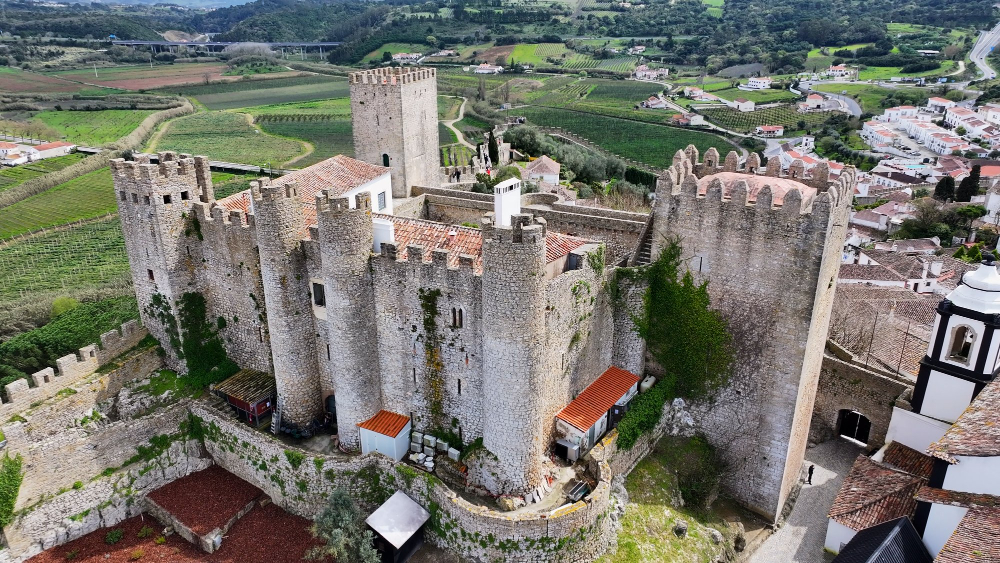
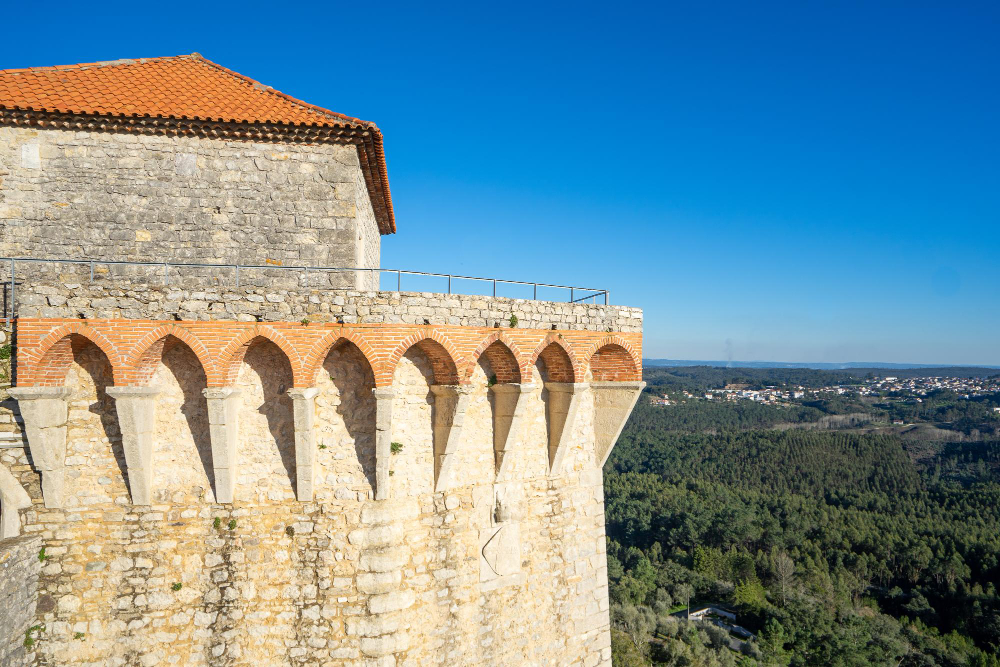
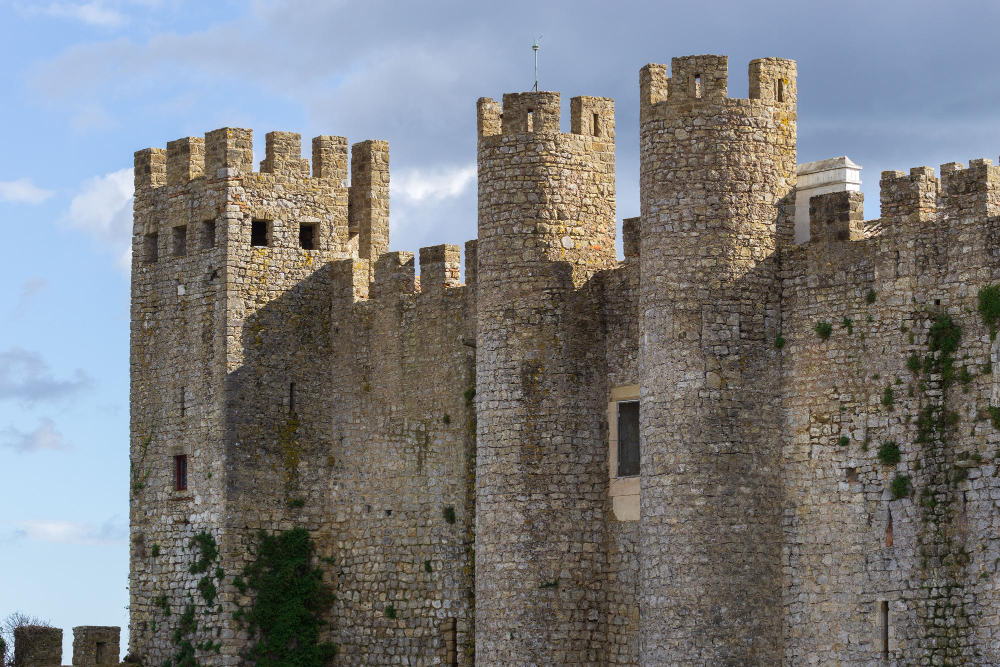
The Castle as an Evolving Structure – The complex in Óbidos, as visitors experience it today, is the result of many phases of construction. Medieval fortifications were repeatedly modified. The centuries following the reconquest were particularly formative, as Portuguese kings consolidated their rule over the country. Óbidos also occupied a special place in the history of the Portuguese monarchy. In 1282, King Dinis gifted the town to his wife, Isabel of Aragon. This marked the beginning of the tradition of treating Óbidos as part of Portugal’s so-called “Cities of the Queens.” Several queens later received the town as a possession or source of income. This connection to the royal court brought political and economic significance to the town, while the castle simultaneously retained its role as a defensive structure. The walls of Óbidos were expanded and repaired over the centuries. Their current appearance is largely shaped by medieval and later renovations. The complex features gates, towers, and sections that stretch along the ridge. Anyone walking along the battlements immediately recognizes how closely the architecture and the terrain are intertwined. The walls follow the topography; the town does not appear as a structure set apart from the landscape, but rather as an integral part of it. A severe earthquake in 1755, which struck large parts of Portugal, also damaged Óbidos. Repairs were subsequently necessary. Nevertheless, the town’s historic character has been exceptionally well preserved. In the 20th century, the castle took on a new function: it was used as historic lodging. The Castelo de Óbidos is one of the earliest Portuguese “Pousadas”—state-subsidized inns located in buildings of cultural and historical significance.
Between Tourism and Tradition – Today, numerous travelers visit Óbidos every year. They come for the castle, the city walls, the churches, and the distinctive architecture. Particularly well-known is the Rua Direita, the main street within the walls, with its shops, small restaurants, and traditional products such as the cherry liqueur ginjinha, which is often served in edible chocolate cups. But Óbidos is more than just a carefully preserved backdrop. The town also thrives on its stories. The tale of the “moles” lends the castle town an additional dimension. It draws the eye away from the visible walls and toward what might be hidden: vaulted cellars, ancient foundations, possible passageways, and the memories of a community. Such legends serve an important function. They convey history not only through dates and the names of rulers, but also through imagery. A “mole” beneath a besieged city is an image that sticks in the mind. It helps us understand the fears a siege could trigger—and the hopes associated with secret passages. At the same time, it is worth approaching history with a critical eye. The fascination with secret tunnels can easily lead to folklore being presented as archaeologically verified facts. A responsible view of Óbidos’s cultural heritage therefore requires both: respect for folk lore and accuracy in handling the sources. The legend should be told for what it is—a time-honored local tale that may be based on real experiences with fortifications and supply routes, but whose specific architectural details cannot be universally regarded as proven.
The Mystery Remains Part of the Place – It is precisely this blend of documented history and traditional legend that makes Óbidos so fascinating. The castle is real, its military significance is documented, and its walls are accessible. The “moles,” on the other hand, belong to the realm of stories that expand historical places beyond what is visible. Perhaps the true power of the legend does not lie in proving the existence of a specific tunnel. It lies in the idea of ingenuity under pressure: of residents who do not surrender to a siege without a fight, but instead seek ways to supply and protect their town. Whether each tunnel actually existed or not is almost secondary to the legend. It tells of resilience, solidarity, and the desire to find a hidden way out in difficult times. When the crowds of visitors thin out in the evening and the walls of Óbidos are bathed in the light of the setting sun, the story of the “Toupeiros” seems particularly believable. The tranquility of an ancient city then settles over the alleyways. And beneath the cobblestones—or so one would like to believe—the echoes of those people who once moved through the darkness like moles to keep their fortress alive might still be heard.










Post Comment