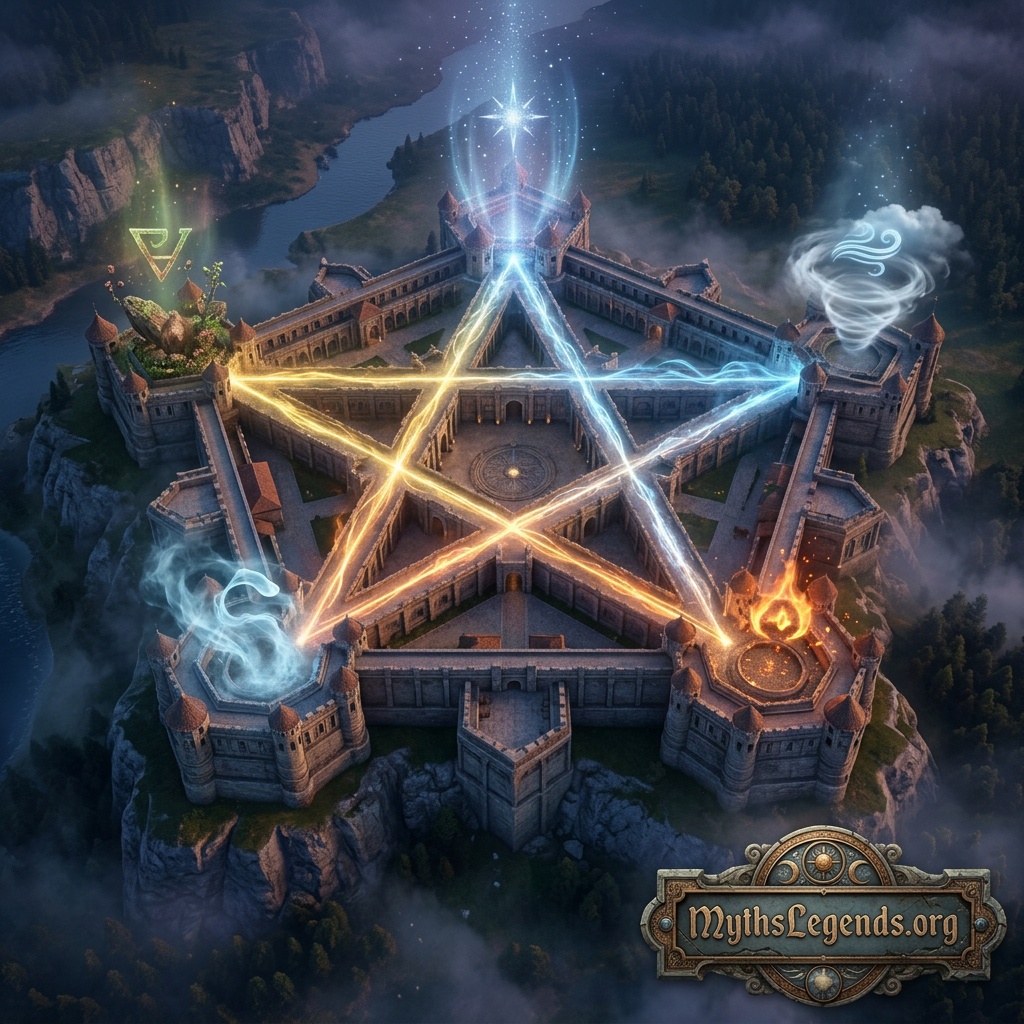
The Mystical Pentagram of Turin: The Citadel Under the Spell of Occult Geometry
Turin, situated in the heart of Italy, harbours numerous legends and mysteries that extend far beyond its history as a major trading city. Particularly fascinating is the Citadel of Turin, a monumental 16th-century fortress which stands as a truly unique testament to both architecture and history. Built from 1564 onwards under Duke Emanuel Filiberto of Savoy to designs by the Italian military engineer Francesco Paciotto, this fortification was not merely a military stronghold. Rather, its structure – parts of which are still preserved today – reveals a deep connection to esotericism and symbolic geometry – in particular, the pentagram.
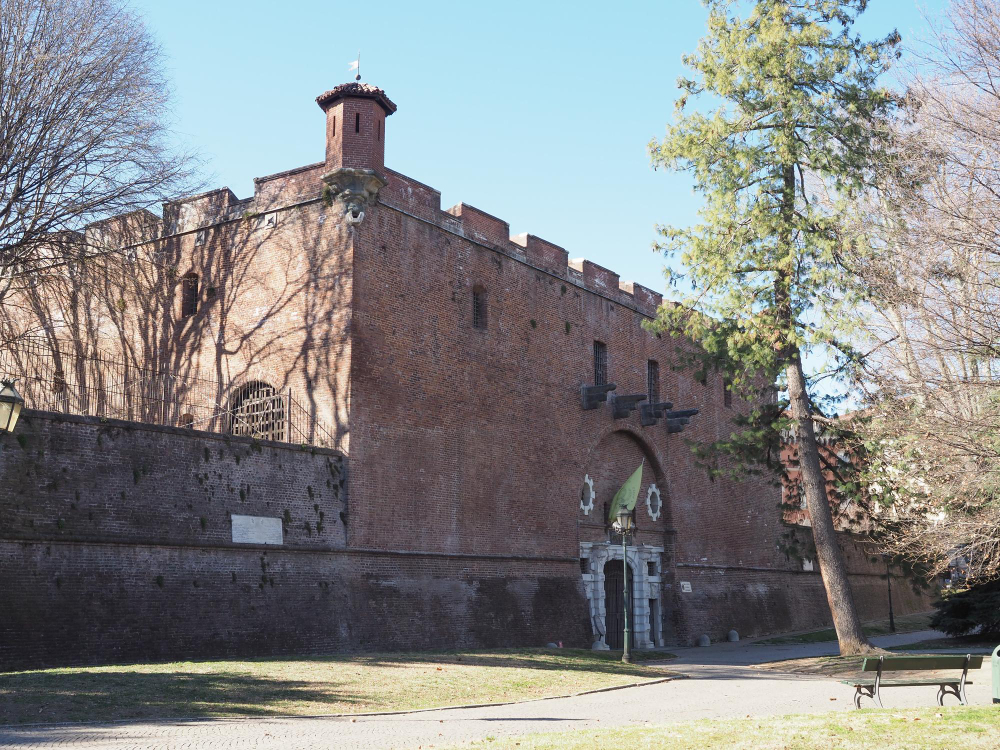
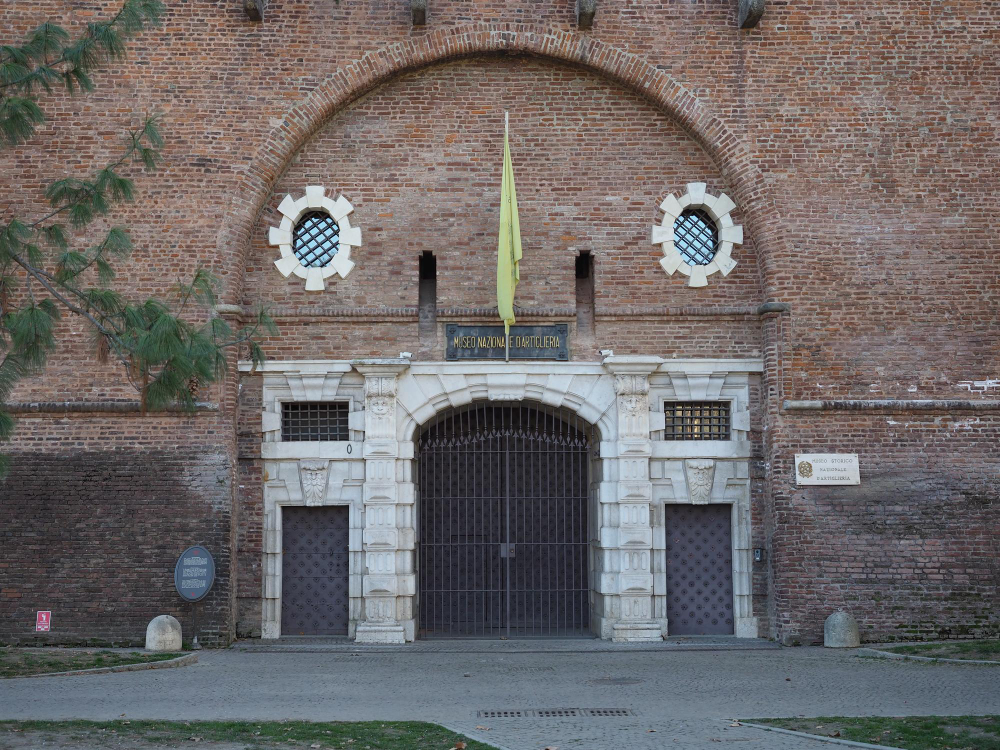
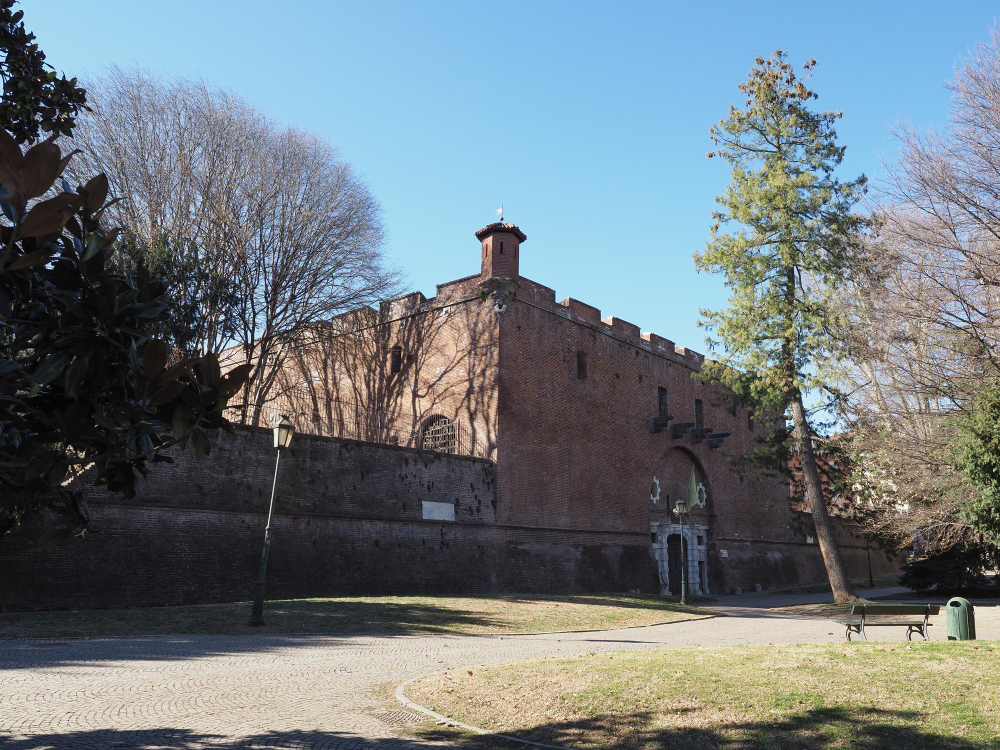
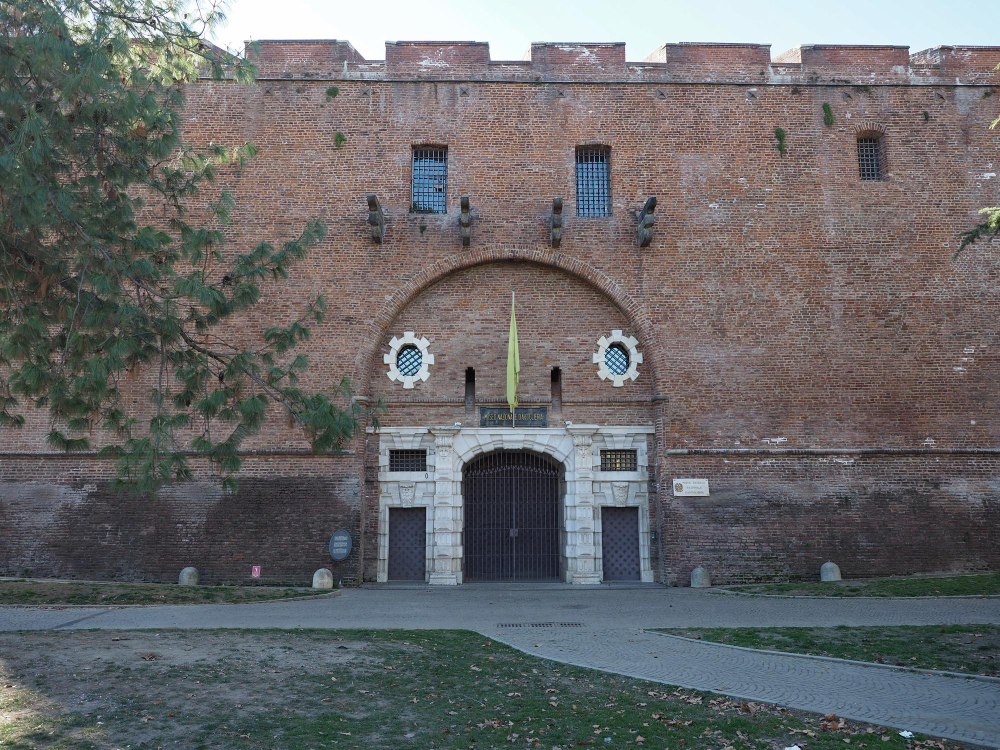
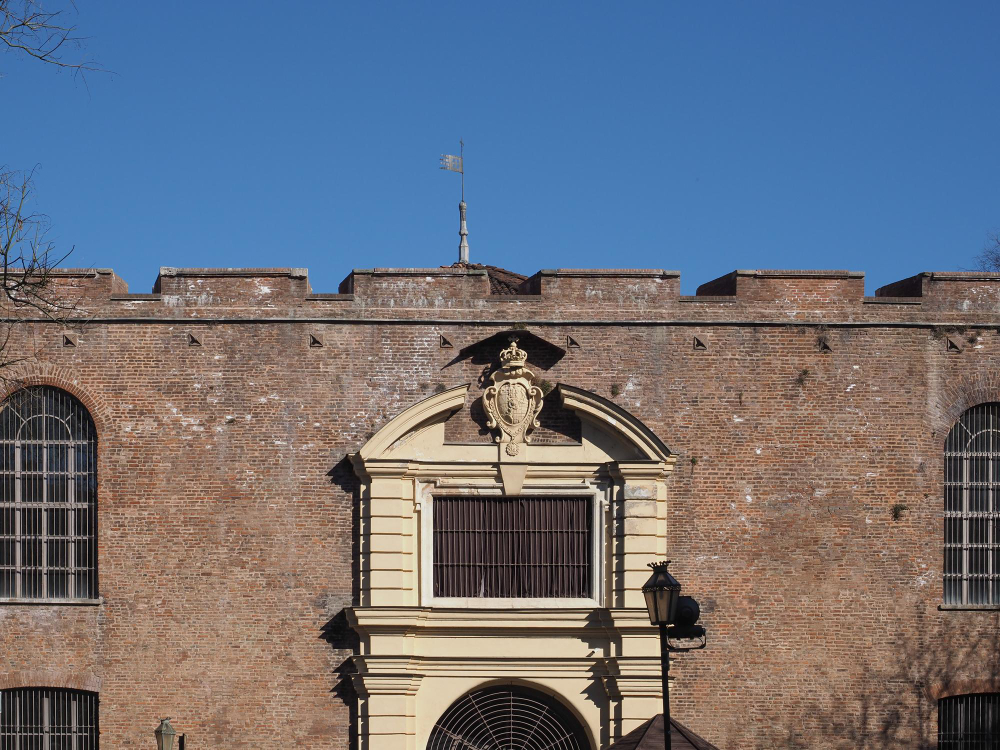
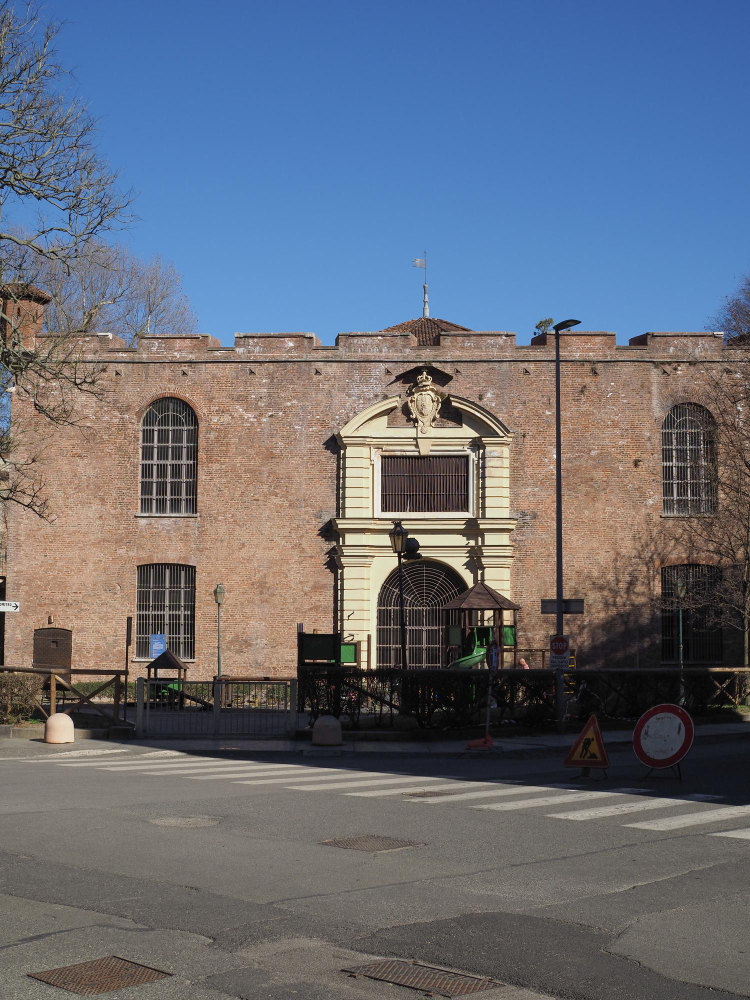
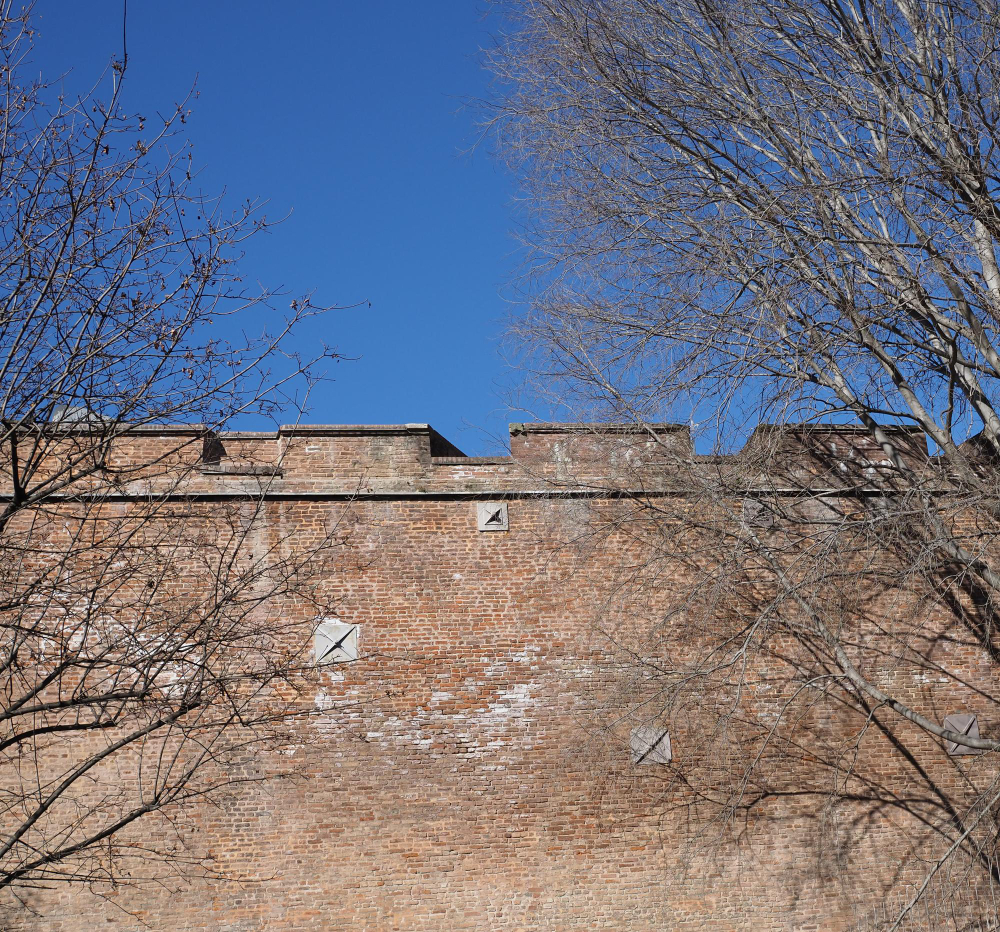
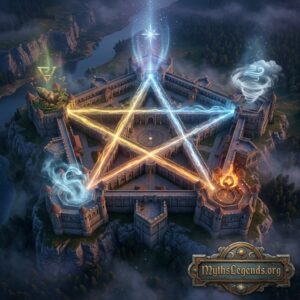
The Citadel of Turin: Architecture and History – The construction of the citadel was part of a large-scale military strategy by the House of Savoy to protect Turin against attacks and secure control over the region. The fortress’s ground plan is a regular pentagon with star-shaped bastions at the corners, designed to serve as effective defensive structures. This geometric shape was not uncommon in Renaissance military architecture, as it allowed for optimal fields of vision and fire. Nevertheless, the Citadel stands out from many other fortresses of its time due to its striking regularity and precise pentagonal shape. After several centuries, the citadel was largely demolished; what remained was primarily the central keep, the Mastio della Cittadella, which today stands as a silent witness to that era. Despite this loss, traces of its original form have been preserved in numerous historical maps and plans, enabling researchers to reconstruct the fortress’s original layout.
The pentagram as a magical symbol – In esotericism and the occult, the pentagram – a five-pointed star – is regarded as one of the most powerful symbols. It stands for protection, harmony and the connection between the elements of earth, water, air, fire and spirit. Interestingly, the ground plan of the citadel takes exactly this form: A regular pentagon whose star-shaped bastions resemble a pentagram. This fact has given rise to speculation in esoteric circles and amongst adherents of occult geometry. Some authors and researchers argue that Duke Emanuel Filiberto or his master builders may have deliberately chosen this shape to imbue the structure with a protective, almost magical effect. Others, however, see it more as a classic expression of Renaissance military architecture, which was subsequently imbued with mystical significance.
Turin: A City of Magic and Mystery – Turin itself has always been associated with mysticism and the occult. The city lies within the so-called ‘Magical Triangle’ – a mythical area considered to be an energetic intersection of various ley lines. Furthermore, all manner of stories abound concerning hidden temples, secret societies and alchemical traditions. In this context, the choice of the pentagram as the citadel’s ground plan seems less coincidental. Literature on Turin’s esoteric significance often highlights the connections to ancient deities who were worshipped in the city and its surroundings. Particularly striking is the tradition that, during the construction of the citadel, the remains of an ancient temple to Isis were found beneath the foundations. The temple to the Egyptian goddess Isis, a figure of fertility, magic and rebirth, adds yet another layer of mystery.
The Temple of Isis in the Foundations: Historical Sources and Local Chronicles – The Church of San Solutore, which was demolished to make way for the citadel, stood on a site that had already been in use in antiquity. Reports from local chronicles and accounts from workers involved in the excavation describe the discovery of artefacts and remains of foundations believed to be of unambiguously religious origin. Various archaeological publications confirm the existence of Roman and pre-Roman settlements at this site, which does not rule out the possibility of a place of worship (cf. Archivio Storico di Torino, 17th century). In particular, the identification of the site as an Isis temple is based on the interpretation of certain symbolic remains that bore similarities to Egyptian iconography. Whether it was in fact a formal temple or rather a sanctuary with multicultural influences has not yet been conclusively established by scholars. Nevertheless, this conjecture lends the history of the citadel and the city of Turin an additional air of mystery.
Pentagrams and Esotericism: Symbolic Power in the Urban Space – The use of geometric shapes with occult significance is not uncommon in Renaissance urban planning and fortification architecture. Documents from the period show that geometry served not only aesthetic or practical functions, but also carried spiritual significance. In times when science and mysticism were closely intertwined, such purpose-built structures were often subtly adorned with symbols intended to offer protection or reflect cosmic harmony. Since antiquity, the pentagram has been regarded as a protective symbol against evil forces. Its use in architecture – as in the case of the Turin Citadel – suggests an attempt to shield the city and its inhabitants from attacks of both a material and immaterial nature. The combination with the ancient cult of Isis reinforces the idea of a place that is protected by symbolic powers and, at the same time, connected to higher mysteries.
Between legend and reality – The Turin Citadel is not only a monument to military architecture, but also a fascinating symbol that illustrates the fusion of history, mysterious geometry and esoteric thought. The regular pentagonal ground plan, resembling a pentagram, may represent a deliberate choice that involved more than just tactical considerations. The connection to the Egyptian goddess Isis, established through the discovery of an ancient temple, reinforces the mystical dimension of this complex and makes the Citadel an unexpected hub in Turin’s multifaceted magical history. Although many questions remain unanswered, it is clear that the Citadel is far more than a mere fortress – it is a place where history, myth and occult symbolism converge. Turin thus remains a city that captivates travellers and researchers alike, precisely because of such stories that mysteriously link the visible and the invisible.


Post Comment