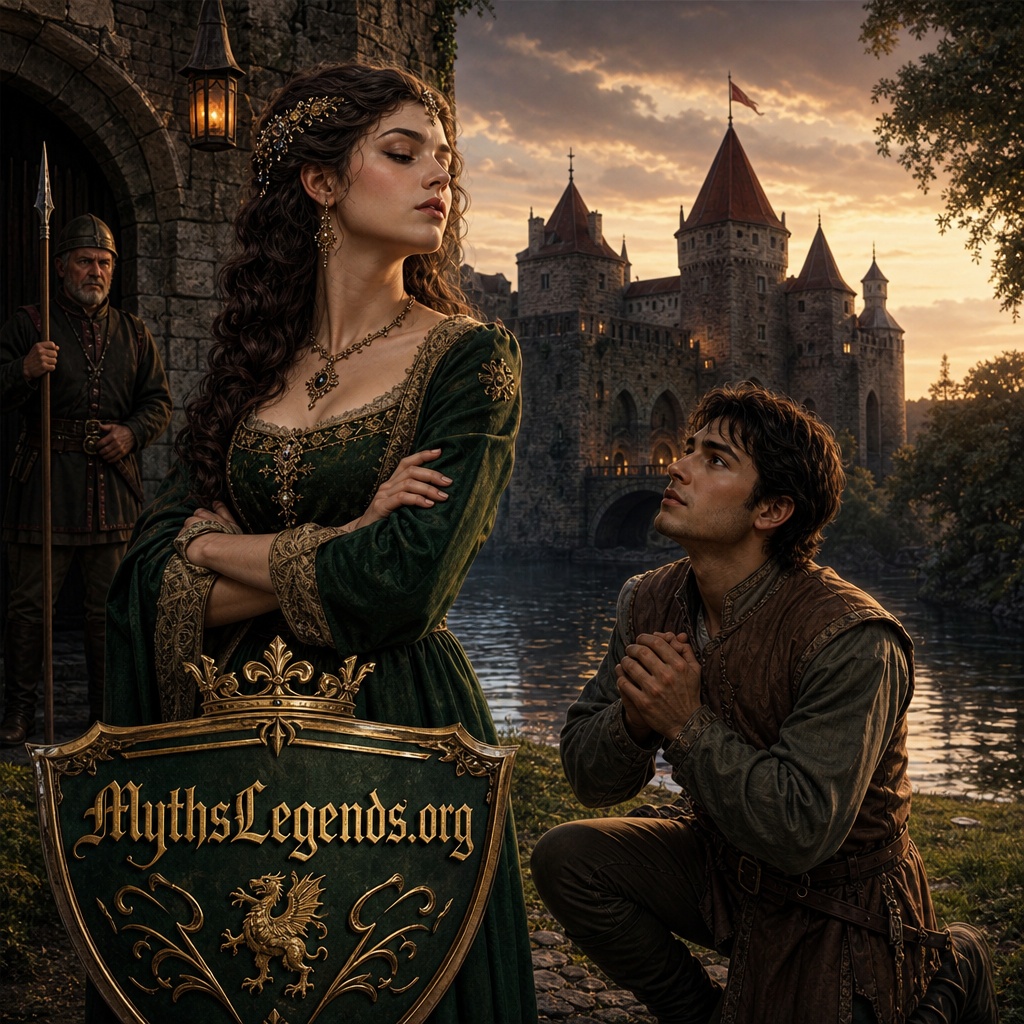
The Legend of Żabusia – The Frog Maiden of Ciechanów Castle
In the shadow of the venerable Ciechanów Castle, nestled in the picturesque countryside of Masovia in Poland, a legend lives on, one that has been passed down from generation to generation for centuries. It is the story of Żabusia, the so-called ‘Frog Girl’ – a legend that not only captivates with its mystical narrative but is also deeply rooted in the cultural and historical context of the region. This article sheds light on the background to this fascinating legend and places it within its historical context, without falling into the trap of mere fairy-tale storytelling.
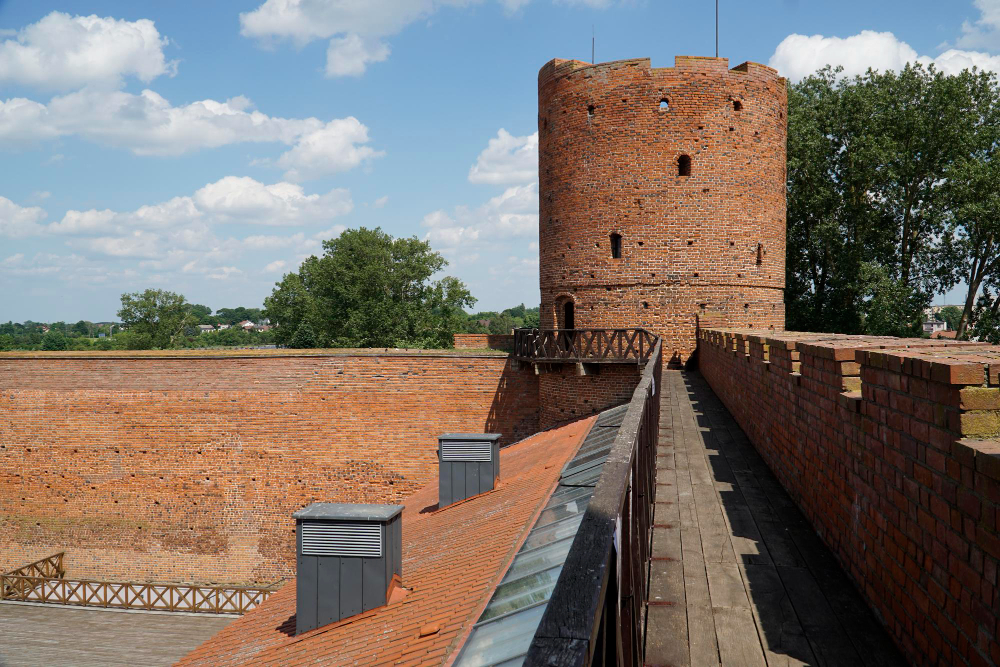
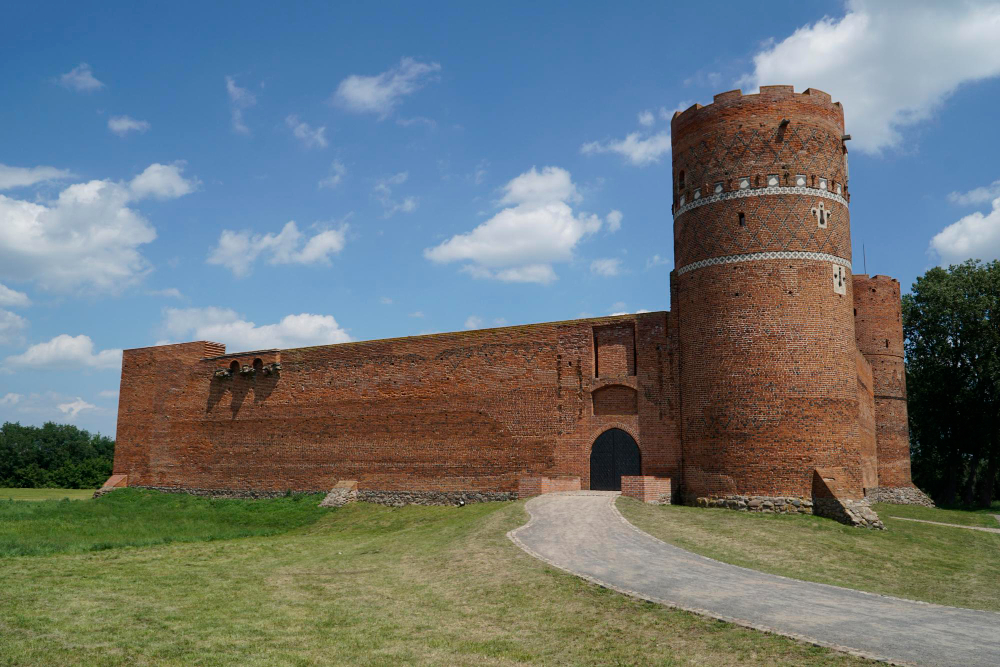
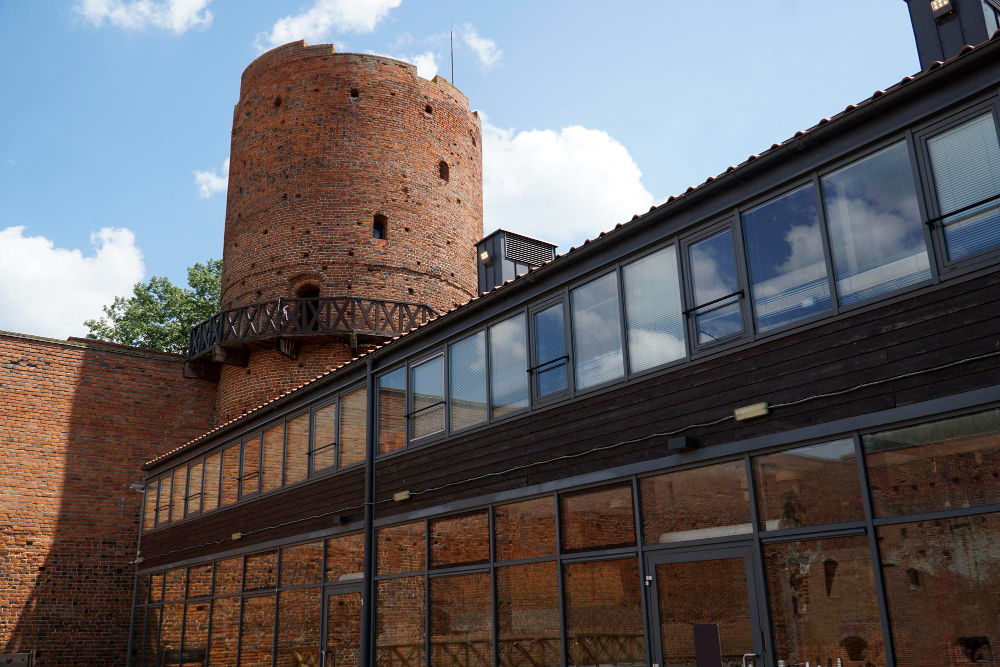
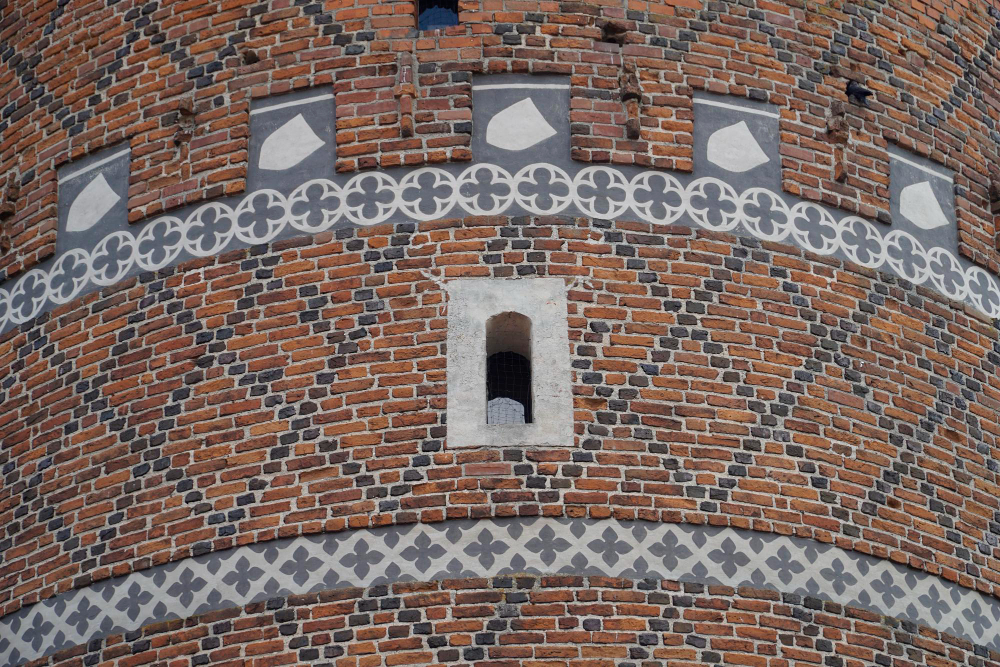
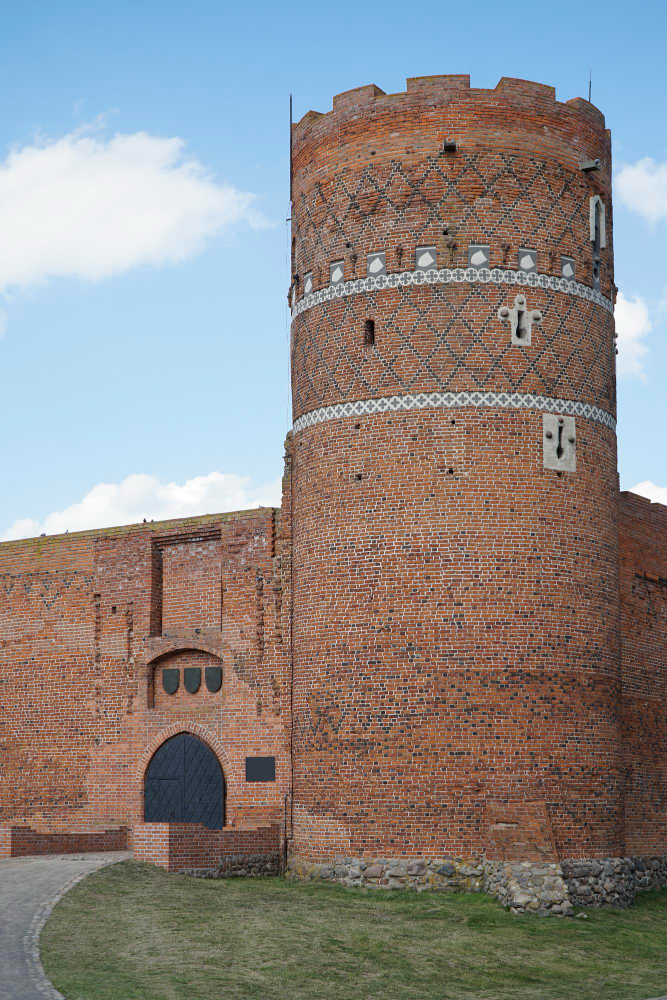
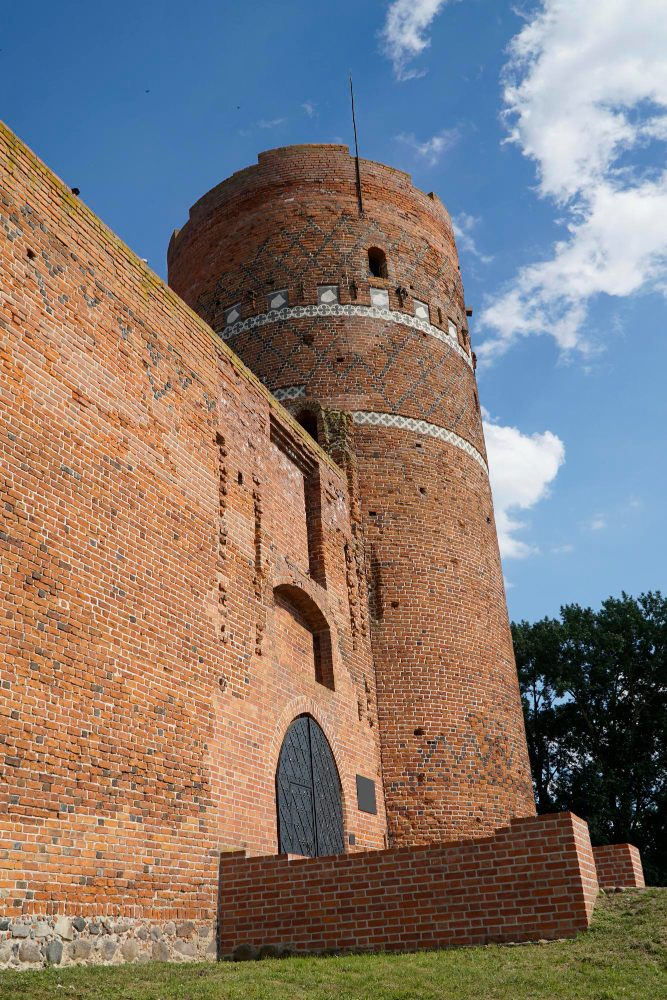
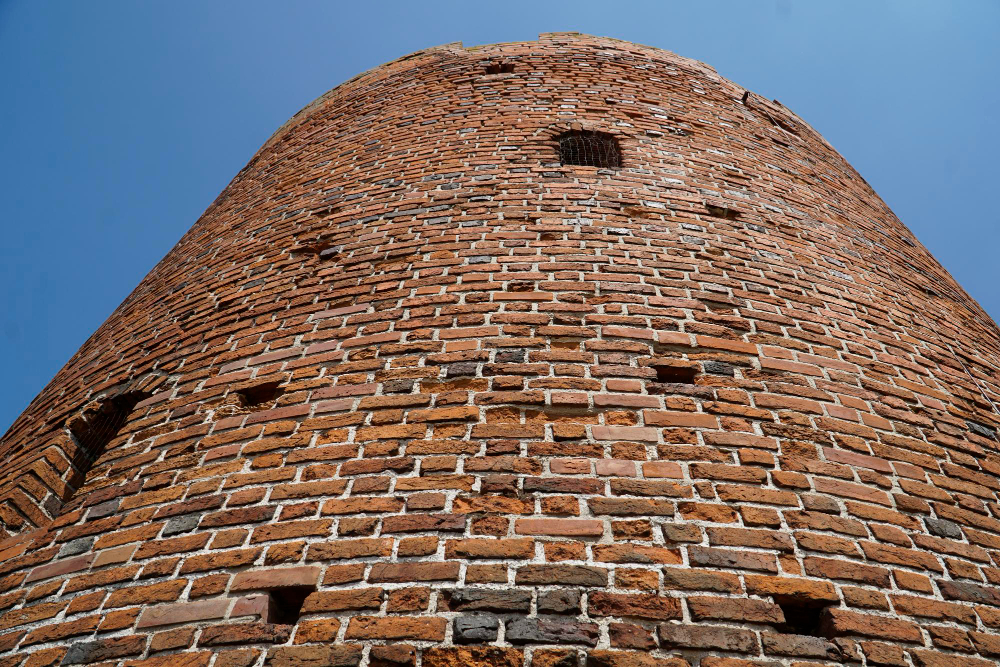
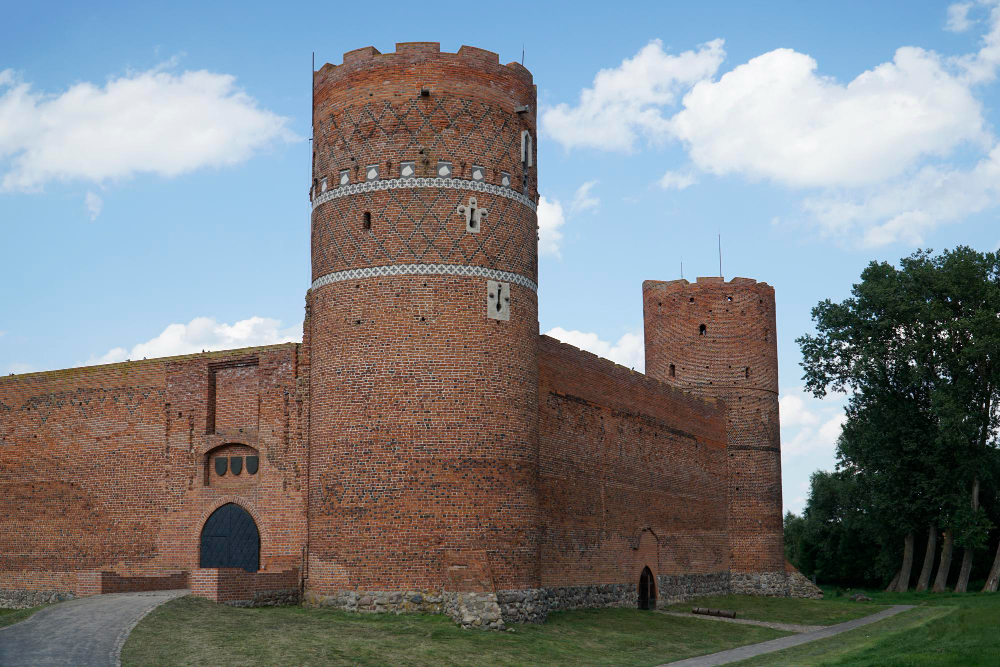
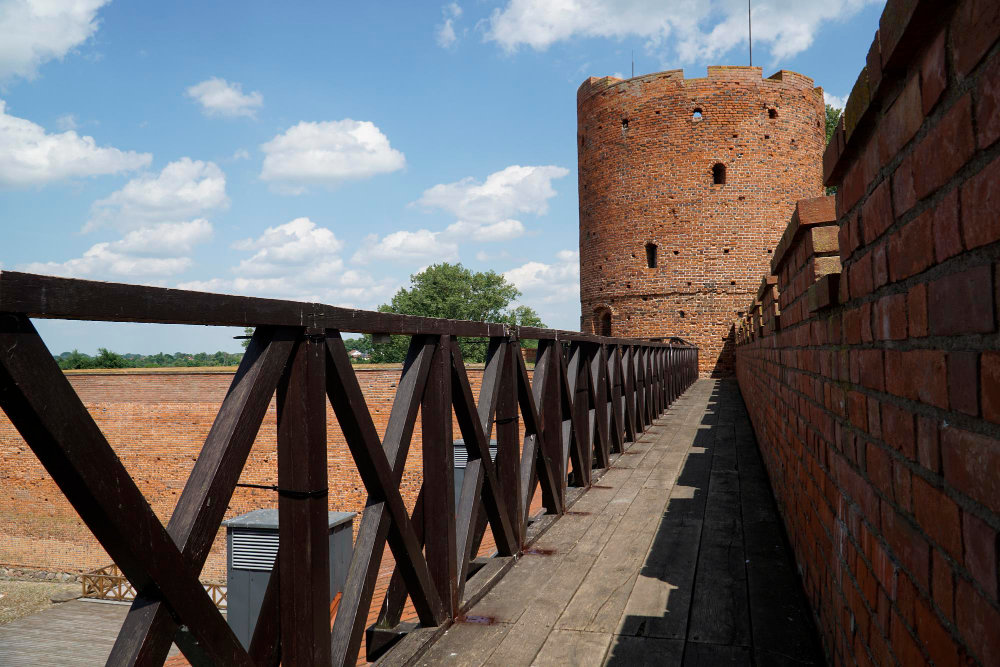
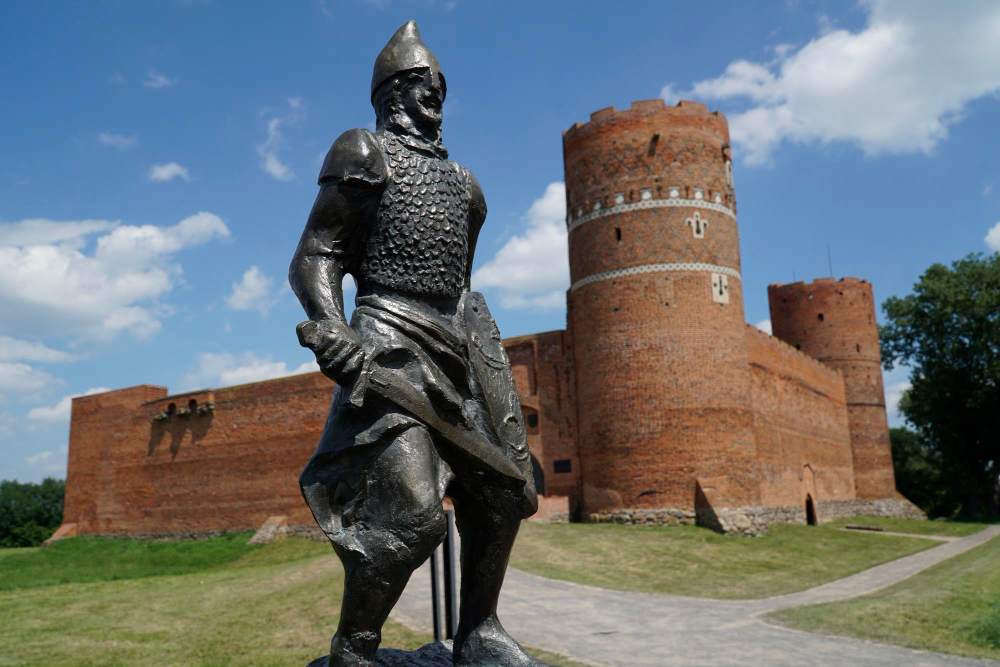
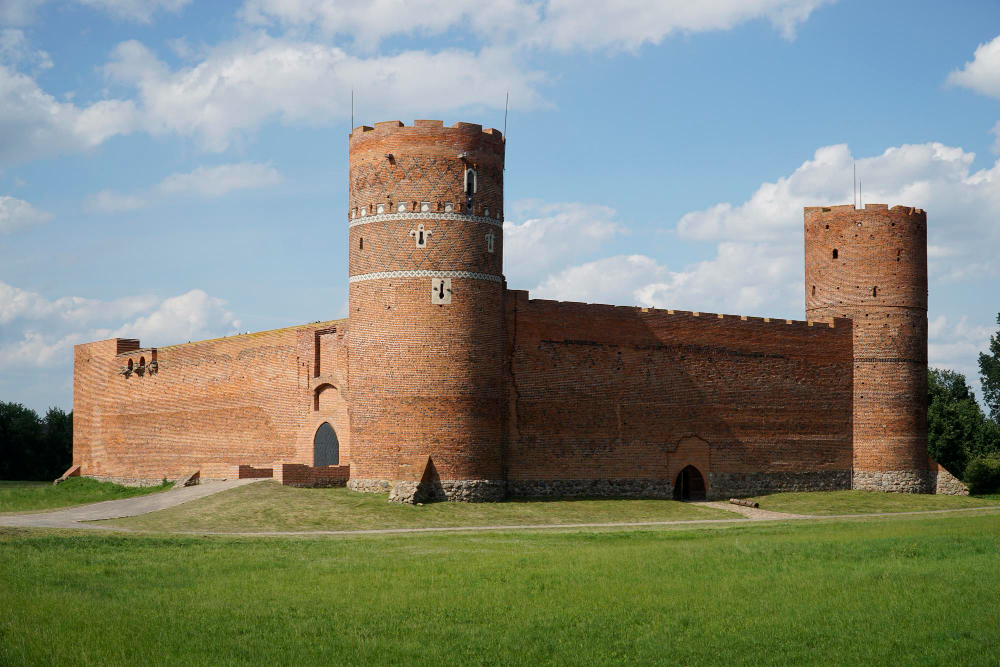
Ciechanów Castle: A Historical Setting – Before we delve into the story of Żabusia, it is worth taking a look at the place where the legend unfolds. Ciechanów Castle was built in the 14th century by Duke Casimir III of the Piast dynasty and was regarded as an important fortress and administrative centre of the Masovia region. Its imposing walls and towers bear witness to an eventful history marked by intrigue, power struggles and legends. Historians view the castle not merely as a military stronghold, but also as a place where social relationships and human dramas played out – the perfect conditions for the emergence of legends such as that of Żabusia.
Who was Żabusia? The main character of the legend – Żabusia, which means ‘little frog’ in Polish, was, according to tradition, the daughter of the gatekeeper of Ciechanów. This profession was of great importance at the time, as the gatekeeper was responsible for controlling access to the castle and was thus a key intermediary between the outside world and the interior of the fortress. As the gatekeeper’s daughter, Żabusia was not of noble birth, but her proximity to the castle and its inhabitants meant she became familiar with courtly life from an early age. The legend describes her as a young woman of extraordinary beauty. At the same time, however, her character is portrayed as difficult: selfish, vain and hard-hearted. This combination made her detested in the eyes of those around her, even though she was admired for her outward appearance. Her inner coldness contrasted with her outward grace – a duality that serves as a warning against false superficiality in many folk tales.
The Tragic Love Story – A central element of the legend is the love story between Żabusia and a young man from the area around the castle. The accounts vary slightly here, but the core remains the same: the young man fell madly in love with the beautiful girl. Despite his sincere love, Żabusia was unyielding in her conditions for marriage. She demanded that they never have children – a demand deeply rooted in her character. The legend interprets this condition as an expression of her jealousy and possessiveness towards her future husband. She feared that the birth of a child might cause her importance to him to wane and that the child would receive more love and attention than she herself did. This perspective highlights the complexity of her character: whilst outwardly desirable, she was inwardly marked by fear and insecurity, which manifested as harshness.
The Curse and the Transformation – The dramatic climax of the legend lies in Żabusia’s punishment for her cruelty and arrogance. According to ancient folk belief, it is often a ‘higher power’ or a supernatural curse that punishes those who violate the moral standards of the community. In this case, Żabusia was cursed for her vanity and her dark heart and transformed into an ugly frog. This frog is said to live to this day in the damp marshes of the River Łydynia, which flows near Ciechanów Castle. The river and the surrounding marshes are real geographical landmarks, thereby reinforcing the impression that the legend is not merely a figment of the imagination, but remains closely linked to the actual surroundings. Interestingly, the transformation into a frog symbolises not only a physical punishment, but also social and spiritual isolation: demoted from an admired human to a despised animal, this highlights the consequences of pride and selfishness.
Interpretations and cultural significance – The legend of Żabusia is not an isolated case in Polish mythology, where transformation into animals frequently appears as a punishment for misbehaviour. The frog, which in many cultures is regarded as a symbol of transformation but also of impurity, fits perfectly into this picture. Furthermore, the story reflects contemporary values which, in past centuries, were strongly shaped by a sense of community, humility and the importance of family ties. Żabusia’s insistence on not having children fundamentally contradicted these norms and thus led to her tragic fate.
Żabusia today: myth and tourism – The legend of Żabusia has now also gained significance for tourism. Visitors to Ciechanów Castle are often made aware of the story of the frog girl, whether on guided tours or in small souvenir shops featuring frog motifs. This illustrates how folk tales and historical sites work together to create and preserve cultural identity. Even though the truth behind the legend cannot be conclusively proven, it remains a fascinating part of the region’s heritage.
The legend of Żabusia, the Frog Maiden of Ciechanów Castle, is far more than just a simple tale of a cursed young woman. It is a reflection of the social values, fears and hopes of bygone times. Set against the real historical backdrop of the castle and the River Łydynia, it blends the human with the mystical and offers a glimpse into the cultural self-image of an entire region. Whilst the figure of Żabusia serves as a cautionary tale against vanity and hard-heartedness, today the story invites us to delve deeper into the culture and history of Masovia – and perhaps, whilst strolling along the river, to spare a thought for the mysterious frog girl who still ekes out her existence there.






Post Comment