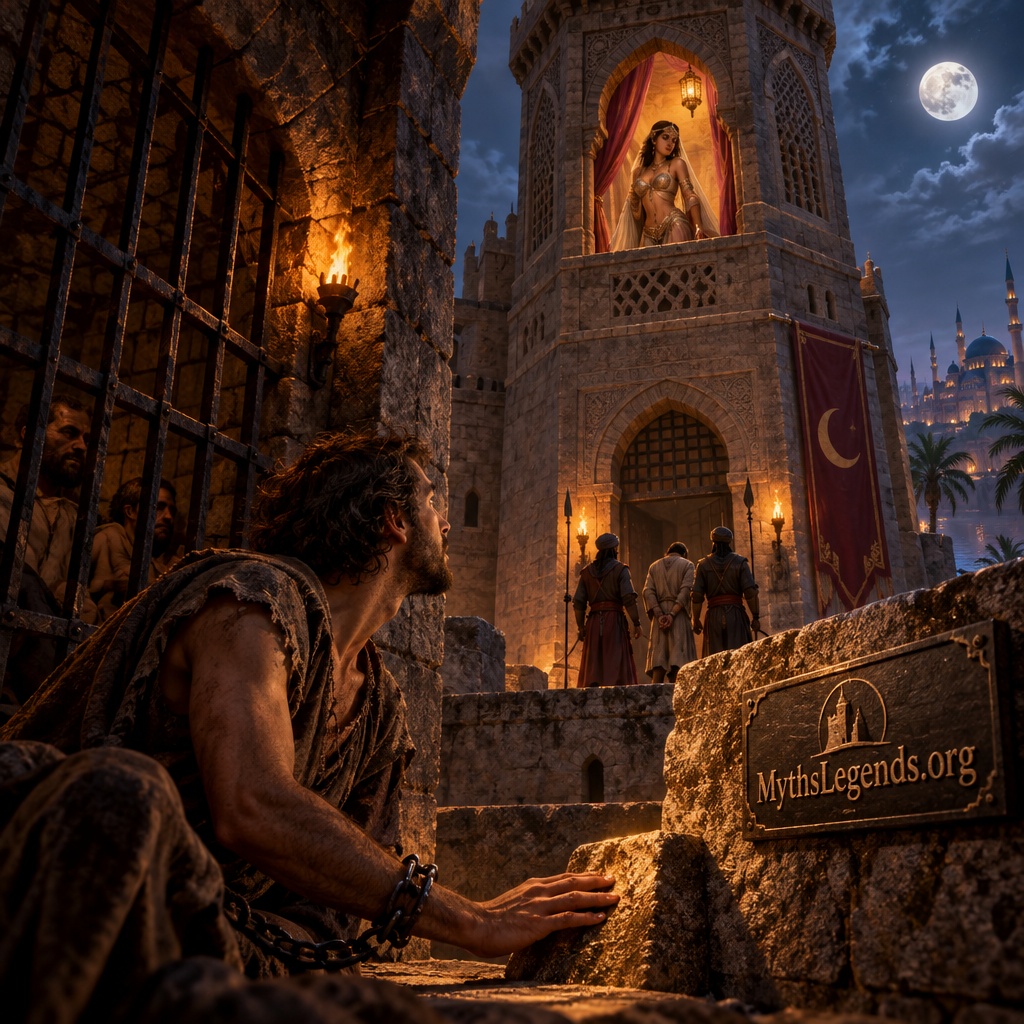
The Tower of Wishes – A mystical place full of secrets and longings
In the heart of Málaga’s historic fortress, the imposing Alcazaba, stands a mysterious structure: the so-called ‘Tower of Wishes’ or ‘La Torre de los Deseos’. This tower is not only architecturally remarkable, but is also shrouded in a fascinating legend that is deeply rooted in the dark dungeons of the Moorish castle. For centuries, tales have been told of the mysterious events that take place within its walls – of hidden longings, fateful encounters and tragic fates. But what really lies behind this legendary tower? Is it truly a place where wishes come true, or does it remain a myth whose origins lie hidden in the shadows of history?
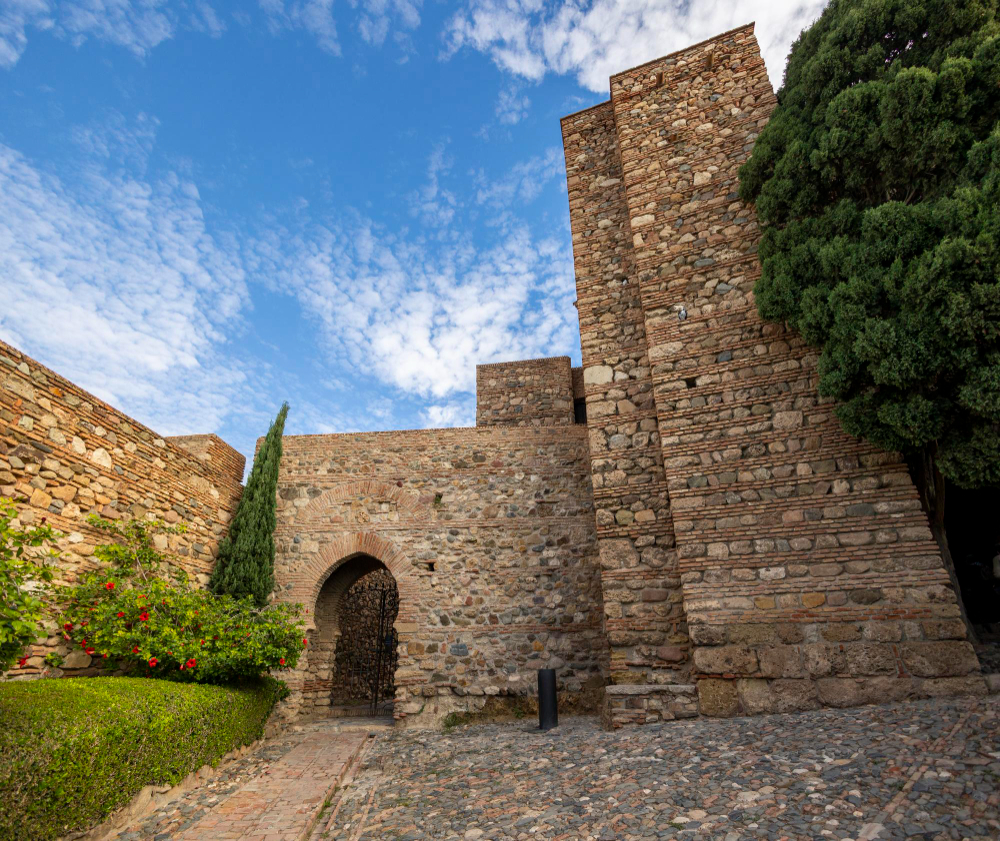
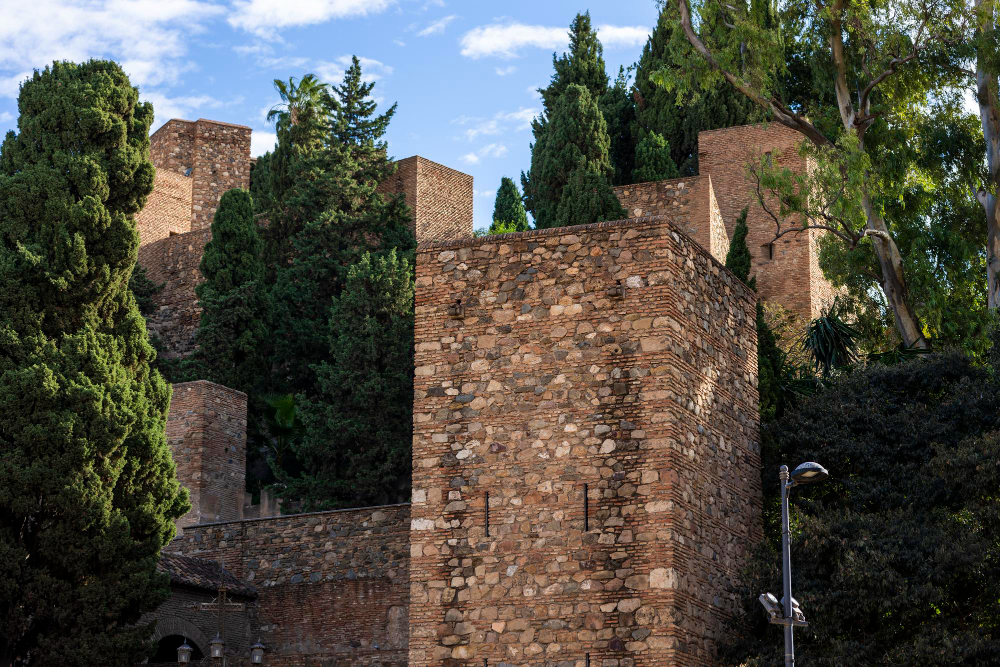
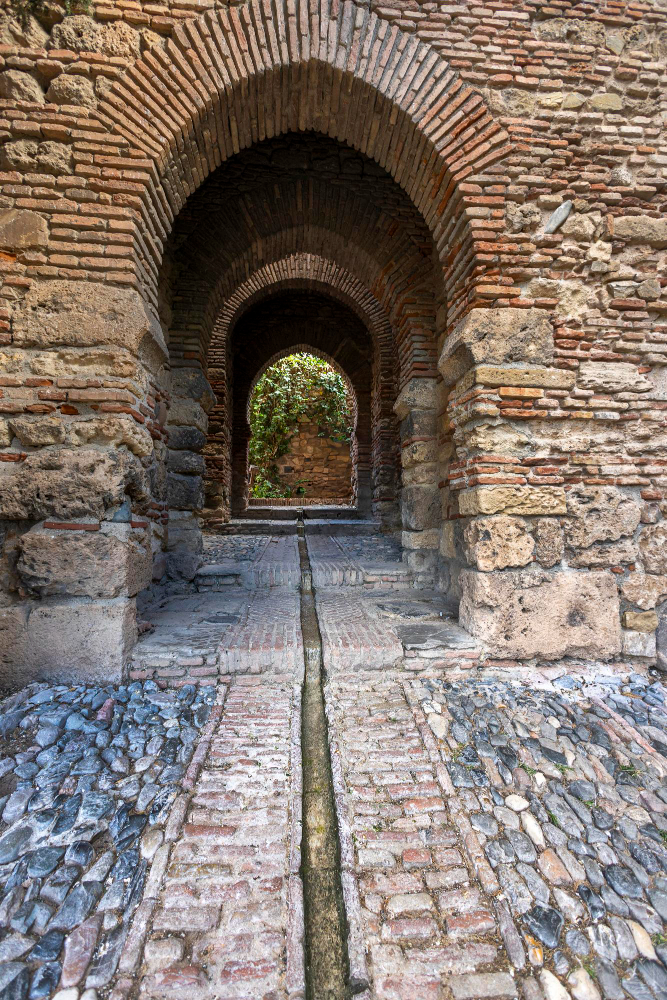
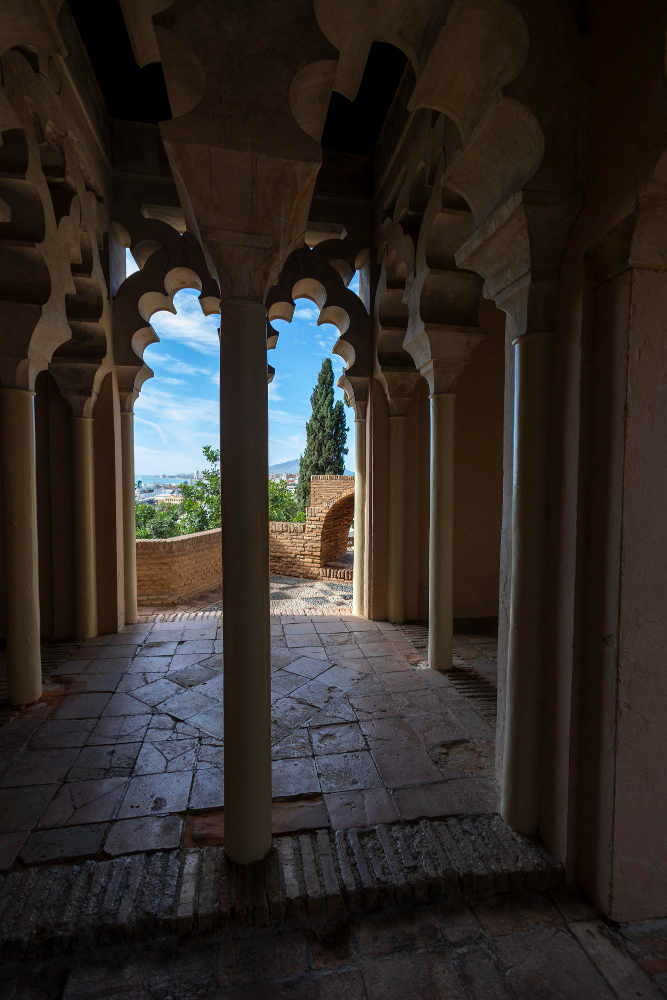
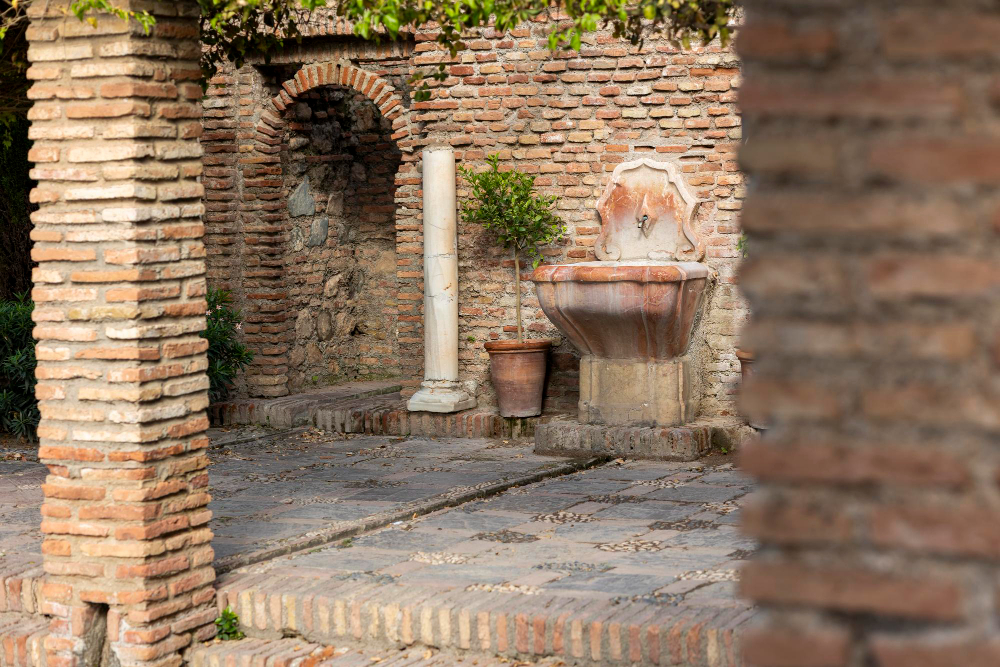
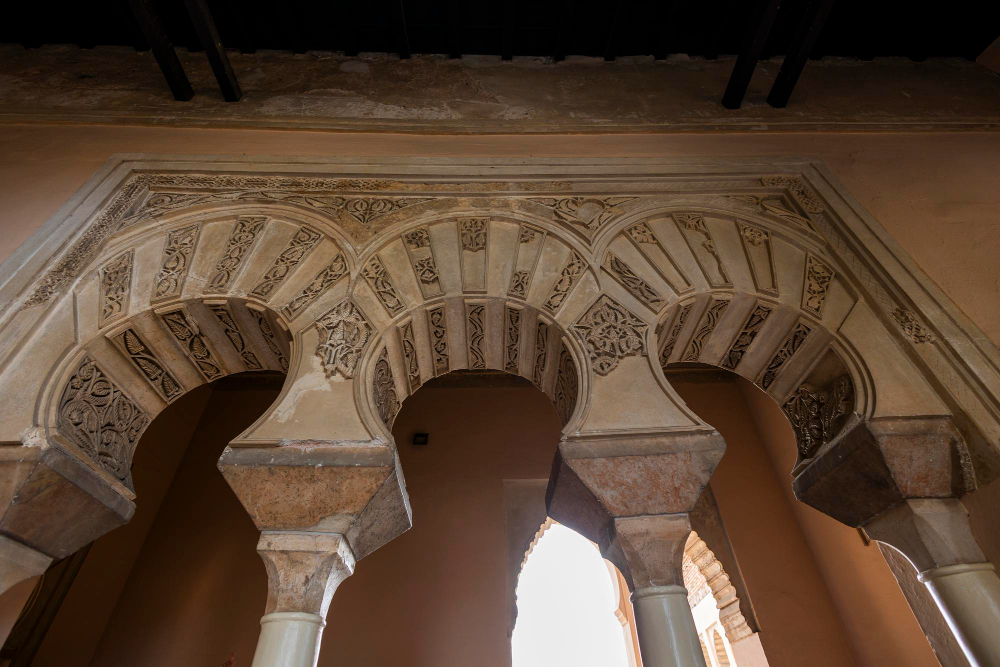
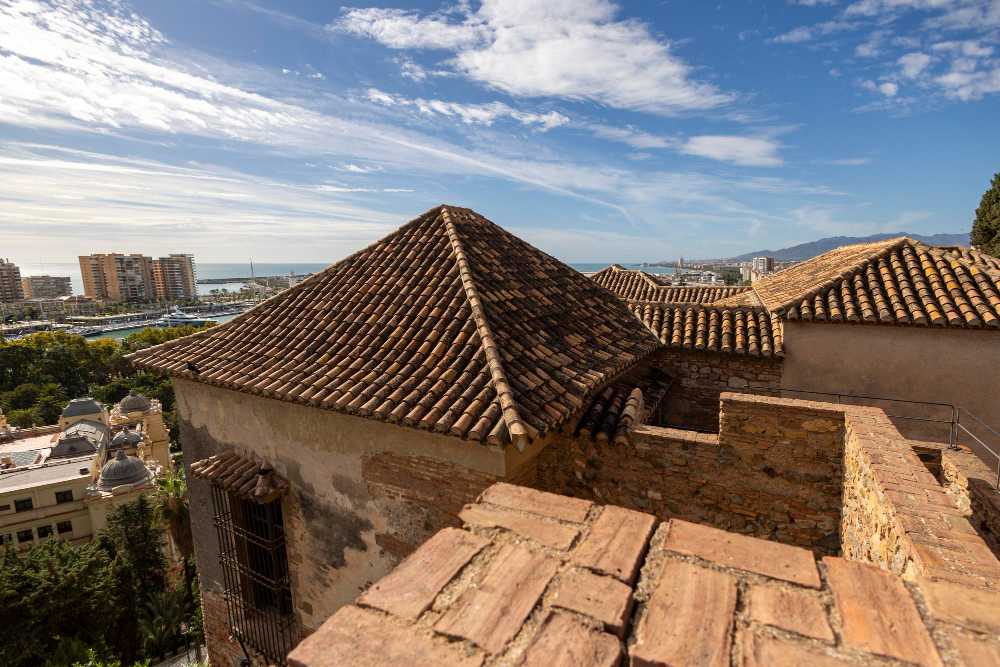
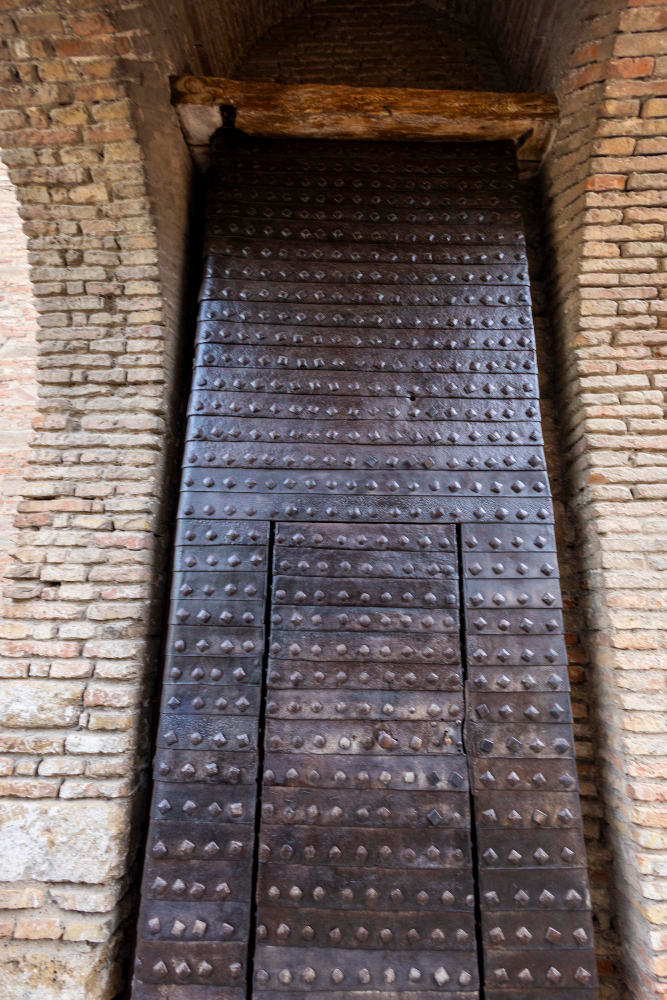
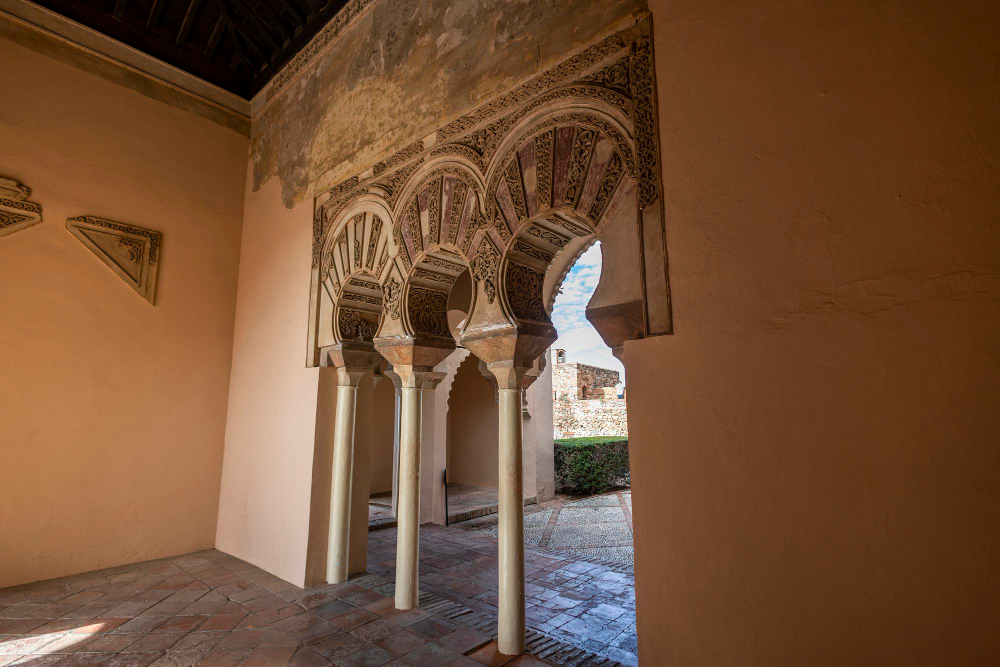
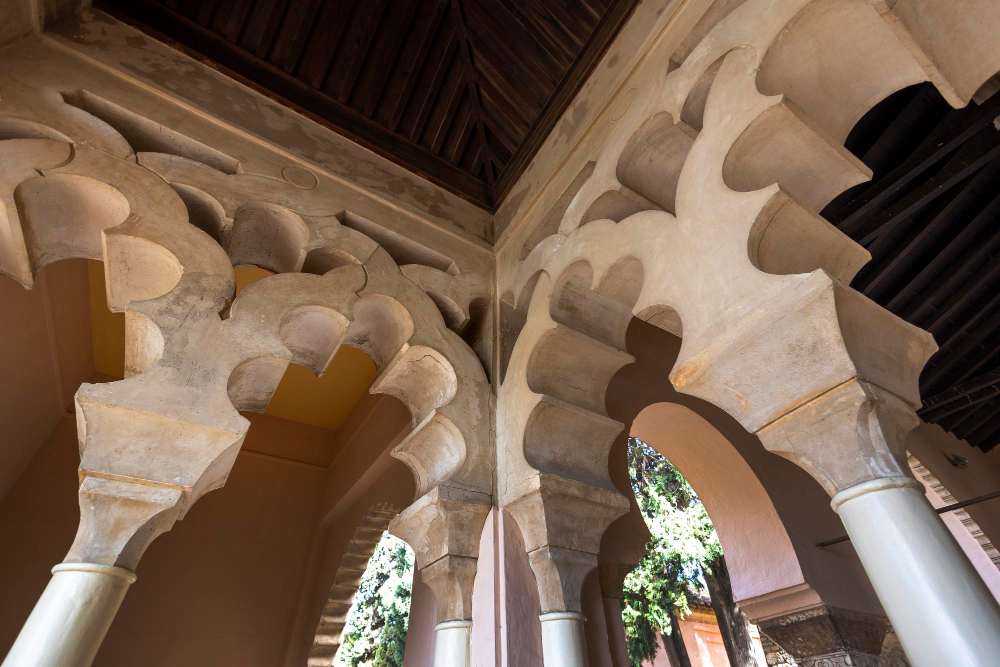
The Alcazaba of Málaga – The Historical Context – To fully understand the Tower of Wishes, one must first take a look at the entire complex of the Alcazaba. The Alcazaba was built by the Moors in the 11th century and served as both a military fortress and a residence for the rulers of Málaga. It towers majestically over the city and was a strategically important defensive stronghold on the Mediterranean. The architecture of the Alcazaba combines elements of Islamic art with military purpose: from thick defensive walls and ornate courtyards to the winding corridors and dark dungeons beneath the tower. These dungeons were particularly notorious for holding prisoners, who often suffered under cruel conditions. It is in this gloomy setting that the legend of the Tower of Wishes arises – a place that offered more hope than fear to many prisoners.
The Legend of the Tower of Wishes – Tradition has it that the prisoners of the Alcazaba, in their gloomy cells, dreamt of a special place – the so-called ‘Torre de los Deseos’. It was said that this tower was a secret chamber known only to a select few. There, an odalisque was said to await them: a lady-in-waiting to the Caliph, renowned for her extraordinary beauty and grace. In the myth, this mysterious woman grants every prisoner a wish – no matter how hidden or precious it may be. This notion gave the people in the dungeons a faint glimmer of hope. Perhaps, after long weeks, months or even years of imprisonment, this small miracle would be bestowed upon them. Yet their joy was always overshadowed by a bitter aftertaste. For, as the story goes, as soon as the wish was granted, the prisoner’s life was taken – a secret execution designed to preserve the mystery surrounding the odalisque and her connection to the Caliph for all time. Death was thus regarded as a form of deliverance, an end to suffering and, at the same time, a sign of loyalty to the ruling authority.
Symbolism and possible origins of the myth – The Tower of Wishes cannot be viewed merely as a historical structure. Rather, it symbolises the struggle between hope and despair, freedom and captivity, life and death. The idea that a beautiful woman appears amidst darkness and pain to offer one last comfort is a motif found in many cultures. Historians speculate that the legend may be based on actual practices in which prisoners were lured with false promises to reveal information or for other purposes. The odalisque as a metaphor could reflect the political intrigues of the Moorish court, but also the cruel machinations that took place behind closed doors. Interestingly, in popular belief the tower has become a mystical place. Today, some visitors believe that touching certain stones inside the tower grants wishes. This popular interpretation may have arisen from a mixture of fascination and superstition, yet it contributes to the lively atmosphere of the place.
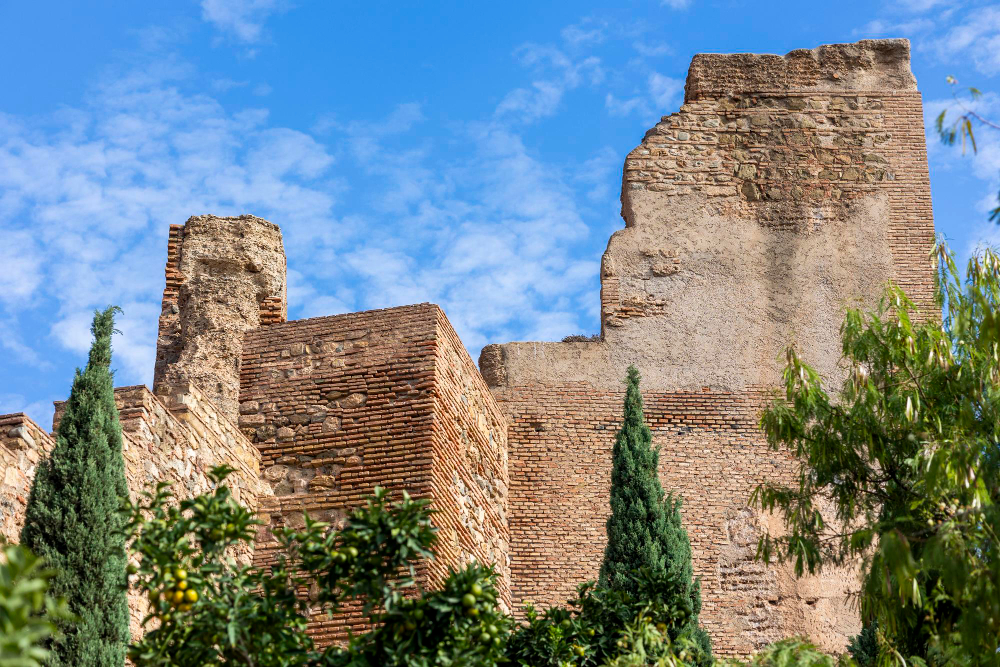
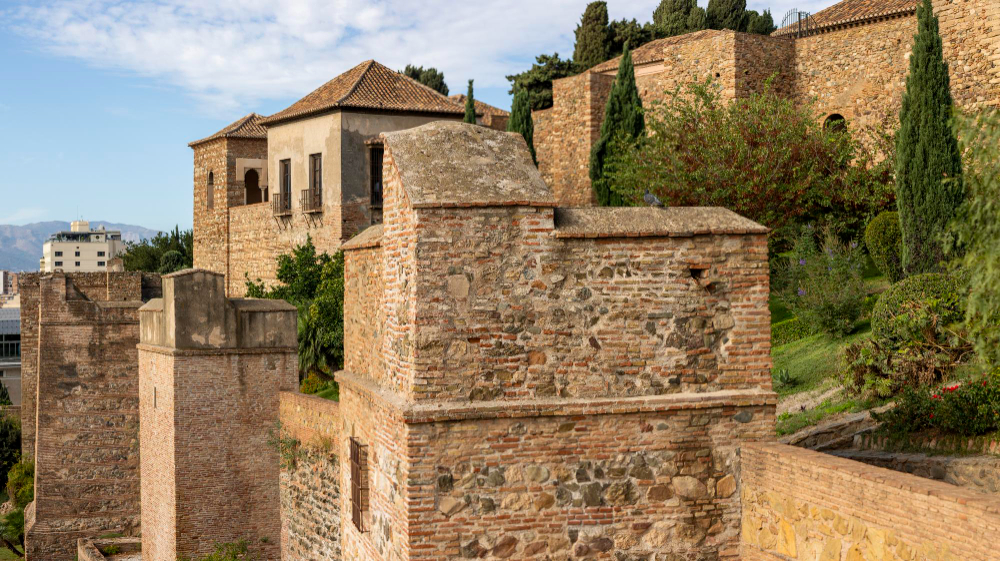
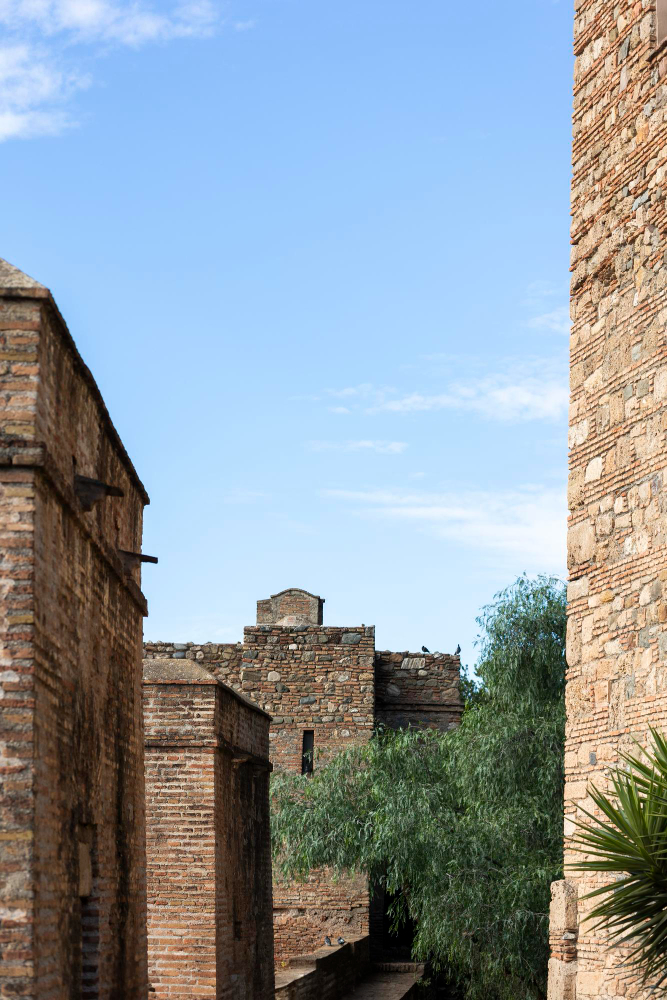
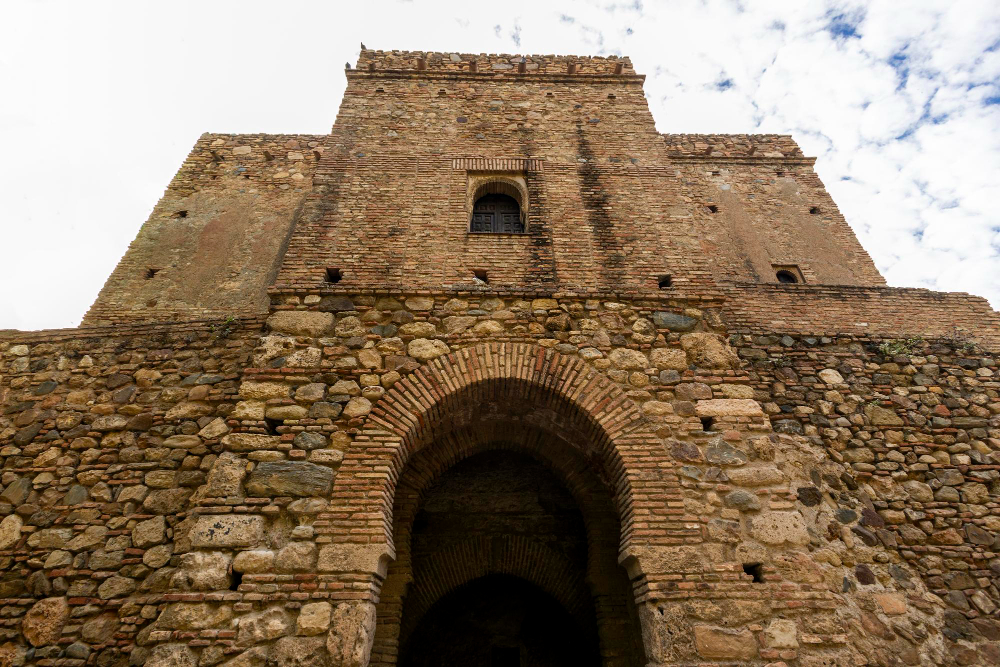
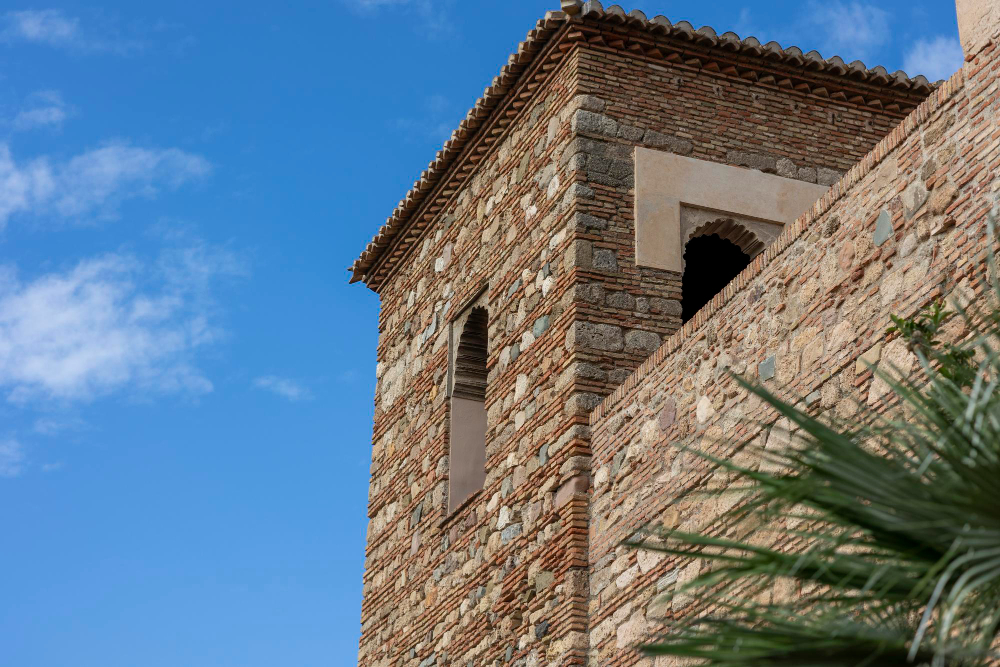
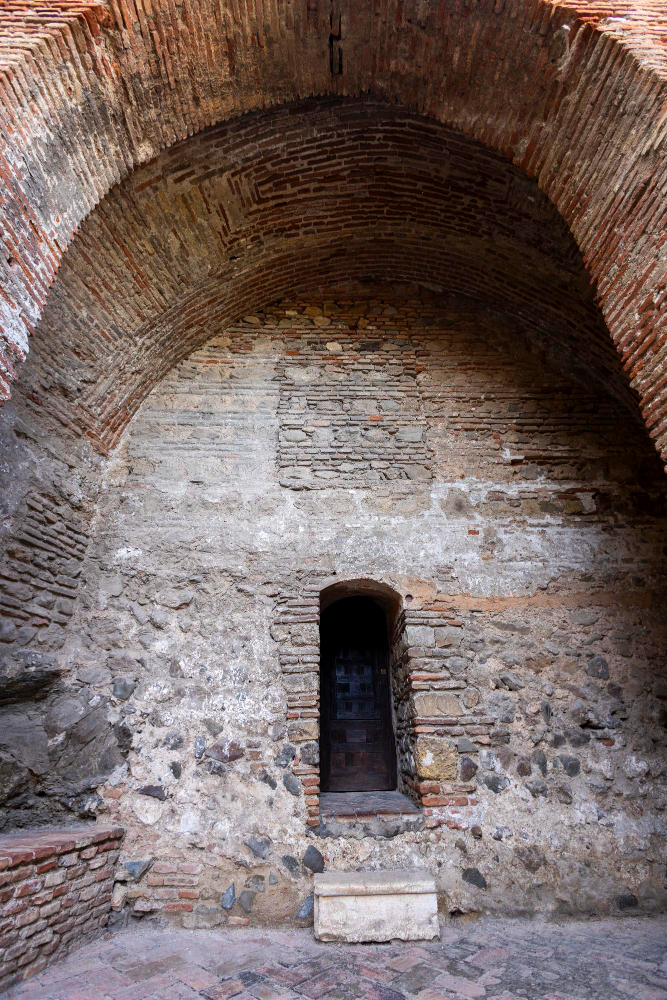
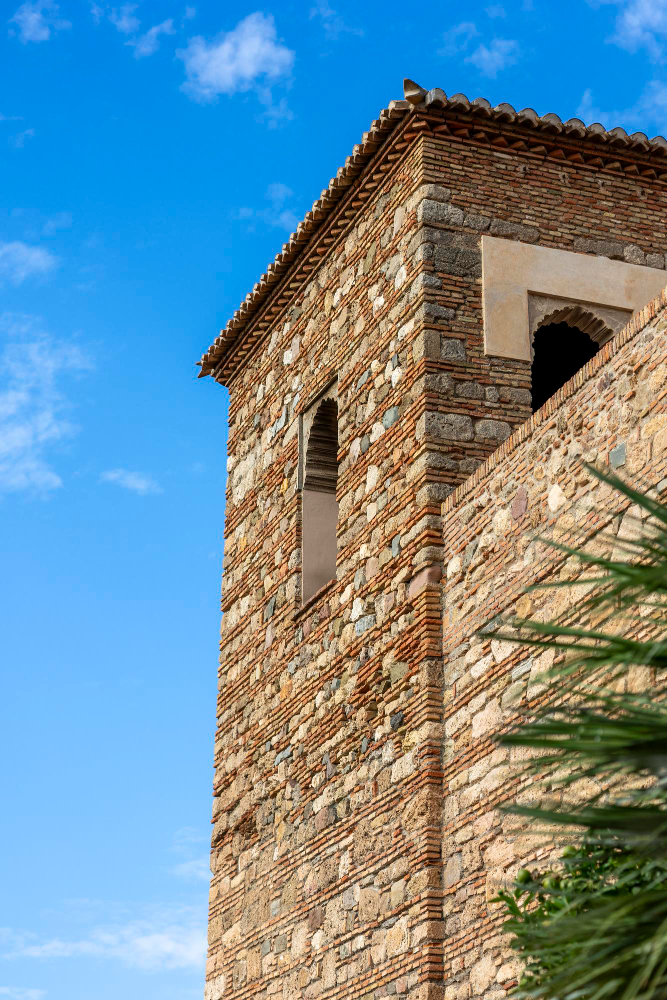
Architectural Features of the Tower – Structurally, the Tower of Wishes does not differ significantly from other defensive towers in the Alcazaba, yet its location and design possess distinctive features that enhance its mystical aura. The tower forms part of the outer fortifications, yet its interior rooms are unusually winding and partly darkened, which has fostered the emergence of legends. The tower’s stones are roughly hewn and still bear traces of erosion and centuries of history. Some of them feature indentations that visitors refer to as ‘wishing stones’ – stones that one is said to touch in order to make one’s deepest dream come true. There is no scientific evidence to support this, yet the tradition lives on, making the tower a popular destination for tourists and those on a quest.
The Tower Through the Ages – Whilst the Alcazaba gradually lost its military significance following the Reconquista in the 15th century and later fell into ruin, the Tower of Wishes remained in the collective memory of the people. Various chronicles and travel guides from the 19th and 20th centuries mention the tower, mostly in connection with legends about prisoners, wishes and mystical encounters. Modern research, including archaeological investigations and studies on the Moorish settlement of Málaga, has revealed little concrete information about the tower’s function, which continues to fuel its mythical aura. Thus, ‘La Torre de los Deseos’ remains a fascinating example of how history and legend can intertwine.
Its significance for Málaga’s cultural heritage – Today, the Alcazaba is one of the most important landmarks in Málaga and attracts countless visitors every year, who are enchanted by its magnificent architecture and eventful history. The Tower of Wishes symbolises the city’s multifaceted past – shaped by power struggles, cultural exchange, suffering and hope. Tourists often report that the atmosphere in the tower is quite special: a mixture of awe, curiosity and a touch of mysticism that is almost impossible to explain rationally. The combination of historical authenticity and mystical flair makes ‘La Torre de los Deseos’ a unique experience.
A place of longing, straddling history and myth – The Tower of Wishes is far more than just a part of Málaga’s Alcazaba. It is a symbol of human longings and fears, of the search for a glimmer of hope in the darkest of times. Its legend weaves together reality and myth in a way that still fascinates and moves us today. Whether there ever was an odalisque who granted real wishes, or whether the story served as a cautionary tale – one can only speculate. What is certain, however, is that the Tower of Wishes occupies a distinctive place as part of Málaga’s cultural heritage and invites visitors from all over the world to embark on a journey into the past and into the depths of human dreams.










Post Comment