The Legend of the Olive Tree of Guimarães: A Living Symbol of Portugal’s Birthplace
Nestled within the green countryside of northern Portugal, the city of Guimarães holds a place of profound historical and cultural significance. Often hailed as the ‘Berço da Nação’ – the cradle of the nation – this ancient city is not merely a geographical location, but a symbol at the very heart of Portuguese identity. In Guimarães, history and legend intertwine to form a multifaceted tapestry that tells tales of origins, faith and resilience. Among these narratives, none captures the imagination quite like the Legend of the Olive Tree (A Lenda da Oliveira), a story deeply rooted in local tradition and inextricably linked to the historic city centre.
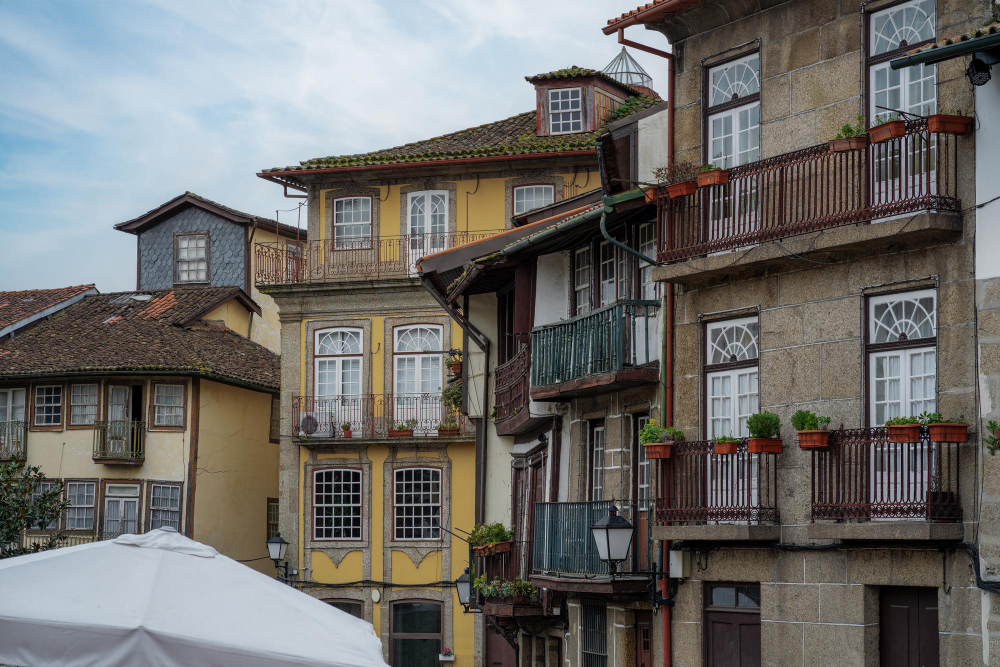
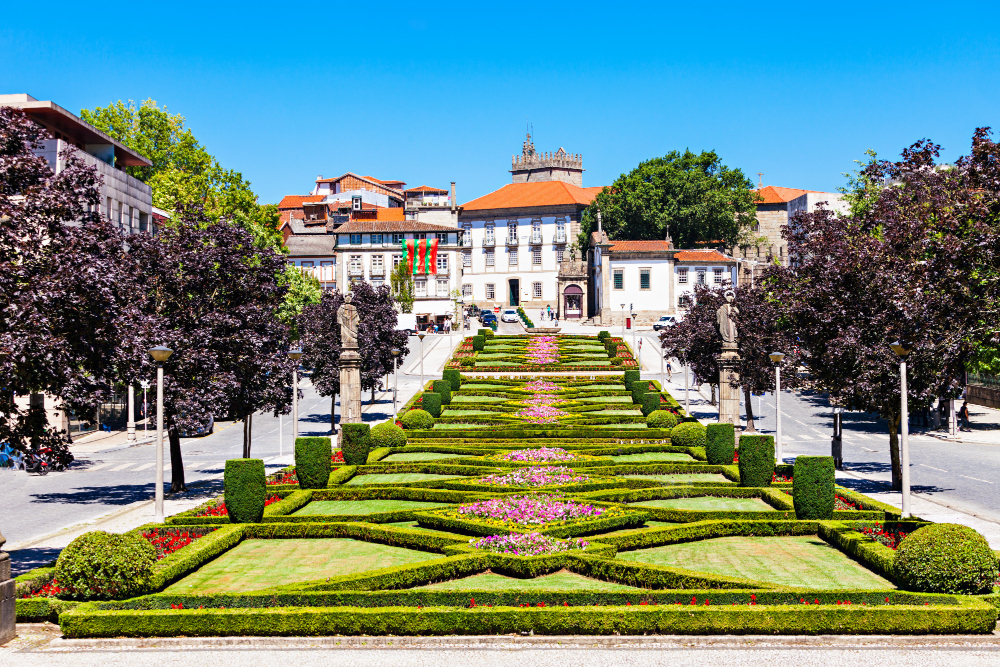
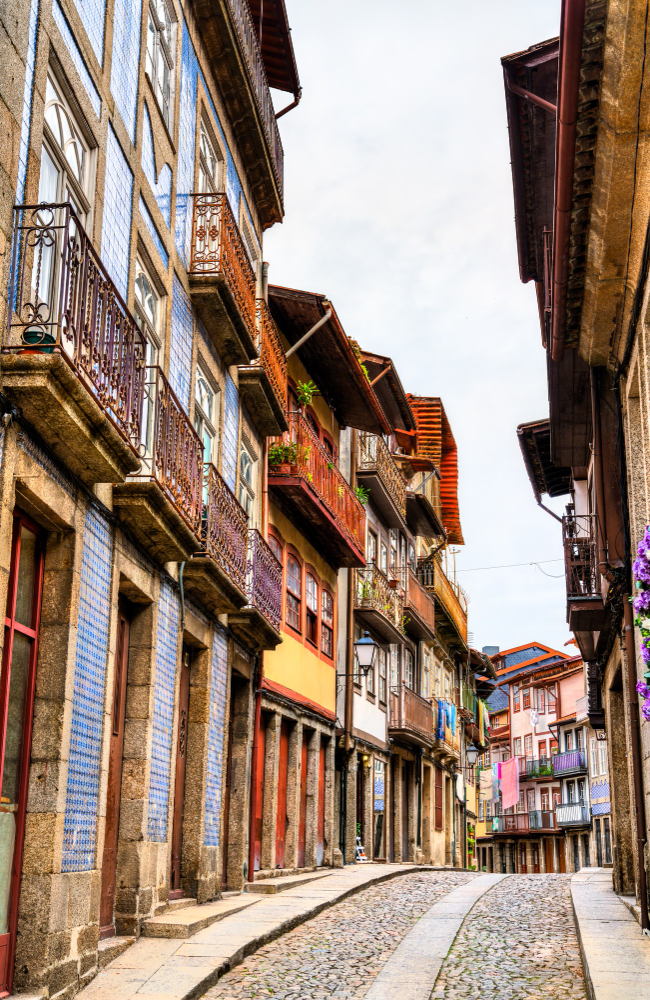
Guimarães: The Cradle of Portugal – As the birthplace of the Portuguese nation, Guimarães enjoys an almost mythical status. It was near this area that Afonso Henriques, Portugal’s first king, paved the way for independence from the Kingdom of León in the 12th century. This historic milestone elevated Guimarães from a mere medieval town to the symbolic heart of a new nation. The medieval neighbourhoods, characterised by cobbled streets, fortified walls and Gothic architecture, provide a tangible link to this decisive era. Yet alongside the documented events, Guimarães also thrives on its legends – stories passed down through generations that enrich its cultural heritage and offer insights into the beliefs and values of its inhabitants. At the centre of this is the tale surrounding the Largo da Oliveira, an enchanting square whose very name reflects the enduring power of the olive tree as a symbol.
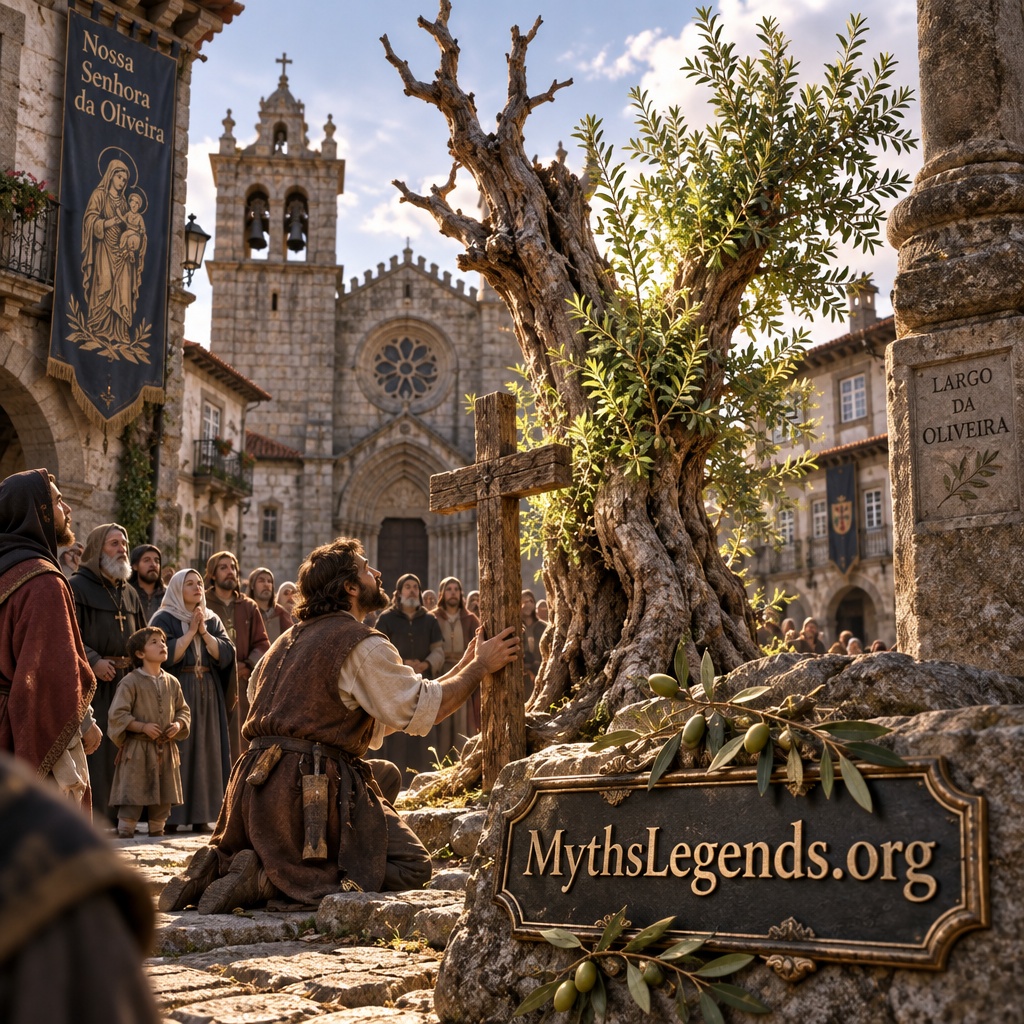
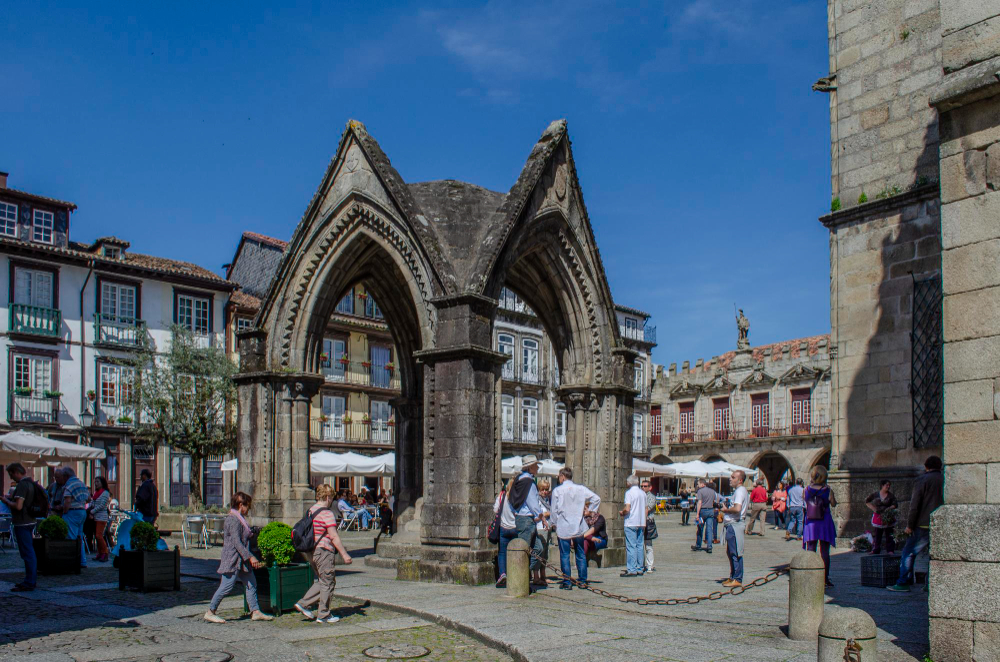
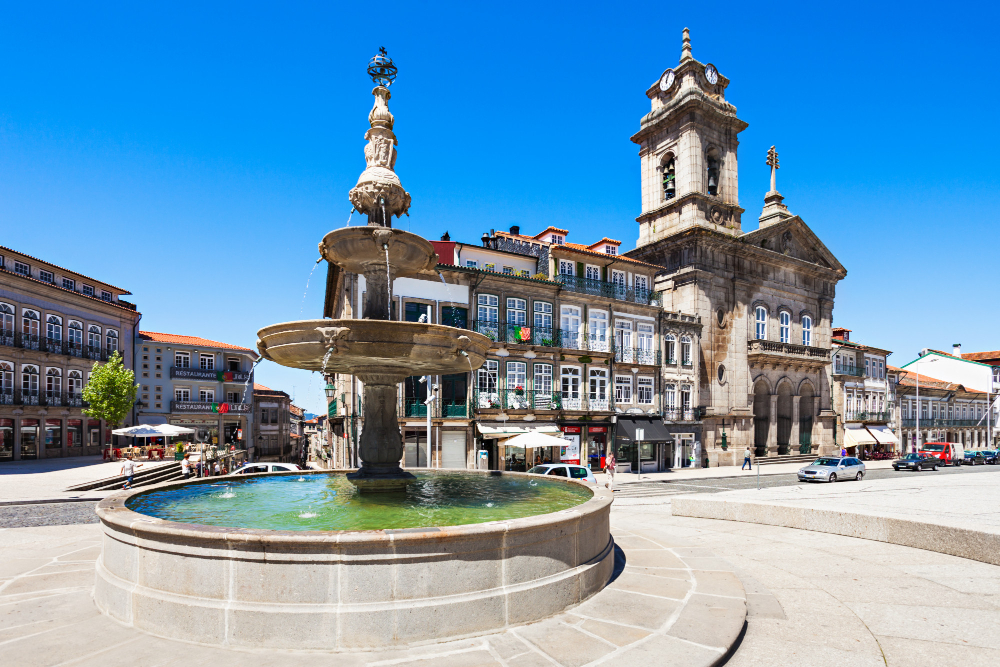
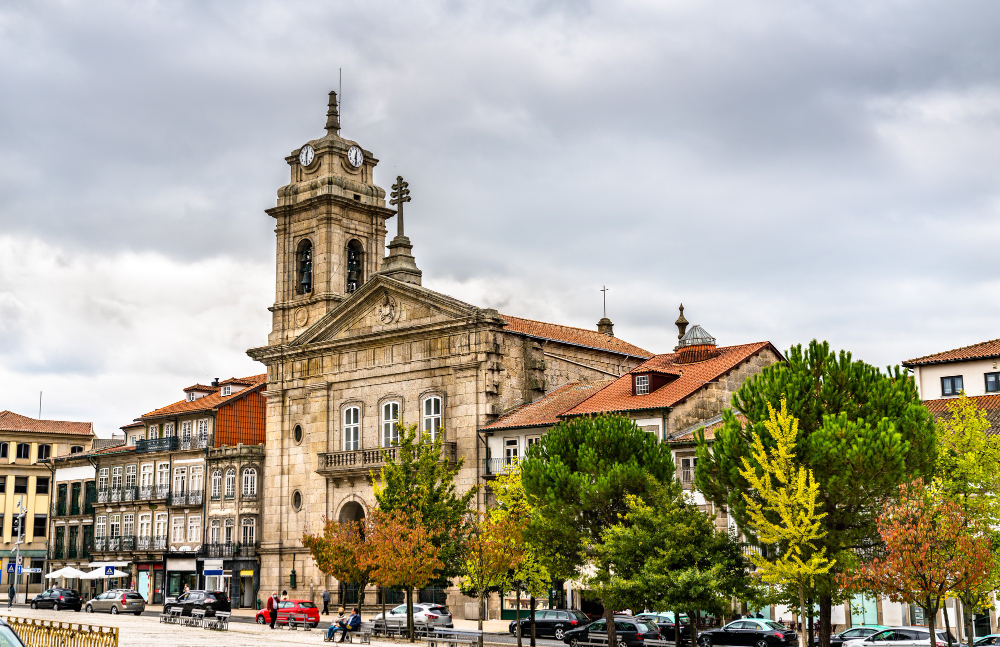
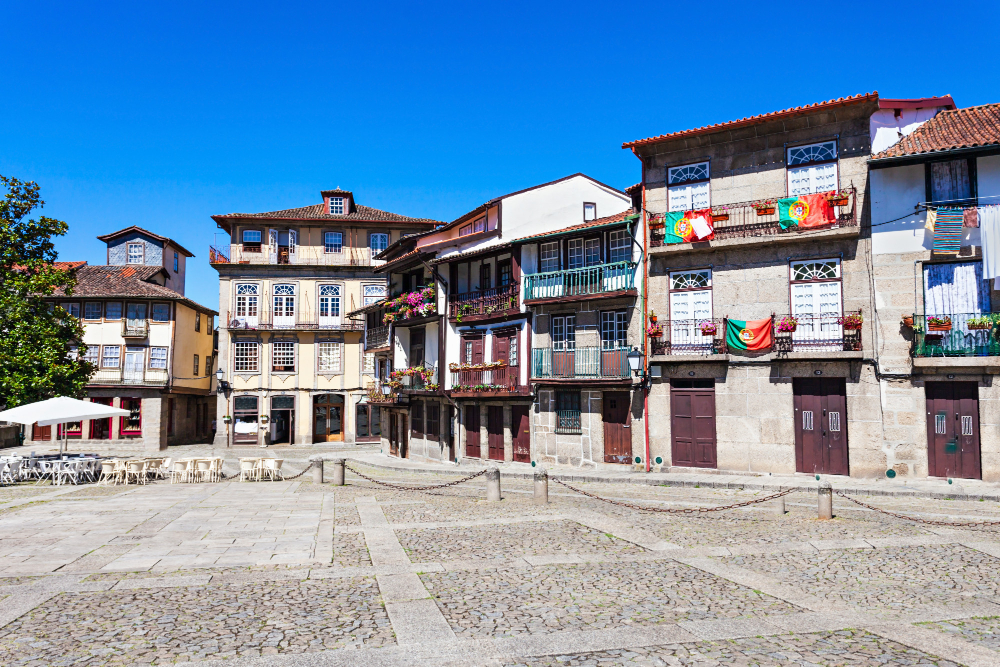
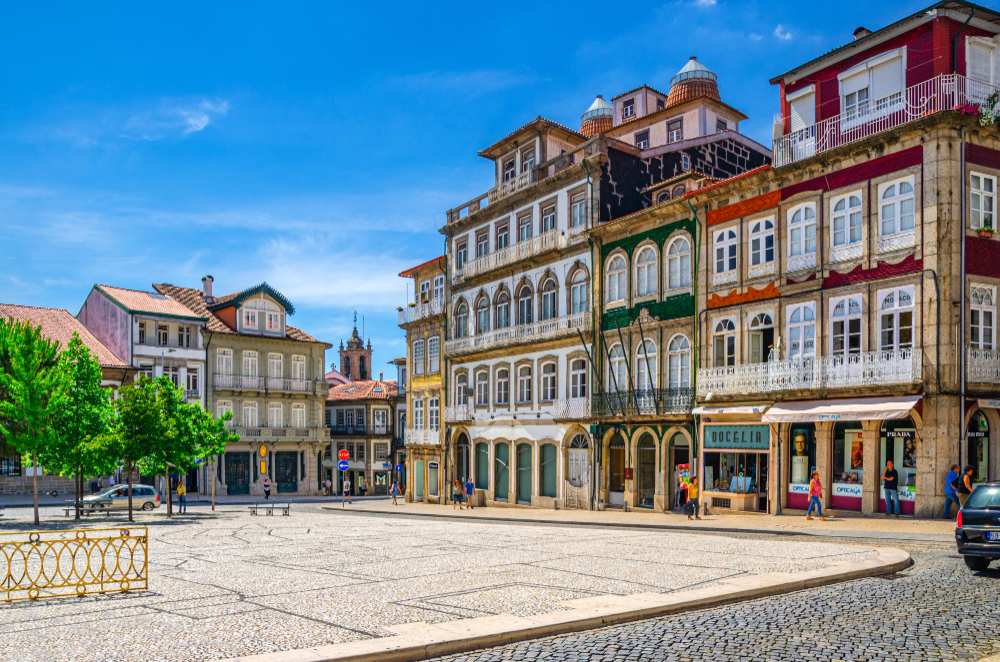
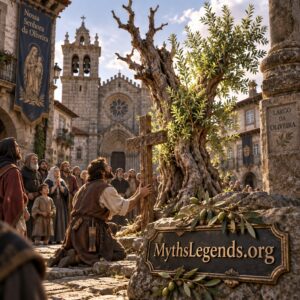
The Legend of the Olive Tree – In the heart of the old town lies the Largo da Oliveira, the ‘Olive Square’, named after an olive tree which, according to tradition, once stood there. This place is more than just a picturesque landmark; it bears witness to a legend steeped in faith and miraculous signs. The story begins centuries ago, when an olive tree was planted on this very spot – for a very practical reason: to provide oil for the lamps in the neighbouring church of ‘Nossa Senhora da Oliveira’ (St Mary of the Olive Tree). This church itself stands as a testament to the religious devotion of the townspeople; it combines Romanesque and Gothic stylistic elements and serves as a spiritual anchor in Guimarães. Over time, however, the olive tree withered and died; its lifeless branches stood in stark contrast to the vibrant life of the town surrounding it. According to legend, in 1342 a devout craftsman or merchant – historical accounts vary – placed a wooden cross directly in front of the withered trunk in an act of faith and hope. As if by a miracle, and to the amazement of those present, the once-dead olive tree began to sprout anew. Green leaves unfurled where previously there had been only bare wood, breathing new life into the tree – and, symbolically, into the square and the city itself. This phenomenon was interpreted by the faithful as a divine sign, underlining the sacred character of the place and strengthening the spiritual connection between the people and their land.
Symbolism and Significance – The revival of the olive tree is regarded as a powerful metaphor for resurrection, hope and endurance. In Christian symbolism, the olive branch represents peace and blessing – a motif that is ubiquitous throughout religious art and the sacred scriptures. For Guimarães, the revived olive tree symbolises the city’s resilience in difficult times and its central role in the emergence of Portugal as a nation. Beyond its religious implications, the legend also speaks to a broader cultural identity. Olive trees symbolise Mediterranean heritage, resilience and longevity, as they thrive even in harsh climates and on barren soil. The fact that this particular tree was associated with light (through the oil used in lamps) adds a further symbolic layer – a connection between enlightenment, divine guidance and protection.
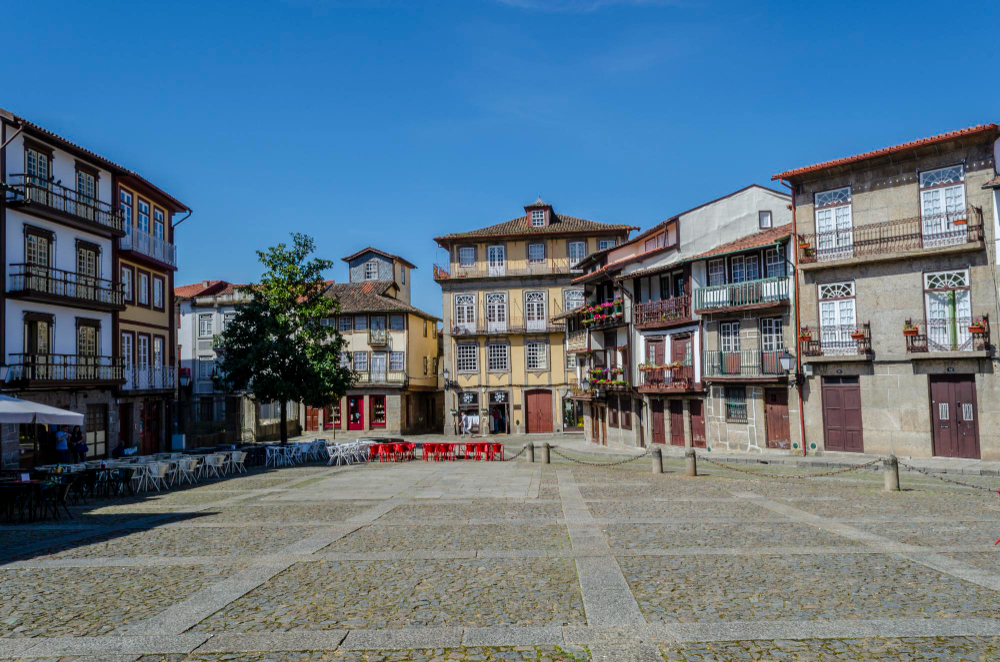
The modern olive tree – As a tribute to the legend, a new olive tree was planted in 1985 at Largo da Oliveira, on the very spot where the miraculous revival is said to have taken place. This living tree now adorns the square as a reminder of the city’s enduring heritage. It invites locals and visitors alike to reflect on the deep roots of Portuguese history and the power of faith and tradition that have inspired communities for centuries. Today, the olive tree is surrounded by charming cafés, medieval buildings and the vibrant life of a modern city, creating a vivid contrast between past and present. It stands as a testament to how legends shape identity – not as mere fantasy, but as pillars that underpin collective memory and pride.
The wider historical context – To fully appreciate the significance of the legend of the olive tree, it is helpful to understand the wider historical and cultural context of Guimarães. The city was a key setting during the early formation of Portugal in the 12th century, particularly during the battles under Afonso Henriques, who proclaimed himself King of Portugal in 1139 following the Battle of São Mamede near Guimarães. The ‘Igreja de Nossa Senhora da Oliveira’ itself dates from the 13th century and was built on the site of an earlier religious sanctuary. The church’s name and the presence of the olive tree reflect the fusion of Christian and local traditions. The veneration of olive trees throughout Iberian culture dates back to pre-Christian times and has its roots in the Roman era and even earlier, when olives were of fundamental importance to agriculture, nutrition and the economy.
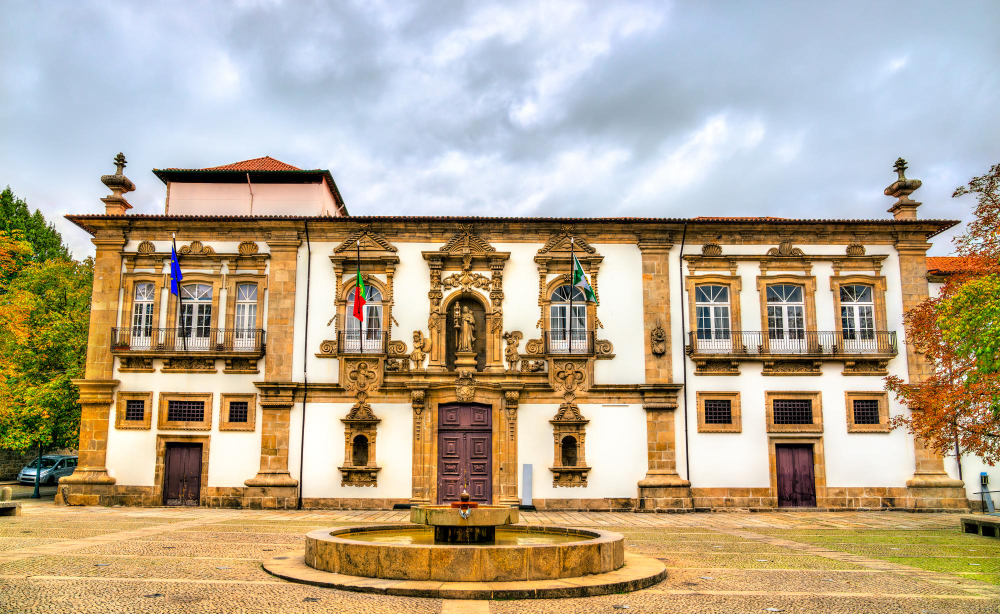
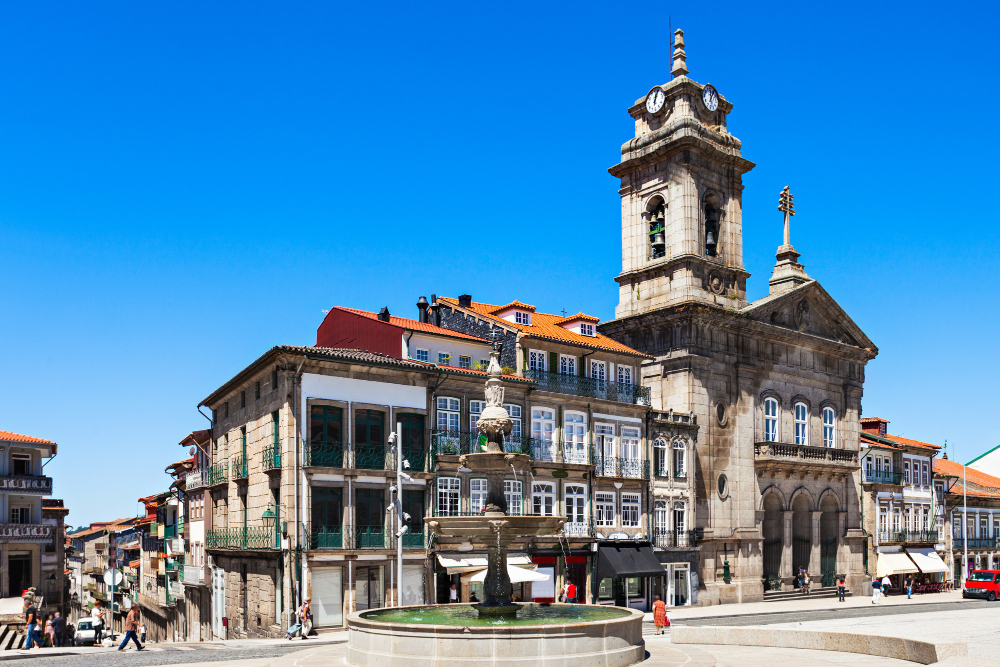
Cultural Heritage and Tourism in Guimarães – Today, Guimarães is recognised as a UNESCO World Heritage Site and is valued for the preservation of the urban fabric and architectural integrity of a medieval town. Its cultural heritage – including historic monuments, museums and festivals – attracts thousands of visitors eager to discover the stories that have shaped Portugal. The legend of the olive tree enhances this appeal and provides a unique, symbolic narrative that complements the historical records. It illustrates how folklore can coexist with documented history to enrich our understanding of and emotional connection to a place.
Comparative Legends and Further Reading – Legends surrounding olive trees are not unique to Guimarães, but feature across all Mediterranean cultures. For example, the olive tree is famously associated with the founding of Athens, where Athena gifted the city an olive tree symbolising peace and prosperity. Such parallels underscore the tree’s widespread symbolic significance.
A living legend, rooted in history – The legend of the olive tree in Guimarães is far more than just a quaint folk tale. It embodies the essence of the city’s spiritual and national identity, linking the sacred with the secular. This living symbol in the Largo da Oliveira invites reflection on themes such as faith, rebirth and continuity – values deeply rooted in Portuguese culture. Whilst modern Guimarães continues to flourish, the olive tree stands as a timeless reminder that history is not only recorded in books and stone, but is also preserved in the collective memory and in the hearts of its people. The legend lives on, inviting each new generation to find inspiration in the wonder of renewal and in the roots of their nation’s origins.








Post Comment