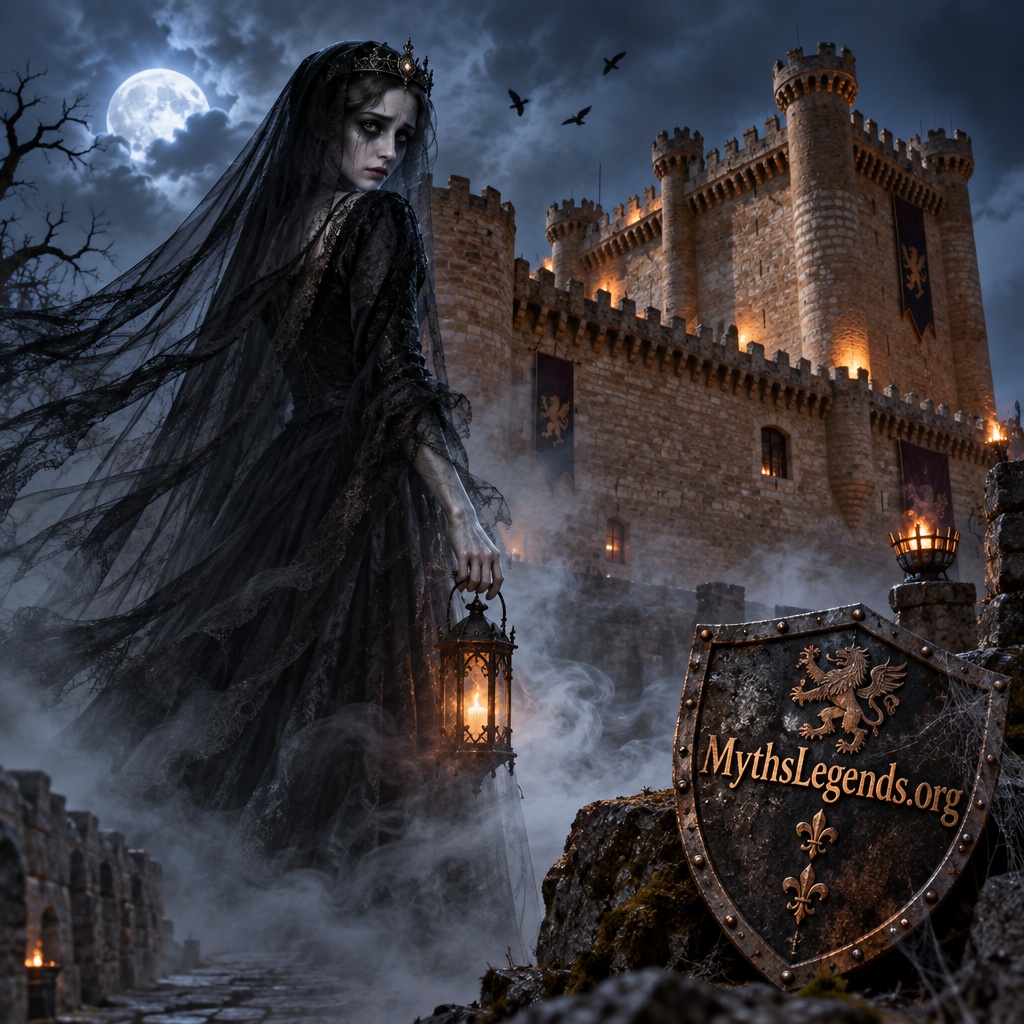
The Veiled Lady of Fuensaldaña: Ghostly Shadows of a Medieval Tragedy
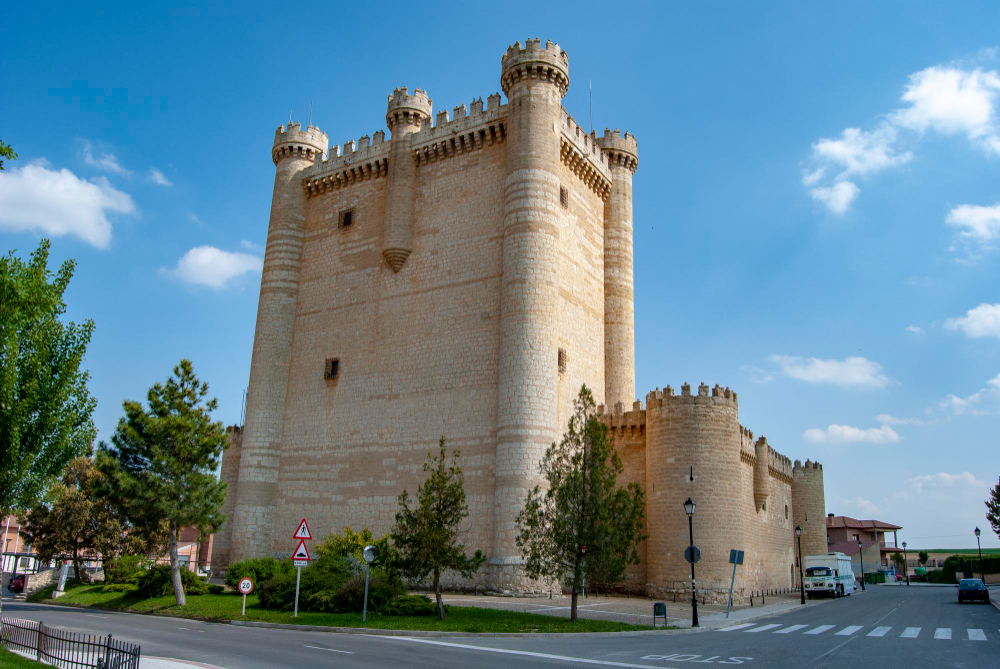
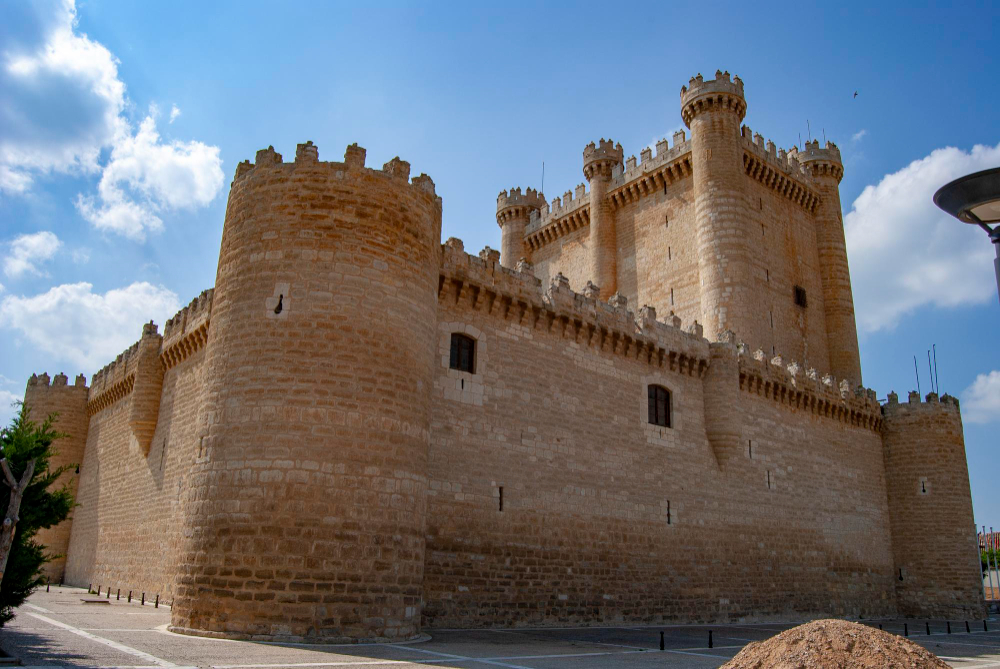
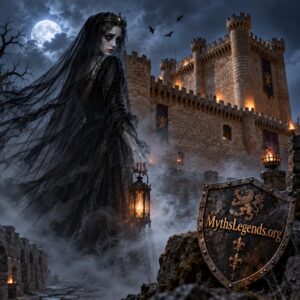
The medieval castle of Fuensaldaña, majestically perched in the province of Valladolid in Spain, is not merely an impressive example of 15th-century Castilian architecture. Dark legends surround its venerable walls, centring on a mysterious ghost: the so-called ‘Veiled Lady of Fuensaldaña’. For centuries, visitors, guards and historians have reported inexplicable apparitions and eerie encounters in the vicinity of the mighty keep, the Torre del Homenaje, the fortress’s main tower. But who was this enigmatic woman? And what lies hidden behind the veils of terror that hang over the castle’s walls?
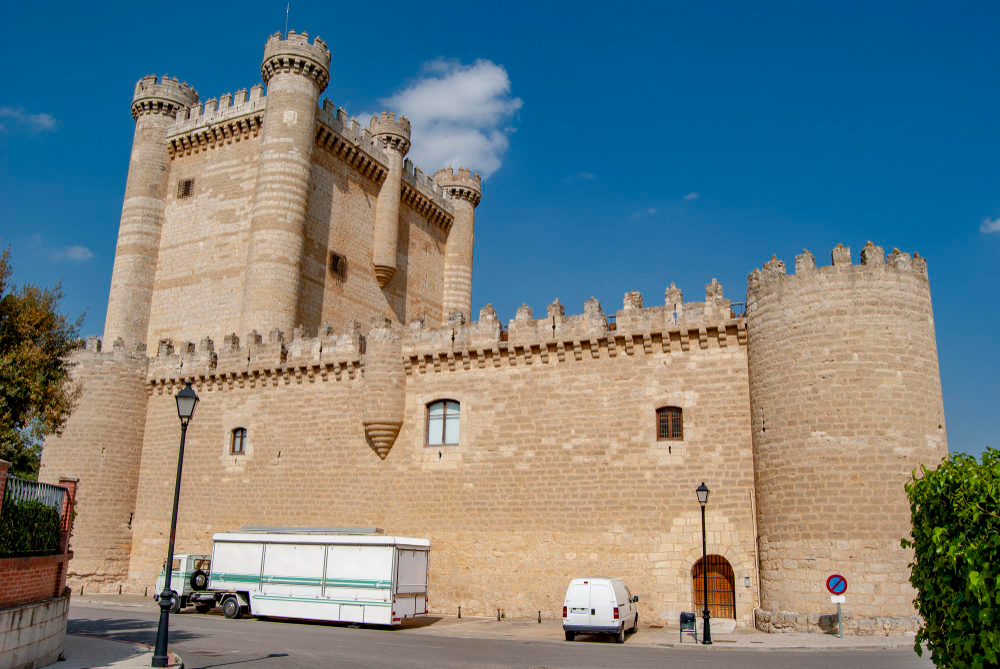
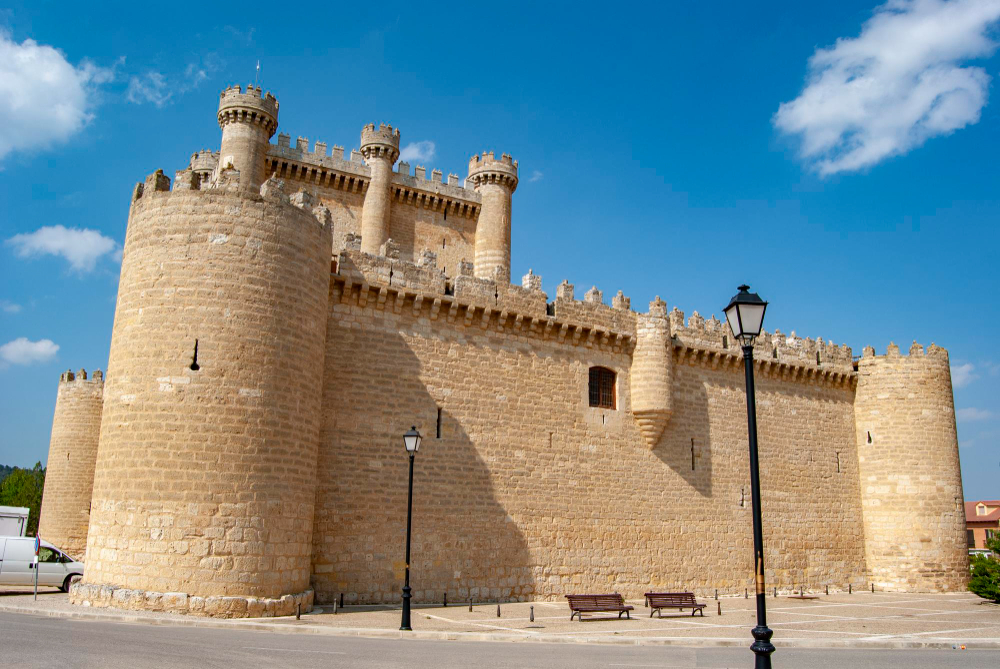
Historical Background: Fuensaldaña Castle and its Nobility – Construction of Fuensaldaña Castle began in 1453 on a strategically important hill, and it served as both a military fortress and a noble residence. The castle consists of a rectangular complex with four towers, the central keep rising to an imposing height of 34 metres. In the Middle Ages, the castle was a significant defensive structure, whilst also serving as the scene of political power struggles and family intrigues. Many noble families – including the powerful Dukes of Medina de Rioseco – resided at the estate and shaped its history. Amidst this political turmoil, the tragic story of Lady Elvira – known today as the ‘Veiled Lady’ – unfolded. Contemporary documents and chronicles attest to the presence in the castle of a noblewoman named Elvira, whose life was marked by passion, betrayal and deep sorrow. Her story is closely intertwined with the courtly power struggles of that era.
The Legend of Lady Elvira: Love, Betrayal and an Eternal Wait – Lady Elvira lived in the late 15th century, a time when political alliances were often sealed through marriage and the fate of individuals was inextricably linked to questions of power. Having fallen in love with a young knight who was, however, banished from the castle due to intrigues and broken vows, Elvira entered a long period of torment and hope. Despite many promises, her beloved never returned. According to oral tradition, Elvira is said to have remained in the castle until her death, always dressed in a black gown and the veil that gives the castle its name – a symbol of her mourning and her never-ending wait. Some accounts suggest that she withdrew into herself and never left the castle, with no hope of rescue or redemption. Her tragic fate turned her into a legend – a legend whose shadow still hovers over the stone walls to this day.
The Apparitions: Veils, Cold Wafts of Mist and Inexplicable Noises – For centuries, witnesses have spoken of bewitching yet terrifying visions at the castle’s keep. Guards who patrolled there at night report seeing a shadowy figure, shrouded in a black or white veil, gliding silently through the halls. Sometimes, an icy gust of wind is said to sweep through the corridors, accompanied by soft sobs or a muffled wail with no apparent source. Visitors and tourists taking part in guided night-time ghost tours regularly describe the sensation of being watched by an invisible observer – a presence that is perceived as both sorrowful and ominous. Some even claim that the veiled woman has attempted to communicate with them by slowly opening doors or moving objects. Modern paranormal investigations have detected elevated electromagnetic fields and sudden temperature fluctuations in the rooms around the Torre del Homenaje – phenomena frequently associated with so-called ‘poltergeist’ activity. Although not scientifically provable, such measurements reinforce the myth surrounding the Veiled Lady.
Interpretations and Origins of the Legend – Historians view the legend of Lady Elvira less as a mere ghost story and more as a reflection of the real fears and social constraints of the Middle Ages. The veil can be understood as a symbol of mourning, but also of the social invisibility of women in that era. Elvira’s isolation in the castle illustrates the harsh lives of noblewomen, who were often at the mercy of the whims of male family members and political power struggles. Furthermore, Fuensaldaña Castle is representative of many medieval fortresses where similar stories circulate – tales of lost love, betrayal and restless spirits. These narratives form part of a rich cultural heritage that continues to fascinate and send shivers down the spine to this day.
A ghost that transcends time – The legend of the veiled lady of Fuensaldaña is far more than a mere ghost story. It intertwines historical facts with human destinies, with emotions such as love, loss and despair. The ghost of Lady Elvira is thus an expression of a medieval world characterised by both hardship and profound sorrow. For today’s visitors, the castle offers not only a journey back through the centuries, but also a touch of mystery and eeriness. Those brave enough can keep an eye out for this famous figure at the Fuensaldaña keep itself – perhaps her veil will flutter in the wind, whilst the shadows of history come to life and the past whispers its secrets.






Post Comment