The Mysterious Castle Well of Teruel: Myths, History and Hidden Legends
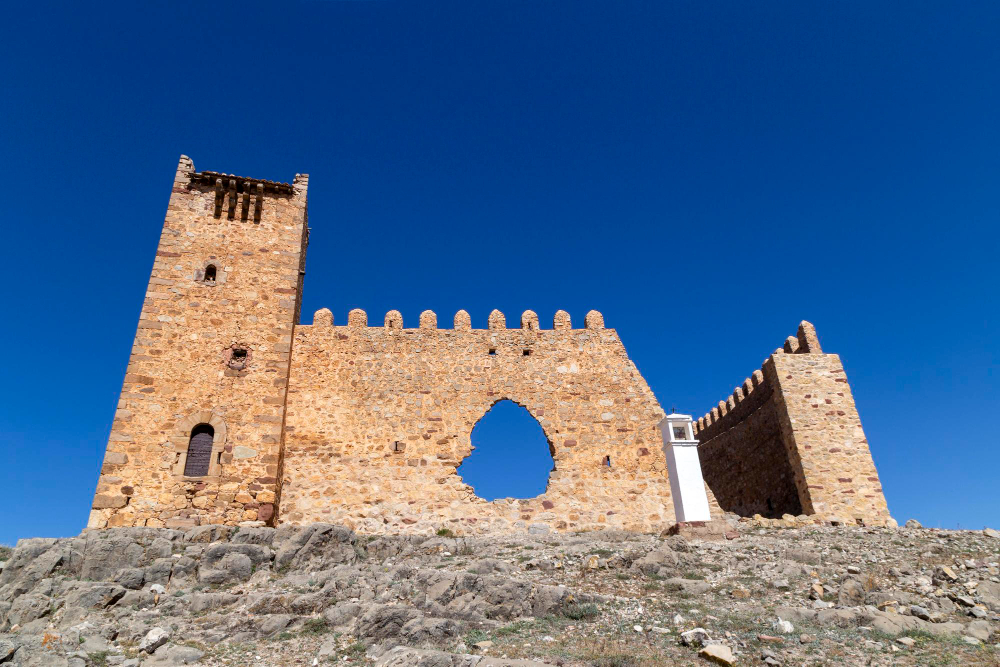
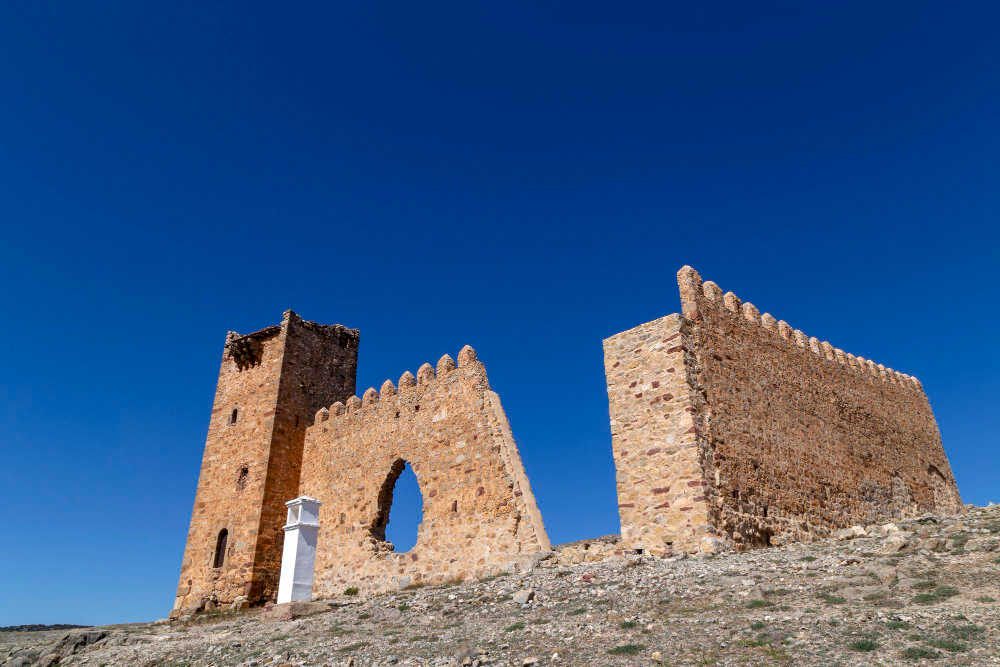
Today, the ruins of an ancient border fortress in the province of Teruel stand as silent witnesses to times long past. Once upon a time, this castle was not only a military stronghold but also the setting for countless stories and legends centred on one very special place: the well. Although this former water reservoir has been buried over the centuries and is now barely visible, its legend lives on – a myth that describes far more than just a simple cistern. In this article, we take you on a fascinating journey through facts, traditions and local tales to get to the bottom of the well’s mystery.
The importance of wells in medieval castles – Wells were of crucial importance in medieval castles. They ensured a vital water supply, particularly during sieges when access to external water sources was cut off. Whoever controlled the water held a position of great power. For this reason, wells were often given special protection and were sometimes even combined with secret escape routes or hidden passages.
Teruel Castle was no exception in this regard. Its location in a border region made it a strategically important defensive stronghold against Moorish and, later, Christian attacks. A contaminated or dried-up well could have quickly led to the fortress’s surrender. This explains the special attention paid to the water reservoir.
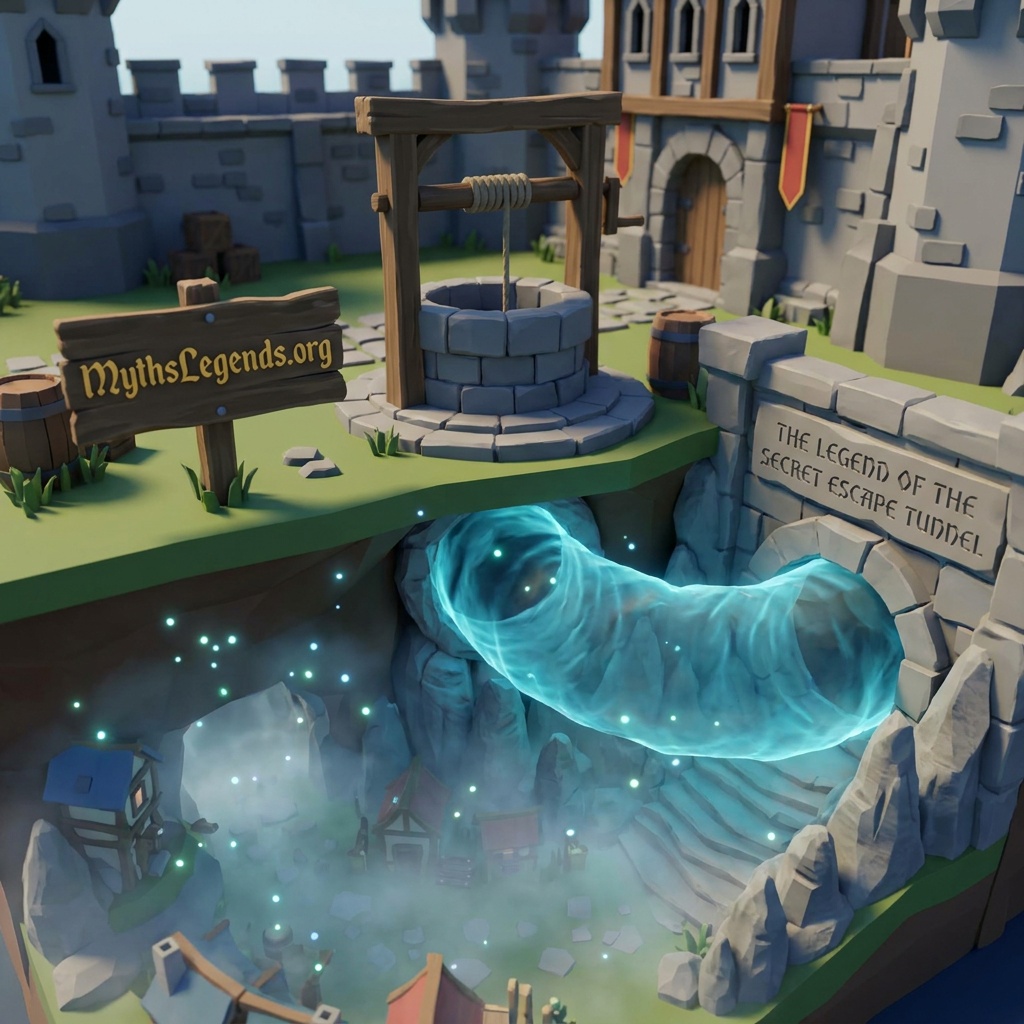
The Legend of the Secret Escape Tunnel – One of the best-known local legends tells of a tunnel hewn into the rock, said to lie at the bottom of the well. This secret passage was intended to allow the defenders to fetch fresh spring water from the valley unnoticed or to provide an escape route in an emergency. Such legends are by no means unique to Teruel; similar stories exist surrounding many medieval border castles in Spain. The legend tells that the tunnel led deep downhill into the valley, hidden from enemy view, and would thus have been a life-saving advantage. However, there is as yet no archaeological evidence that could confirm the existence of this underground passage beyond doubt. Nevertheless, the stories persist – a sign of just how deeply the myth has shaped the region’s collective memory.
The actual water reservoir: a rainwater cistern – According to archaeological investigations at the castle and historical records, the so-called ‘well’ was in fact a rainwater cistern. This enclosed, often vaulted cistern collected rainwater, which was channelled from the castle’s roof via special channels and gutters. Particularly in arid regions such as Aragon, this was a tried-and-tested method of ensuring a water supply when natural springs were far away or not directly accessible. The construction of such cisterns followed strict engineering principles to minimise water loss through evaporation and prevent contamination. The walls were usually sealed with a special layer of lime, which kept the water fresh. This highly effective system made a castle self-sufficient and resilient against prolonged sieges.
The cultural significance of the legend – Regardless of its historical accuracy, the legend of the secret well reflects an important part of the region’s cultural identity. Myths and folklore often serve as vessels for collective memory and convey a sense of cohesion and attachment to one’s homeland. The well thus becomes a symbol of resilience and cunning – values that were associated with the castle during times of frequent armed conflict. The people preserved these stories orally across generations, thereby keeping the myth alive. Furthermore, the idea of a hidden tunnel is mysterious and exciting, which continues to heighten interest in the castle ruins to this day.
Similar legends in Spain and Europe – The myth of secret passages, escape tunnels and magical wells is widespread across many European cultures. Numerous castle ruins, for example in Castile, Navarre and Catalonia, are said to feature similar underground passages that facilitated either escape or covert supplies. These are often pragmatic escape routes or supply channels, the actual existence of which has become intertwined with imaginative embellishments in folklore. In Germany, for example, there are reports of secret escape routes at Wartburg Castle near Eisenach, whilst many castles in France also possess such underground passages. Generally speaking, it is evident that medieval defences were often more complex than they appear at first glance.
Current State of Research and Future Prospects – Modern techniques such as geophysical surveys using ground-penetrating radar open up new possibilities for detecting hidden structures beneath ruins without the need for immediate excavations. Such methods could also be employed at the castle in Teruel to verify the legend. An interdisciplinary research approach combining archaeology, geology and history appears promising for gaining a better understanding of the fortress’s past and that of its well. Both material evidence and oral traditions should be taken into account, as both contribute to a complete picture.
Myth meets historical reality – The well at Teruel Castle exemplifies the interplay between history, architecture and legend. Although the former water reservoir is no longer visible today and its alleged secret tunnel has not been archaeologically confirmed, it is evident just how powerful and enduring such myths are. They inspire a closer examination of the past and represent a significant contribution to the region’s cultural heritage. The combination of real architectural remains with captivating narratives makes the castle a fascinating place that has captivated locals and visitors alike over the centuries. Perhaps future research will soon yield new insights and bring the Teruel well out of the shadows of the past and into the light of history.










Post Comment