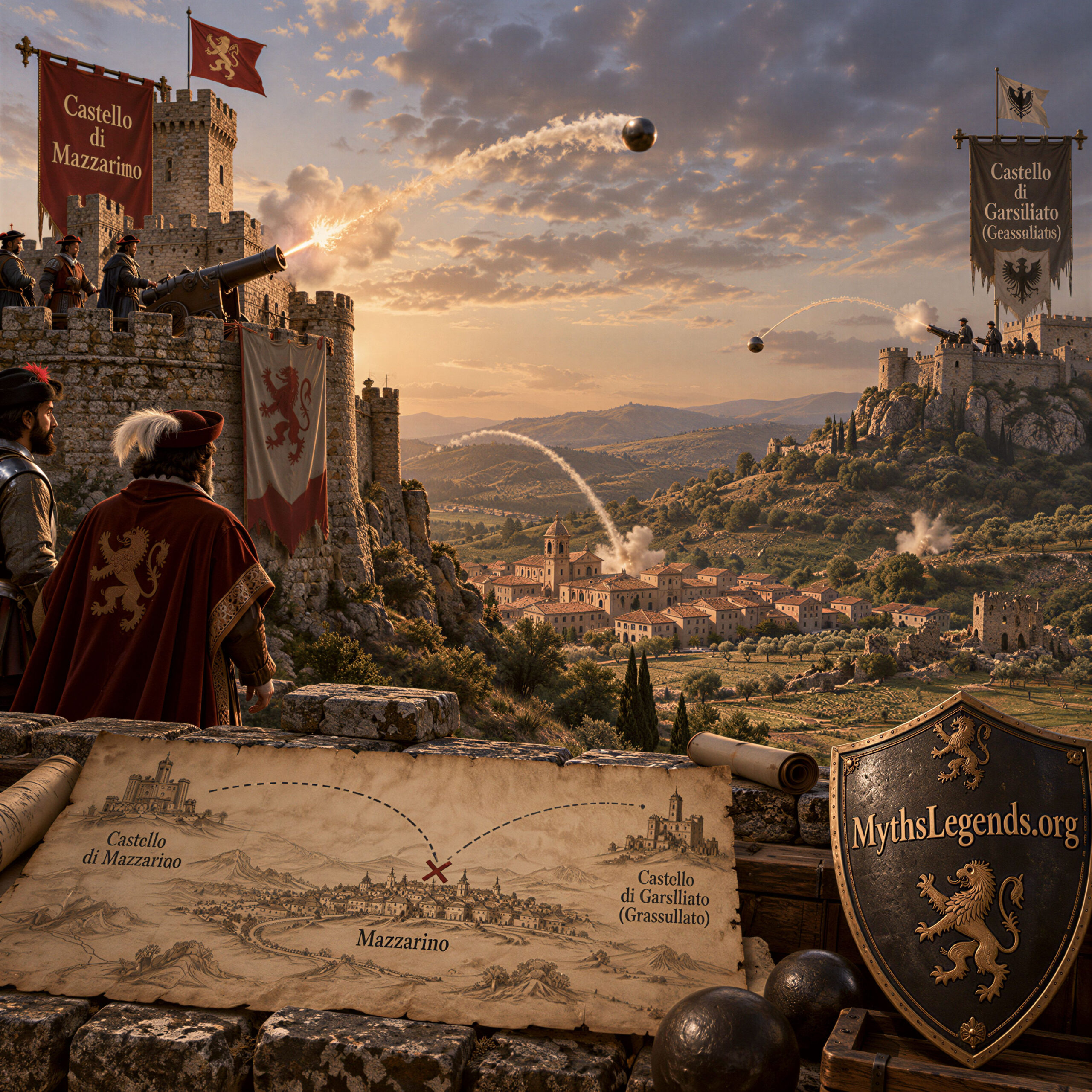
The Castello di Mazzarino and the Legend of the Cannon Shot – How a Cannonball Marked the Birth of a Town
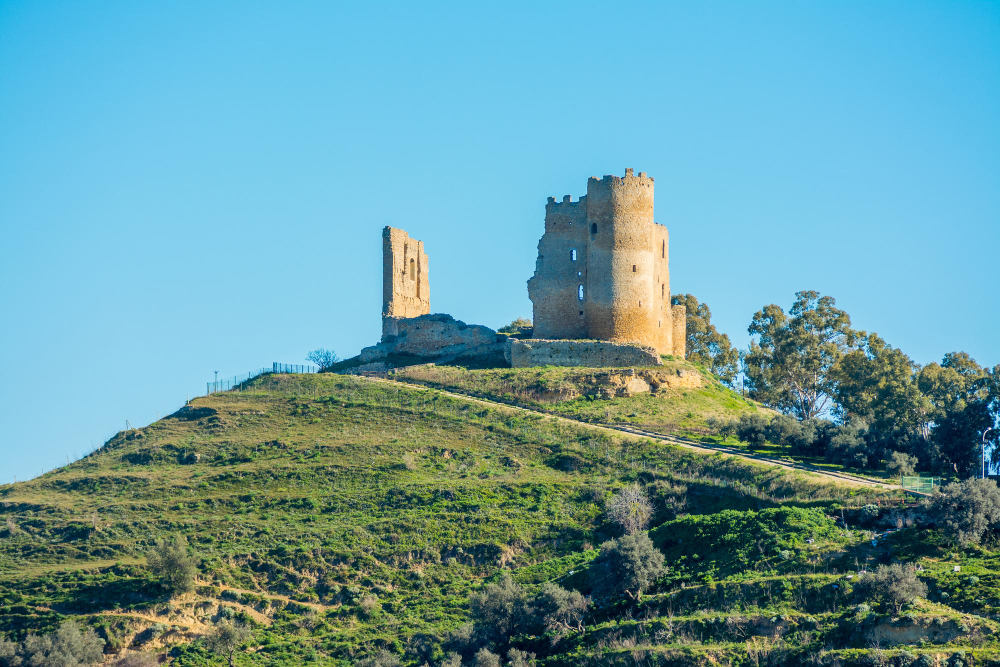
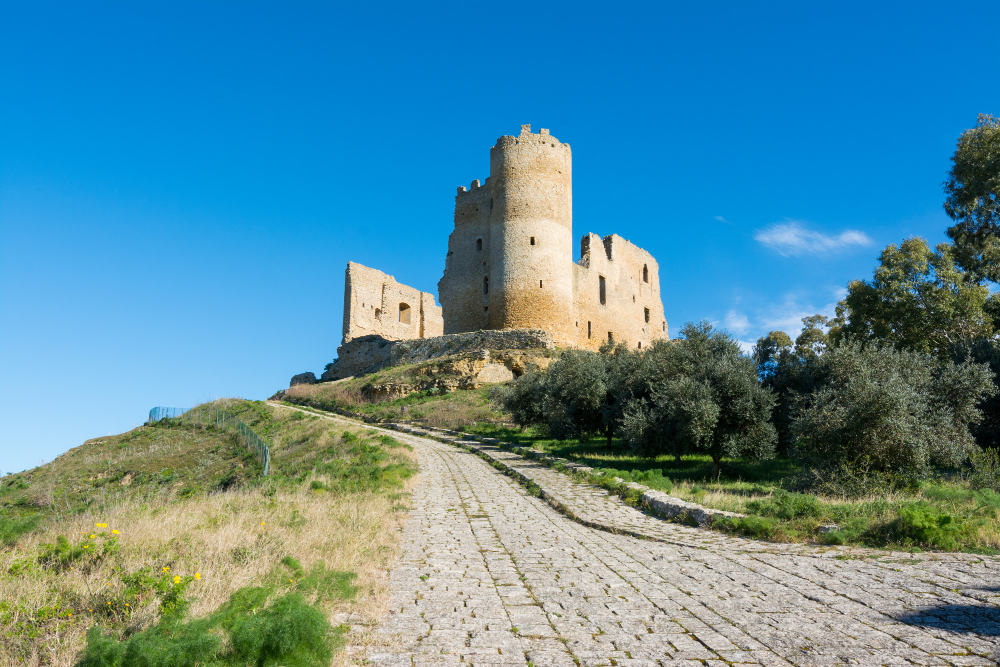
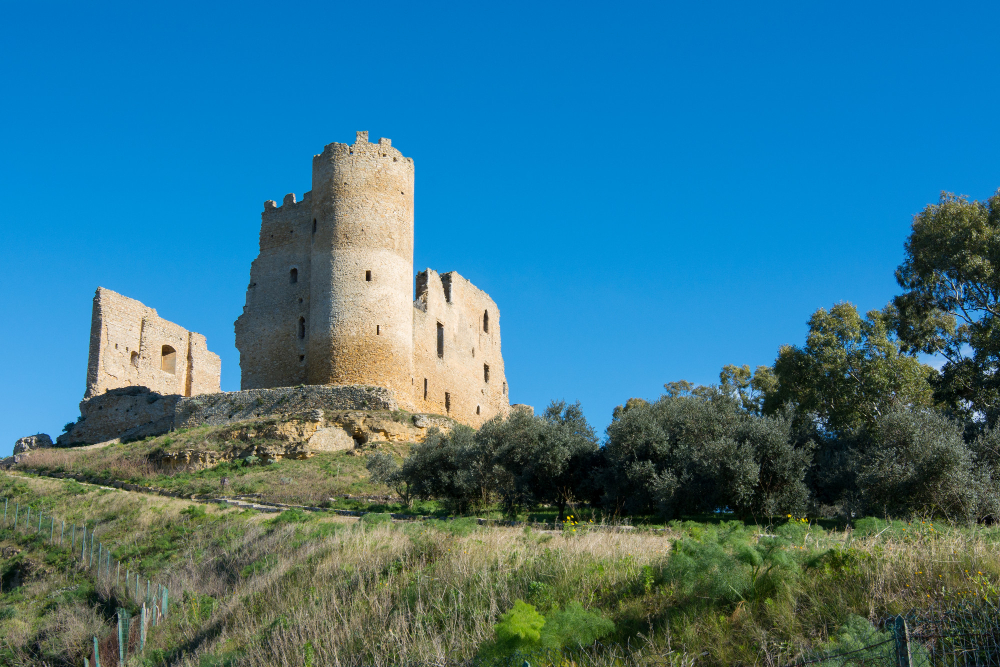
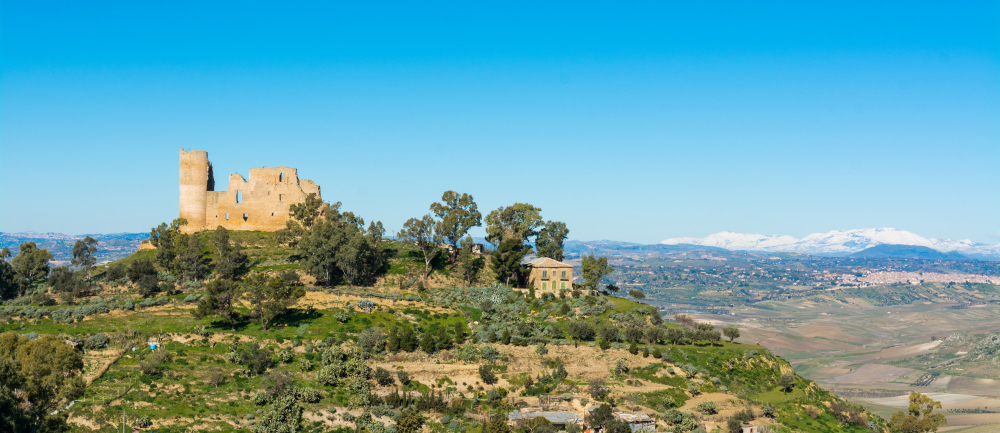
The Sicilian countryside is dotted with numerous historic castles, whose walls bear witness to centuries of history. Among these fortresses, the Castello di Mazzarino – affectionately known locally as ‘U Cannuni’ – stands out in particular. This name, which means ‘the cannon’ in Sicilian, refers to a striking cylindrical corner tower that soars skywards like a giant cannon, impressing not only with its architecture but also as the subject of a fascinating legend.
The Castello di Mazzarino: A Landmark Steeped in History – The Castello di Mazzarino lies at the heart of the province of Caltanissetta in Sicily, a region that has been a melting pot of diverse cultures since ancient times. The castle dates back to the Middle Ages, more specifically to a time when local rulers secured their power through strategically positioned fortifications. ‘U Cannuni’, the striking round tower, is today the only fully preserved part of the once-imposing complex. Its shape does indeed resemble a cannon, hence the popular name, which is deeply rooted in the local identity. Although the term ‘cannon shot’ and the association with cannons may seem anachronistic in the context of the Middle Ages – as cannons did not appear in Europe until later – a fascinating tale surrounding the origins of the town of Mazzarino has been preserved. This legend ingeniously intertwines architecture, history and myth.
The Legend of the Cannon Shot – The Origins of the Town of Mazzarino – At its core, the famous legend revolves around a contest between two rival lords: those of the Castello di Mazzarino and their opponents at the neighbouring, now-abandoned fortress of Garsiliato (also known as Grassuliato). The two seats of power were situated in close proximity, and both sides wished to determine the location of a new, shared town. As no agreement could be reached on a suitable site, an unusual solution was devised: a cannonball was to be fired from each castle, and the spot where the projectile that travelled the furthest landed would mark the future site of the settlement. The cannonball from ‘U Cannuni’ flew further than that from Garsiliato and struck exactly where the historic centre of Mazzarino stands today. Thus – at least according to tradition – the foundation stone for the town was laid. This story is more than just an anecdote. It reflects the importance of power, strategy and perhaps a little luck in the founding of the town, and offers a charming explanation of the origin of its name. Over the centuries, the legend has become a symbol of the community’s cohesion and its origins.
Historical Context: Castles and Cannons in the Middle Ages – Despite its romantic flair, the legend leaves questions unanswered that can only be resolved by examining the technological and historical context. Cannons were not widely introduced in Europe until the 14th and 15th centuries, whilst many medieval castles, including those in Sicily, are of significantly earlier origin. This leads to the assumption that the cannon in the legend is to be understood metaphorically or may possibly stem from later structural alterations to the tower. Indeed, the architecture of the round tower bears similarities to later defensive structures that were adapted to house or fire cannons. Rivalry between neighbouring castles was a common phenomenon in Sicily and other parts of Europe. Land ownership and influence were often decided through such symbolic contests or through armed conflict. The idea of linking the founding of a town to the range of a cannonball is therefore not merely the stuff of fairy tales, but could represent a poetic interpretation of a real power struggle.
The Abandoned Garsiliato – The Lost Counterpart – The ruins of Garsiliato Castle, once a formidable rival to Mazzarino, are now abandoned and all but forgotten. Historical documents and archaeological finds show that the fortress once played a significant role in the regional balance of power before it faded into obscurity in favour of Mazzarino. Here, too, the cannonball legend serves as a bridge between the past and the present, keeping the former rivalry alive.
The modern significance of the ‘Cannuni’ – Today, the Castello di Mazzarino is a popular destination for tourists and history enthusiasts alike. The cannon-shaped tower is not only a landmark but also a symbol of the connection between mythological heritage and historical reality. Local festivals and cultural events repeatedly draw on the legend of the cannon shot, thereby strengthening the sense of community amongst the inhabitants. Architecturally, the tower offers insights into the building techniques of past centuries: massive walls, embrasures and the characteristic circular structure were typical elements of military defence structures. Its preservation allows us to trace the transformation from a medieval castle to a fortified residence.
A legend that tells a story – The legend of the cannon shot is inspiring due to its playful treatment of historical facts and its deep roots in the region’s collective memory. Whilst there is little evidence to suggest that the actual decision to choose Mazzarino as the site was made by drawing lots with a cannon shot, it is precisely this narrative licence that makes the story so fascinating. It shows how history and myth merge to forge identity and imbue places with meaning. The Castello di Mazzarino, with its striking ‘Cannuni’ tower, stands as a testament to this connection and invites visitors to immerse themselves in a world where legends come to life.









Post Comment