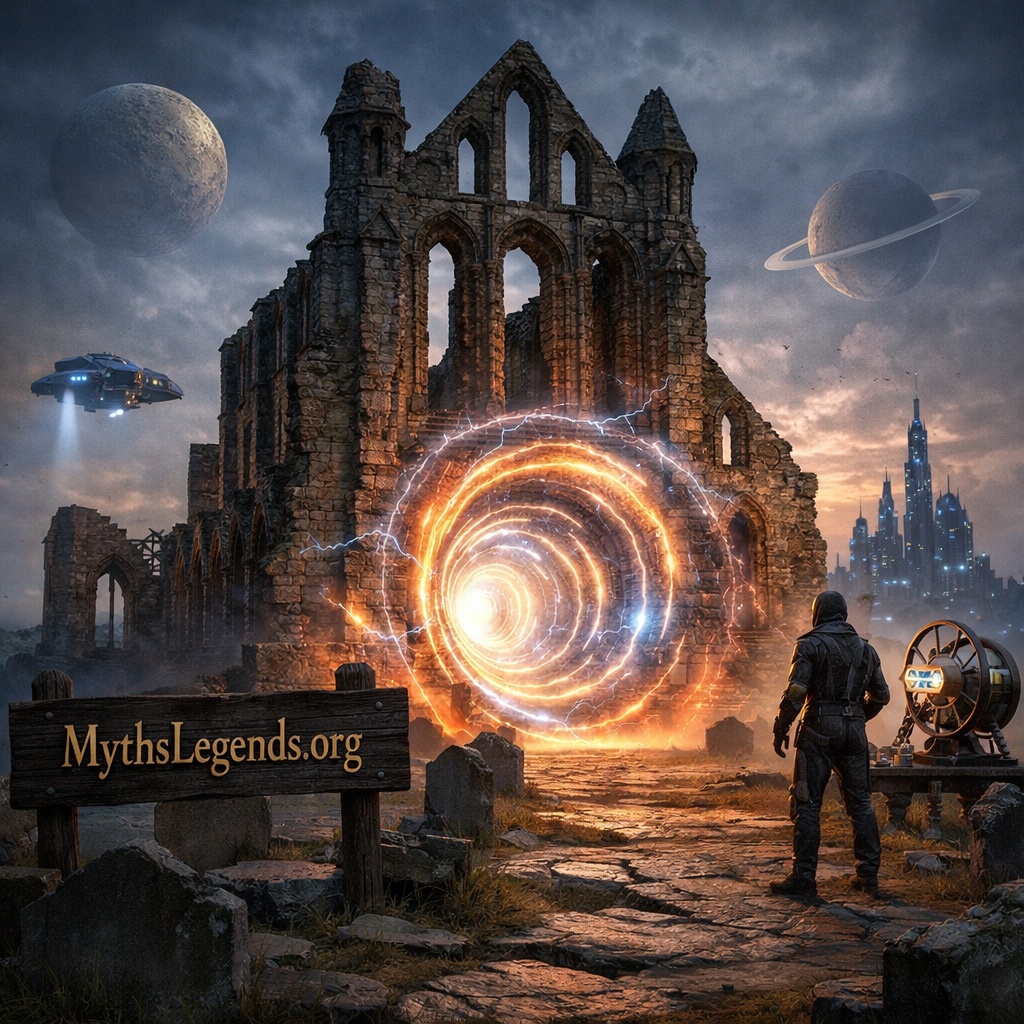
Whitby Abbey: The timeless crossroads of legends and science fiction wonders
Whitby Abbey, a Gothic ruin majestically perched on the Yorkshire coast, has long fascinated writers, filmmakers and dreamers alike. Its haunting beauty has inspired countless stories that interweave history, mystery and fantasy. Many of these tales delve into the world of science fiction, exploring themes such as time travel and alternate realities against the backdrop of this atmospheric abbey.
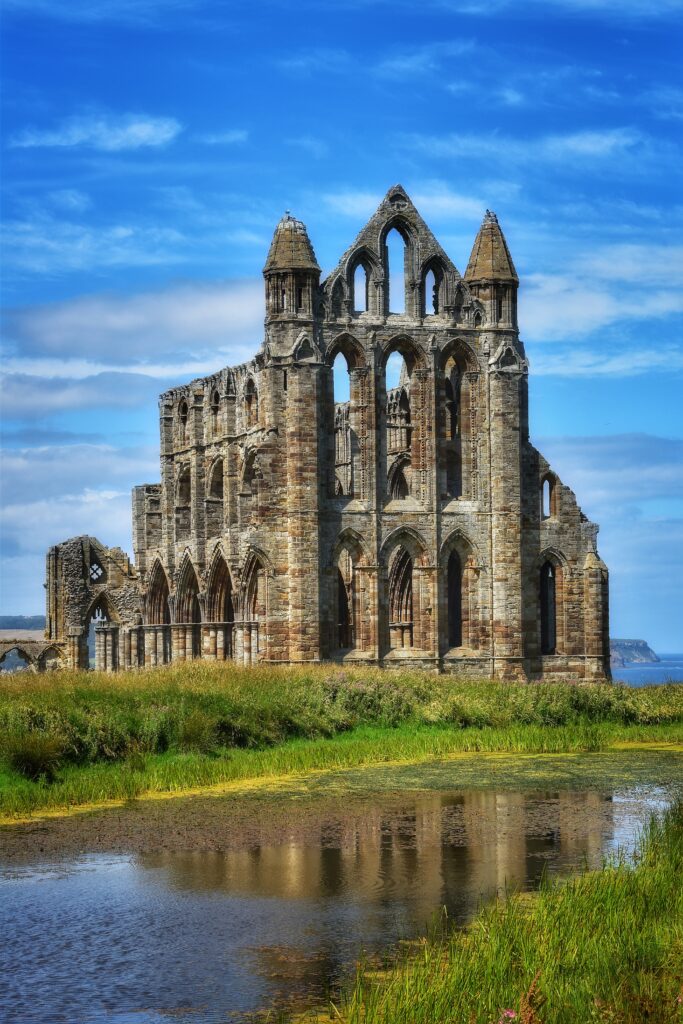
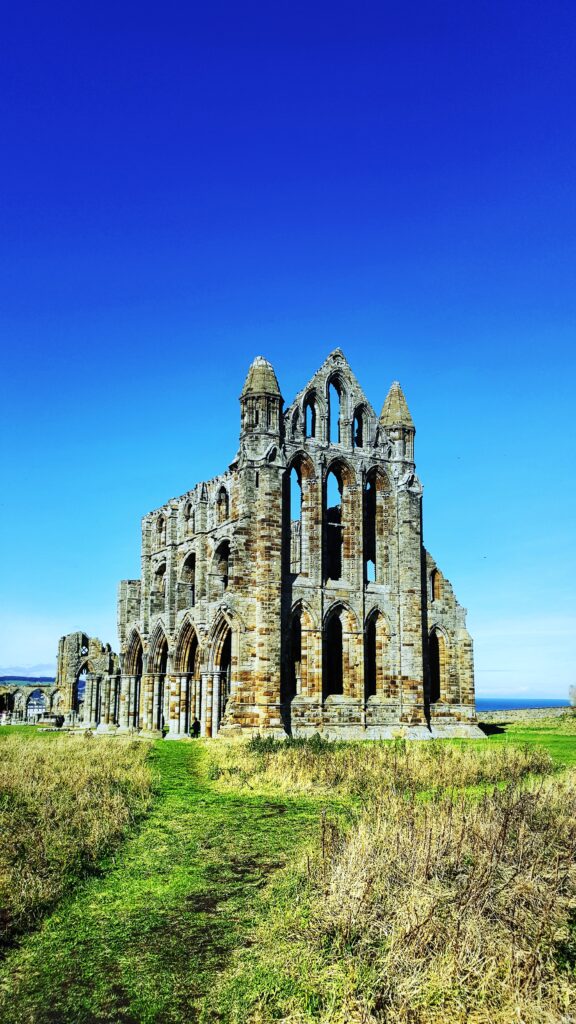
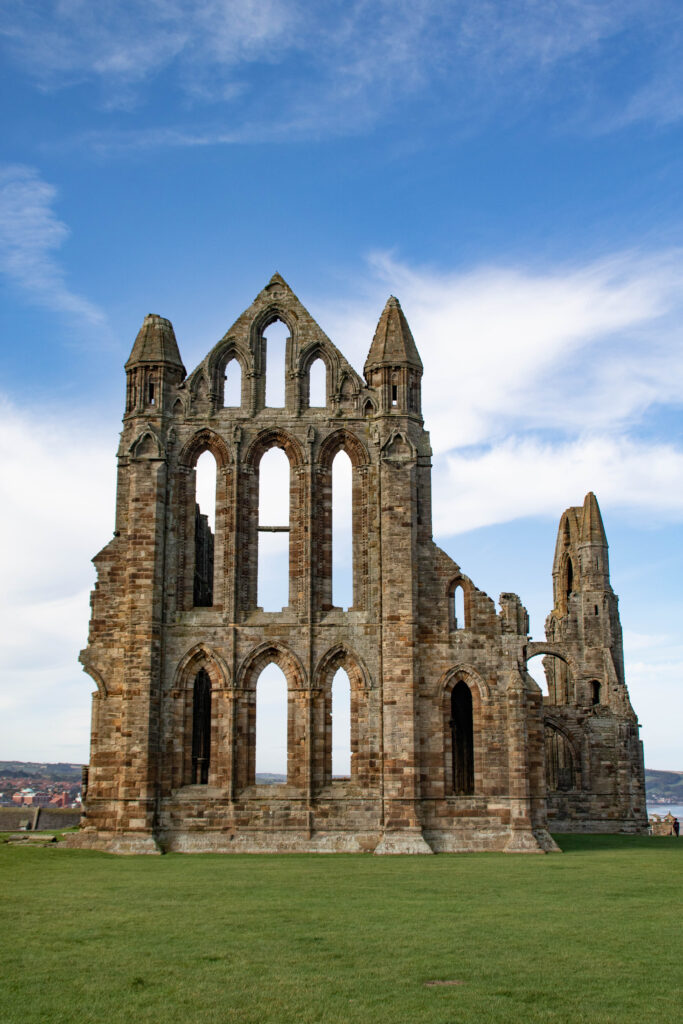
Originally founded in 657 AD, Whitby Abbey has a storied past marked by both historical significance and mythical allure. Over the centuries, it has been the scene of monastic devotion, Viking raids and medieval architectural splendour. Today, its crumbling walls and eerie silhouette convey a sense of timelessness and mystery, making it an irresistible muse for creative minds.
One of the most fascinating aspects of Whitby Abbey in contemporary storytelling is its imaginary role as a nexus where the fabric of time can be bent and traversed. This concept positions the abbey as a portal through which characters can embark on extraordinary journeys that blend historical intrigue with futuristic exploration. In this fantastical setting, the abbey becomes more than just a relic of the past; it transforms into a dynamic character in its own right, capable of influencing the fate of those who dare to engage with its mysteries.
The notion of time travel at Whitby Abbey draws heavily on the abbey’s real history and its spectral associations. Legends tell of ghostly monks wandering the ruins, their chants echoing through the centuries. Such stories invite speculation about the abbey’s hidden powers and suggest that it is a place where the veil between past and present is unusually thin, allowing for time travel that defies normal understanding.
The abbey’s connection to Bram Stoker’s ‘Dracula’ also contributes to its mystique. Stoker’s iconic vampire novel, published in 1897, immortalised Whitby Abbey as a setting for Gothic horror and supernatural activity. The novel’s protagonist, Count Dracula, famously arrives near Whitby in England, further cementing the abbey’s connection to dark, otherworldly themes. This literary heritage enriches the abbey’s potential as a setting for stories about time travel and alternate dimensions, where ancient evils might invade the modern world or futuristic heroes might face the ghosts of the past.
Filmmakers have enthusiastically embraced the cinematic qualities of Whitby Abbey, using its dramatic ruins to underscore narratives that explore the boundaries of time and reality. A notable example is the British television series Doctor Who, which occasionally features locations resembling the abbey’s distinctive architecture. The premise of the series, in which a doctor travels through time, fits perfectly with the mythology of the abbey and offers exciting insights into how the past and future might collide in such an impressive setting.
Beyond fiction, some theorists suggest that places like Whitby Abbey may actually be focal points of unique energies or natural phenomena that could theoretically enable temporal anomalies. Although these ideas remain speculative and unproven, they add an extra layer of fascination to the narratives surrounding the abbey. Whether through ley lines, magnetic fields or other mysterious forces, the physical and metaphysical presence of the abbey continues to inspire exploration of what might lie beyond the conventional flow of time.
In literature, the blending of historical and fictional elements of Whitby Abbey underscores humanity’s enduring fascination with the unknown. Writers and readers alike are drawn to the idea of uncovering secrets buried in the past and imagining a future shaped by these revelations.
The ruins of the abbey, silent witnesses to centuries past, provide an impressive backdrop for such imaginative endeavours.
Furthermore, the abbey’s role in science fiction speaks to broader themes such as human curiosity and the quest for understanding. Time travel narratives often explore the consequences of altering history, the paradoxes of existence, and the ethical dilemmas of such power. By embedding these complex themes within the haunting setting of Whitby Abbey, storytellers invite audiences to reflect on the interconnectedness of all times and possibilities.
In summary, Whitby Abbey is a timeless nexus where legend and science fiction converge. Its haunting ruins offer more than just a glimpse into the past; they serve as a springboard for flights of fancy that challenge our perceptions of time and reality.
Whether through the pages of a novel, the scenes of a film, or the whispered stories that live on through generations, the abbey’s influence endures, inviting us all to ponder the mysteries that lie beyond the limits of our understanding.

Post Comment