
The Prince of Chora’s Treasure on Kythira: Myth, History and the Hunt for the Hidden Fortune
The island of Kythira, situated south of the Greek mainland and famous for its picturesque landscapes and historic sites, is home to Chora Castle – a place that fascinates not only through its architectural splendour but also through numerous legends. Among these tales, the legend of the ‘Prince’s Treasure’ stands out in particular – a mysterious hoard said to lie hidden deep within the dungeons of the medieval fortress. Over the centuries, this legend has captured the imagination of historians, archaeologists and adventurers alike. In this article, we shed light on the background to the castle, the origins and development of the treasure legend, and place it within the broader context of local history, whilst remaining mindful of verifiable facts.
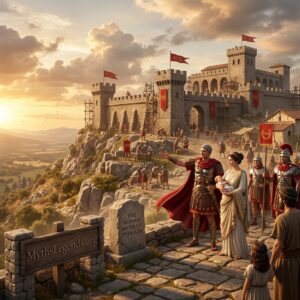
Chora Castle: A Historical Overview – Firstly, it is important to understand the historical significance of Chora Castle. The fortress was built in the Middle Ages and served primarily as a defence against pirates and hostile invaders – a common threat to many islands in the Aegean Sea. Archaeological investigations and historical sources show that the castle was strategically built on a hill to provide a sweeping view across the island and the sea. The sturdy walls, towers and complex network of passageways and dungeons bear witness to its military significance. It is important to note that Kithira has been under various rulers over the centuries – from Byzantine to Venetian and Ottoman rule. These changing powers left their own architectural marks and laid the foundations for various local legends, including that of a prince’s or local ruler’s treasure.
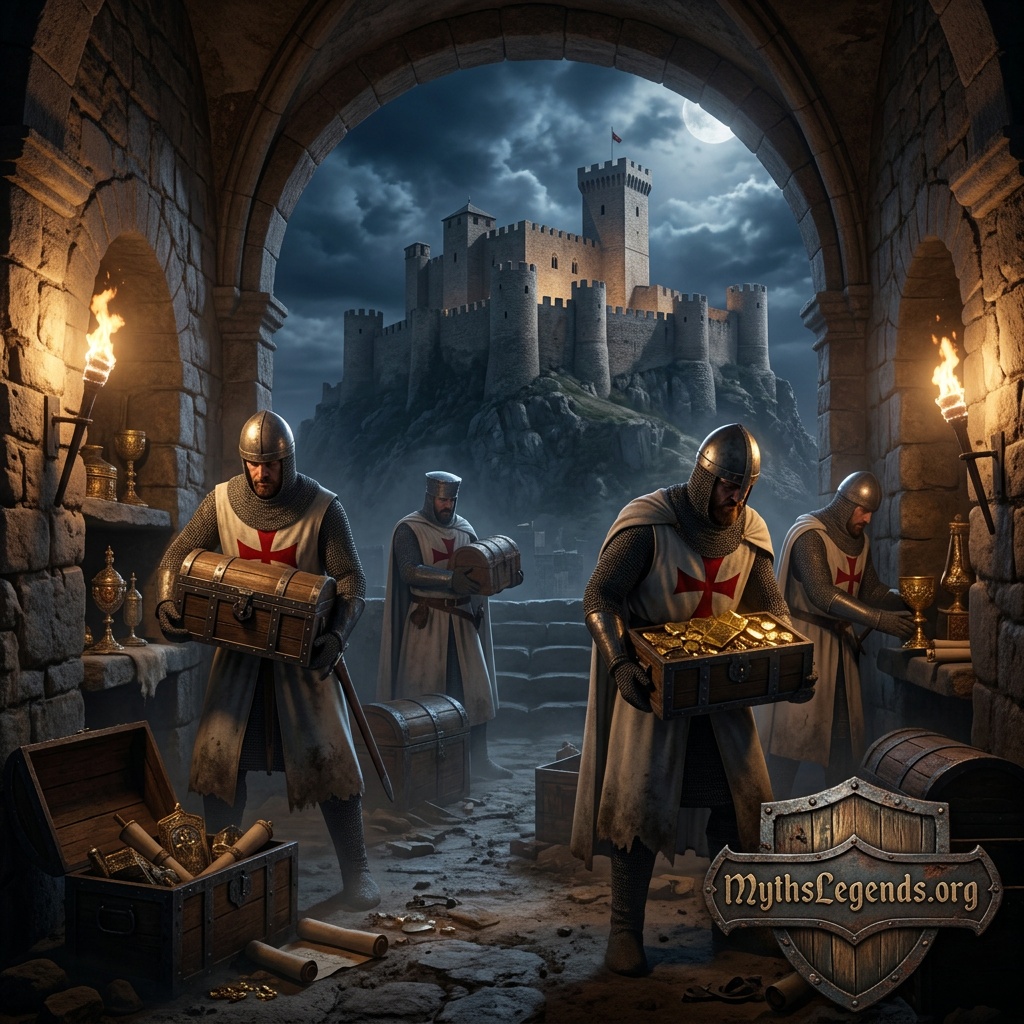
The Legend of the Prince’s Treasure: Origin and Content – The legend tells of a mysterious treasure that an important prince or local ruler is said to have hidden in a secret dungeon within the castle during a time of political unrest or the threat of war. The exact details vary depending on the account: some versions speak of gold coins, jewels and ornate artefacts, whilst others refer to precious relics or secret documents of great historical interest. Although the stories have been passed down orally and embellished differently from region to region, certain key elements have emerged: the treasure is hidden in such a way that only the true descendant, or the person who understands the ancient clues, can gain access to it. These themes are typical of treasure legends and bear similarities to other European tales of castles and knights.
Historical sources and the facts – Despite the treasure’s popularity and the fascination it inspires, there is as yet no written or archaeological evidence to confirm the existence of the princely treasure on Kithira. Historians base their assessment primarily on contemporary documents which provide detailed information on the castle’s administration and ownership, but contain no references whatsoever to hidden riches. Venetian archive records, which document some of the rulers of Kithira, describe the castle more as a military stronghold than as a site of treasure chambers. Furthermore, archaeological excavations in and around the castle have so far been undertaken mainly to investigate its architectural history and military fortifications, without any significant treasure hoard actually being found.
The psychology behind the treasure hunt – So what explains the enduring popularity of the treasure legend? Experts in folklore and mythology see this primarily as a reflection of people’s need to make history tangible and bring it to life. The idea that a hidden hoard of gold lies somewhere, just waiting to be discovered, stirs a spirit of adventure and captures the imagination. Furthermore, the legend serves to foster a sense of identity amongst the local population. It connects the community with its past and brings history to life. The phenomenon is by no means unique: many castles and palaces in Europe are associated with similar treasure tales, the truth of which is often secondary to their cultural value.
Attempts to find the treasure and their results – In the 20th century, there were several documented attempts to find the prince’s treasure. Treasure hunters – some local, others from other regions of Greece or even abroad – combed through the castle and its surroundings with metal detectors and organised excavations. So far, these efforts have been unsuccessful – though this has not led to great frustration, as for many the treasure was more of a symbol than a material reward. Some older reports mention minor finds such as coins from various eras or metal remnants of weapons, but these are more typical relics from the castle’s history than the mythical prince’s treasure. Nevertheless, the search and the speculation surrounding it continue to hold the interest of researchers and tourists alike.
Cultural Significance and Modern Perception – Today, Chora Castle and its treasure legend form part of Kithira’s tourist attractions. Guided tours recount the medieval history and bring the treasure story to life in a fascinating way, whilst always emphasising that it is a legend. Museums on the island display artefacts from the region and offer an insight into life in centuries past – ideal for visitors with a passion for history and myth. Furthermore, the legend has inspired artists and writers, who have kept the Prince’s Treasure alive in poems, novels and works of art. In this way, the legend not only provides entertainment but also contributes to the preservation of Kythira’s cultural heritage.
Myth meets history – the Prince’s Treasure remains hidden – The legend of the ‘Prince’s Treasure’ at Chora Castle is a striking example of how history and myth can intertwine to fill a region with life and excitement. Although there is no conclusive documentary evidence of the treasure, the tale has deep roots in local folklore and cultural identity. The castle itself remains a fascinating monument to medieval architecture and a testament to Kithira’s eventful history. For treasure hunters, historians and tourists alike, it offers scope for imagination, research and discovery. Perhaps it is precisely this blend of fact and fiction that makes the Prince’s Treasure so irresistible – a treasure that lives on in people’s minds and hearts, even if it is never found in the castle’s dungeons.





Post Comment