
Echoes of Faith: The Legend of Schloss Braunfels and the Saintly Elisabeth
Nestled in the enchanting landscapes of Hesse, Germany, Schloss Braunfels stands as a testament to medieval architecture and rich historical narratives. Towering over the lush hills and serene valleys, this majestic castle has been a silent witness to centuries of history, bearing the whispers of legends intertwined with the revered figure of Saint Elisabeth of Thüringen. This article delves deep into the myths surrounding Schloss Braunfels, exploring its connections to the beloved saint and the significance of the relics believed to be housed within its walls.
The Story of a Saint – Saint Elisabeth of Thüringen, born in 1207, was a woman ahead of her time. A daughter of Count Andrew II of Hungary, she married Ludwig IV, Landgrave of Thüringen, which cemented her connection to the region forever. Elisabeth’s life was marked by an extraordinary commitment to charity and compassion, particularly towards the poor and sick—a dedication that would eventually lead to her canonization in 1235. Her legacy has not only influenced Christian practices but continues to inspire countless people today.
Among the many stories surrounding her life, one of the most enchanting is her renowned act of kindness, where she is said to have secretly given bread to the hungry. When her husband discovered her distributing loaves, he confronted her, and as if by divine intervention, the bread transformed into roses, thus reinforcing her reputation as a saintly figure blessed by God.
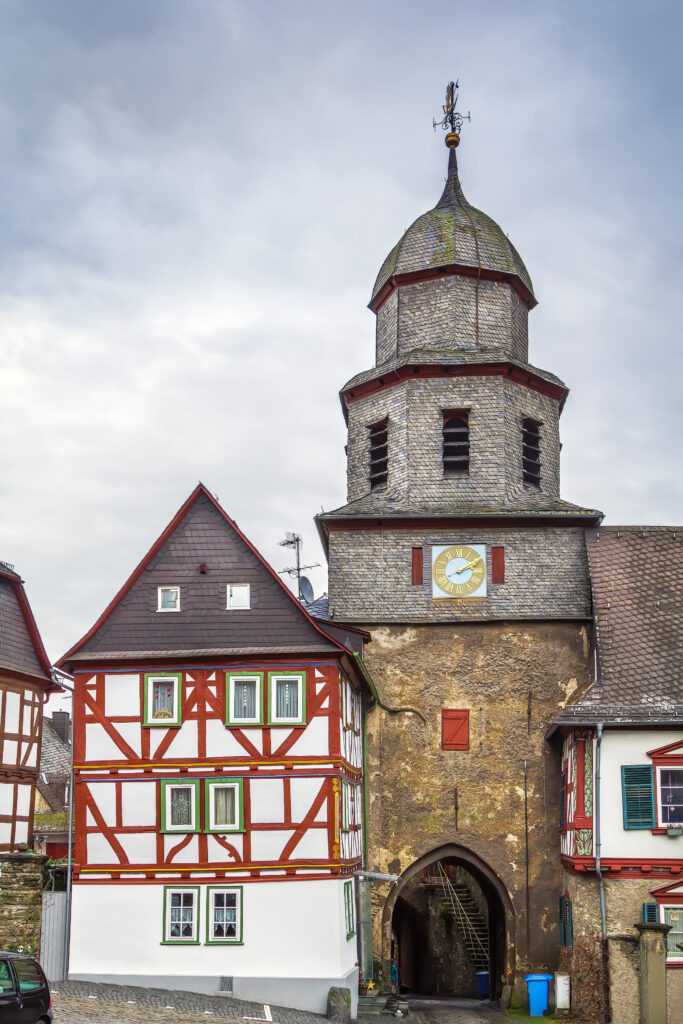
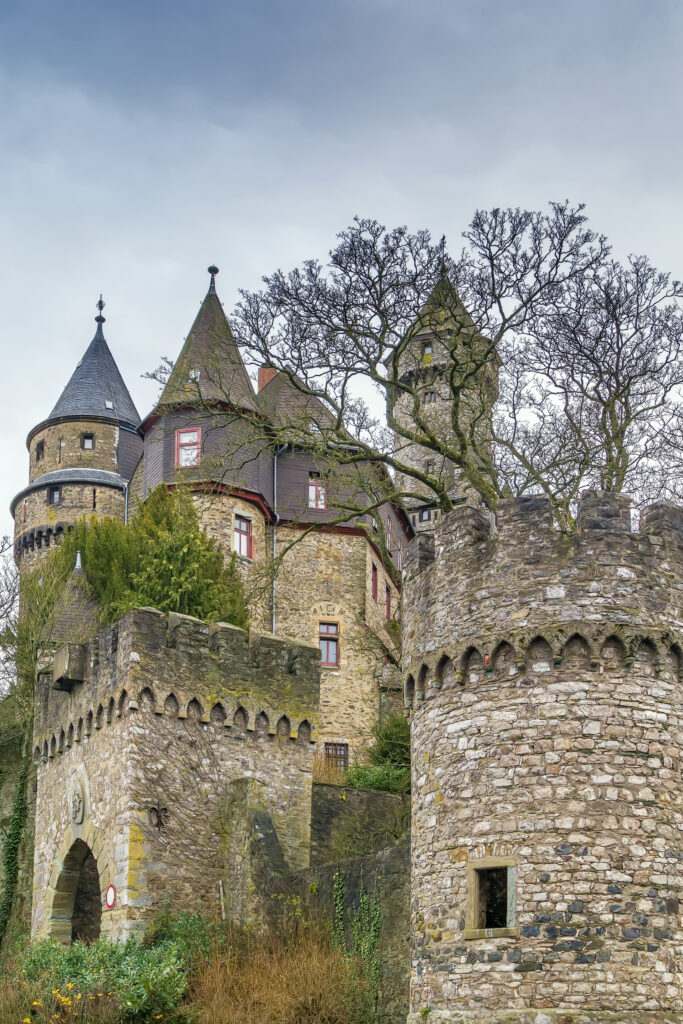
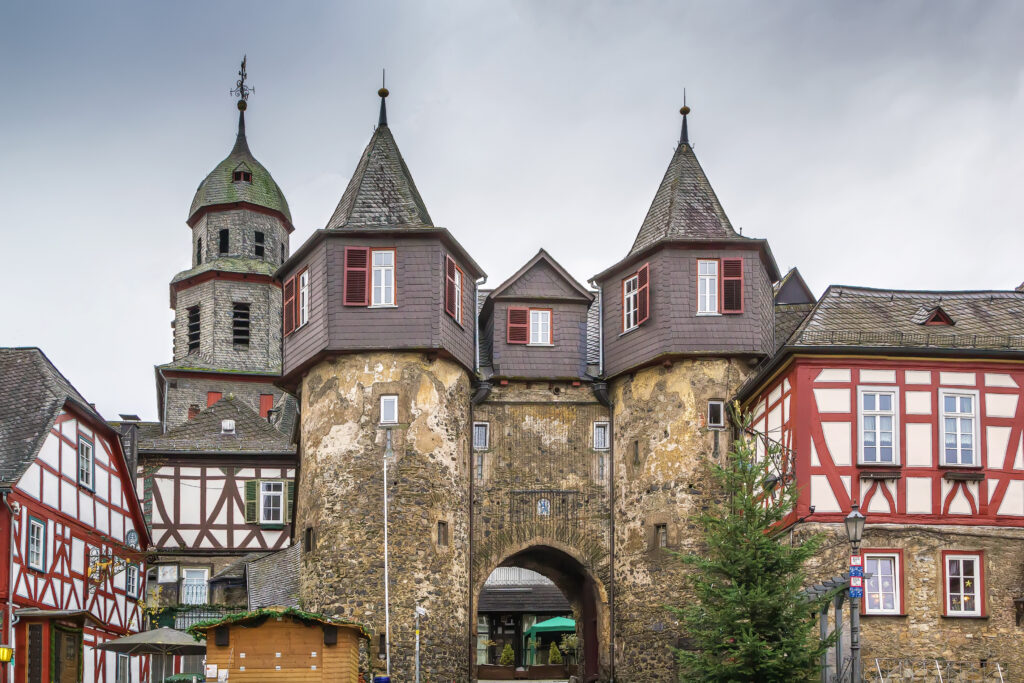
Schloss Braunfels: A Historical Overview – Schloss Braunfels itself dates back to the 13th century and has its own fascinating history. Originally built as a fortress by the Counts of Solms, it reflects the turbulent nature of the Middle Ages—an era filled with feudal wars and political intrigue. Over the centuries, the castle has undergone numerous renovations, evolving from a military stronghold into a residential palace. The picturesque structure is characterized by its impressive towers, defensive walls, and meticulous gardens that invite visitors to step back in time.
The castle’s strategic location made it a significant site during various historical conflicts, particularly during the Thirty Years’ War. However, its connection to Saint Elisabeth transcends mere geography or political importance. It is through the lenses of folklore and spirituality that Schloss Braunfels becomes even more captivating.
Legends of Relics: The Ring and the Kanne – Two prominent relics connected to Saint Elisabeth are believed to be preserved within the castle’s confines: a mystical ring and a revered kettle (or “kanne”). These items, steeped in legendary significance, have contributed to the lore surrounding the saint and her enduring legacy.
The Ring of Elisabeth, often linked to her marital vows and piety, is said to possess miraculous properties. According to local myths, the ring symbolizes the holy bond between her and Ludwig, representing their commitment to each other and their shared devotion to charitable acts. Some believe that wearing or coming into contact with the ring can bestow blessings of love and fortitude upon individuals, reinforcing the castle’s allure as a pilgrimage site for those seeking spiritual solace.
The Kettle of Elisabeth, on the other hand, is associated with her acts of mercy. Folklore suggests that this kettle was used to distribute water and food to the needy, mirroring her extraordinary compassion. The kettle is often depicted in art as a symbol of sustenance and community support, embodying Elisabeth’s mission to care for the marginalized. Stories abound of how the kettle could magically fill itself with provisions, a manifestation of divine grace that echoes throughout the ages.
These relics, while shrouded in mystique, serve as powerful reminders of the values Elisabeth embodied. They reinforce her legacy as a figure of kindness and resilience, traits that resonate with many even today.
Cultural Significance and Modern Discoveries – The legends of Saint Elisabeth and the relics associated with her continue to captivate hearts, inspiring annual festivities and celebrations across Germany. The confluence of Christian faith and local folklore fosters a sense of community, drawing thousands to Schloss Braunfels for homage. Visitors often report experiencing a profound sense of peace when wandering through the castle grounds, hinting at the spiritual aura that surrounds the site.
In recent years, archaeological explorations around Schloss Braunfels have unveiled additional insights into the past. Researchers have unearthed artifacts that suggest a vibrant cultural and religious life during Elisabeth’s time—further enhancing the microcosm of history embodied within the castle walls. These findings not only bear witness to the architectural prowess of the era but also reflect the societal values that shaped medieval life.
Additionally, modern scholars have revisited the myths connected to Elisabeth, suggesting that they serve as allegories for deeper moral teachings. The stories function not only as historical accounts but also as vehicles for conveying ethical truths about generosity, compassion, and social justice.
The Enduring Legacy of Saint Elisabeth – In a world often overshadowed by materialism and individualism, the life and legacy of Saint Elisabeth emerge as a beacon of hope and selflessness. The myths surrounding Schloss Braunfels, enriched by the tales of the ring and kettle, serve to remind us of our interconnectedness and the impact of our actions on the lives of others.
As visitors stroll through the enchanting corridors of Schloss Braunfels, they encounter not merely a historical monument but a living testament to the enduring spirit of Elisabeth. Her legacy, far from fading with time, continues to thrive, inviting all who seek it into a narrative of love, sacrifice, and unwavering faith—a story that echoes through the stone walls and lush greenery of this timeless castle.
In the end, we find that legends are not just tales of the past; they are the threads that weave the fabric of our cultural identity, connecting us to the values we hold dear and inspiring future generations to carry the flame of kindness forward. Schloss Braunfels, with its haunting beauty and storied past, remains a sanctuary for these ideals, ensuring that the spirit of Saint Elisabeth will never be forgotten.










Post Comment