The Mermaid’s Cave – Secrets and Legends Beneath Dunluce Castle
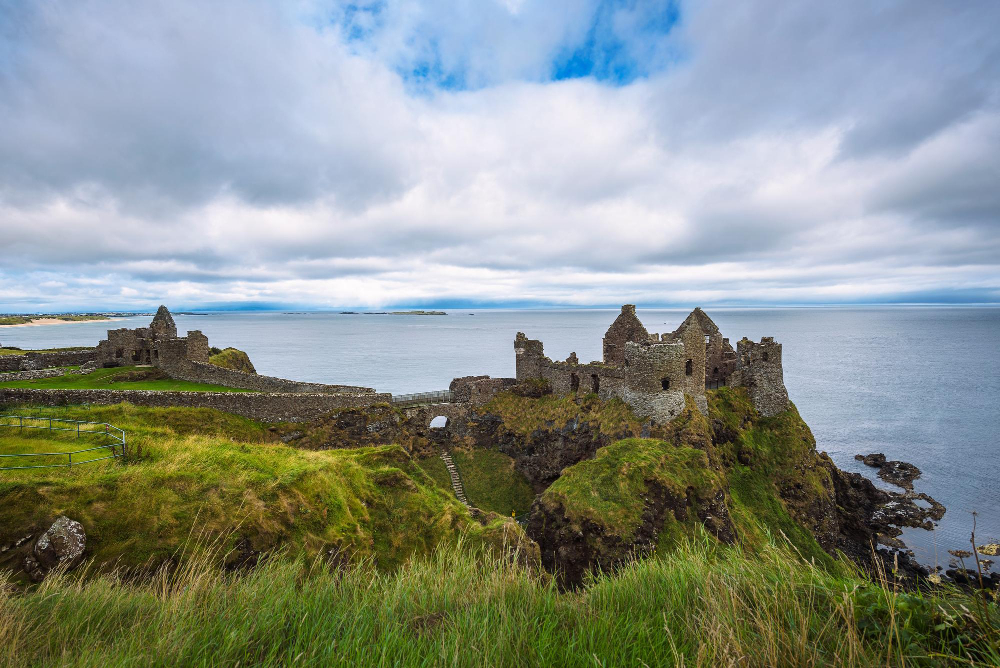
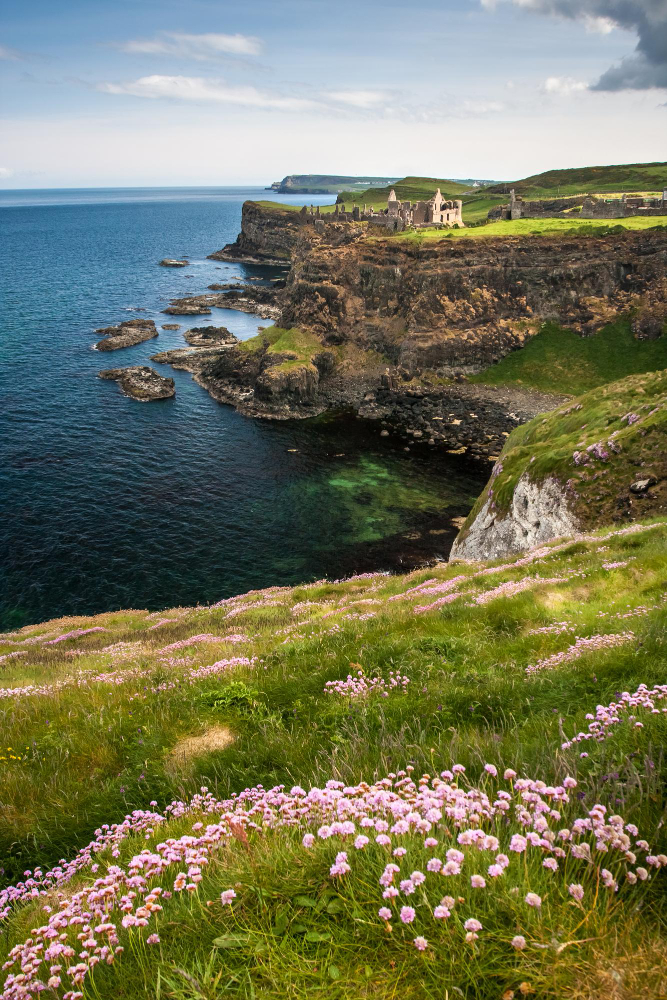
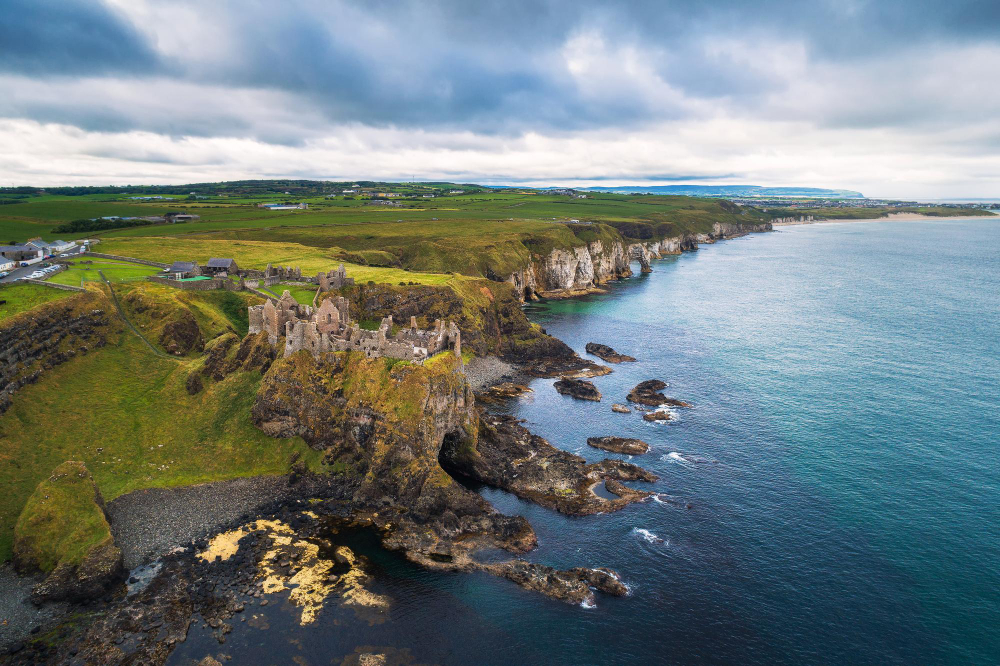
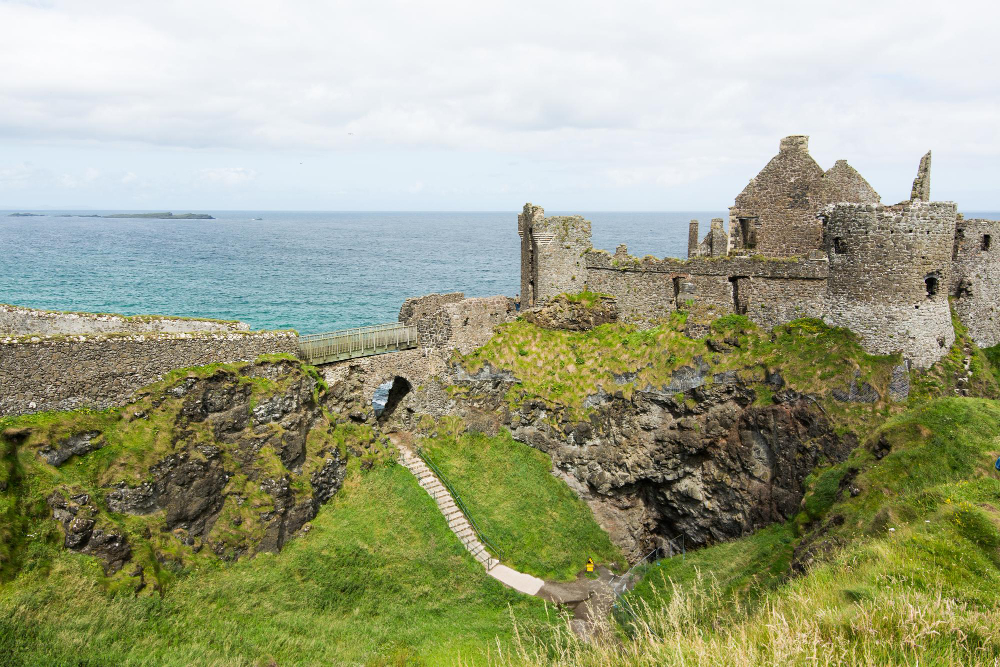
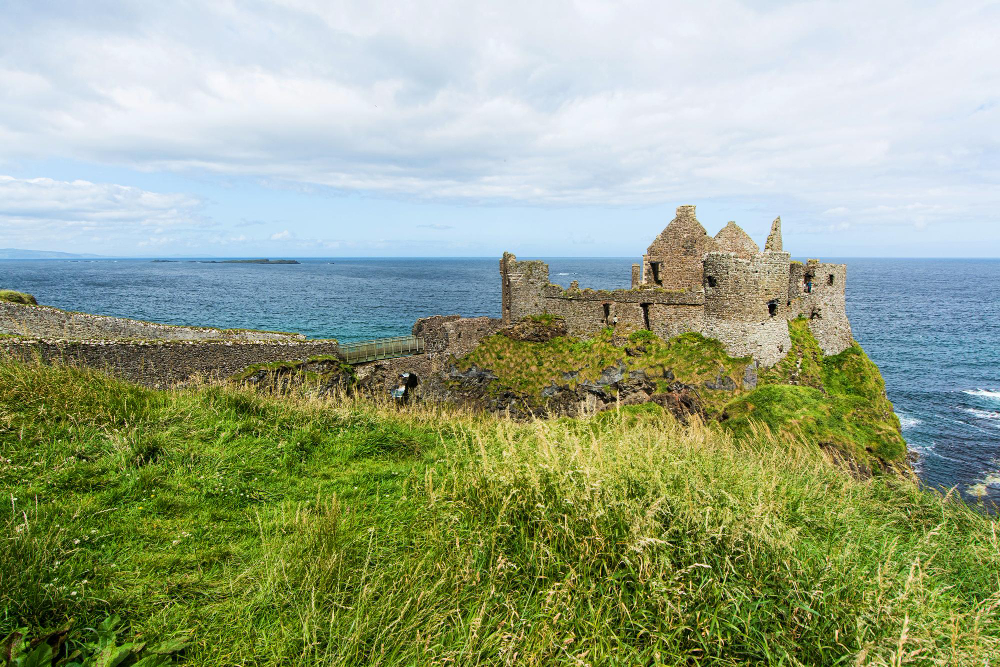
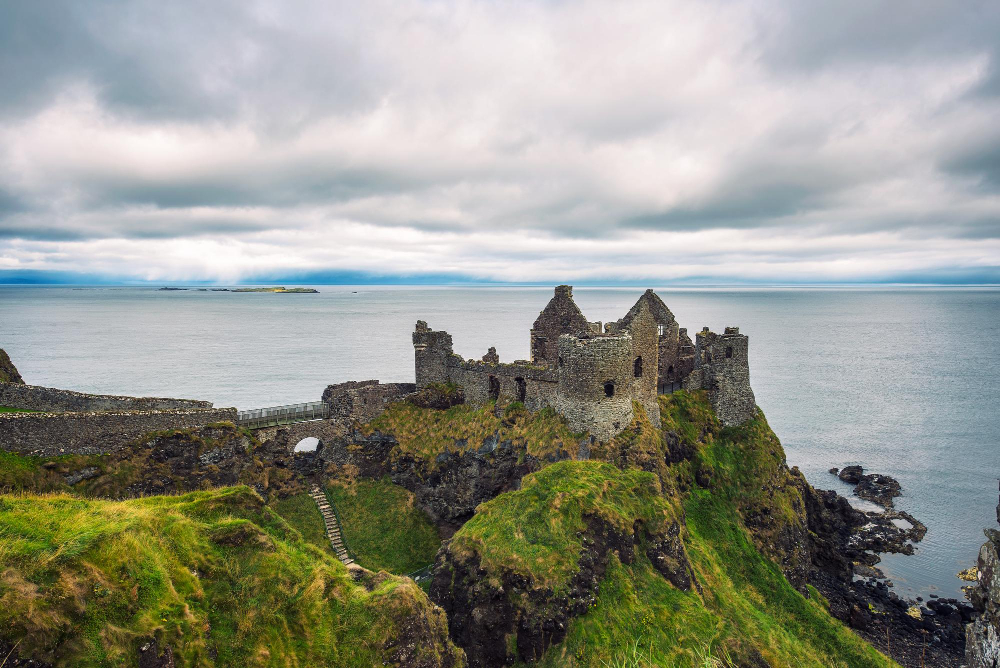
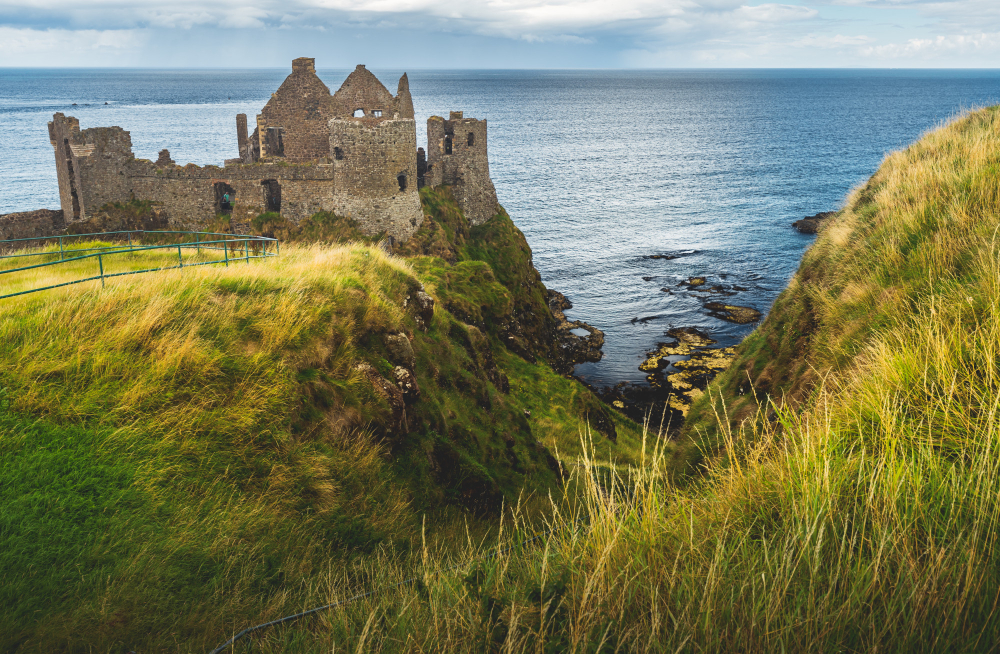
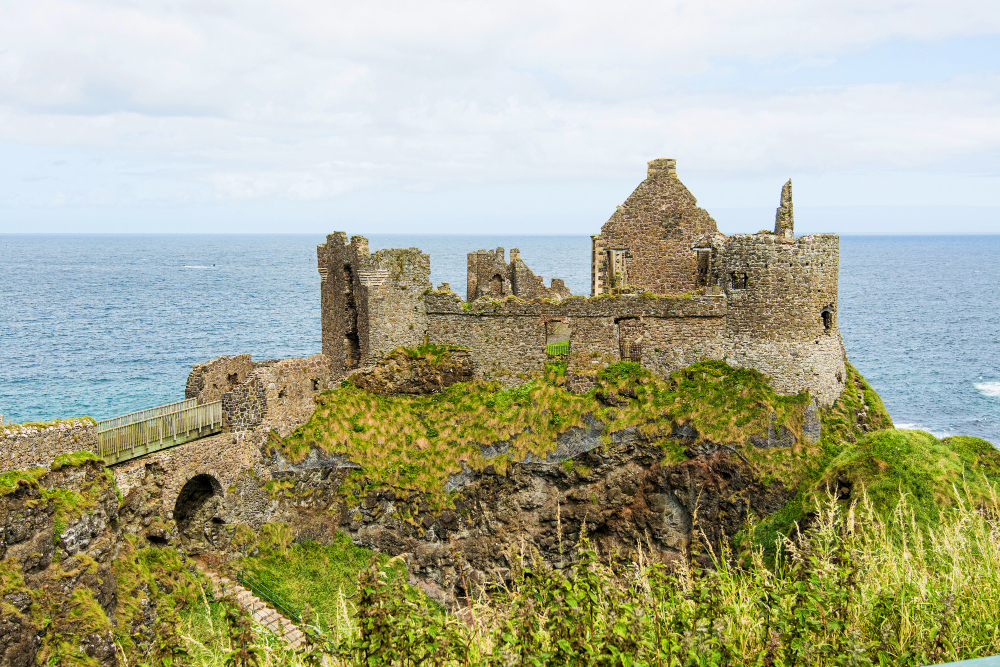
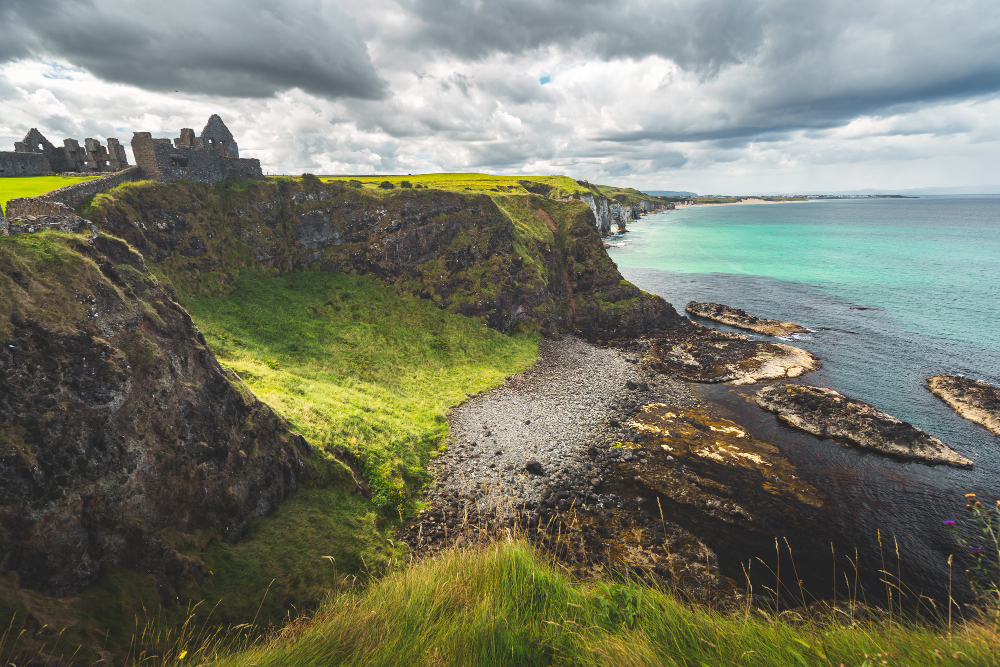
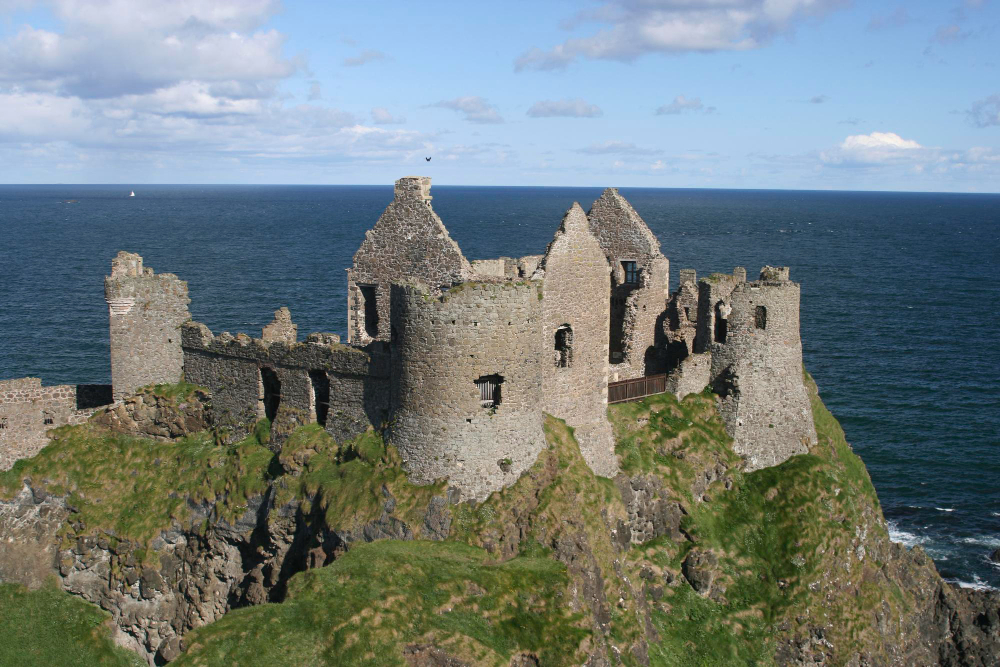
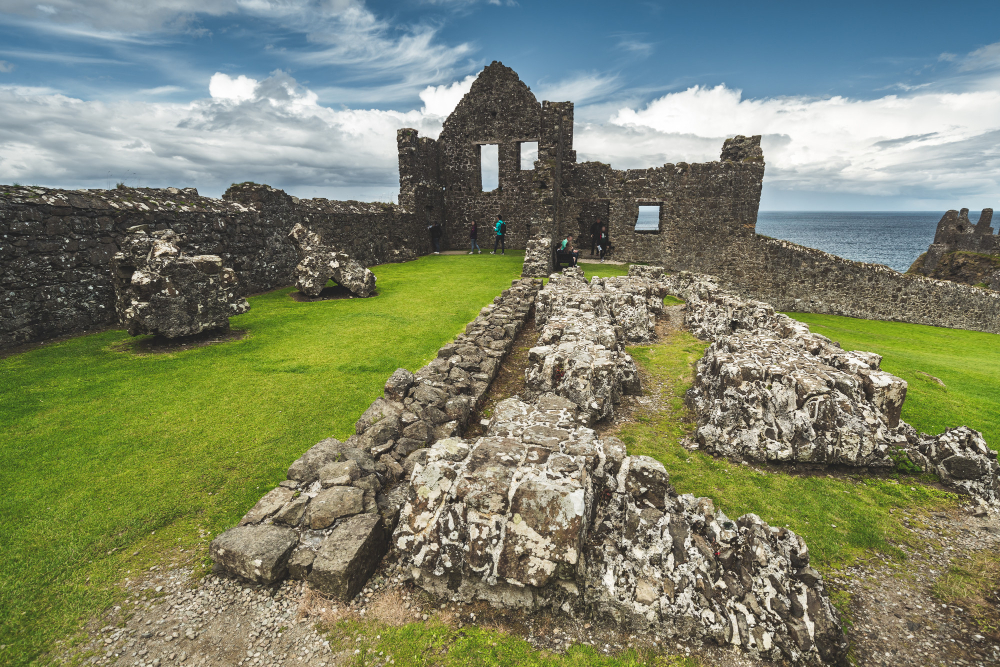
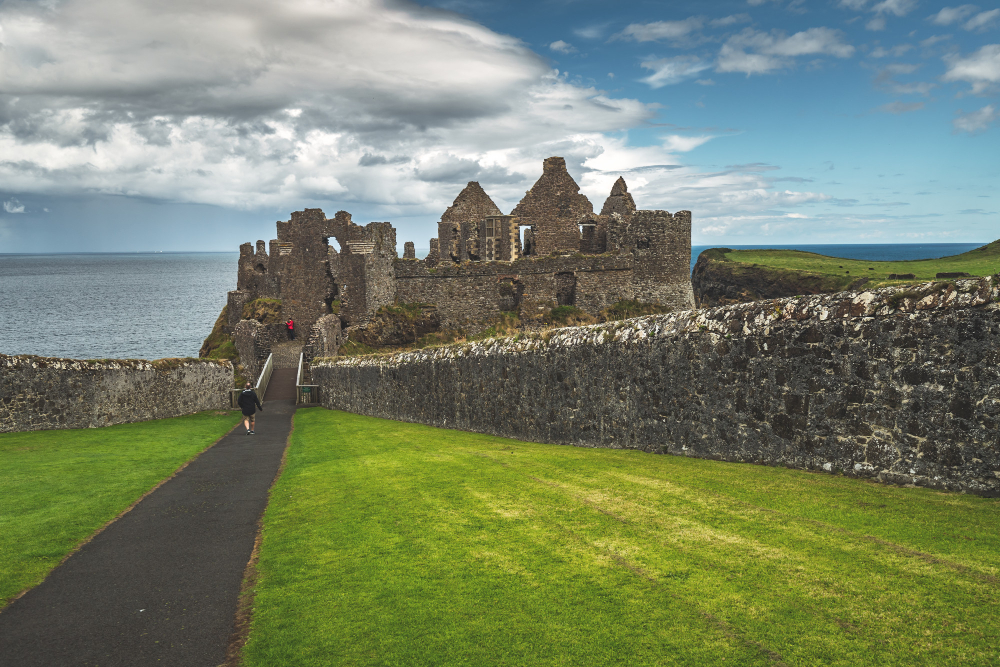
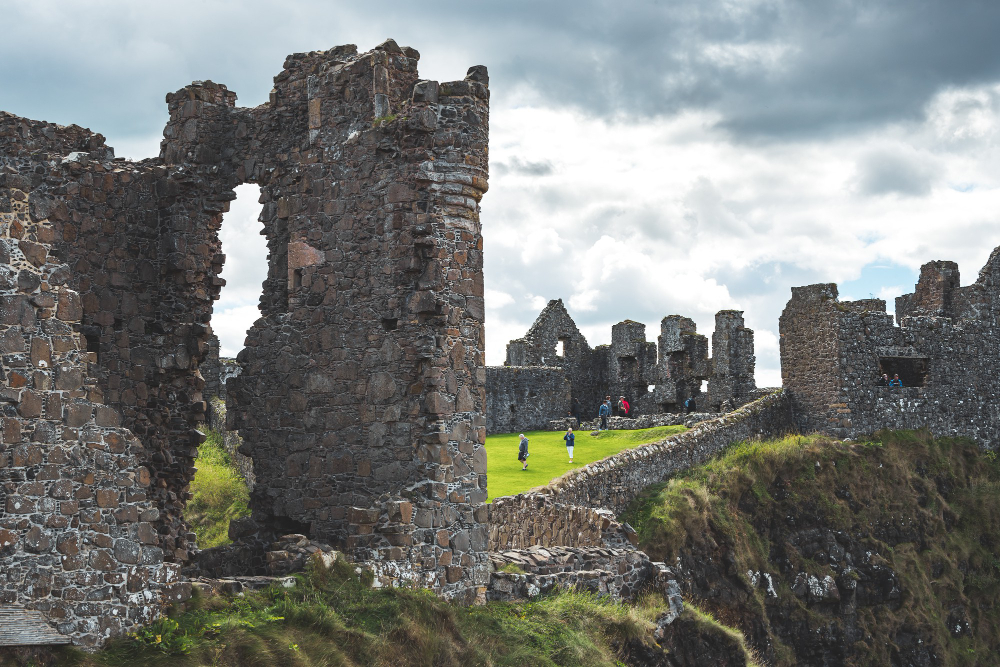
Dunluce Castle is undoubtedly one of the most impressive ruins on Northern Ireland’s rugged coastline. Perched high on a basalt cliff, the castle towers over the raging Atlantic and attracts numerous visitors with its fascinating history. But it is not just the castle itself that has stories to tell; directly beneath it, hidden from prying eyes, lies a mysterious place – a sea cave known as the ‘Mermaid’s Cave’. This cave harbours legends, historical secrets and a mystical aura that has captured the imagination for centuries.
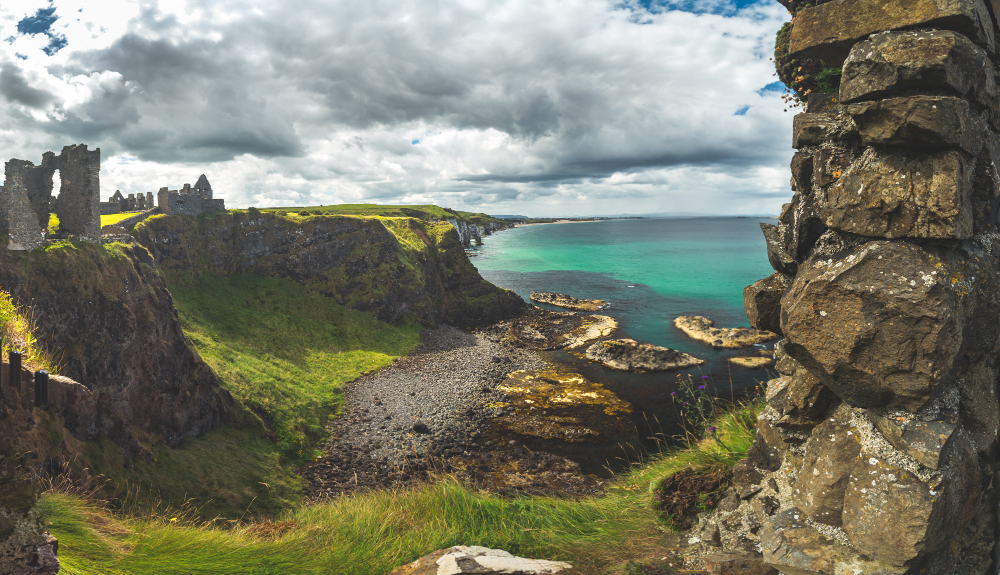
Natural beauty with a mystical flair – The Mermaid’s Cave is situated directly beneath the majestic walls of Dunluce Castle and is only accessible at low tide. It extends deep into the heart of the cliff and offers a striking backdrop of jagged rocks, mysterious shadows and the constant echo of crashing waves. Nature has shaped this place with its unbridled force over the centuries, giving it a distinctive character. The cave bears witness to the unstoppable power of the sea, which both creates and destroys. The cave has always been a fascinating place for those who dared to venture to its entrance. Its isolated location, combined with the imposing castle above, makes it seem like a hidden realm – a perfect setting for magical and mystical tales.
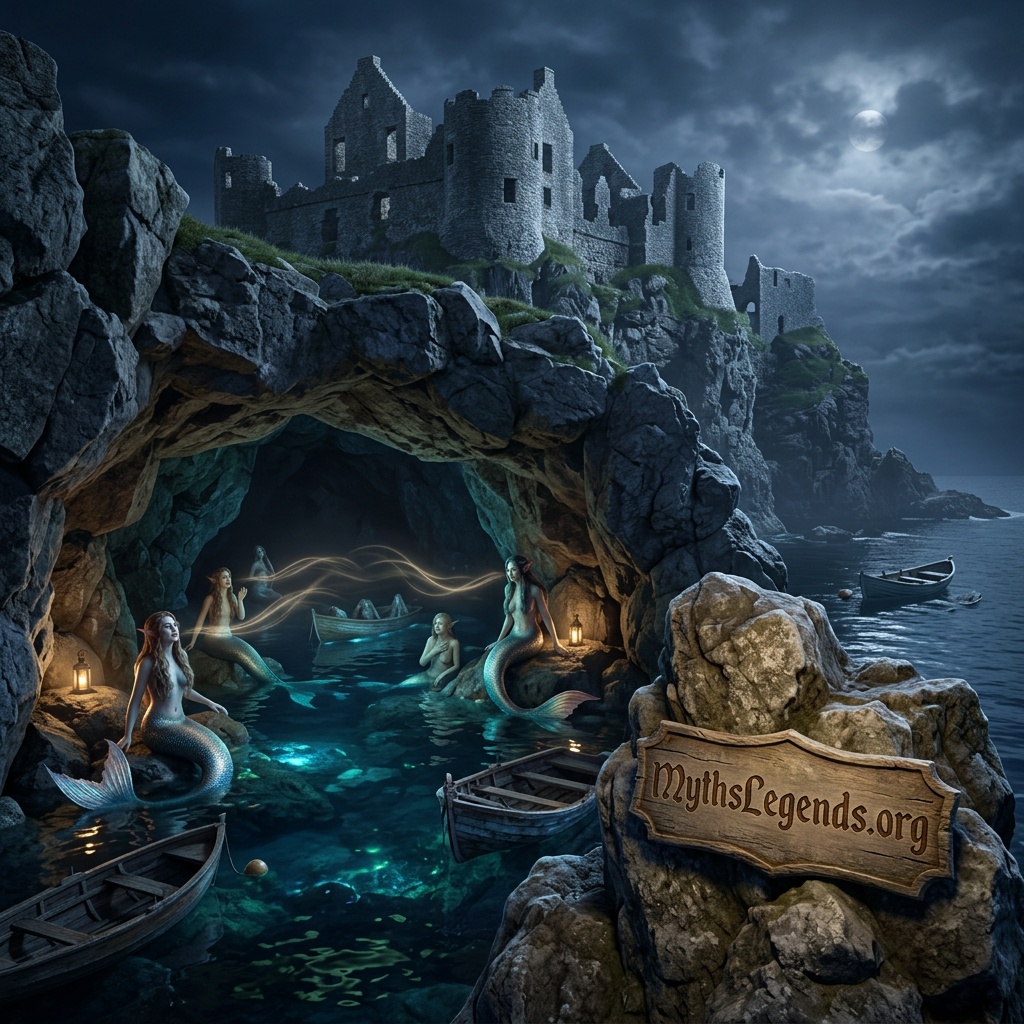
The Myth of the Mermaids – Over the centuries, numerous legends have grown up around the cave beneath Dunluce Castle. One of the most fascinating stories is that of the mermaids who were said to live in the depths of the grotto. The villagers believed that these mythical creatures would emerge from the water at night and sing their beguiling songs to lure sailors. It is said that some fishermen never found their way back after following the songs – a fate often associated with the dangerous beauty of the mermaids. The legend was passed down and embellished over generations. The mermaids were imagined as creatures with long, gleaming hair and sparkling eyes, whose tails shimmered in the moonlight. The cave itself was regarded as their secret refuge, a mystical place that people in those days could neither fully fathom nor explain. Historians suspect, however, that many of these stories may have their origins in the cave’s natural acoustics. The waves rushing through the cave’s narrow passages often produced eerie sounds that vaguely resembled singing. For people of bygone times, who had no access to scientific explanations, it was only natural to associate such phenomena with supernatural beings.
Smuggling and Intrigue – The Reality of the Cave – Whilst the legends of mermaids remained exciting fantasies, in reality the cave played a very different role – one that was far less romantic. Over time, it was discovered by smugglers, who exploited its remote location to secretly bring goods into the castle. Its proximity to the sea made it an ideal spot for illegal activities. Valuable goods such as alcohol, tobacco and other contraband could be transported unseen via the narrow, hidden paths. The strategic position of Dunluce Castle, with its proximity to trade routes and its inaccessible location, offered the perfect cover for such ventures. Historical records and local accounts suggest that the smugglers most likely had close ties to the castle’s garrison. Some even suspect that they operated on behalf of the inhabitants or rulers of Dunluce to circumvent the high customs duties and taxes of the time. The cave itself tells a story of secrets and intrigue that is far less glamorous, yet just as fascinating as the legend of the mermaids. Its use as a smuggling route adds a dark note to its history and highlights the pragmatic side of human creativity in the face of difficult circumstances.
The significance of the cave for Dunluce Castle – The Mermaid’s Cave is inextricably linked to the history of Dunluce Castle. The castle, which served as the seat of the powerful MacDonnell family in the 16th century, was a symbol of strength and influence in the region. Yet its location on the edge of the cliff also made it vulnerable to the ravages of time and the onslaught of the forces of nature. Part of the castle collapsed into the sea in 1639 following a violent storm, during which the complex’s kitchen was also lost. Today, the ruins bear witness to the former splendour of this place, and the cave beneath remains a silent witness to all that the castle and its inhabitants have experienced.
Modern Interpretation and Conservation – Nowadays, the Mermaid’s Cave has taken on a new role. It is a destination for adventurers and history enthusiasts who wish to follow in the footsteps of the past. Hikers and photographers are captivated by its natural beauty and its connection to the legends and historical events that surround it. Nevertheless, it remains a dangerous place, particularly when the sea is rough, which means it is not always accessible. The cave and its surroundings are protected as they form part of Northern Ireland’s cultural heritage. Historians and archaeologists are working to further research its history and safeguard its significance for future generations. Care is also taken to preserve the myth of the mermaids, as it is an important part of the region’s cultural and folkloric identity. Visitors exploring Dunluce Castle are invited not only to discover the castle’s majestic ruins, but also to glimpse the cave’s mysterious passages. It is this blend of history, mythology and natural beauty that makes the Mermaid’s Cave such a fascinating place – a place that allows us both to respect the facts and to let our imaginations run wild.
The Mermaid’s Cave beneath Dunluce Castle is more than just a simple sea grotto – it is a portal to the past and a testament to the connection between humankind and nature. From the eerie legends of mermaids to the historical secrets of smugglers, it has many stories to tell that both amaze and inspire visitors. Whether as a mystical setting or a historical relic, the cave remains a place that captures the imagination and touches the hearts of those who wish to discover its secrets.








Post Comment