The Secret of the Black Woman: A Historical Legend from Charlottenburg Palace
Charlottenburg Palace in Berlin is far more than just a magnificent example of Prussian Baroque and Rococo art. It is a place where history and myth intertwine to form a fascinating tapestry. In particular, the sombre legend of the ‘Black Lady’ lends this historic site a mystical atmosphere. This legend, which centres on the Belvedere in the palace grounds, dates back to the reign of King Frederick William III and still sends a shiver down the spine today.
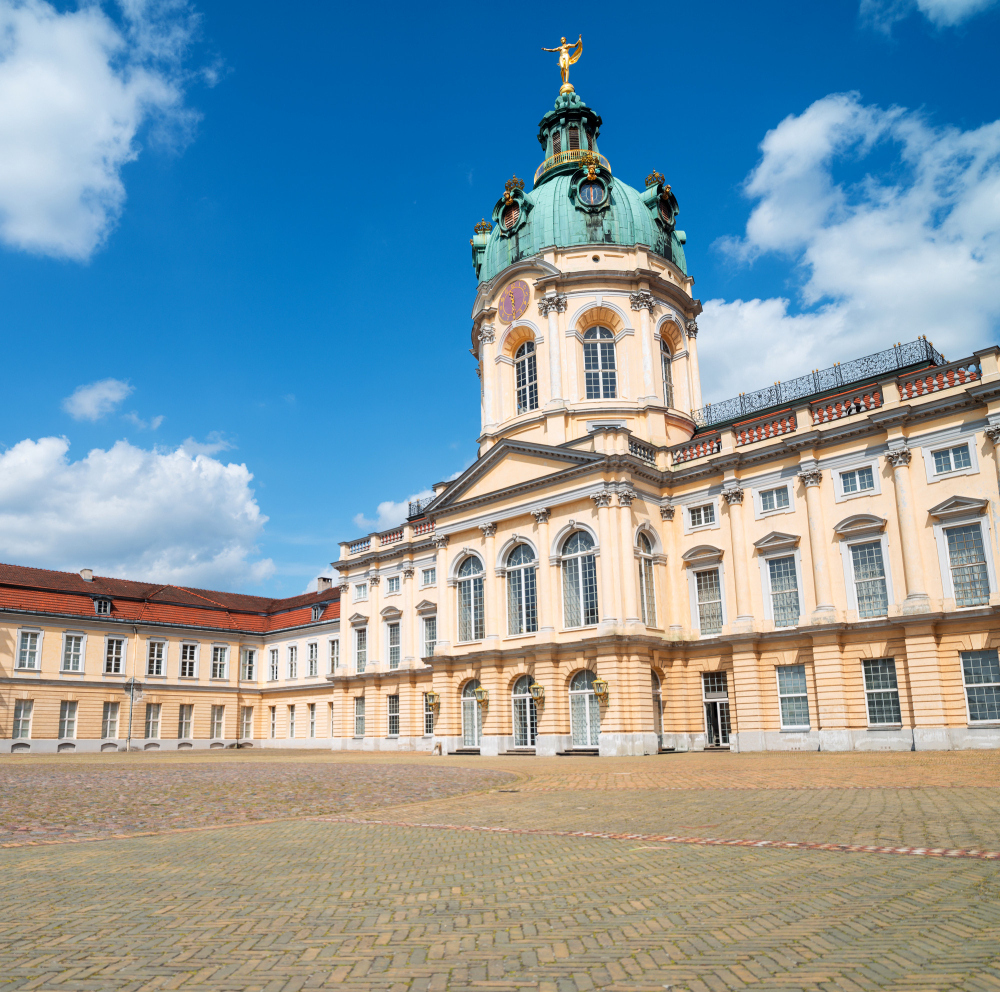
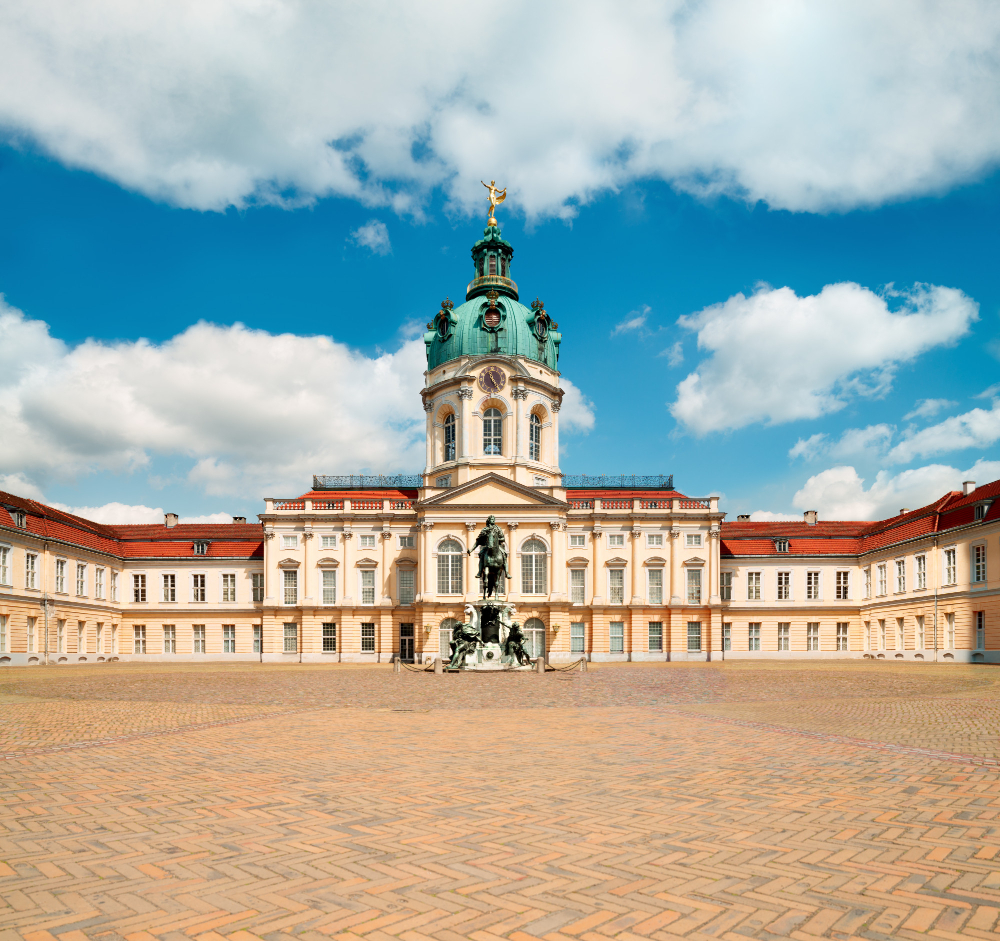
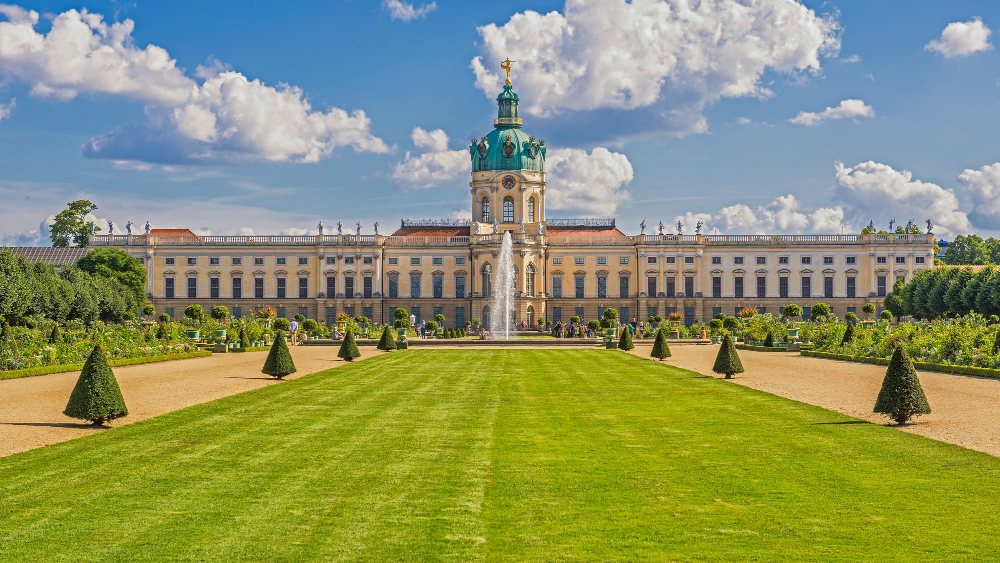
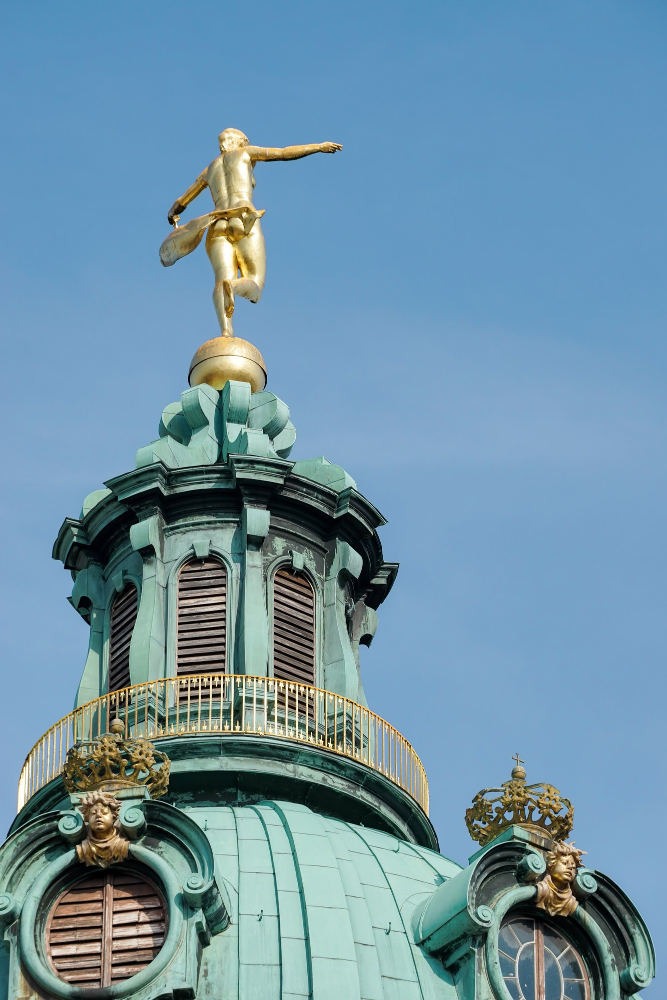
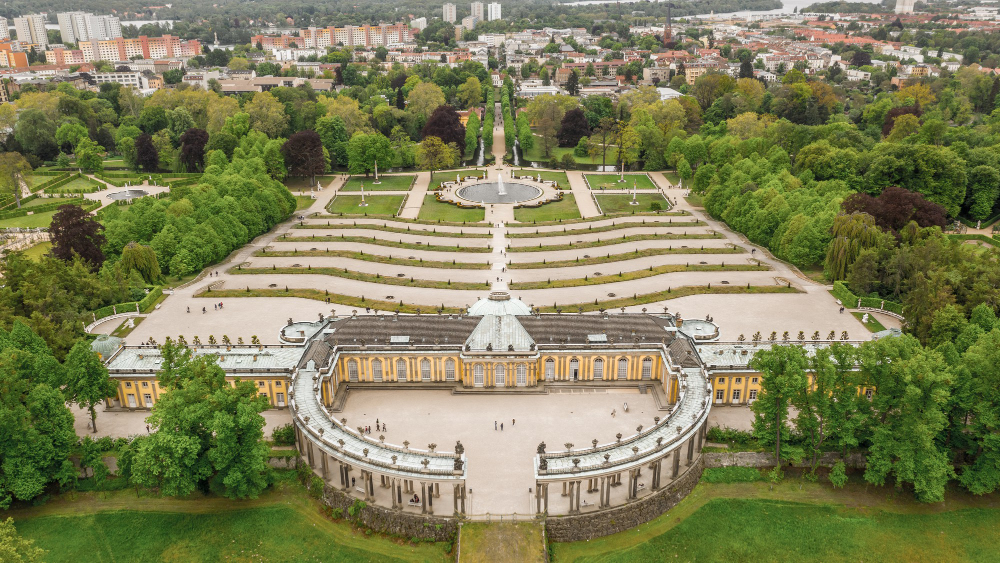
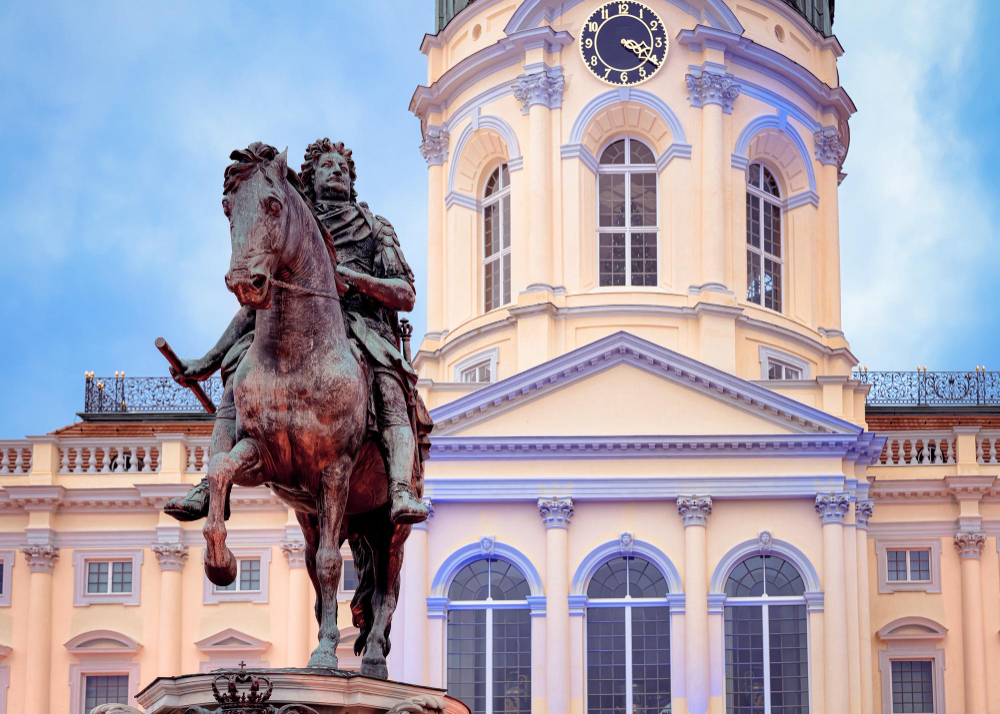
Charlottenburg Palace and the Belvedere Tea House – Before we delve into the mysterious world of the Black Woman, it is worth taking a brief look at the palace itself. Charlottenburg Palace was built at the end of the 17th century at the behest of Electress Sophie Charlotte. Originally planned as a modest summer residence, it developed into an impressive Baroque palace under Frederick I, the first King of Prussia. Surrounded by extensive parks, with elegant pavilions and small structures at its centre, the palace was one of the most magnificent meeting places for the Prussian nobility. One of these structures is the Belvedere, a dainty tea house dating from the late 18th century. With its airy design and picturesque view of the park, it served as a retreat for the nobility of the time, where they gathered for social gatherings, literary discussions and musical performances. Yet legend tells of an evening when darkness and fear intruded upon this idyll.
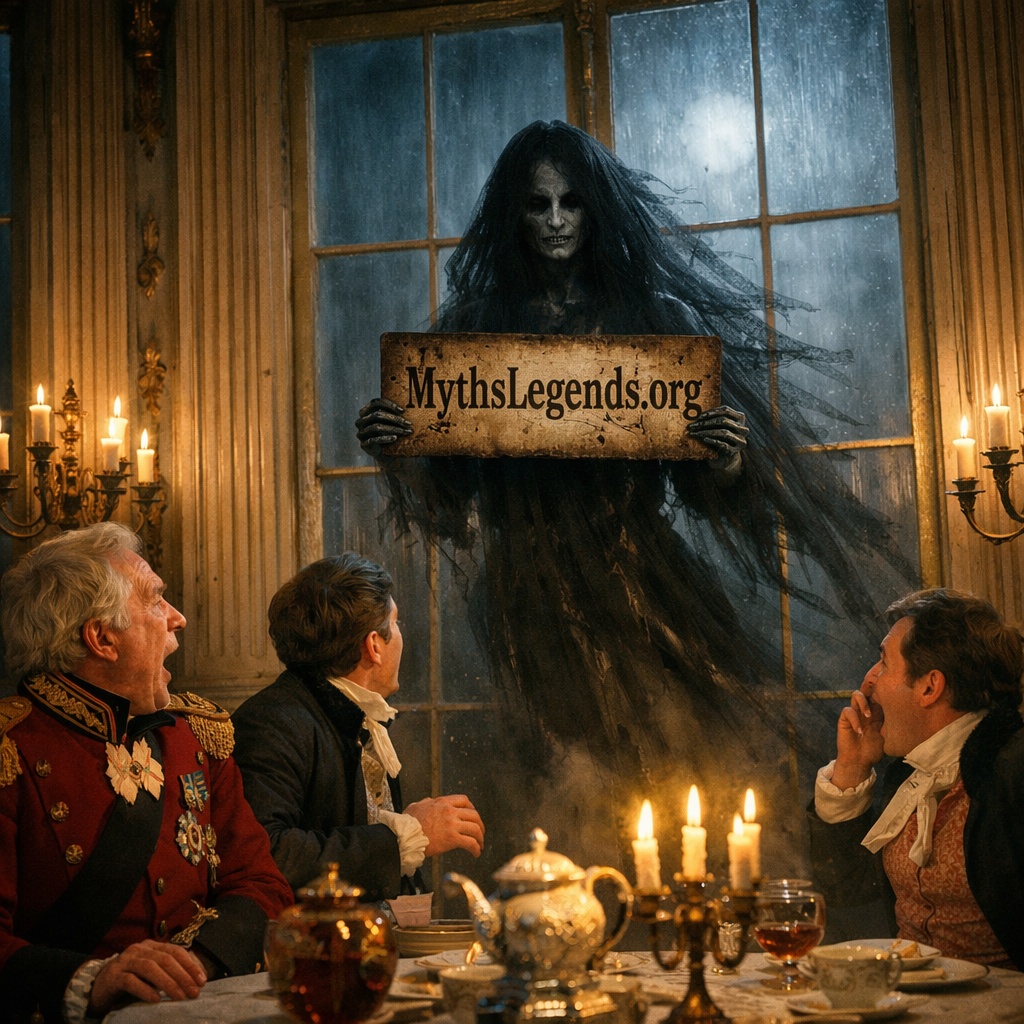
A ghostly encounter at the Belvedere – The story begins in the first half of the 19th century, whilst Frederick William III was still on the throne. On a cool evening, high-ranking statesmen and dignitaries gathered at the Belvedere for an exclusive evening reception. The atmosphere was cheerful; tea and wine were served, and lively discussions on political and social topics took place. But suddenly, something unexpected happened. Eyewitnesses later reported an eerie apparition: a female figure dressed entirely in black glided silently past the windows of the tea house. Her veil concealed her face, but an aura of menace and unease is said to have gripped everyone present in the room. At first, people thought it was a prank or a joke played by a member of staff. But as the mysterious apparition glided past a second and third time, all cheerfulness gave way to fear. Some of the guests present are said to have rushed outside in a panic to confront the black figure – yet no one was to be seen in front of the Belvedere. The garden lay in cold silence. Where the Black Woman should have been standing, not the slightest trace could be found. It quickly became clear to many: this was no ordinary intruder, but a supernatural apparition.
Symbolism and significance of the Black Woman – The Black Woman is a recurring figure in European folklore and appears in various contexts – sometimes as a harbinger of death, sometimes as a restless spirit. In the legend of Charlottenburg Palace, she is often associated with impending disaster or impending political crises. Some historians suggest that the legend has its roots in the period of the Napoleonic Wars, which brought Prussia to the brink of collapse. Frederick William III himself was regarded as a weak ruler who had been humiliated by the defeats at Jena and Auerstedt. In this context, the Black Woman could be understood as a projection of the fears and uncertainties of that era. Her appearance at the Belvedere, a venue for cultural and political discourse, may have symbolised the emerging fear of further failure or even of a new war. Other interpretations give the black figure a more personal character. Some believe she is the restless spirit of a former servant or lady-in-waiting who met a tragic end in the palace. It is speculated that she met her end either through betrayal, unrequited love or a fatal accident, and has been unable to find peace ever since. Her dark clothing and veiled head could be interpreted as signs of mourning or lost honour.
Between Truth and Myth – As with many historical legends, it remains unclear how much truth there actually is in this story. To this day, there is no evidence to confirm the existence of the Black Woman. Nevertheless, her legend resurfaces time and again, particularly during guided tours of the castle grounds or at events exploring Berlin’s city history. Interestingly, the description of the ‘Black Woman’ corresponds to figures that appear in other German and European legends. In North German folklore, there are similar figures who are often associated with water spirits or unhappy souls. Stories about the phenomenon of the ‘Woman in Black’ are also known in southern Germany. These parallels suggest that the legend of Charlottenburg Palace is part of a wider cultural heritage.
The Legend’s Influence Today – Beyond academic interpretations, the legend of the Woman in Black remains a captivating subject that fascinates both history enthusiasts and fans of the supernatural. Particularly during the dark winter months or on misty autumn evenings, it seems as though one can hear the whispers of old stories in the palace grounds. Thanks to modern media, the story of the ‘Woman in Black’ has found new channels through which it lives on. Online discussions, podcasts and even short documentaries repeatedly revisit the topic, leaving room for speculation. The annual historical guided tours on the grounds of Charlottenburg Palace also like to incorporate the story to give visitors a touch of mystique.
An immortal legend – Whether the ‘Woman in Black’ really existed or is merely the product of a vivid imagination remains an unsolved mystery. What is certain, however, is that the legend of the Belvedere in Charlottenburg Palace’s park ranks among Germany’s most fascinating legends. It combines the historical realities of a turbulent era with the universal fascination for the unknown and the supernatural. Even today, the story continues to inspire writers, artists and the curious who seek answers in the shadows of the past. Perhaps that is precisely the secret of the Black Woman: she reminds us that the boundaries between reality and myth are sometimes surprisingly blurred. And who knows – perhaps one evening she will float past the windows once more, to remind us that history is more alive than we think.
















Post Comment