
Erfurt: The Latrine Disaster of 1184
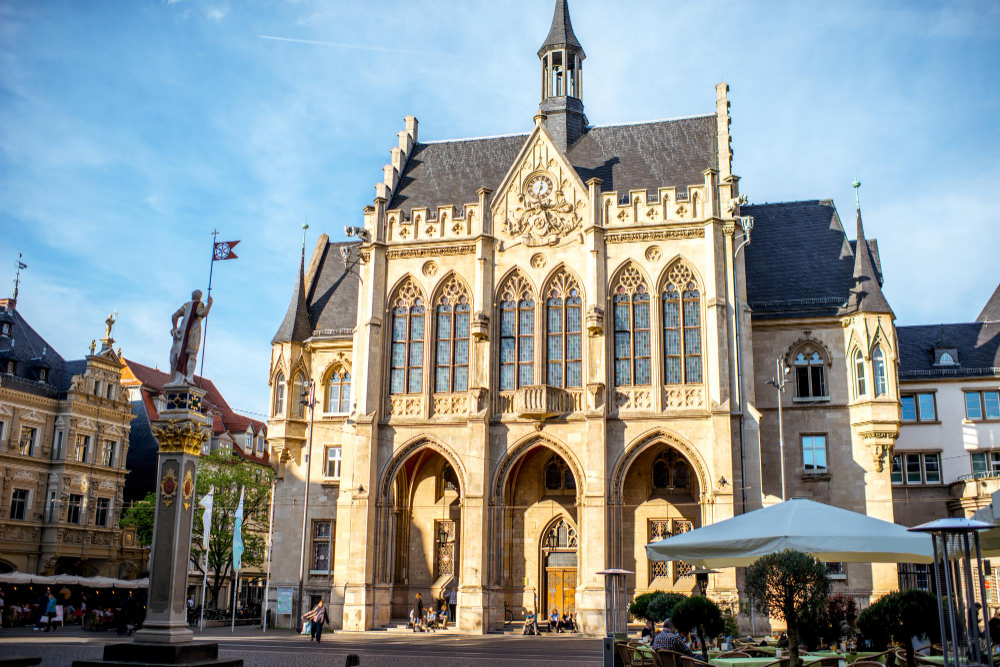
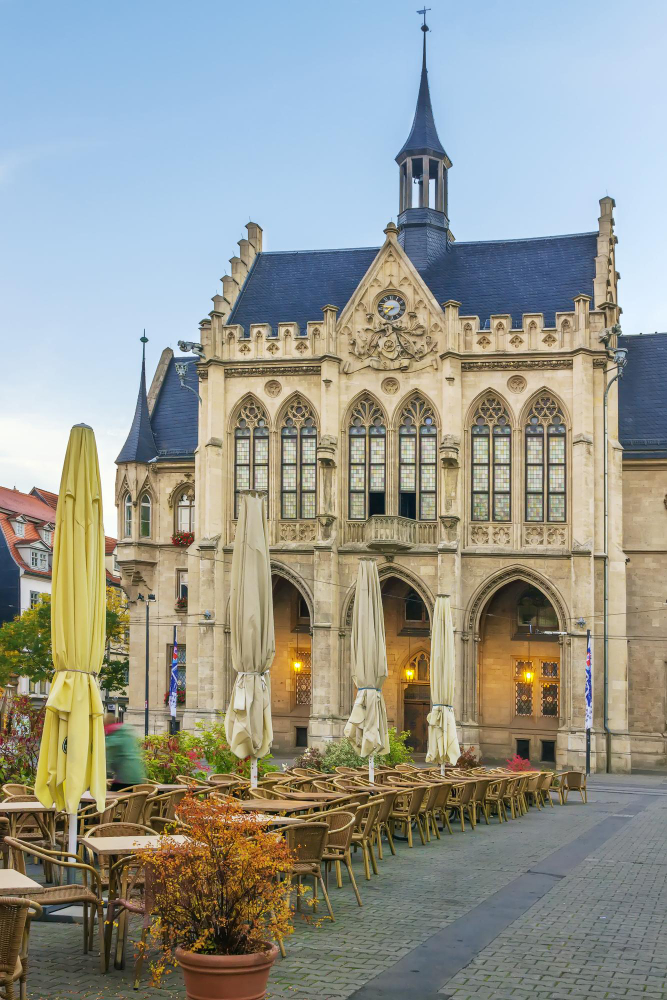
The city of Erfurt, renowned for its enchanting architecture and historic charm, is not only a place of great beauty, but also a treasure trove of fascinating stories and legends. Over the past centuries, the capital of Thuringia has established itself as a major hub for trade, culture and politics. Yet behind the picturesque façades and breathtaking sights lies a history that not only fills one with pride but also brings a smile to one’s lips – as the legend of the ‘Erfurt Latrine Disaster’ impressively demonstrates.
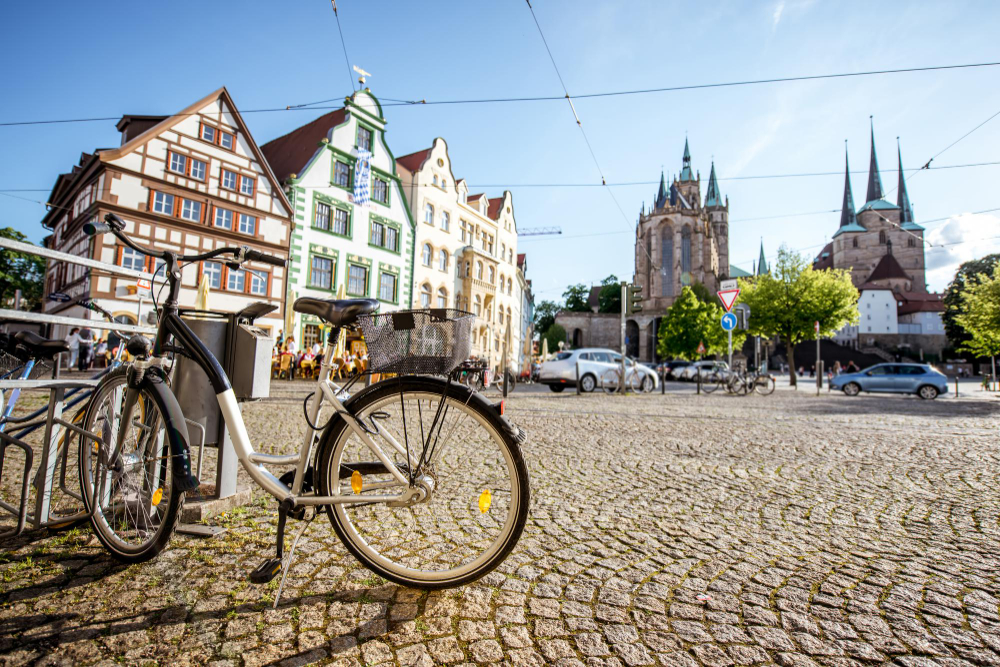
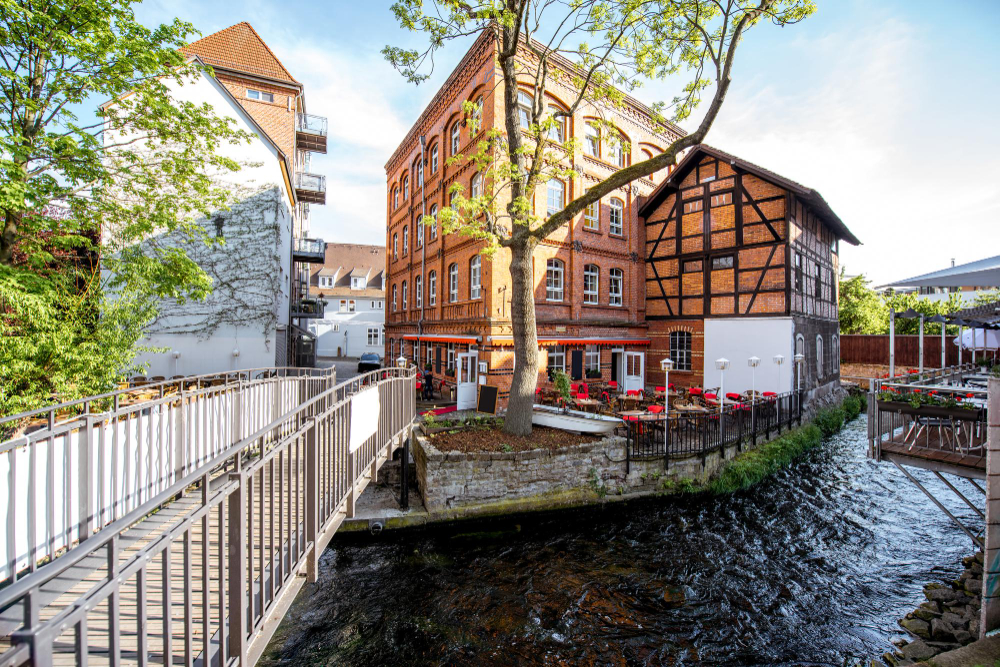
The setting: Medieval Erfurt – In the Middle Ages, Erfurt was an important city in the Holy Roman Empire. Its strategic location on trade routes and its proximity to the River Gera made it a key economic and political centre. The city’s many churches and monasteries also underscored its religious significance, not least through the imposing cathedral, which remains a landmark of Erfurt to this day. It is against this historical backdrop that the now world-famous legend of the ‘Erfurt Latrine Disaster’ unfolds, showing us that even glamorous cities like Erfurt are not immune to curious and tragic events.
The Latrine Disaster of 1184: A Historical Grotesque – The year 1184 marks one of the most bizarre events in Erfurt’s history, one that is both tragic and grotesque. It was 26 July, a hot summer’s day, and a high-profile court hearing was taking place at St Peter’s Monastery on the Petersberg. Landgrave Ludwig III of Thuringia had invited representatives of the nobility and the clergy to this assembly to discuss political and legal matters. The assembly was of great significance, as many influential figures from the Holy Roman Empire had travelled there. Yet what was intended as an important meeting of the political elite turned into a catastrophe of historic proportions. The floor of the assembly hall, which was situated above a latrine and made of wood and stone, could no longer bear the weight of the numerous attendees. Suddenly, it collapsed under the strain, and a large number of those present fell into the latrine below – a mixture of a sewage tank and a pit. The consequences were fatal: many of the guests lost their lives in the sewage, whilst others were seriously injured and had to be laboriously rescued. Chronicles report that the stench and chaos were immeasurable. This tragicomic event went down in history as the ‘Erfurt Latrine Disaster’ and is still viewed today with horror and a touch of gallows humour.
The consequences of the disaster for Erfurt – Historians believe that the latrine disaster contributed to the city’s reputation in the long term – albeit not necessarily in a positive way. On the one hand, it meant that Erfurt was prominently mentioned in the chronicles and reports of the time, which increased the city’s profile. On the other hand, for many years it was dogged by a reputation as a city rife with misfortunes and questionable building structures. Nevertheless, this event does not seem to have permanently damaged Erfurt’s reputation, as the city has repeatedly asserted itself as a cultural and economic centre despite everything.
The Legend in Literature and Culture – The Erfurt Latrine Disaster is not only a historical event but also a source of literary inspiration. Numerous writers and historians have incorporated this grotesque incident into their works. Consequently, the story frequently appears in collections of curiosities and anecdotes from the Middle Ages. Through this literary treatment, the legend has remained alive and has helped to preserve Erfurt’s history right up to the present day. Furthermore, the Erfurt latrine disaster has earned the city the dubious reputation of being the ‘City of Sewers’ – a title its inhabitants would certainly prefer to leave behind. Nowadays, however, the legend is viewed more with humour and serves as proof that history sometimes takes stranger turns than one can imagine.
Erfurt’s Approach to Its History – What sets Erfurt apart is the ability of the city and its inhabitants to learn from their own past and not to sweep even the most tragic events under the carpet. Instead, such stories are used to highlight the city’s uniqueness and authenticity. In fact, the latrine disaster is now one of the well-known anecdotes used to introduce tourists to the city in a humorous way. The legend is frequently recounted on city tours, not only to elicit a laugh from visitors, but also to convey a piece of unvarnished history.
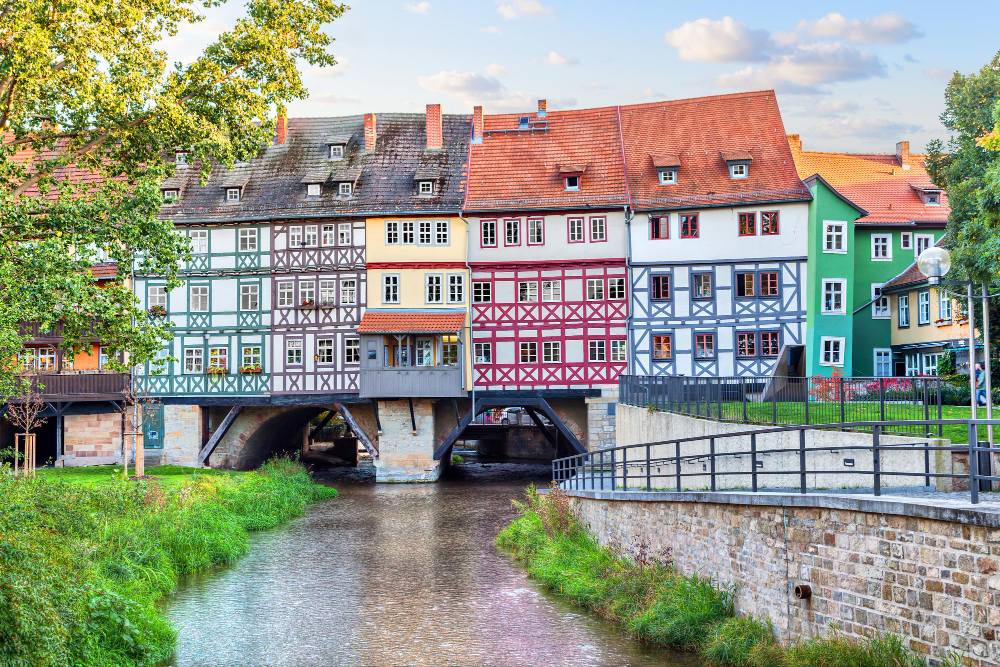
More fascinating stories from Erfurt’s past – Of course, the latrine disaster of 1184 is just one of many fascinating episodes from Erfurt’s history. The city can look back on a wealth of legends and stories that are as captivating as they are curious. For example, mysterious tales surround the Krämerbrücke, the city’s landmark. It is said that a merchant once made a pact with the devil there to secure his wealth – yet ultimately, according to historical accounts, his life of luxury came at a high price. The reformer Martin Luther is also closely associated with Erfurt. He studied here at the university before playing a central role in the Reformation. The University of Erfurt, founded as early as 1379, is one of Germany’s oldest educational institutions and played a key role in the city’s development into an intellectual centre.
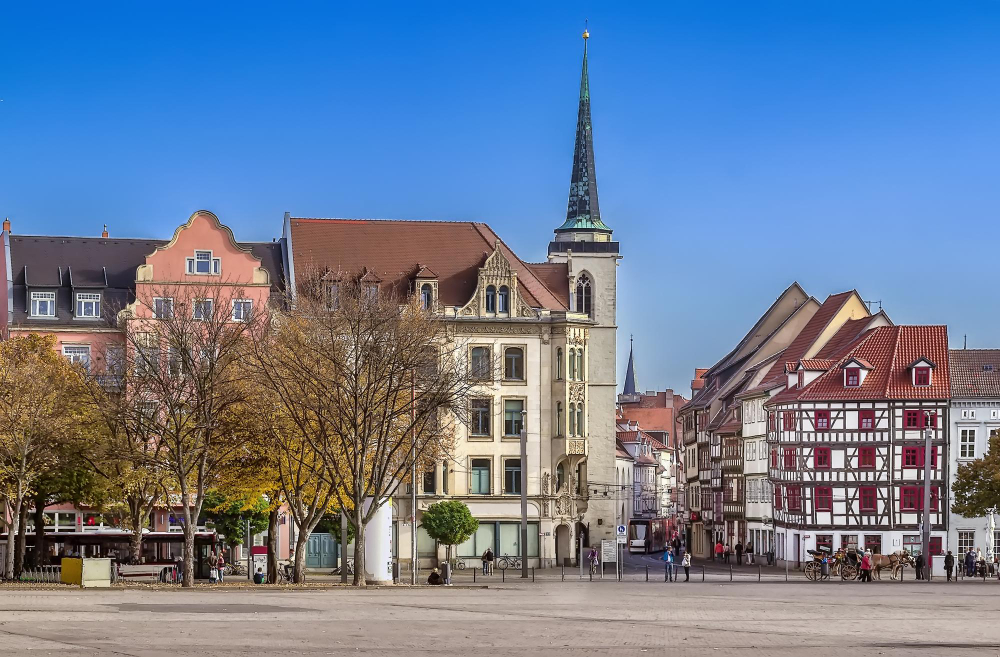
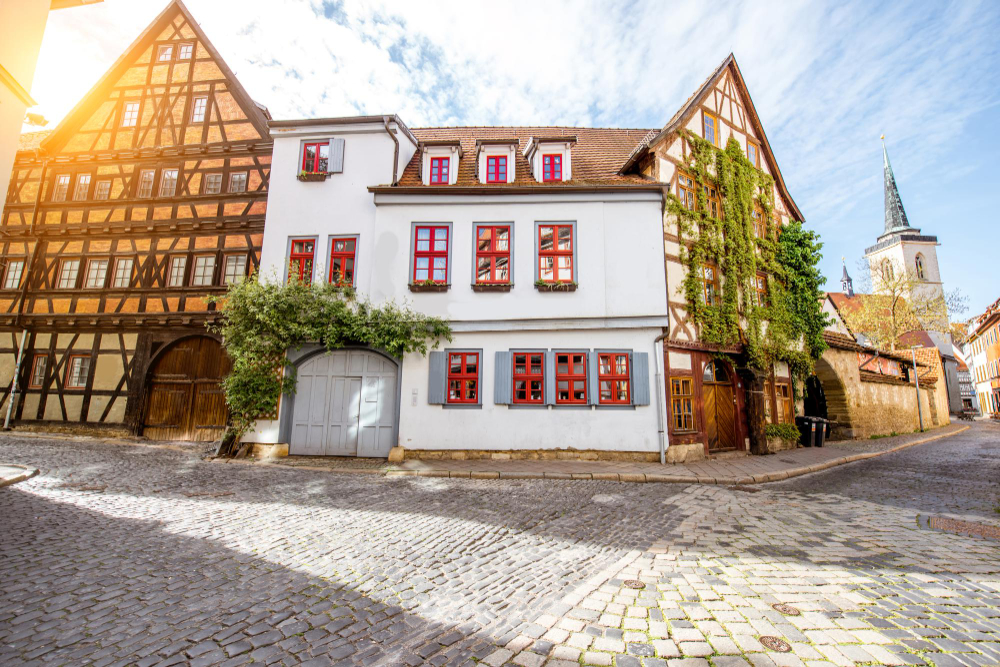
From the past to the present – Today, Erfurt presents itself as a modern city that has succeeded in preserving its historical significance whilst looking to the future. With its impressive old town, a vibrant arts and culture scene, and a diverse culinary offering, it attracts thousands of visitors every year. The stories and legends surrounding the city are an essential part of its charm. They lend Erfurt a touch of mystique and serve as a reminder that every historical site also has a human side – full of mistakes, drama and unpredictable events.
Erfurt – more than just a historical backdrop – Erfurt is not simply a city with impressive architecture and a rich historical past – it is a living testament to how history shapes a place and creates a unique identity. The legend of the ‘Erfurt Latrine Disaster’ may seem curious and macabre, but it also serves as a reminder that history preserves small, strange moments that make people smile or give them food for thought. Visitors to the city would therefore do well not only to explore sights such as the cathedral or the Krämerbrücke, but also to immerse themselves in the stories and legends that make Erfurt a unique place. For here it becomes clear: it is the extraordinary and sometimes absurd events that shape a city’s character forever. And Erfurt, with all its beauty and its whimsical stories, is a prime example of the diversity and fascination of German cities.





















Post Comment