
The Myth of the Torre de Belém: Truths and Legends Surrounding the Landmark on the Tagus
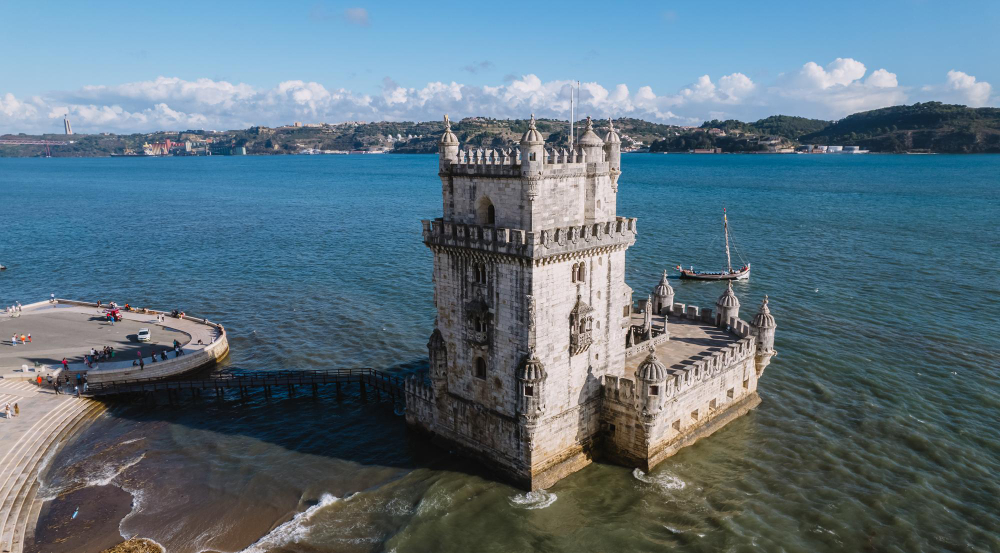
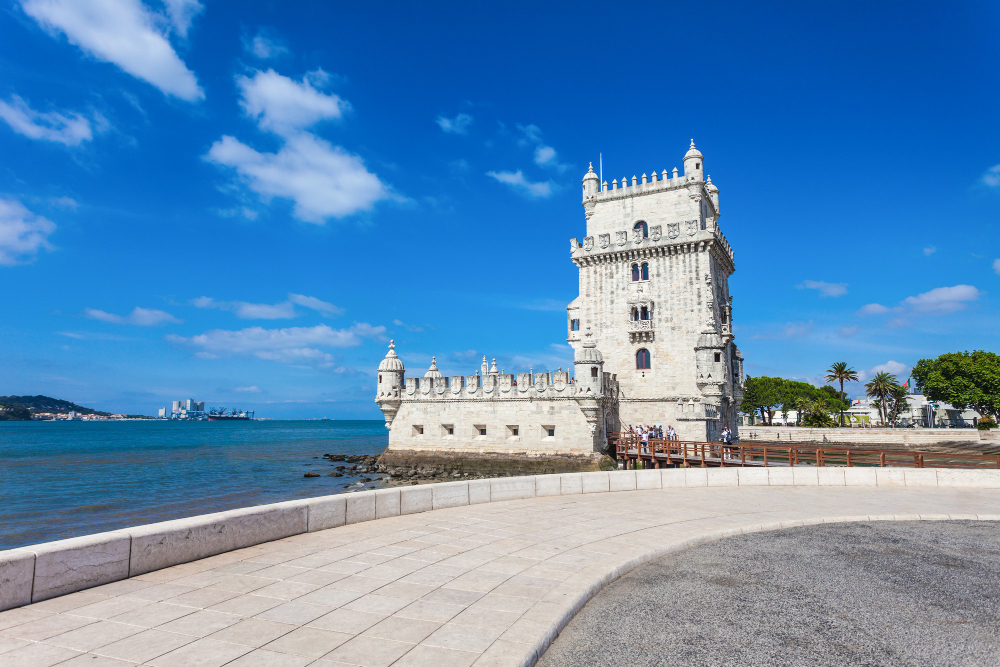
Hardly any other building in Portugal is as closely linked to the history, legends, and myths surrounding Lisbon as the Torre de Belém. This imposing 16th-century structure is not only a masterpiece of Manueline architecture but also the source of numerous stories passed down from generation to generation. One particularly persistent legend claims that the tower originally stood in the middle of the Tagus and only moved closer to the coast due to changes in the riverbed following the devastating earthquake of 1755. But what is really behind this story—and what other secrets does the tower hold?
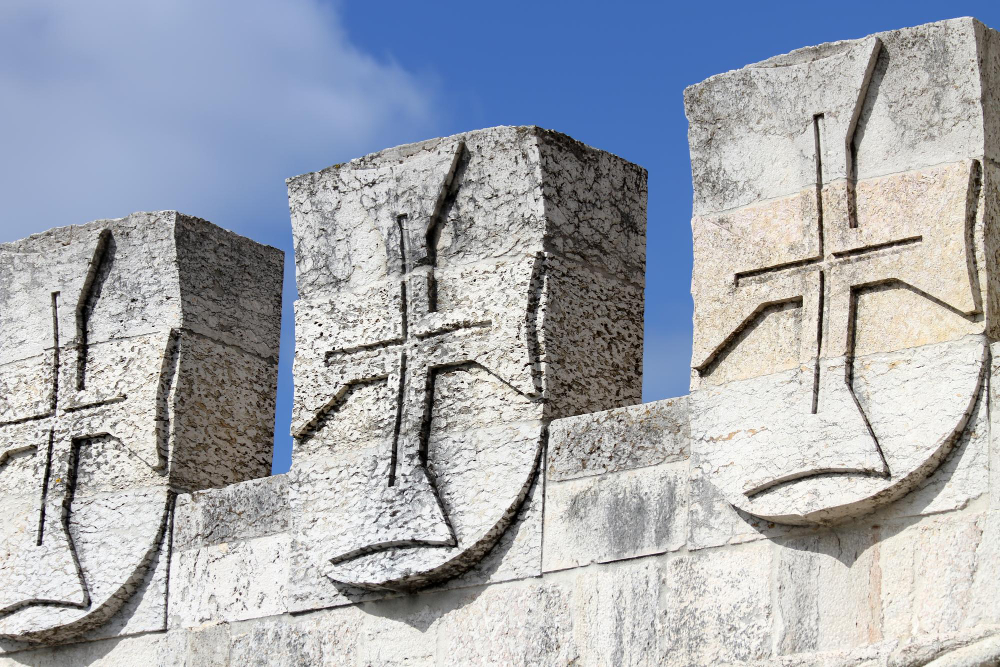
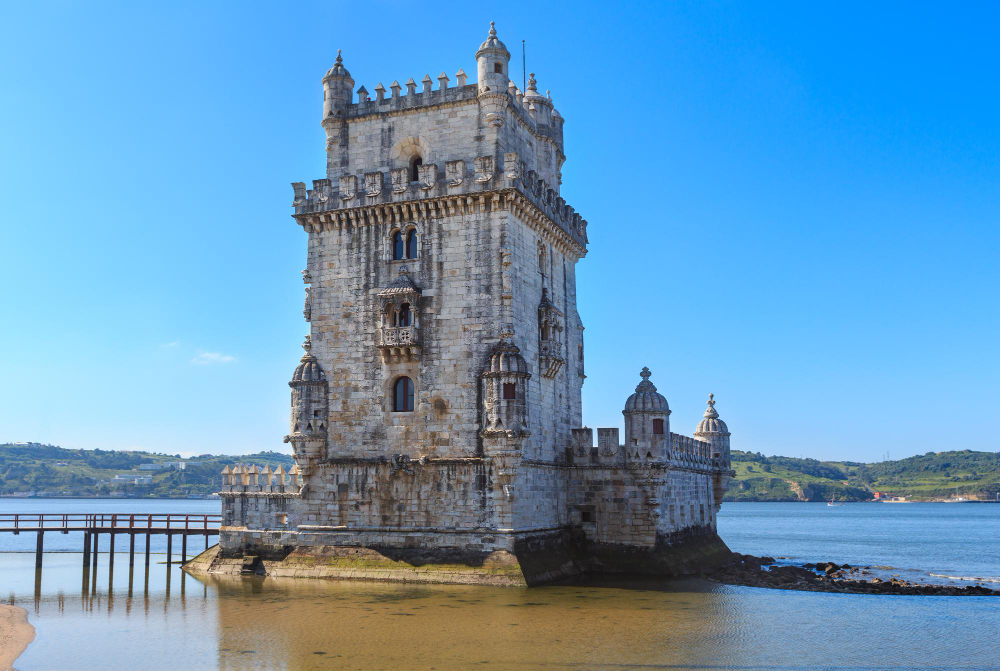
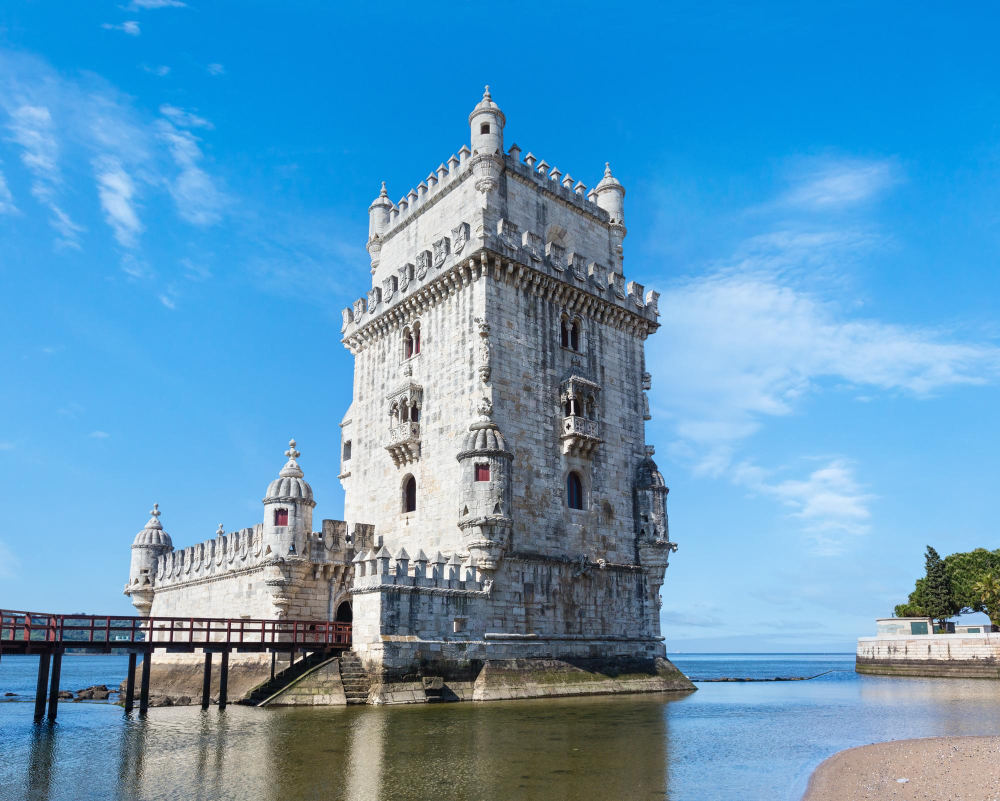
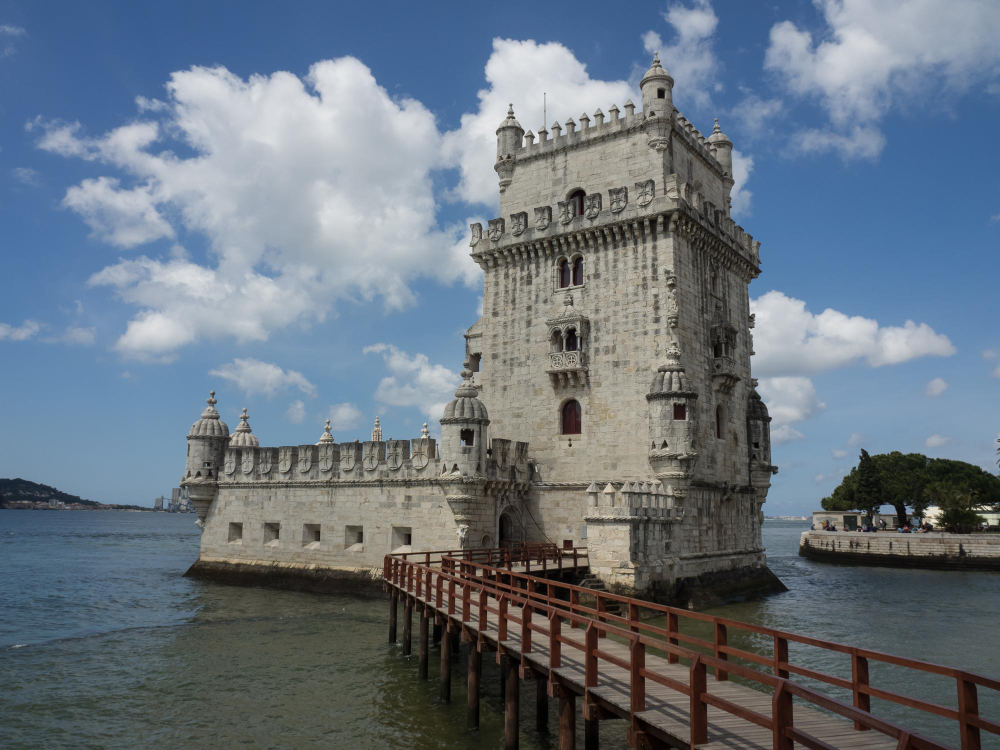
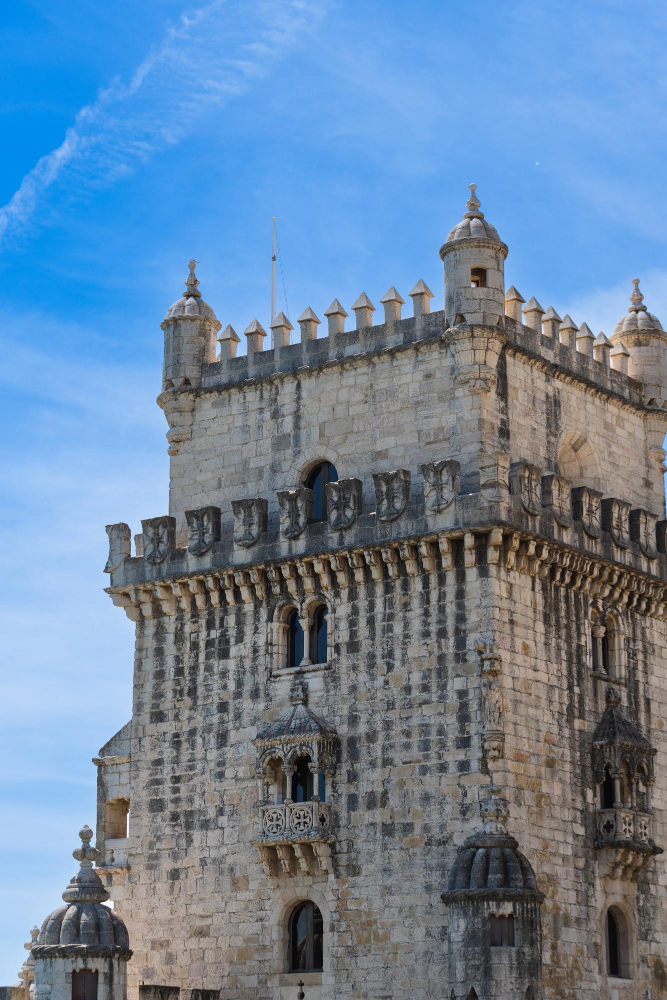
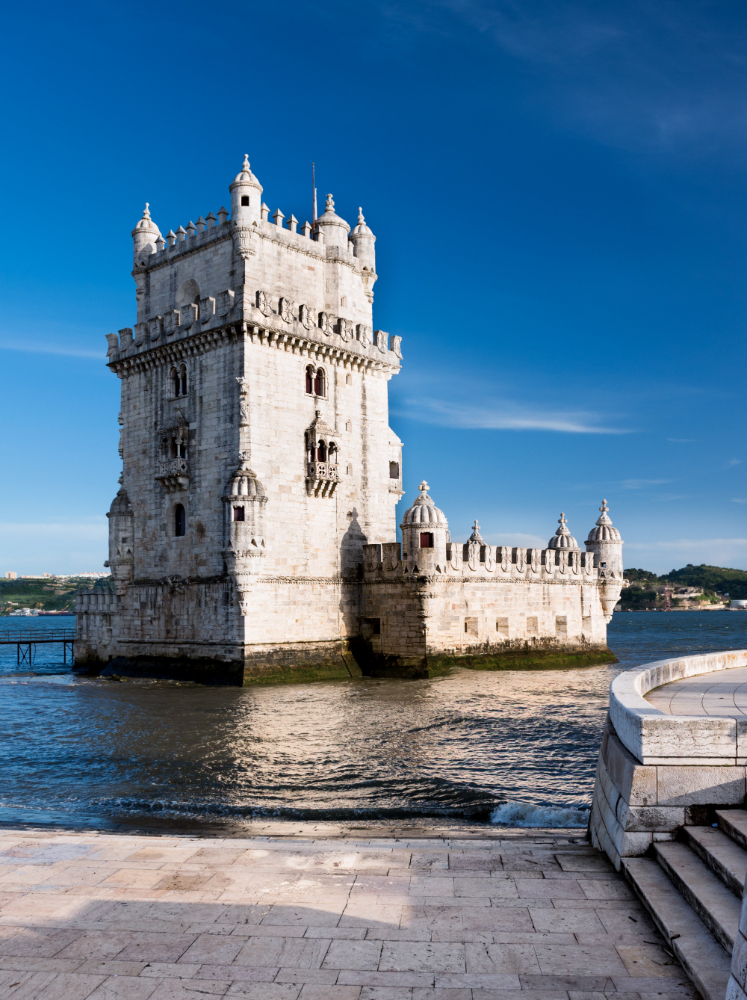
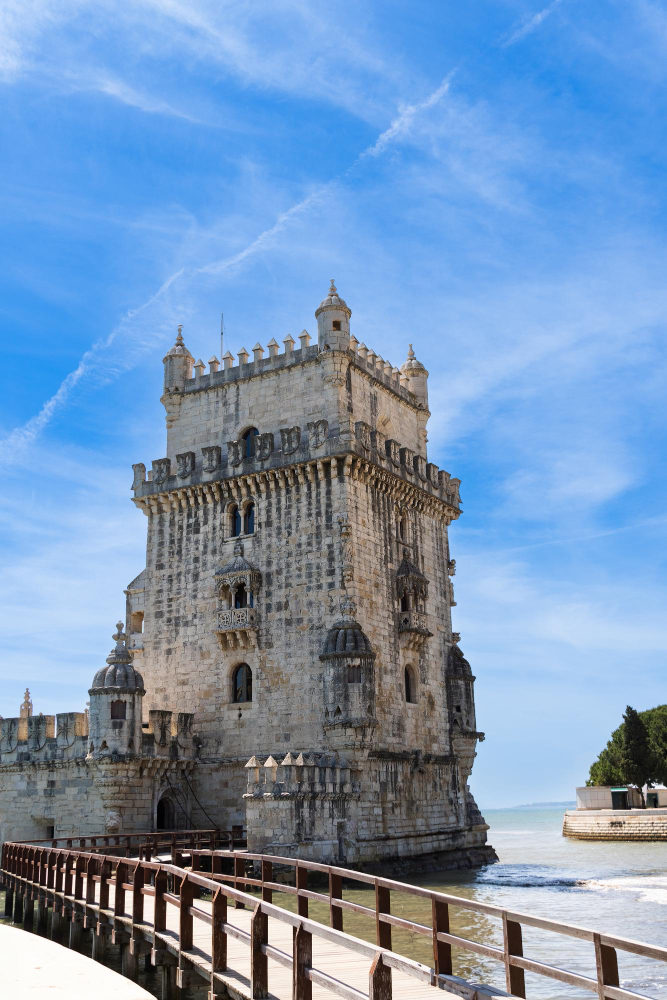
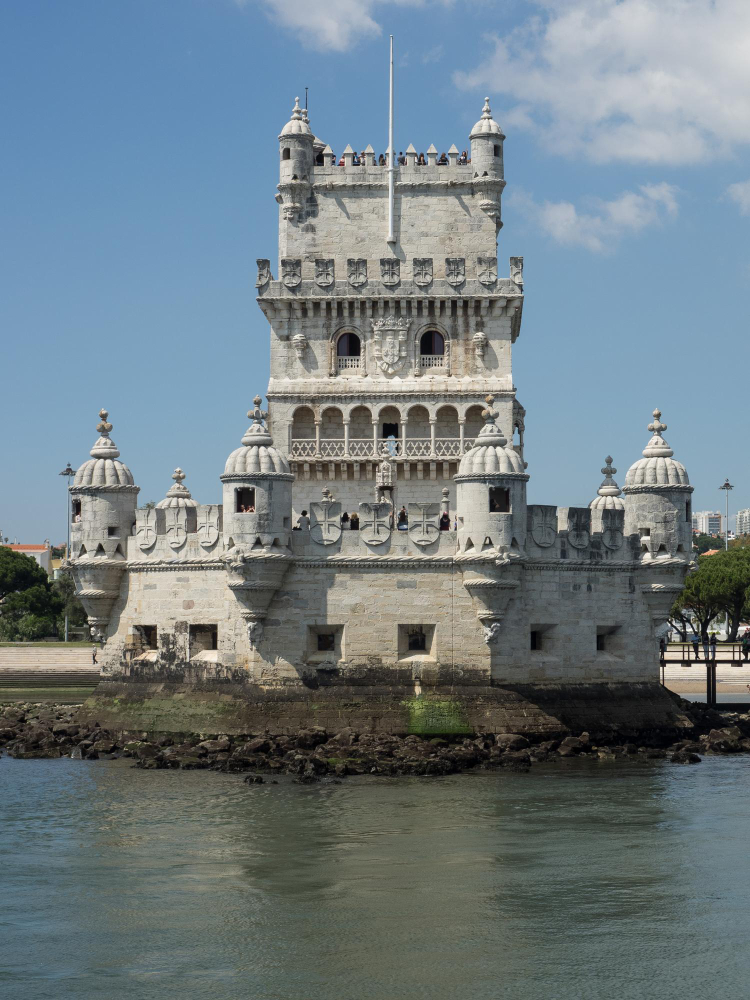
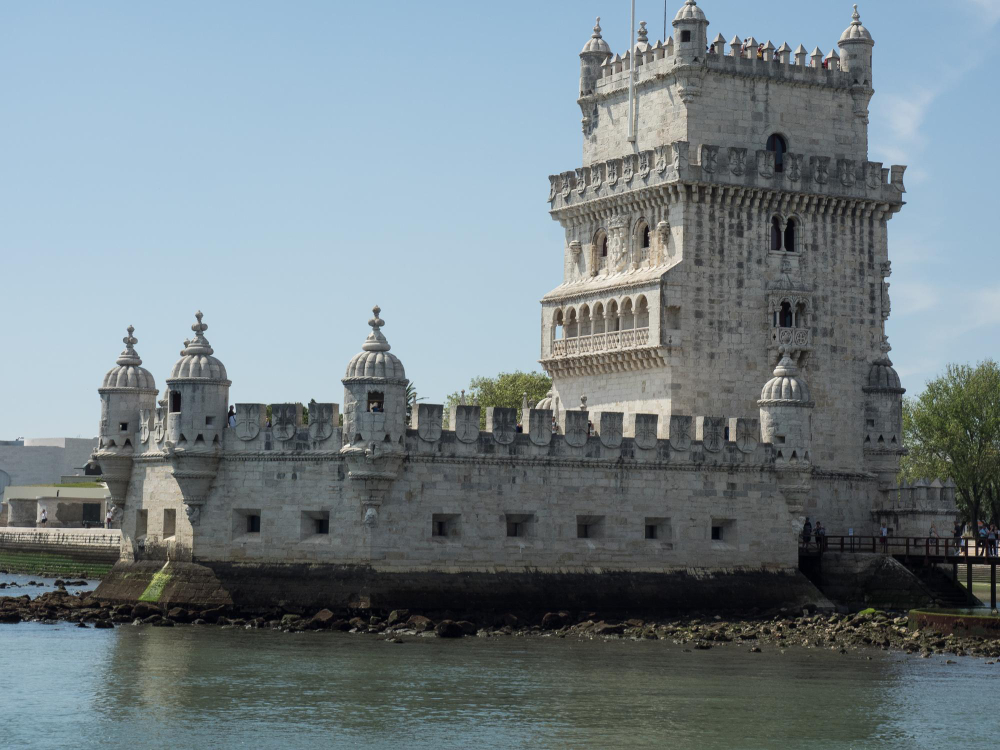
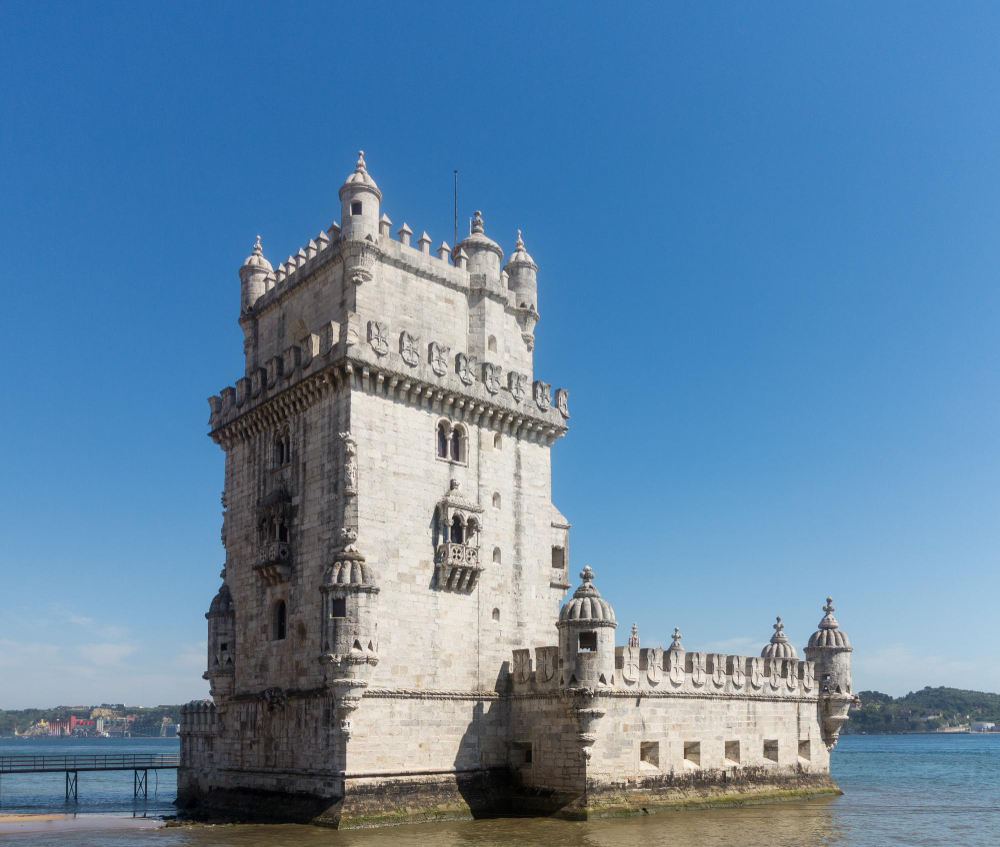
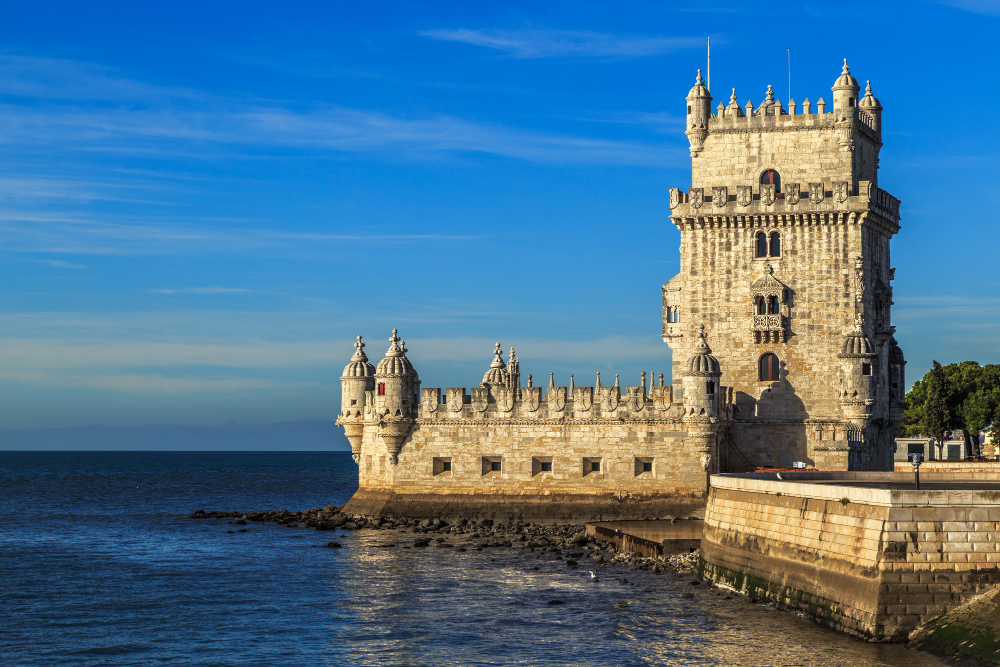
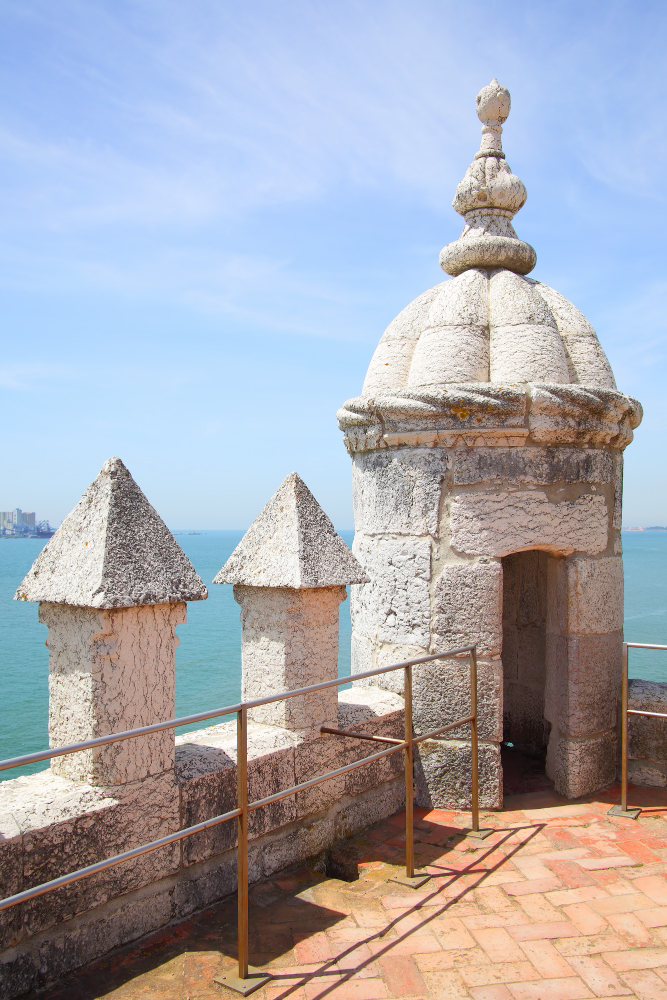
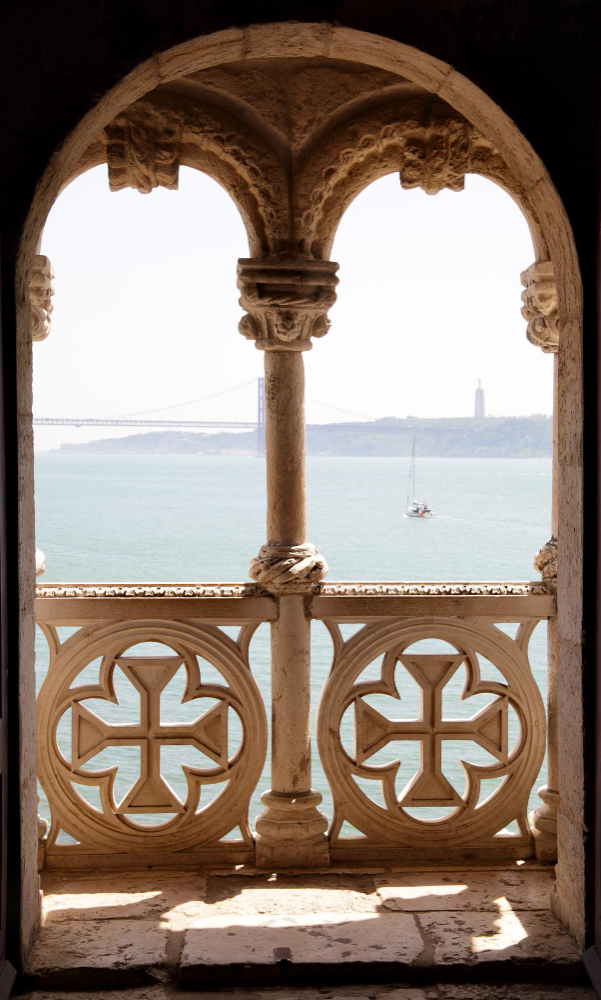
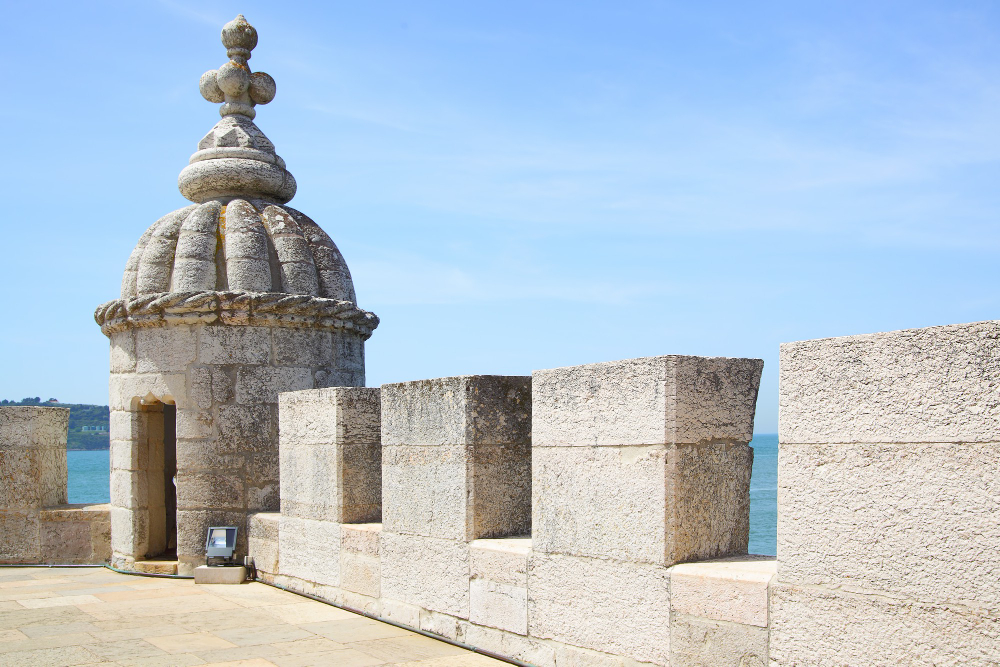
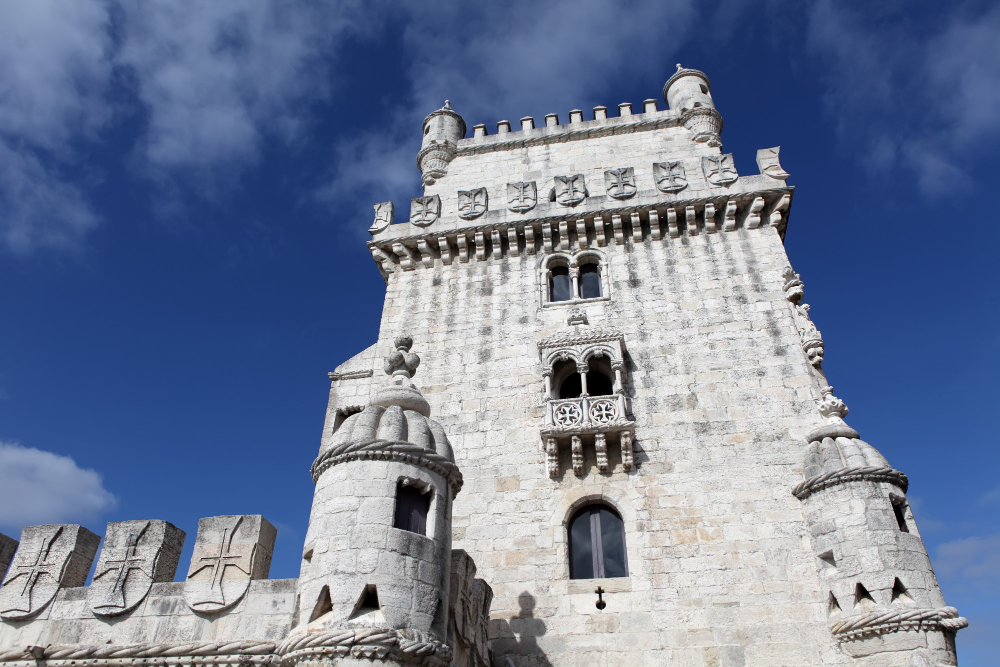
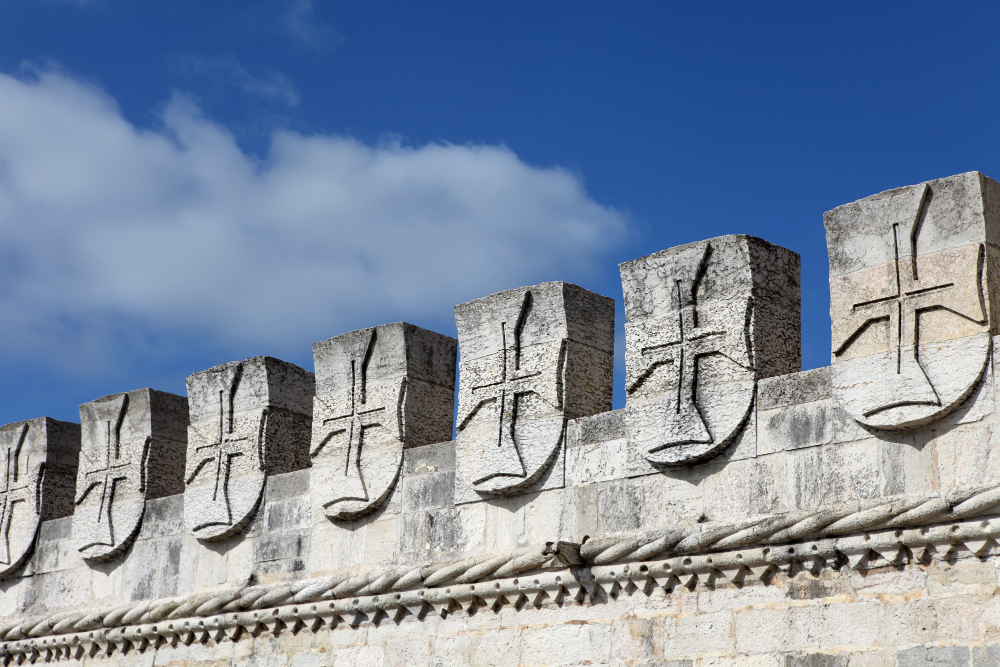
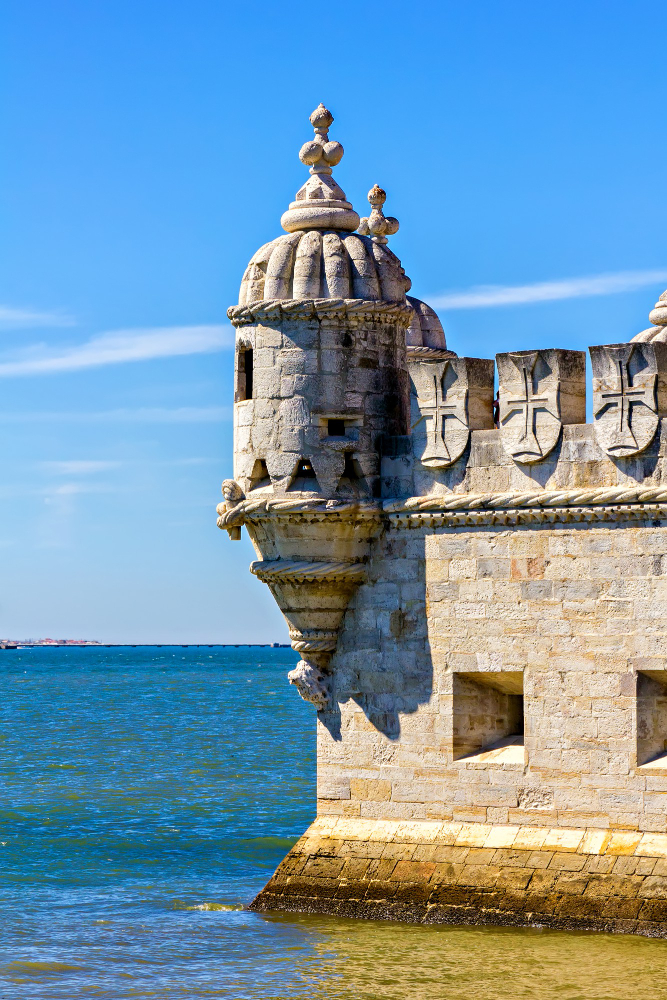
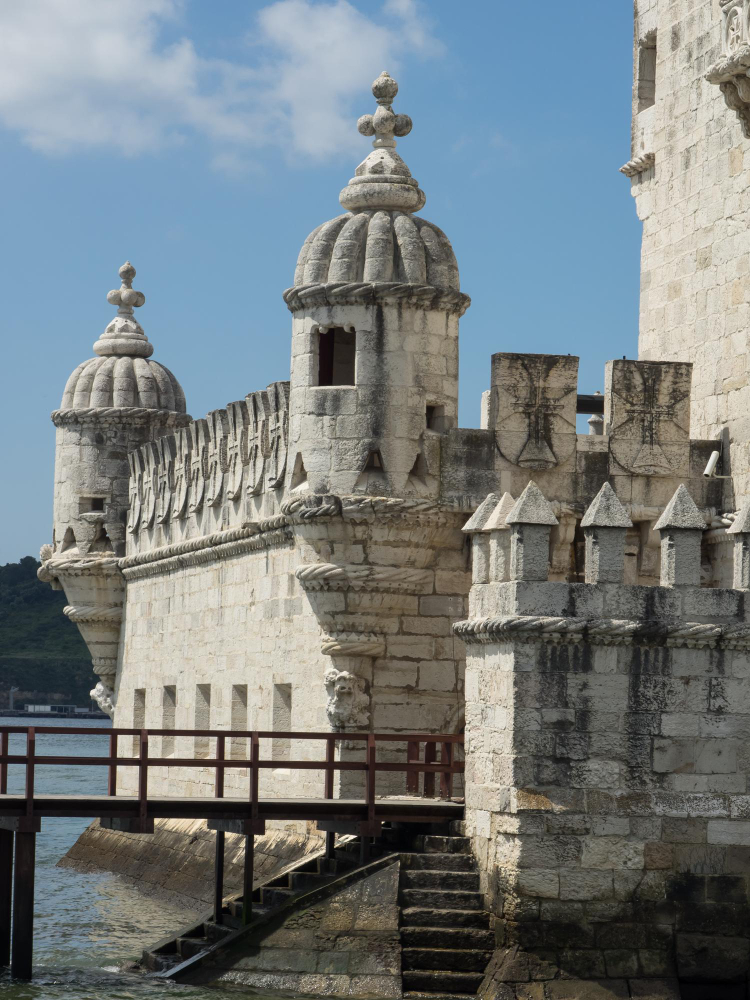
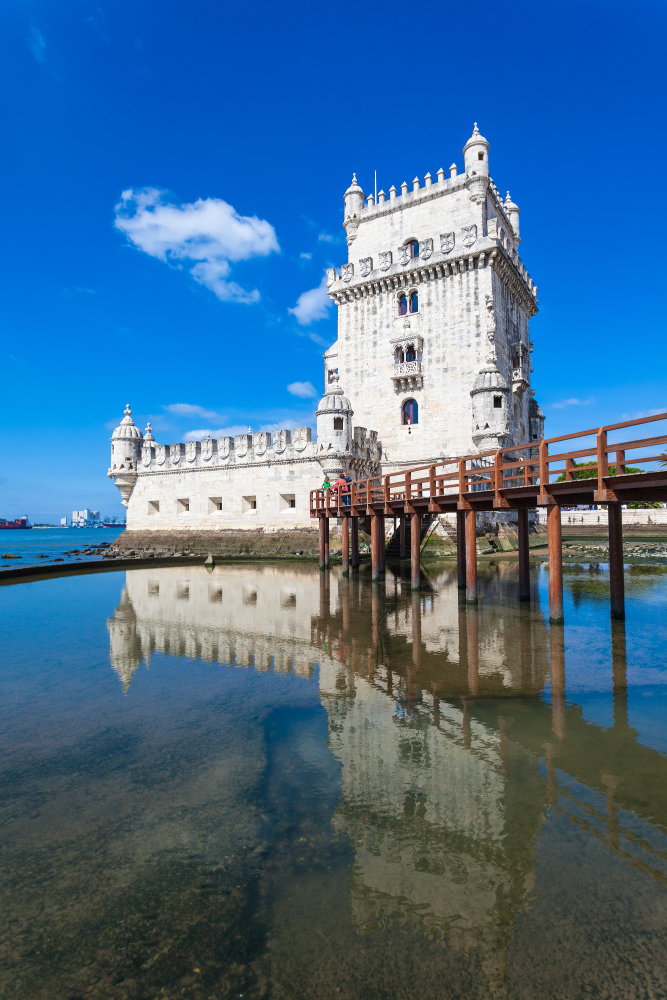
The Fascination of the Torre de Belém: A Symbol of Power and Discovery – To fully understand the significance of the Torre de Belém, one must first consider its historical role. The tower was built between 1514 and 1520 under the reign of King Manuel I and originally served as a fortress to defend the port of Lisbon. Its strategically advantageous location made it a central component of Portugal’s maritime security during the Age of Discovery. For seafarers, it was also a symbolic landmark that marked their entry into the open sea or heralded their return home. The tower’s style, which perfectly embodies Manueline architecture with its ornate masonry, reflects Portugal’s wealth and power during the heyday of its discoveries. From decorative elements such as filigree ropes and knotted stones to imposing coats of arms, the Torre de Belém displays an artistic diversity that sets it apart from other structures of its time. Yet its beauty alone is not enough to explain the countless stories that surround it—this is where the myths come into play.
The Myth of the Shift: From the Riverbed to the Mainland – One of the most popular legends describes how the Torre de Belém once stood in the middle of the Tagus River. This notion is often linked to the natural disaster of 1755—the devastating earthquake that shook Lisbon and destroyed large parts of the city. According to the legend, the earthquake caused a shift in the Tagus’s riverbed, bringing the tower closer to the shore and thus giving it its current location. At first glance, this sounds plausible, as the earthquake did indeed trigger massive geological and structural changes throughout Portugal. Yet the scientific facts tell a different story. Archaeological investigations and historical documents clearly show that the Torre de Belém never stood in the middle of the river. Rather, it was built on a small island near the coast. The reason for its current proximity to the mainland lies not in a sudden natural event, but in a slow shift of the coastline over the centuries. Through sediment deposits and human intervention, such as land reclamation projects, the island gradually became part of the mainland.
The 1755 Earthquake: Source of Many Myths – The 1755 earthquake, however, remains a central part of many stories about Lisbon—and also about the Torre de Belém. With an estimated magnitude of 8.5 to 9.0 on the Richter scale, followed by fires and a tsunami, it had a lasting impact on the city and its surroundings. Historians and geologists confirm that the event had an enormous impact on the architecture and geography. Nevertheless, there is no evidence that the tower itself was directly affected or that its location changed. In fact, the Torre de Belém remained largely intact and continued to serve as a defensive structure and landmark. But why does the legend persist so stubbornly? The answer likely lies in people’s fascination with dramatic and mystical interpretations. Natural disasters like the 1755 earthquake are deeply rooted in the collective memory, and the desire for a tangible symbol of it fuels such stories.
More Mysterious Stories Surrounding the Torre de Belém – In addition to the legend of the tower’s displacement, other intriguing stories surround the structure. One of them concerns the supposedly hidden tunnels said to connect the Torre de Belém with other fortresses and defensive structures along the Tagus. While there were indeed well-designed defense systems, including secret passages and storage rooms, the idea of an extensive underground network belongs more to the realm of fantasy. The tower’s mystical stone carvings also continue to be a topic of conversation. In particular, the depiction of a rhinoceros on the façade attracts the attention of visitors and researchers alike. The animal was one of the first rhinoceroses ever exhibited in Europe—a gift to King Manuel I that illustrated the exotic scope of Portuguese discoveries. Some interpret this detail as proof of Portugal’s superiority during the Age of Discovery, while others see it as a clue to secret messages or cultic meanings.
The Truth and the Magic of the Torre de Belém – What makes the Torre de Belém so special is not only its unique architecture or its historical function, but also the many stories and myths that surround it like a veil. Moreover, it embodies the identity and soul of Portugal—a country shaped by a thirst for adventure, a spirit of discovery, and cultural diversity. While the truth may sometimes dispel the romance of legends, it also reveals the fascinating processes that have shaped the coast, the city, and history over the centuries. The Torre de Belém thus stands for both the real history of Portugal and the power of imagination that inspires people to experience and interpret their surroundings in a special way.
A Living Landmark of Unparalleled Significance – Today, the Torre de Belém attracts tourists from all over the world who wish to experience the interplay of history and myth firsthand. It has been a UNESCO World Heritage Site since 1983 and is one of Portugal’s most famous photo subjects. Its status as a cultural landmark is in no way diminished—neither by the debunking of false legends nor by a sober analysis of its architectural history.
Ultimately, the Torre de Belém remains a structure that expresses more than any theory or historical detail: it stands for the curiosity, courage, and pride of a country that once ruled the world’s oceans and is now a treasure of world culture. It is therefore legendary in every respect—whether through its true history or the myths that surround it.










Post Comment