The Aljafería – A Palace Steeped in Myths and Legends
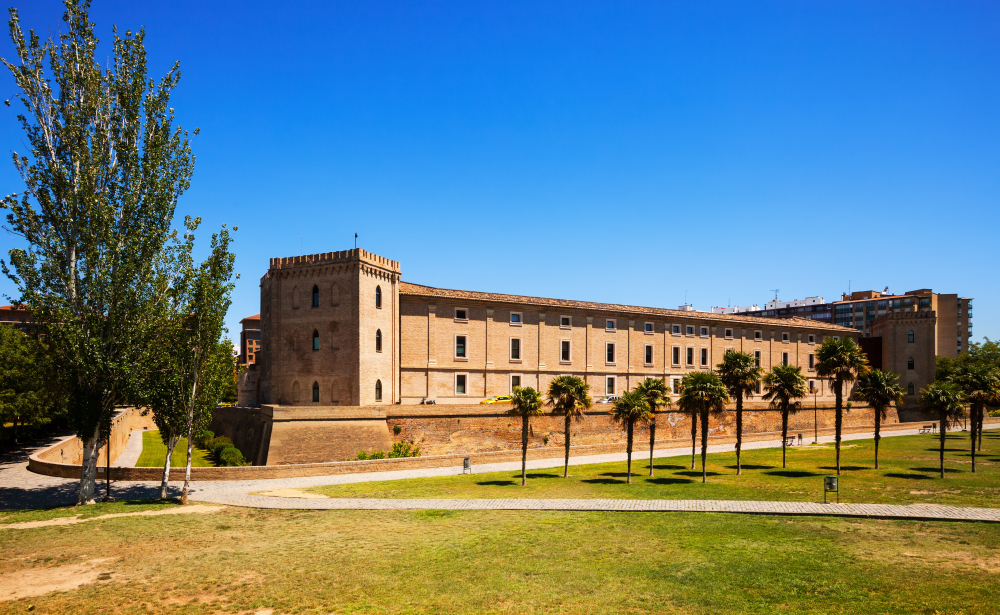
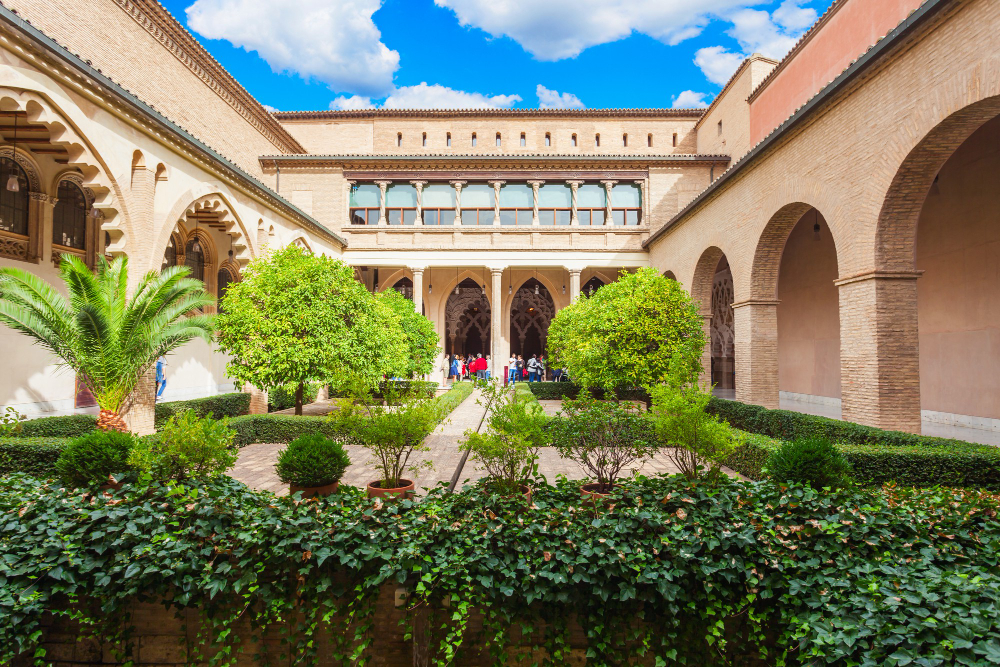
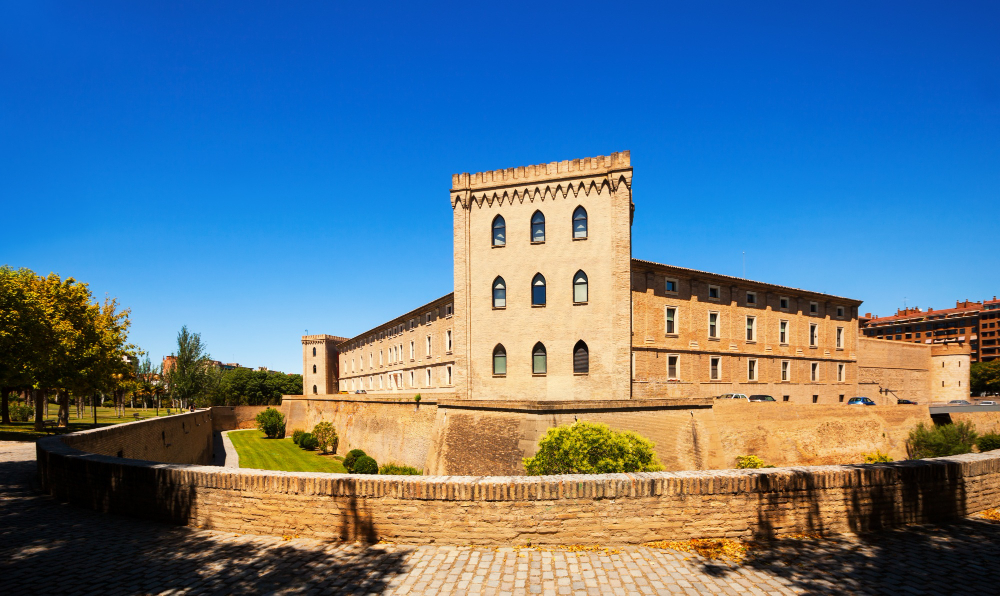
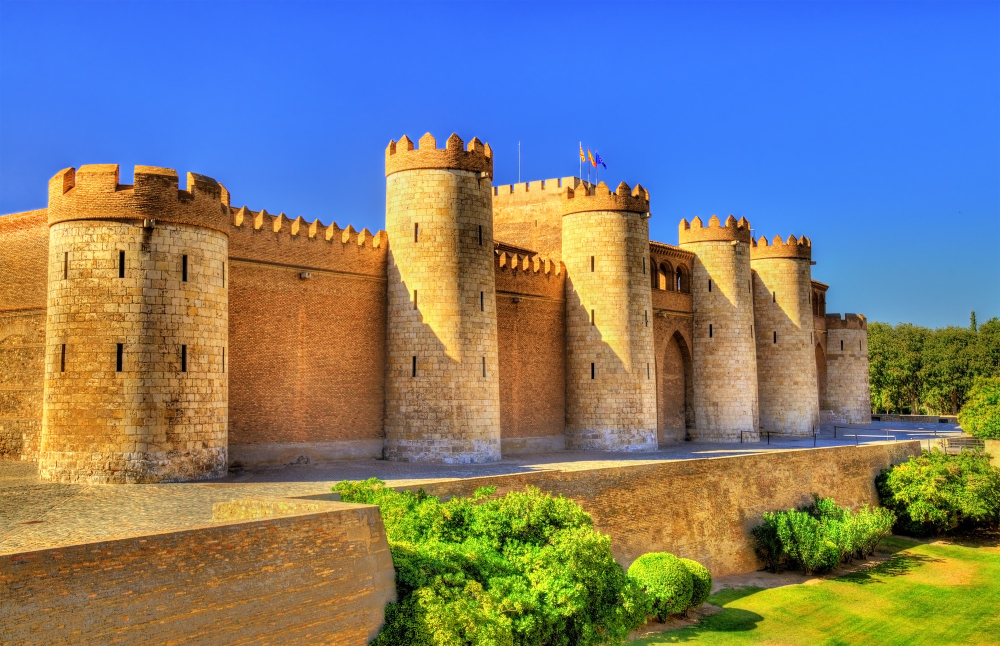
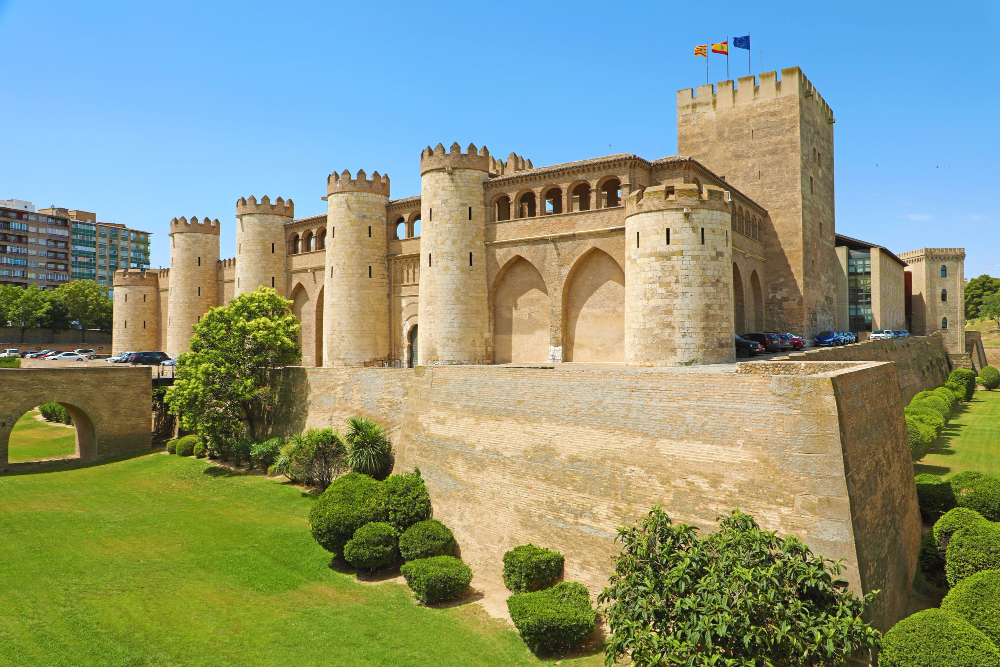
The Aljafería, a magnificent building in the Spanish city of Zaragoza, is far more than just an architectural masterpiece from the era of Moorish rule. Its reputation as a cultural and historical landmark is accompanied by numerous myths and legends that have grown up around this site over the centuries. In particular, the so-called “Troubadour Tower” stands out as a central figure in these tales, as it has not only inspired the imagination of many historians and artists but has also found its way into popular culture. Like almost no other building, the Aljafería embodies the magical moment where history and romance merge.
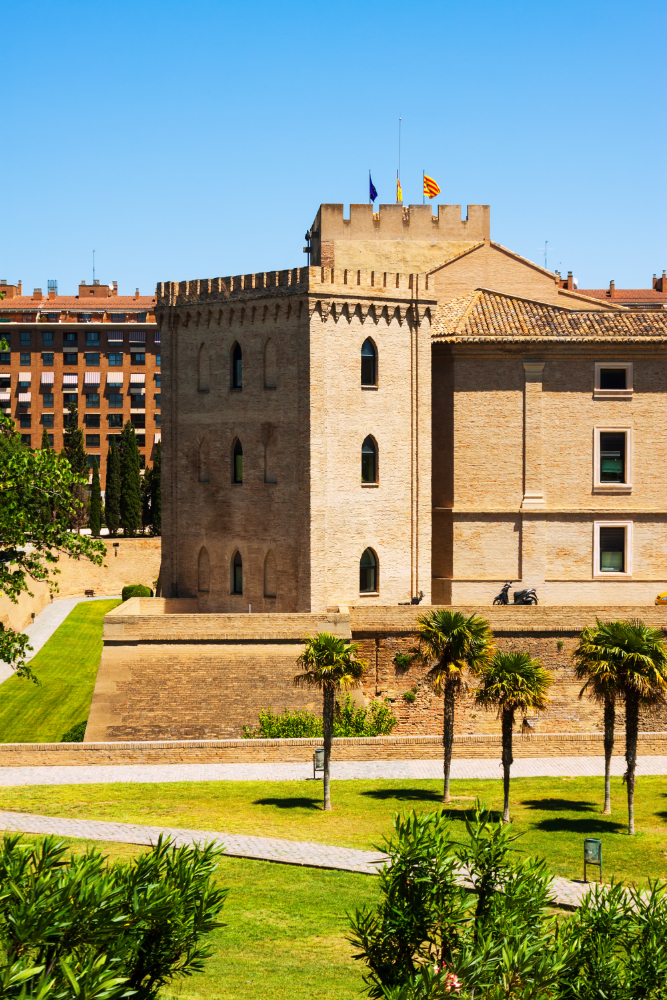
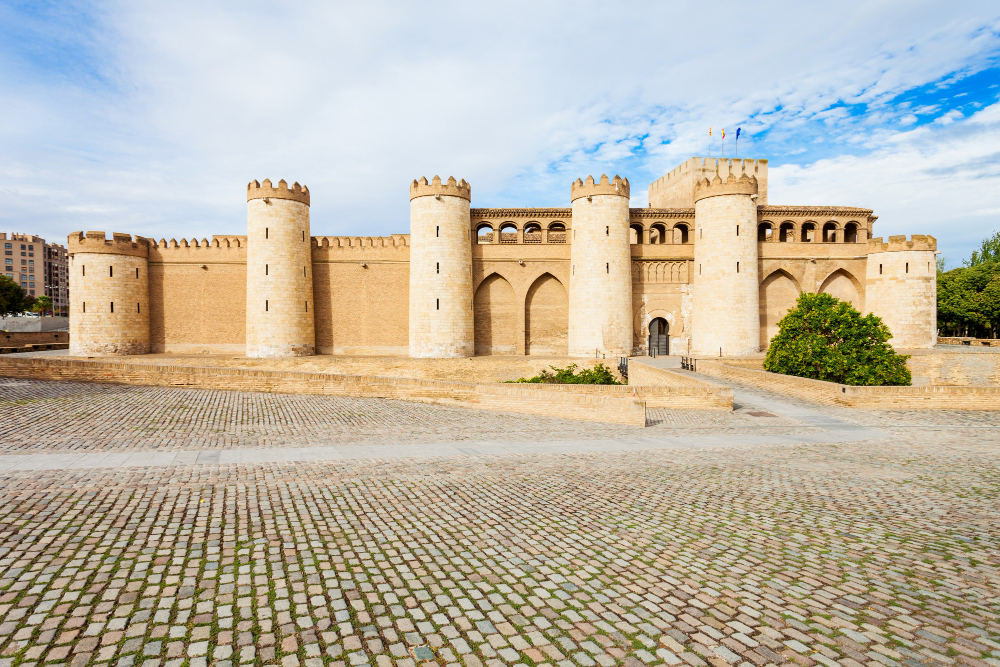
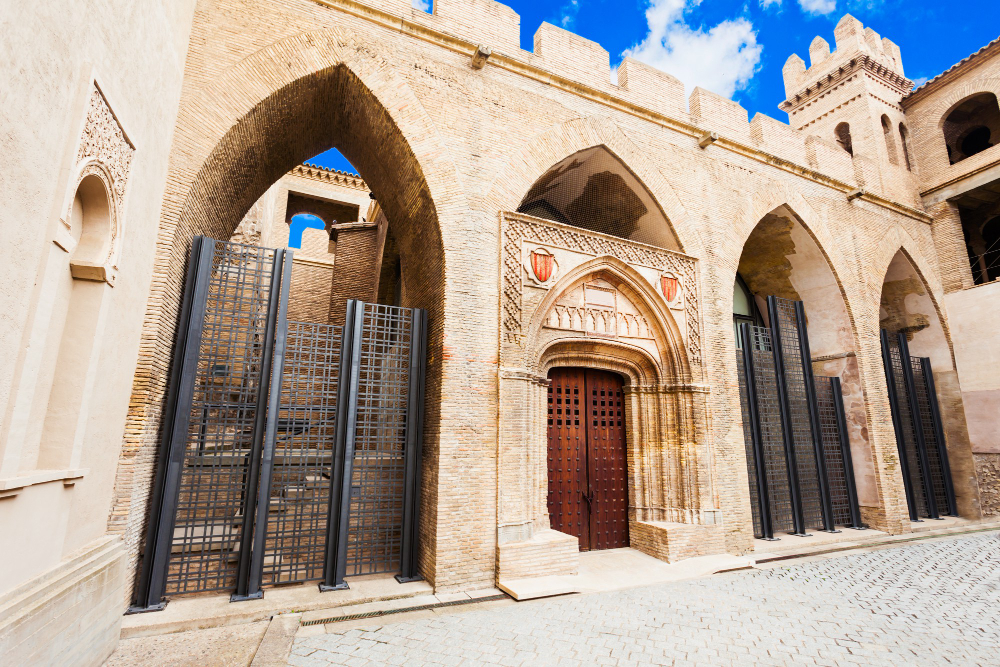
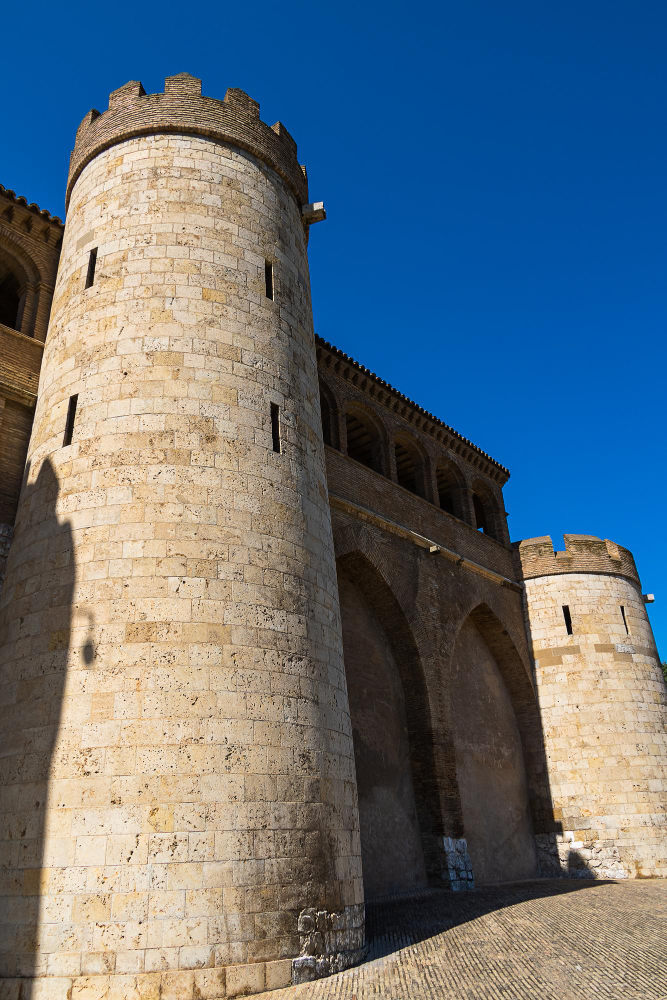
The Troubadour Tower – A Bridge Between Reality and Poetry – At the heart of many legends surrounding the Aljafería is undoubtedly the Troubadour Tower, which has served as the setting for numerous poetic and dramatic works. The tower owes its special fame to the work of the Spanish writer Antonio García Gutiérrez. With his drama “El Trovador,” Gutiérrez created a story full of passion, intrigue, and dark secrets, the plot of which also inspired Giuseppe Verdi. The opera “Il Trovatore,” a world-famous masterpiece by the composer, definitively established the Aljafería as a symbol of romantic longing and mysterious tales. But how did this particular tower come to exert such a profound influence on art and literature? One of the main reasons likely lies in its aura. The Troubadour Tower, a central part of the Aljafería, combines stylistic elements of Islamic architecture with later Christian influences. The play of light and shadow on its walls, coupled with the historic atmosphere of the entire structure, evokes associations with bygone eras and makes it a perfect backdrop for dramatic stories.
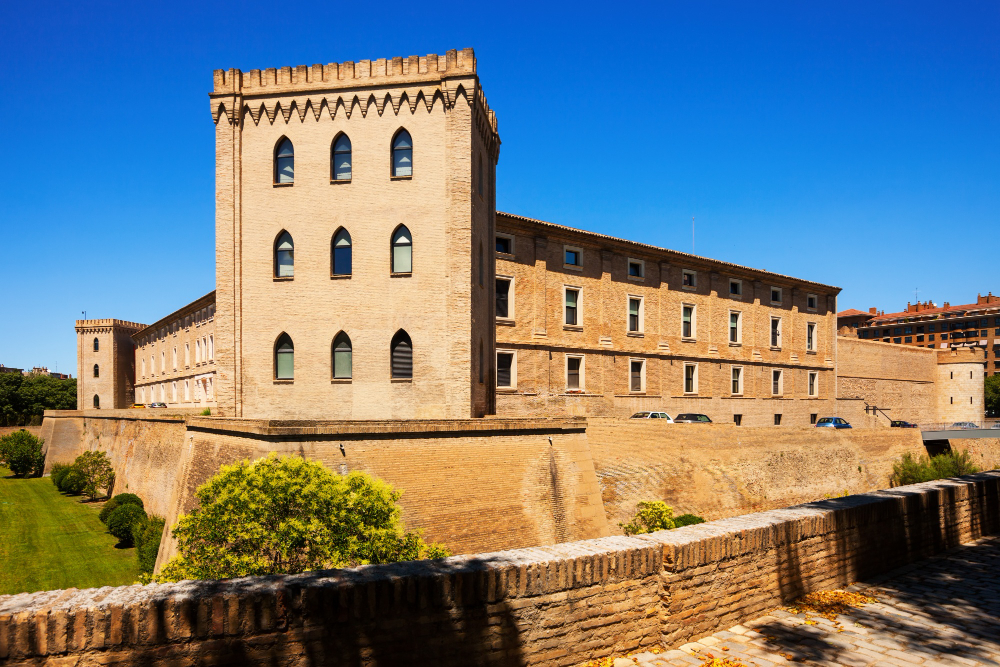
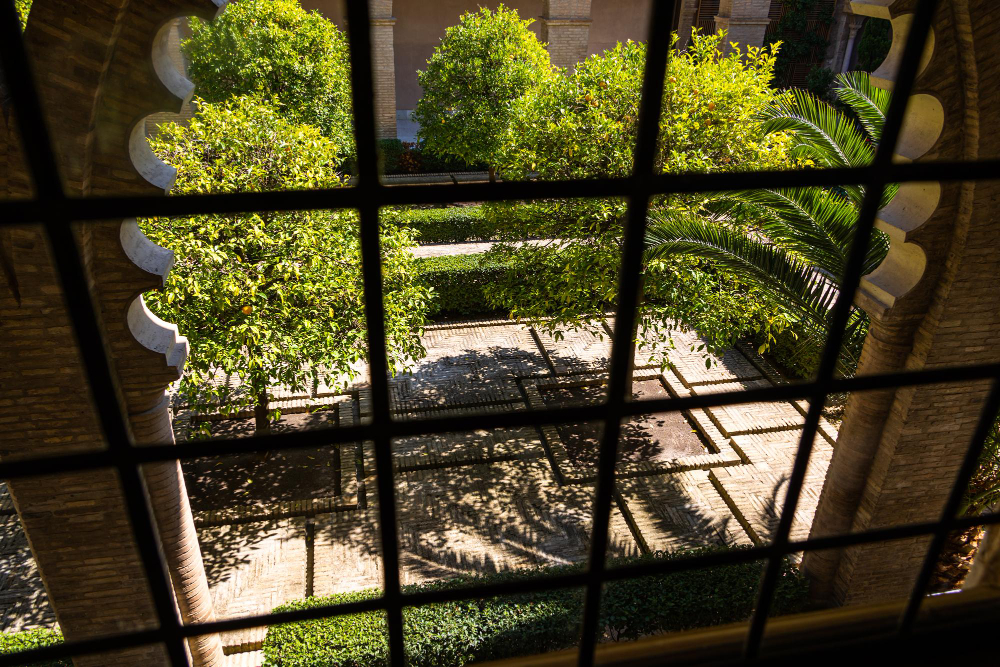
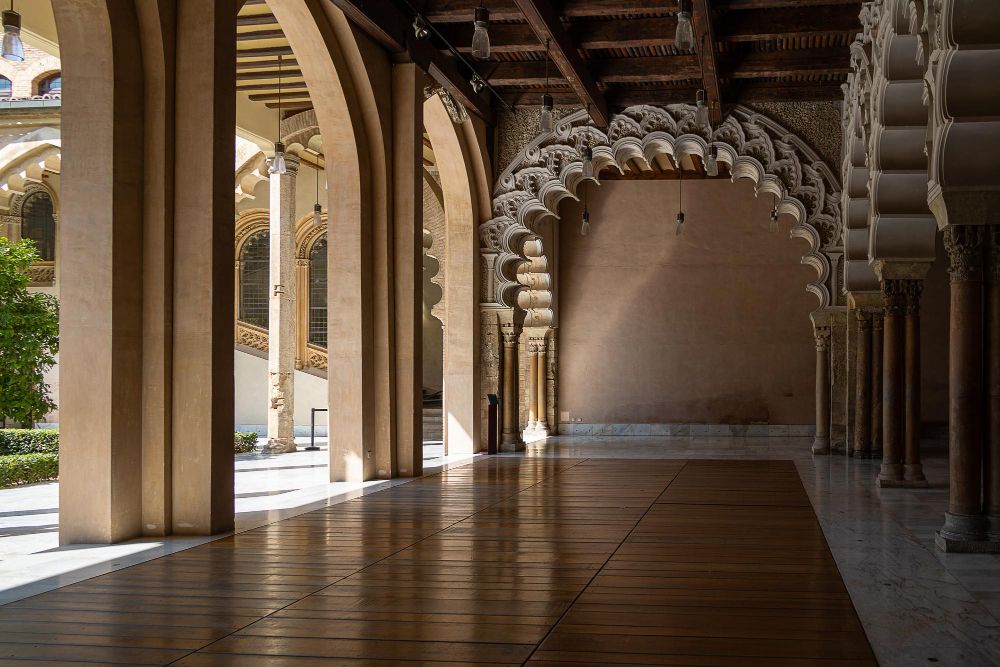
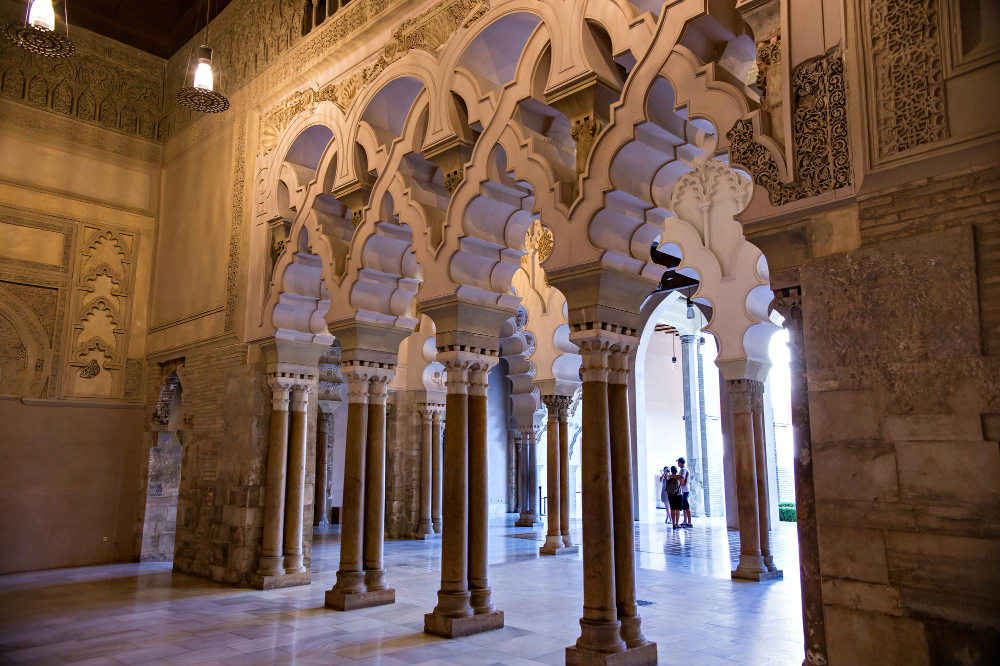
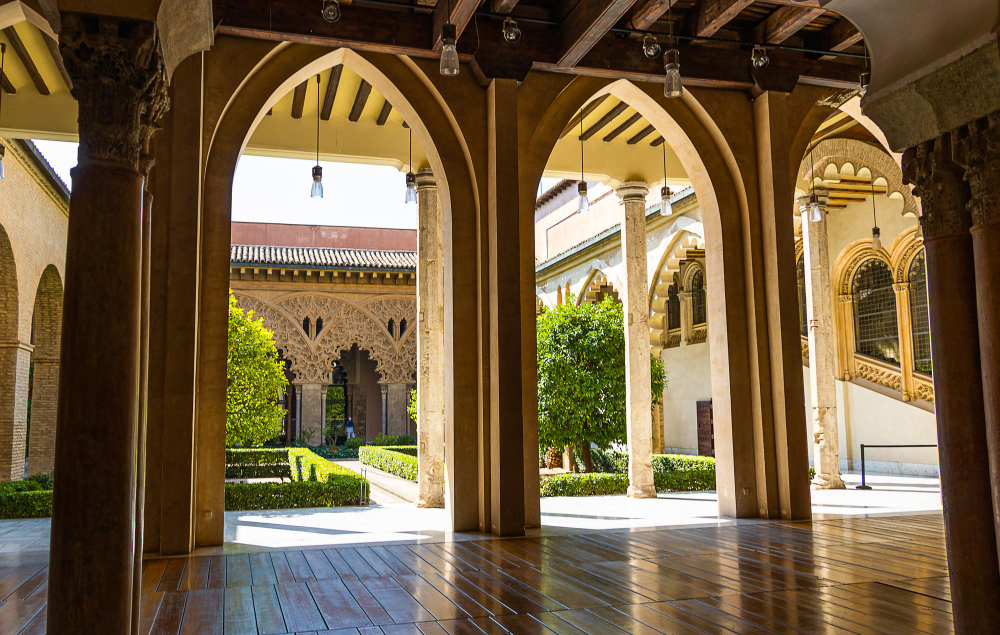
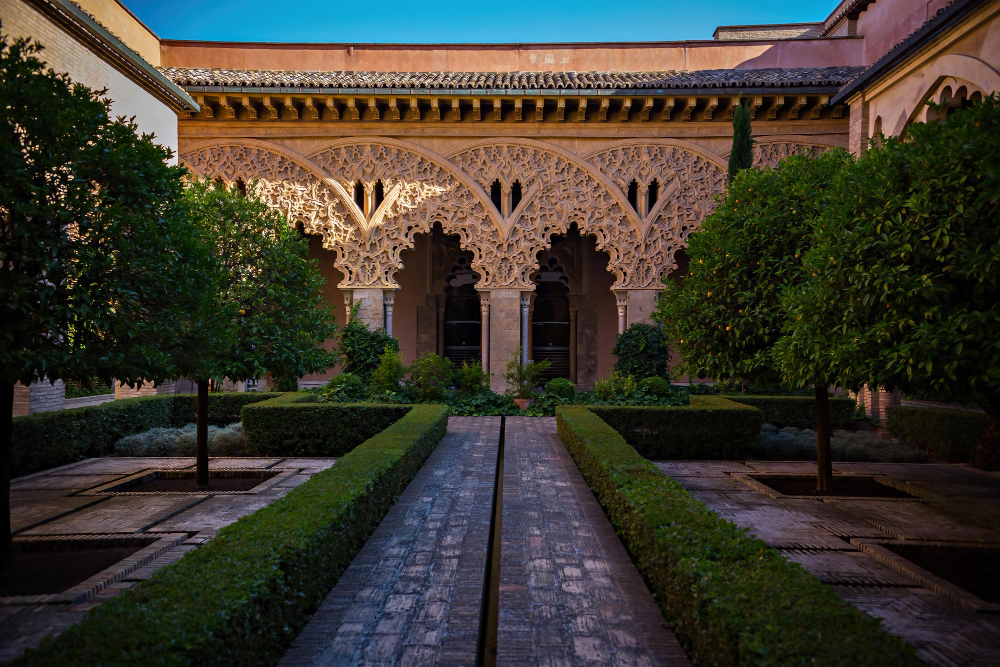
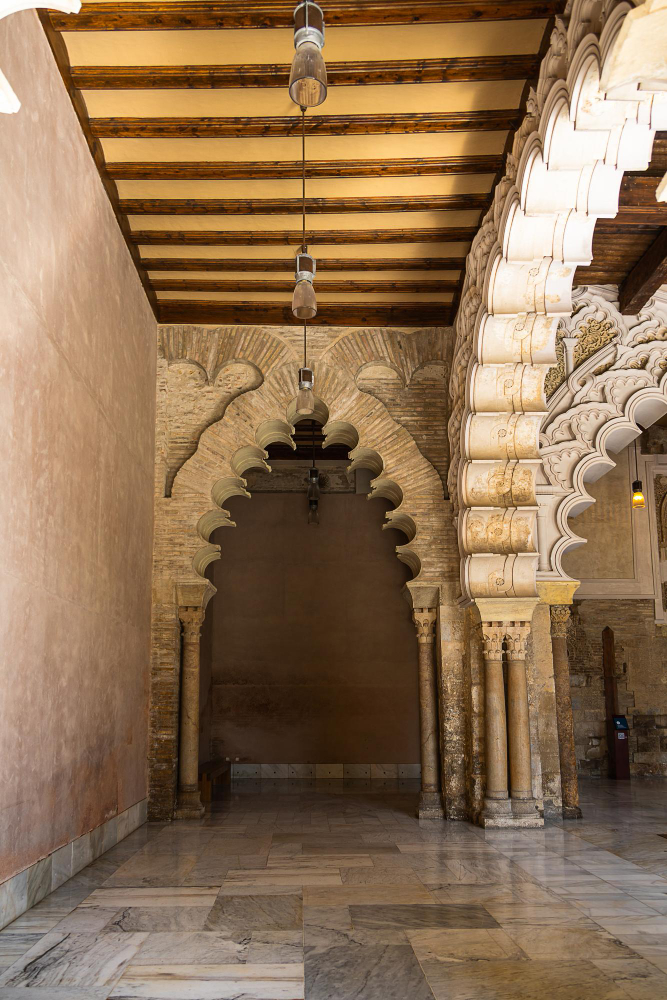
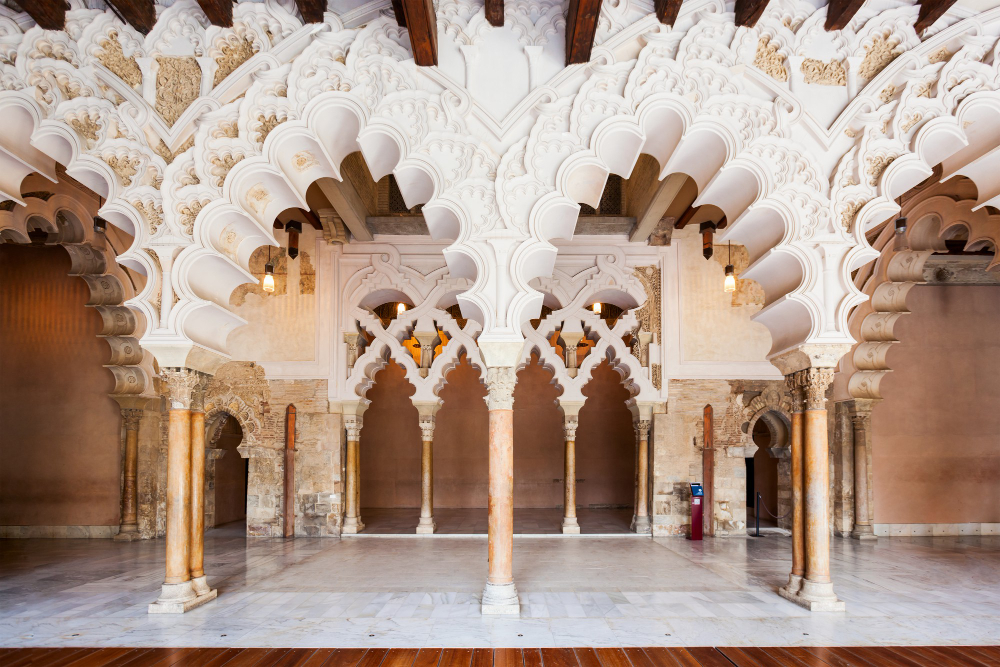
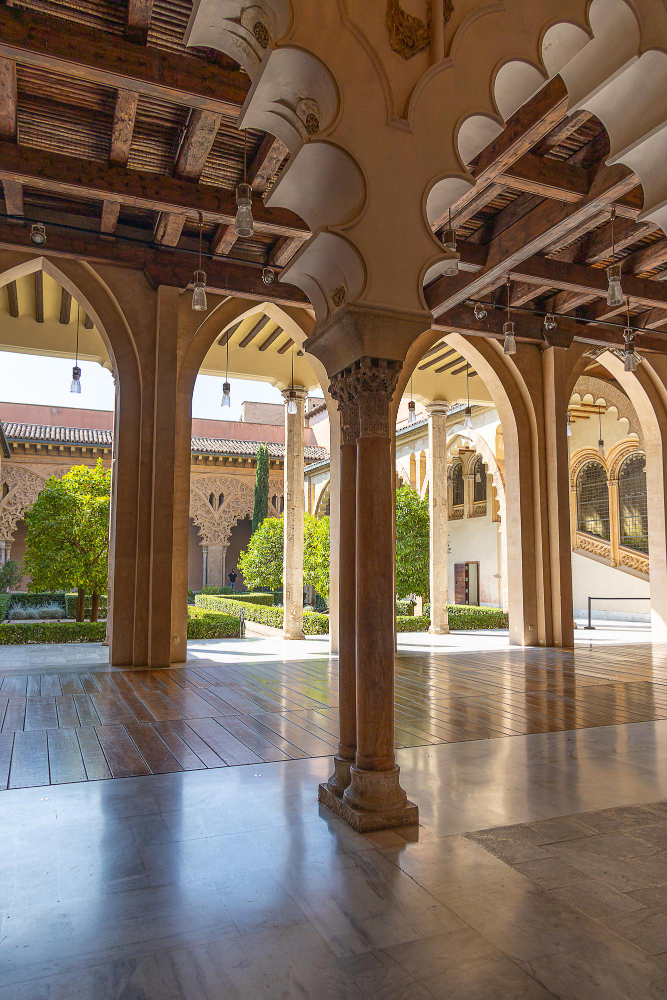
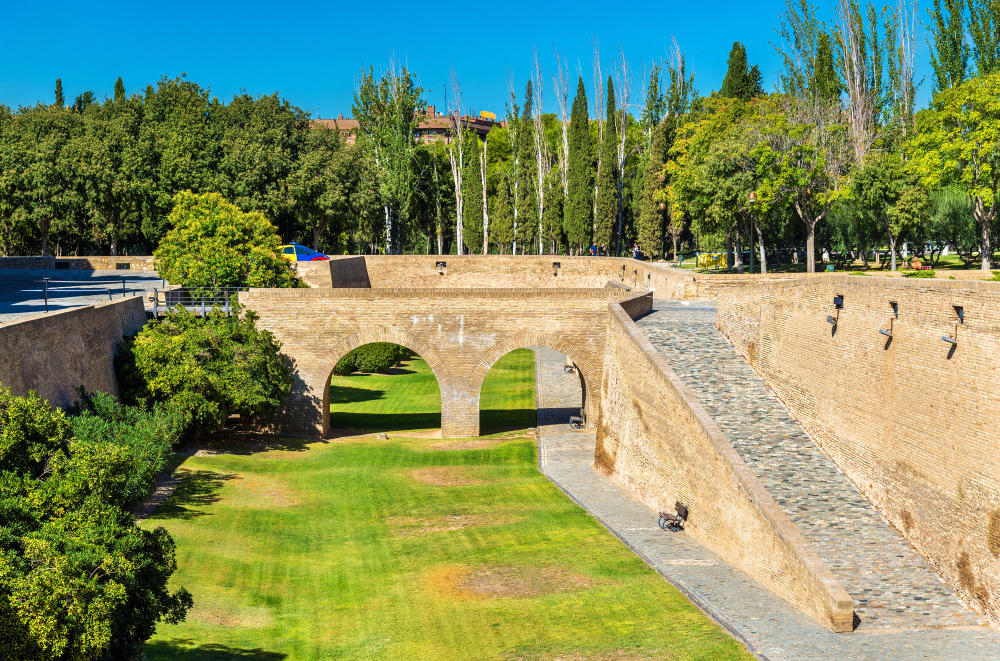
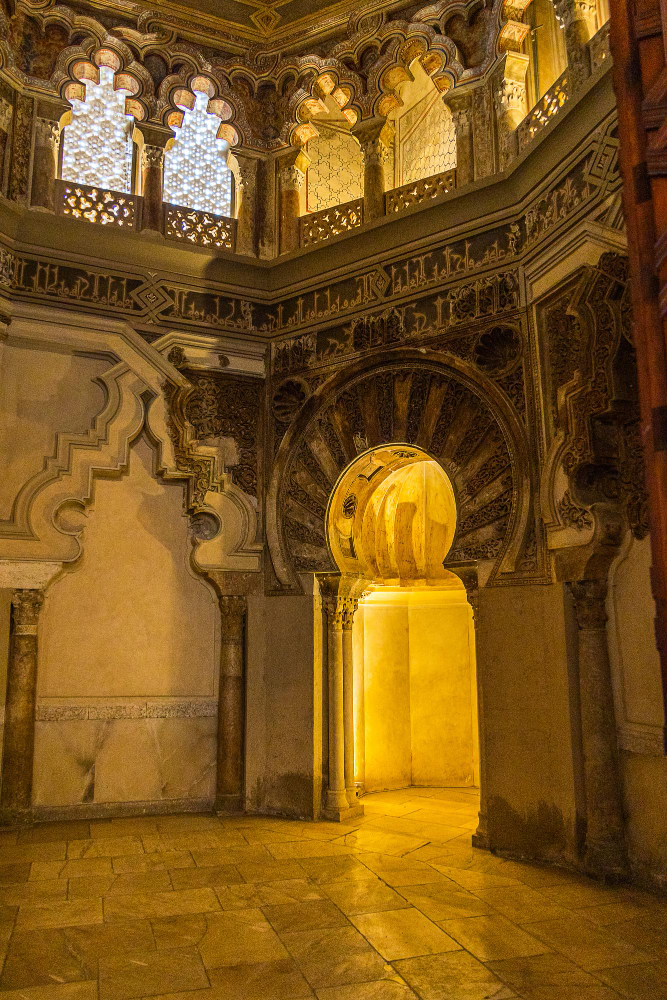
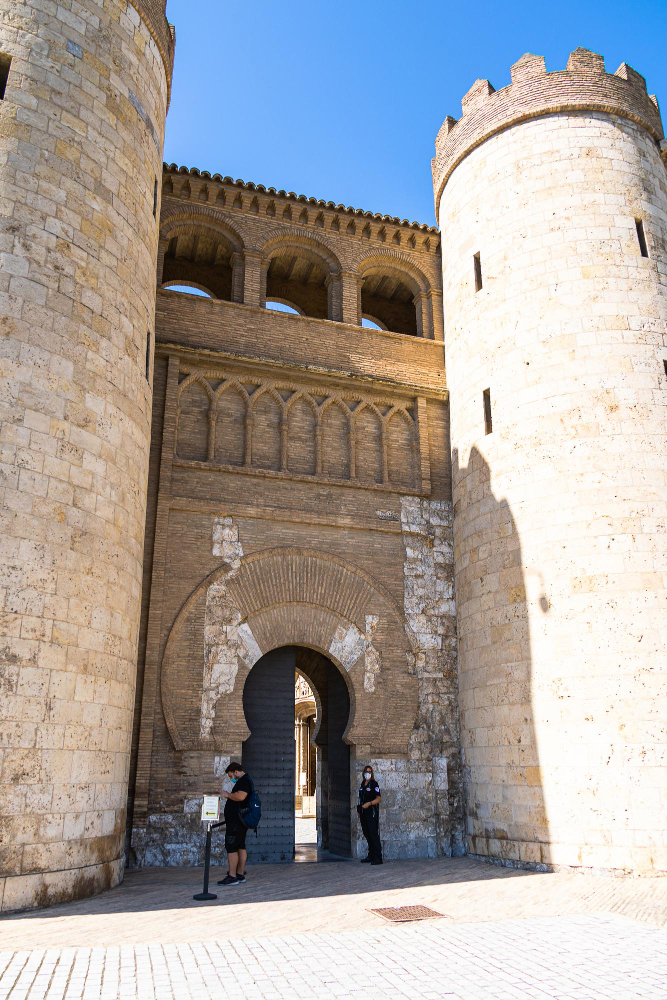
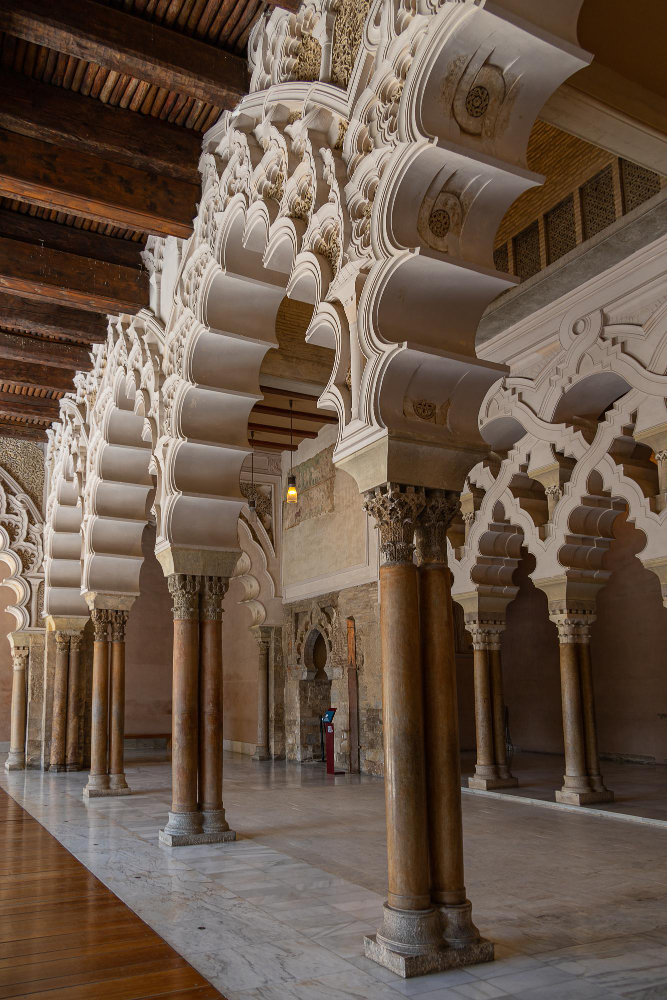
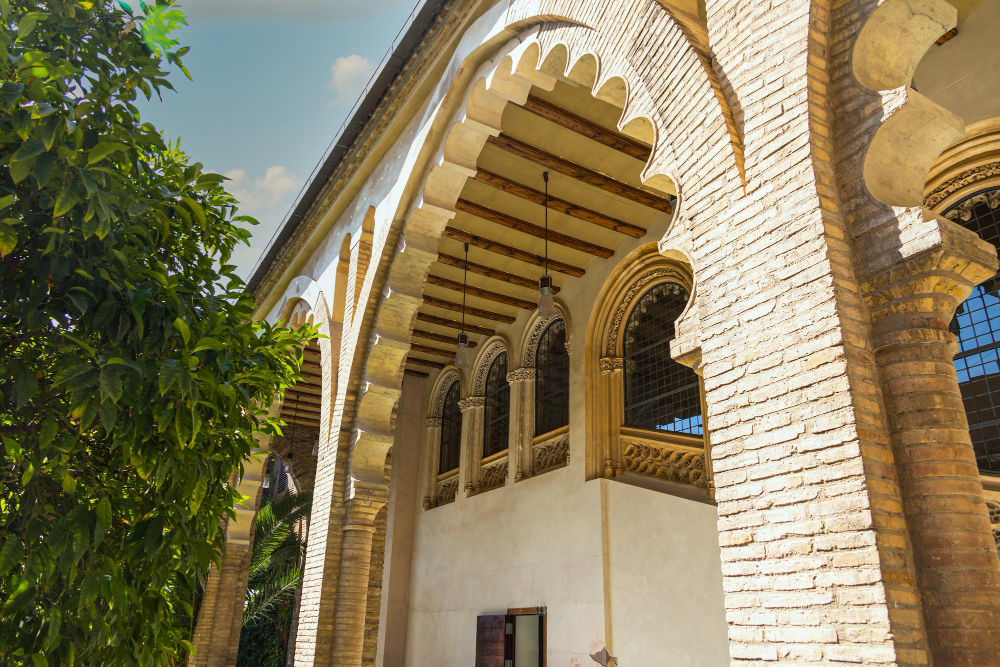
Historical Background – The Aljafería Through the Ages – The Aljafería was built in the 11th century under the rule of the Moorish king Al-Muqtadir and was originally conceived as a luxurious government palace. Its name is derived from “Al-Ja’far,” possibly a tribute to one of its builders or patrons. The palace was an architectural symbol of power and prosperity, intended to reflect the cultural heyday of the Taifa kingdoms. After the reconquest by Christian forces, the Aljafería’s function changed significantly. It eventually became a fortress and later the seat of the Inquisition, adding dark chapters to its history. Each era left its own mark: from the magnificent Arab arches to the Gothic additions and military elements. It is this complexity of its history that makes the Aljafería particularly fascinating and has turned it into a source of numerous myths.
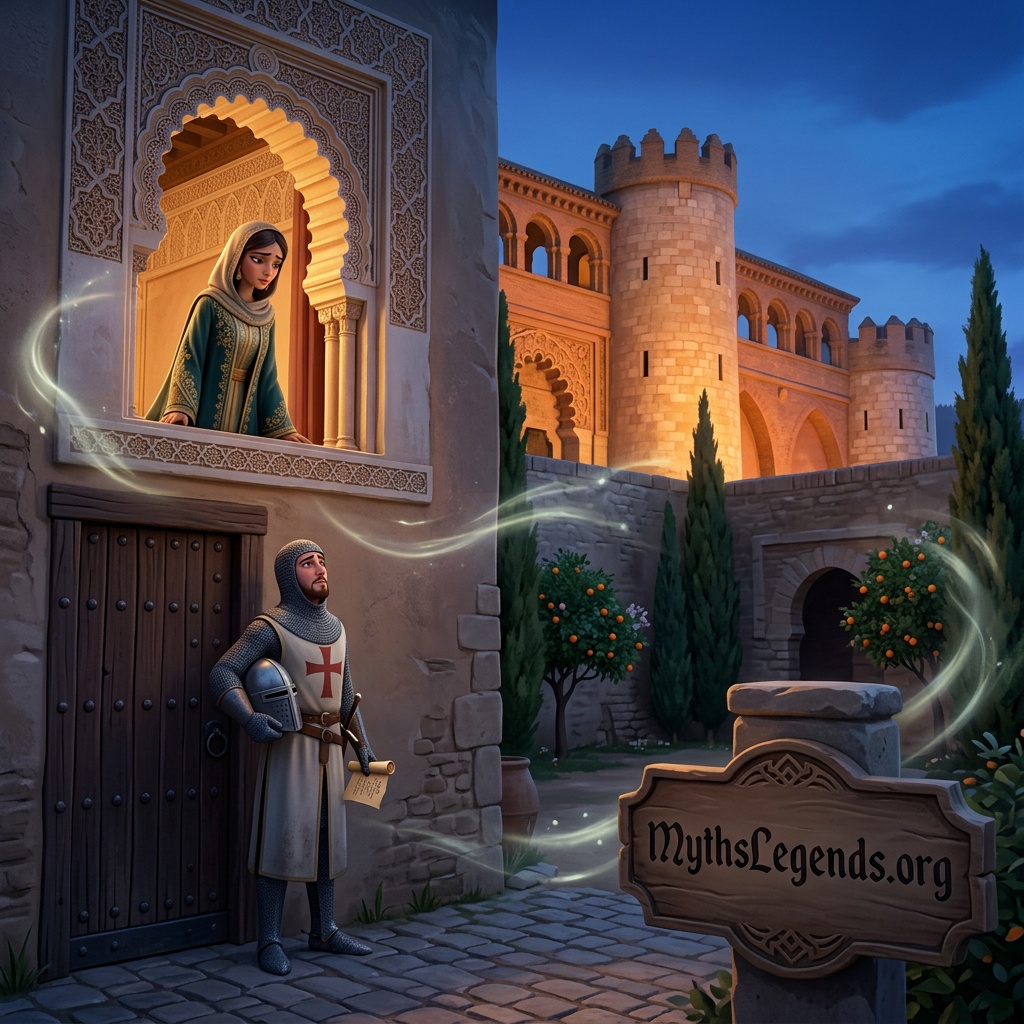
Romantic Tales and Dark Legends – The legends surrounding the Aljafería are as diverse as its history itself. Many of them revolve around unsolved mysteries, tragic love stories, and supernatural apparitions. One particularly well-known story centers on the figure of Zubida, the daughter of a Moorish ruler. According to tradition, Zubida was held captive within the palace walls after falling in love with a Christian knight who reciprocated her feelings. Their forbidden love ultimately led to a fateful tragedy that is still recounted today in poems and songs. Another legend concerns the mysterious underground tunnel said to run from the Aljafería to the Ebro River. The myth holds that this tunnel once served as an escape route for King Al-Muqtadir when enemies threatened the city. Although there is no concrete evidence of the tunnel, the idea of such a secret passage continues to fascinate historians and archaeologists to this day. The era of the Inquisition has also left its dark mark. Many a visitor claims to have heard screams and voices in the old dungeons of the Aljafería, where people were once cruelly tortured. These stories contribute to the palace’s eerie reputation and make it a popular destination for anyone with a penchant for the uncanny.
The Aljafería as Inspiration in Art and Culture – In addition to Verdi’s “Il Trovatore,” the Aljafería has inspired other artists over the centuries. The palace’s majestic architecture and mysterious aura have impressed painters, poets, and historians alike. As early as the Middle Ages, it was a symbol of power and romance that attracted travelers and was immortalized in their works. Today, the Aljafería is a popular subject in photography and film productions that require historical or romantic backdrops. Even digital artists draw on the symbolic power of the site to reinterpret it in new media such as video games and virtual tours.
The Aljafería as a Tourist Highlight – Thanks to its fascinating history and impressive architecture, the Aljafería attracts thousands of visitors from all over the world every year. As a UNESCO World Heritage Site, it is a must-see for anyone interested in Spain’s past. In addition to regular guided tours, the palace also offers themed events that shed light on both the historical features and the myths surrounding the building. The night tours are particularly exciting, allowing visitors to discover the Aljafería in a completely different light. By the glow of torches and subdued lighting, the palace walls exude a mystical atmosphere that breathes new life into the myths and legends surrounding this place.
A Palace That Transcends Time – The Aljafería is far more than just an old building—it is a living witness to history and a place where the boundaries between reality and fairy tale blur. Its walls tell stories of love and betrayal, of power and freedom, of art and culture. It is these stories that make it a unique and magical place that inspires visitors and artists alike. Whether you admire the historical facts or let yourself be enchanted by the legends—the Aljafería remains an incomparable symbol of Spain’s cultural diversity and touches the hearts of those who dare to look beyond the facades of time.




Post Comment