
The Legend of the “Barbuta” and Castello di Fénis: Between History and Myth
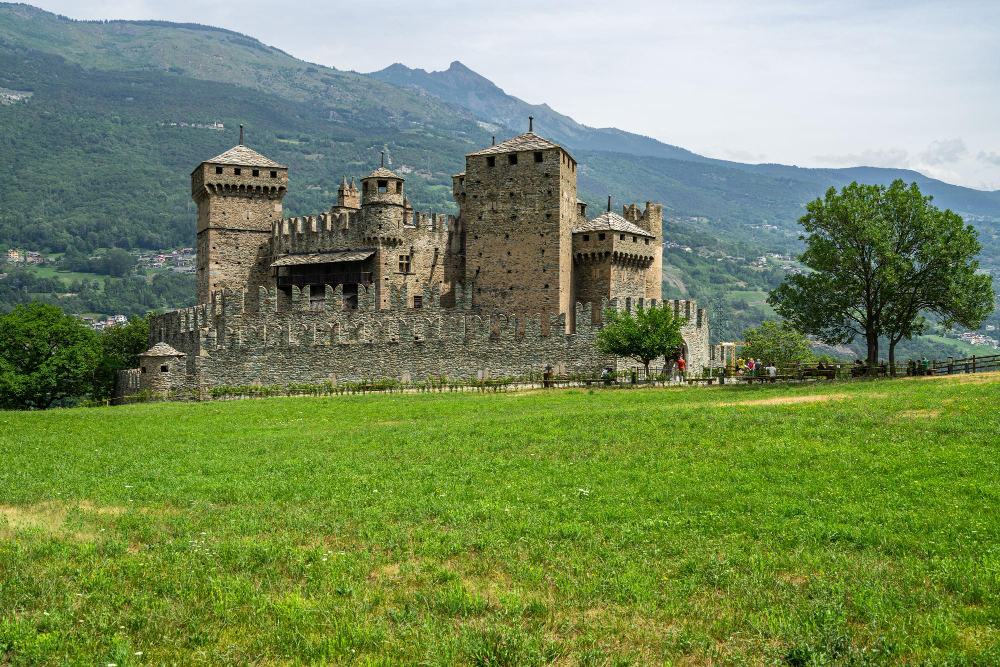
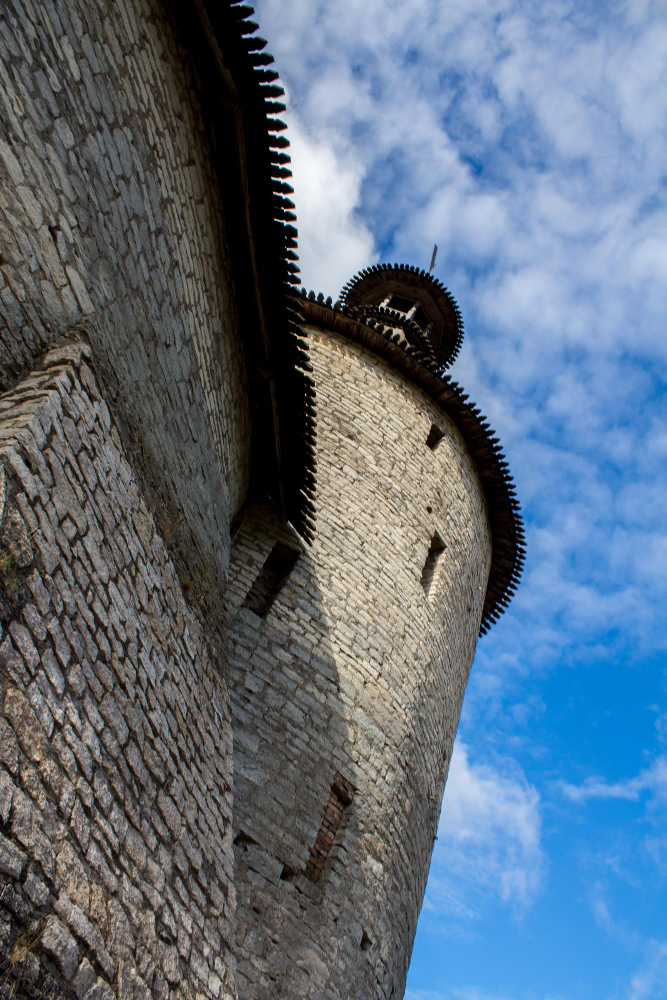
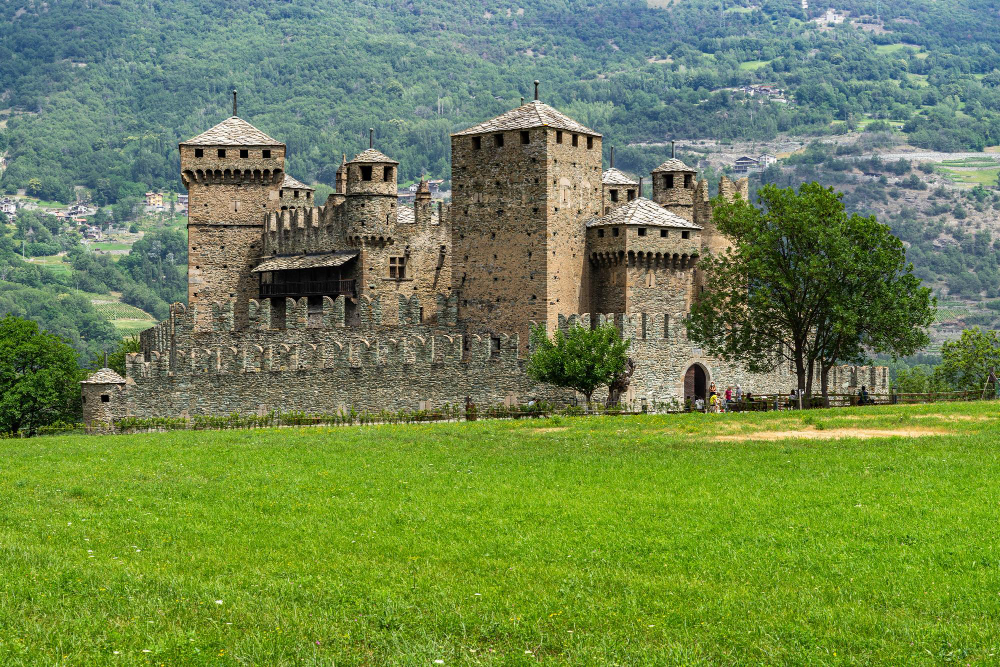
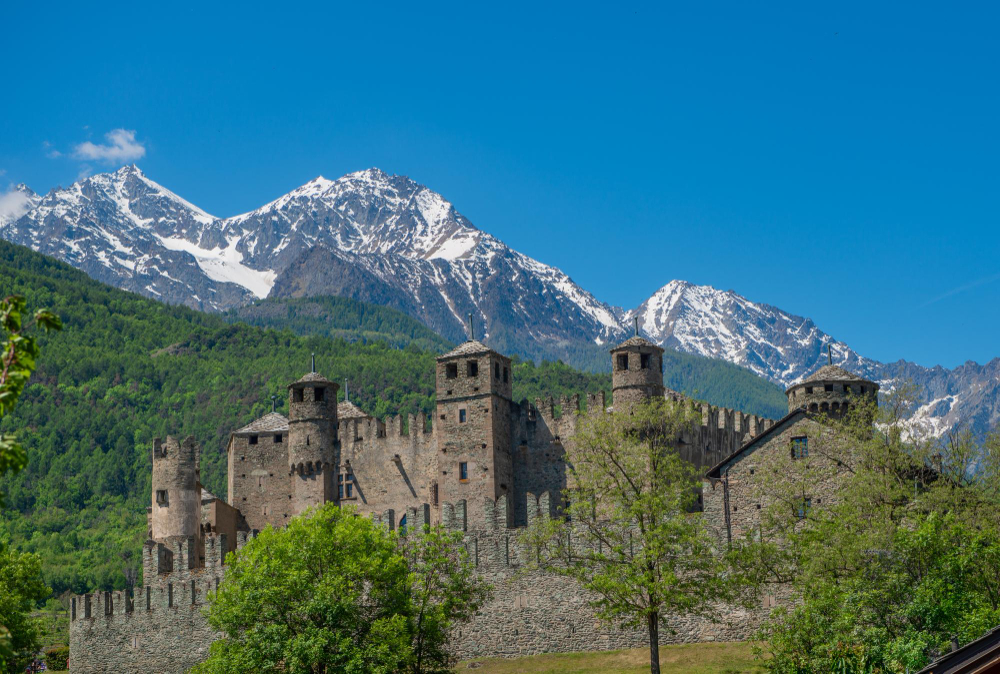
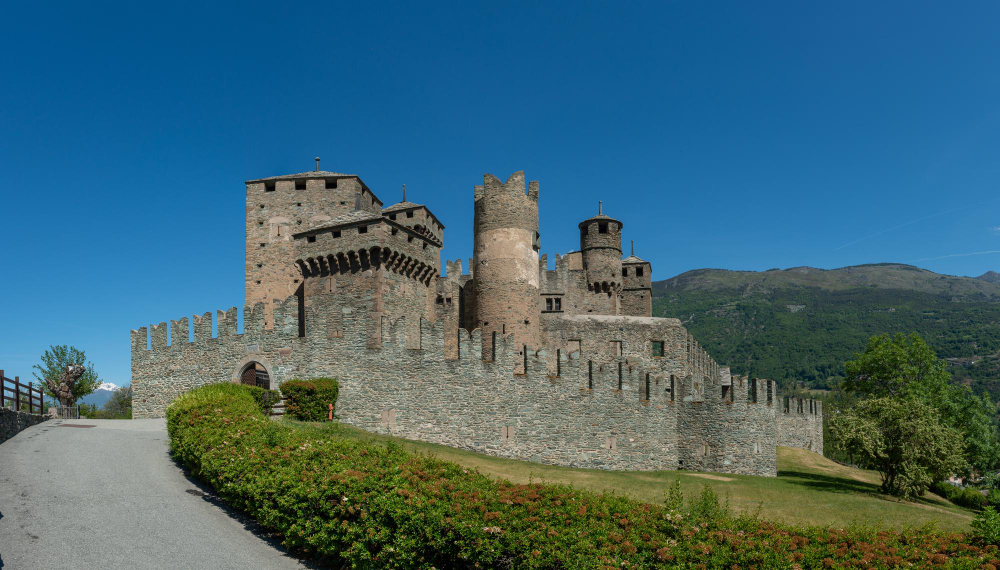
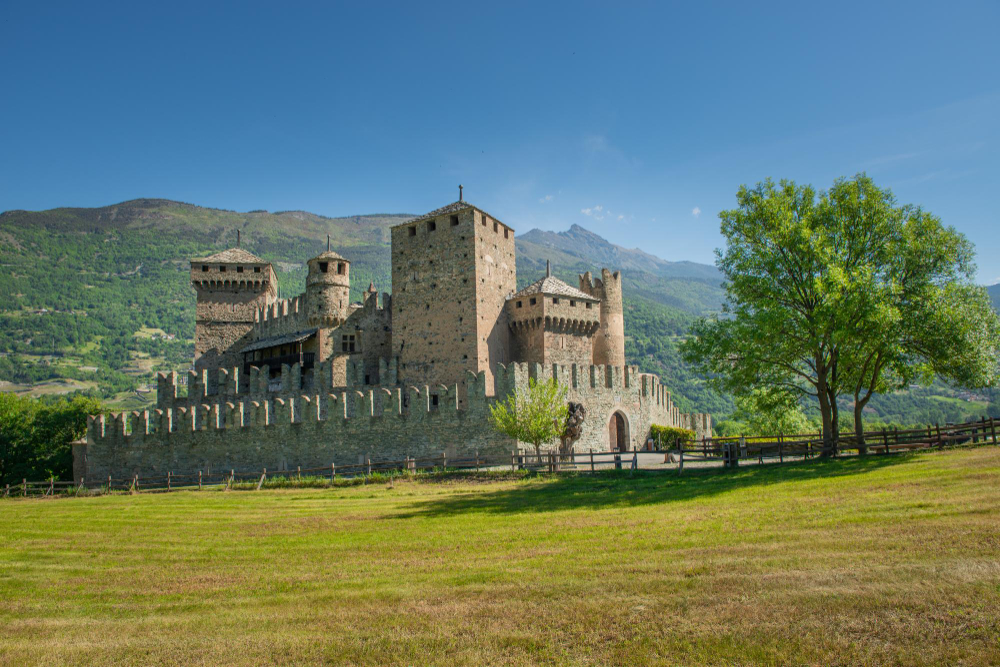
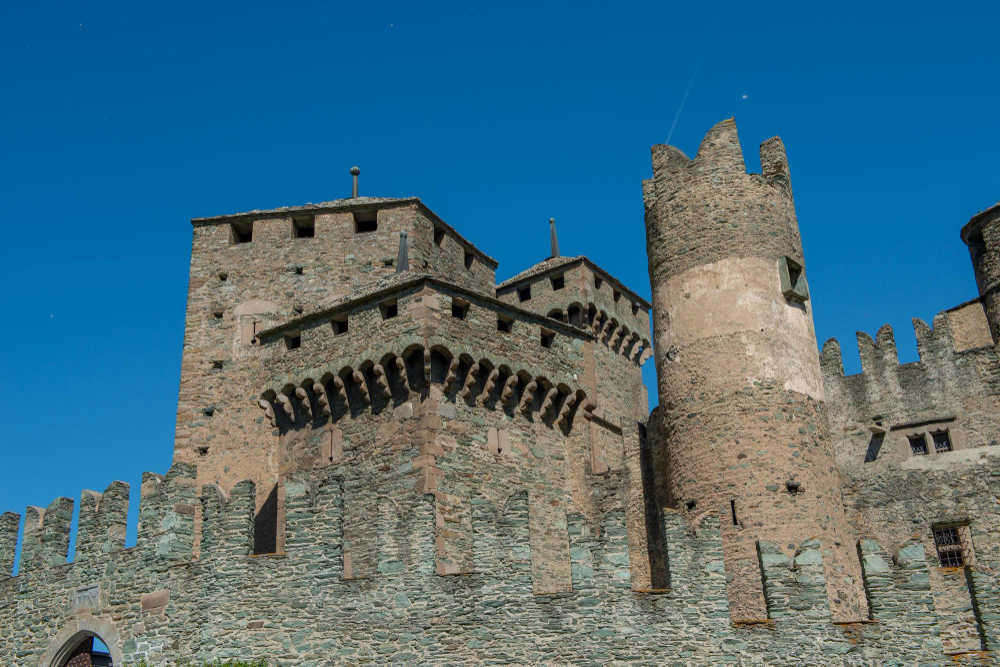
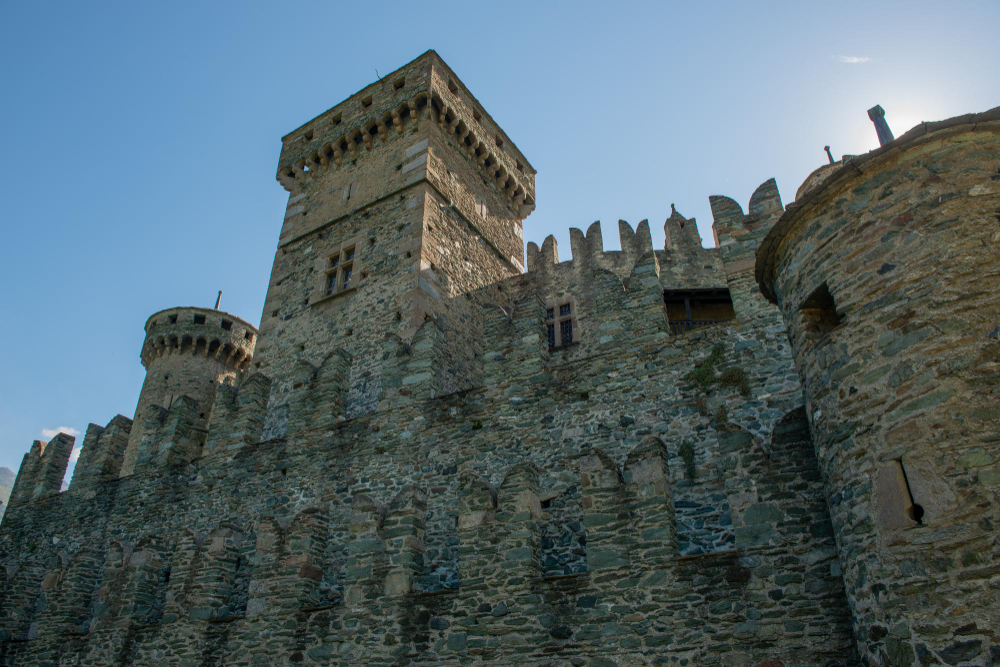
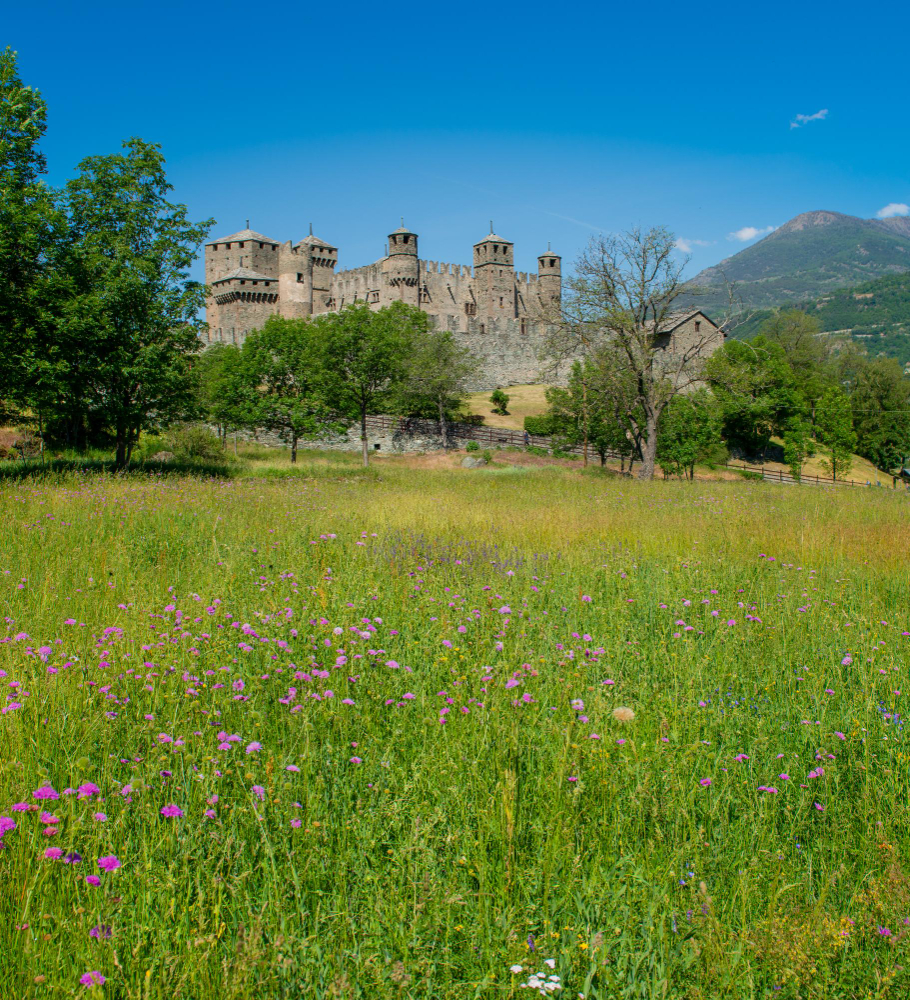
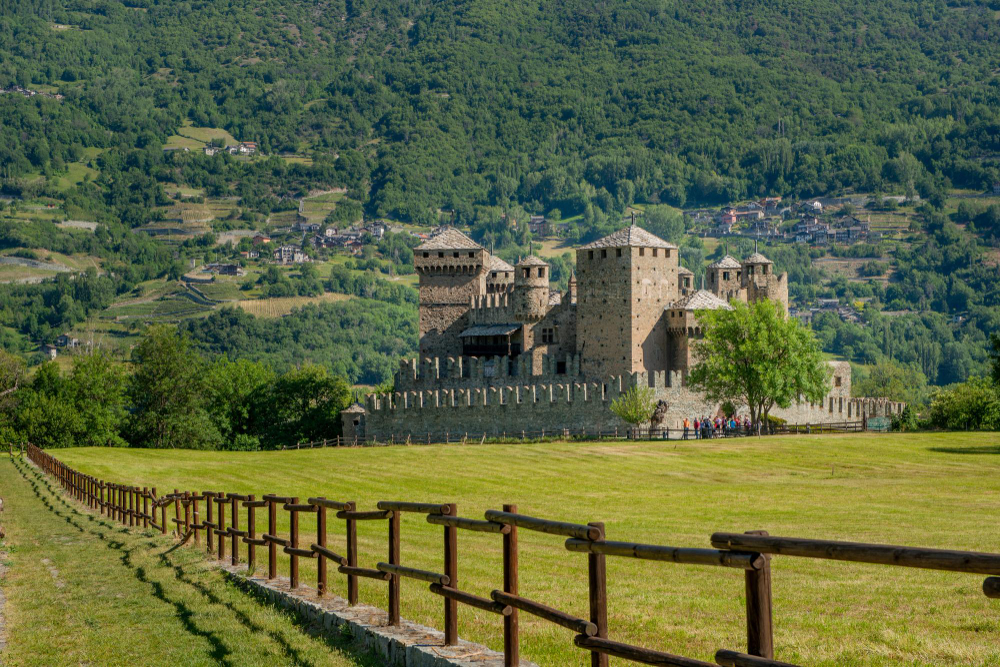
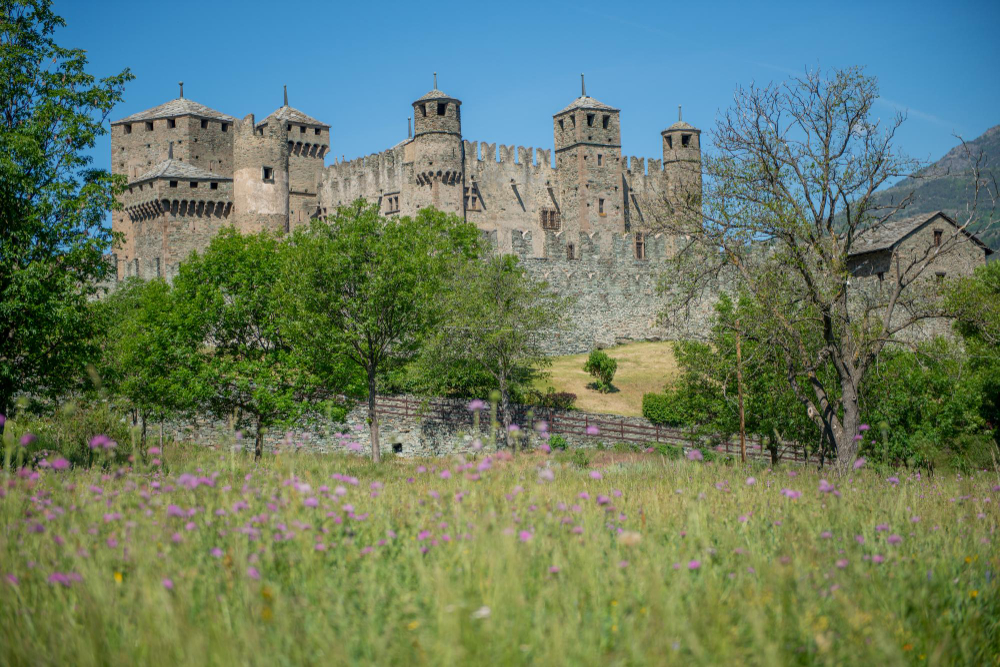
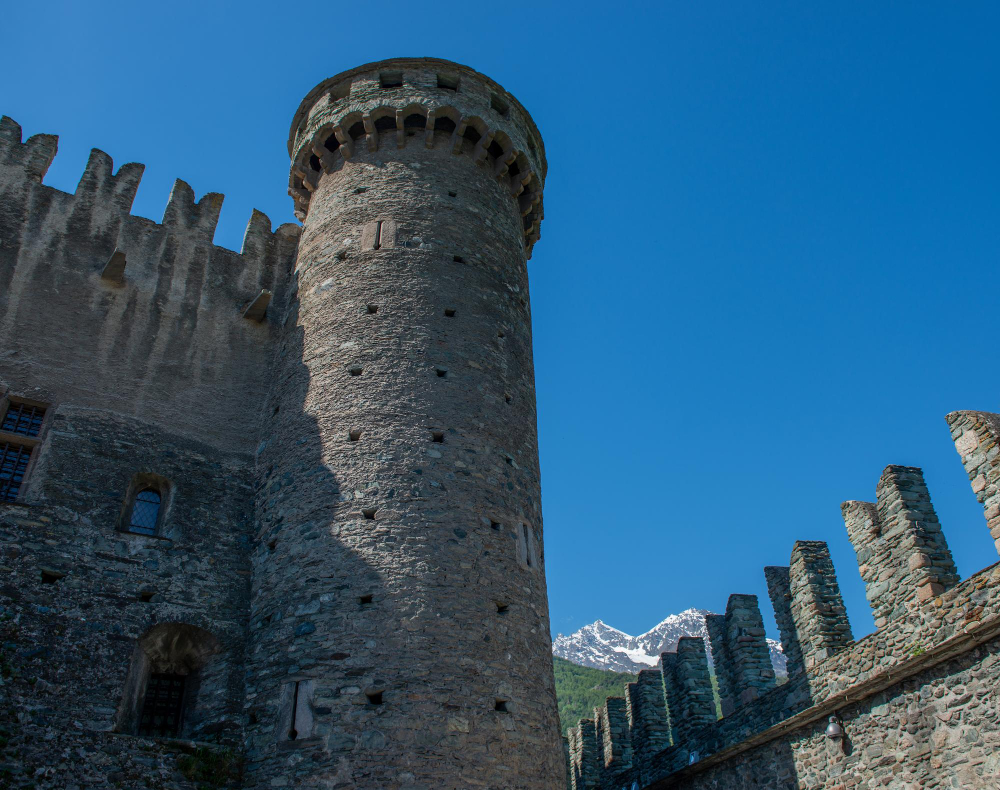
Castello di Fénis, one of the most impressive medieval castles in Italy’s Aosta Valley, attracts thousands of visitors every year. With its crenellated towers, ornate frescoes, and strategic location, it offers a fascinating glimpse into centuries past. But the castle holds more than just historical secrets—in the surrounding forests and valleys, eerie stories have been told for generations about a mysterious figure known as the “Barbuta.”
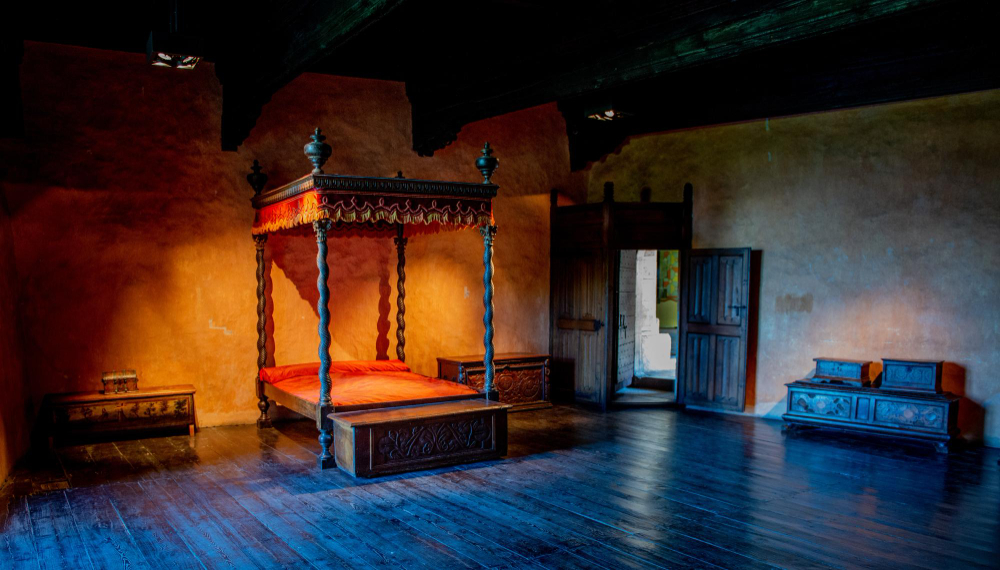
A Dark Legend in the Shadow of the Castle – The “Barbuta,” whose name derives from the Italian word for “beard,” is often described as a witch-like apparition: an old woman with matted hair, a hunched back, and an eerie gaze. According to local lore, she is said to live in the dark forests surrounding the Fénis Valley and occasionally frightens villagers and hikers. Some say she appears at night on lonely paths and leads travelers astray, while others claim she has the ability to cause sudden changes in the weather or even bring misfortune upon those who encounter her. Interestingly, the legend of the Barbuta is closely intertwined with the history of Castello di Fénis. Built in the 14th century by the Challant family, the castle was originally designed less for defense and more as a stately residence. Nevertheless, there are rumors that the castle’s rulers once had a connection to the Barbuta—whether through superstition or an actual encounter.
Origin of the Legend – Like many local myths, the story of the Barbuta is difficult to date. It is believed to have its origins in the medieval fear of witches and supernatural beings, which was deeply rooted in the collective imagination of the people of that time. Witch hunts were widespread in Europe between the 15th and 17th centuries, and women who behaved differently or lived in isolation were often accused of possessing magical powers or having made a pact with dark forces. The forests surrounding Castello di Fénis provide an ideal backdrop for such legends. With their dense trees, winding paths, and mystical atmosphere, they exude a certain eeriness that sparks the imagination. Some locals also suspect that the legend served to warn children against venturing into the forest alone, or to reinforce the authority of the castle lords of the time.
The “Barbuta” in Modern Times – Even today, the story of the Barbuta remains part of local folklore. Older residents of the valley, in particular, tell younger generations about the strange figure said to be found near the Castello di Fénis. Some even claim that she has a specific tree or cave as her favorite haunt. In recent decades, however, the legend has evolved. Instead of instilling fear, it is increasingly viewed as a cultural heritage that underscores the region’s unique identity. Guided tours use the story to offer visitors an extra dimension to their experience in the Aosta Valley. Many a visitor sets out on marked hiking trails in the hope of discovering a trace of the “Barbuta”—unsuccessfully, of course, but always with a certain sense of excitement.
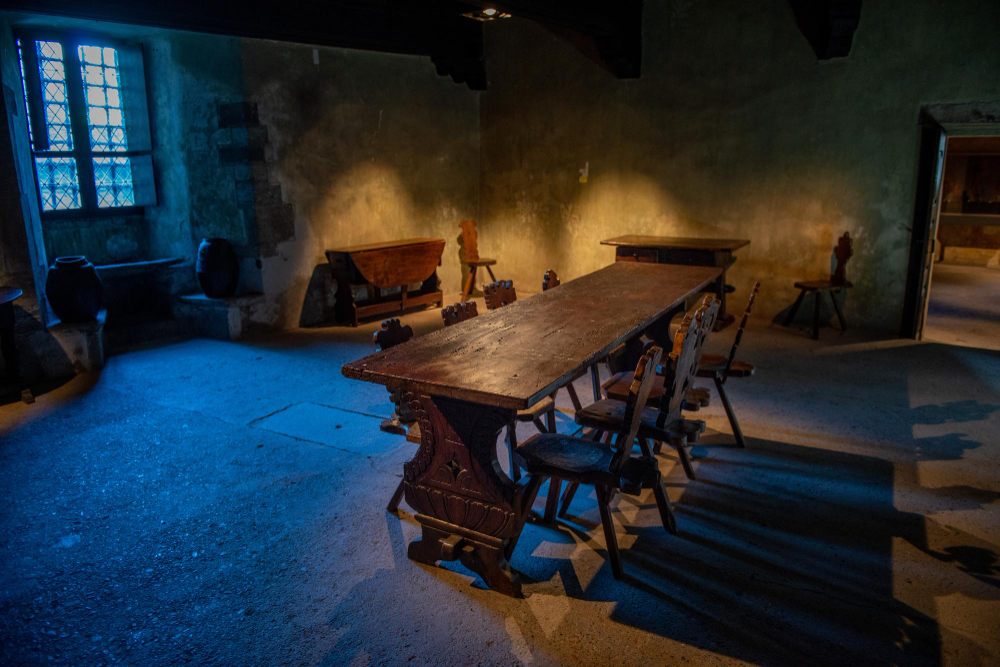
Connection to Castello di Fénis – While the legend of the Barbuta illuminates the mystical side of the valley, Castello di Fénis remains a landmark of history and architecture. Its unique features, such as the double curtain wall and the frescoes depicting scenes from daily life and religion, make it a masterpiece of medieval architecture. Interestingly, the frescoes inside the castle itself depict some figures that vaguely resemble the description of the “Barbuta.” Whether this is a coincidence or whether the artists of that time were inspired by regional stories remains unclear. Nevertheless, it shows how closely history and myth are intertwined in this place.
The Significance of Such Legends – The Barbuta and the Castello di Fénis are an example of how myths and historical sites can go hand in hand to shape a region. While the castle is valued for its architectural beauty and historical significance, the legend adds a narrative layer that sparks the imagination and captivates visitors. Such stories are important not only for keeping a region’s culture alive but also for highlighting its uniqueness. The Aosta Valley may be small, but its rich history and treasure trove of legends make it a place that leaves a lasting impression far beyond its size.
The legend of the Barbuta is more than just a spooky tale—it is part of the valley’s collective memory and helps to reinforce the mystical aura of the Castello di Fénis. At a time when many regions are struggling to preserve their cultural identity, the Barbuta offers a way to uphold traditions while attracting new visitors.
Whether one believes in the existence of this mysterious figure or not, one thing is certain: stories like these bring places to life. The Castello di Fénis is thus not only a monument to times past, but also a gateway to the world of fantasy and myth—a place where history and legend converge.






Post Comment