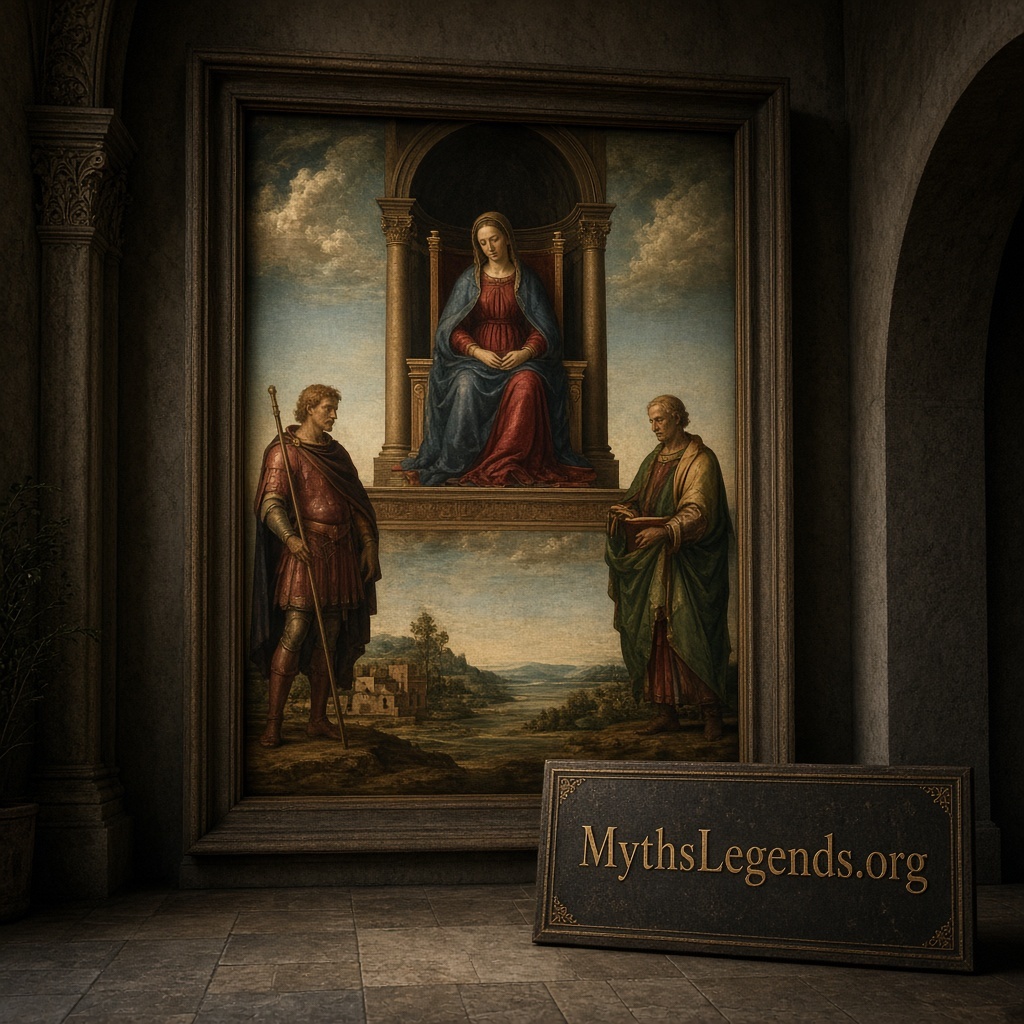
In the Shadow of the Madonna: Giorgione’s enigmatic altarpiece in Castelfranco
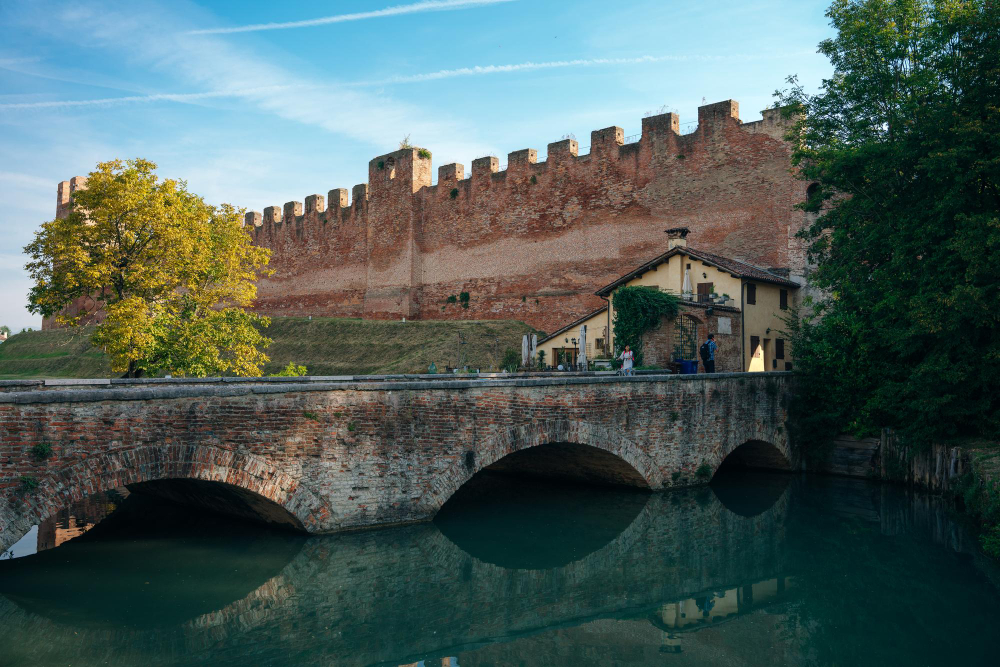
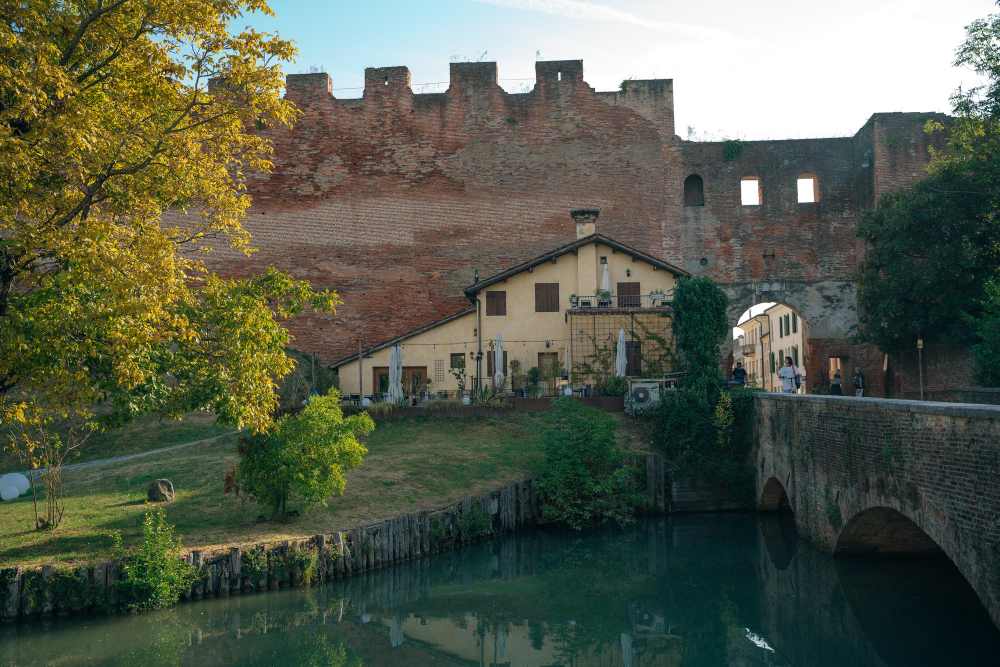
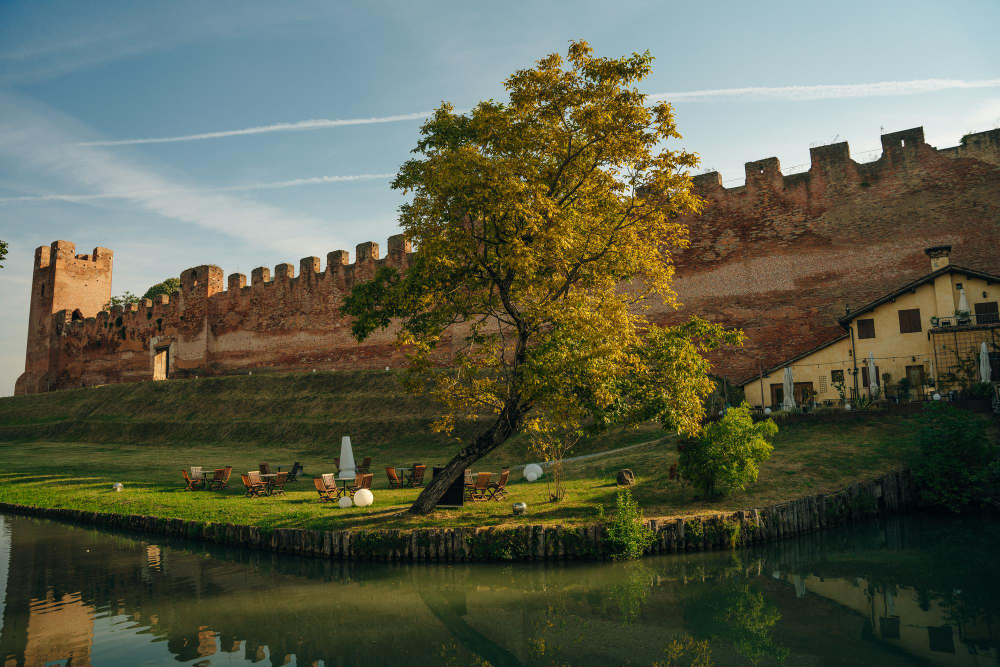
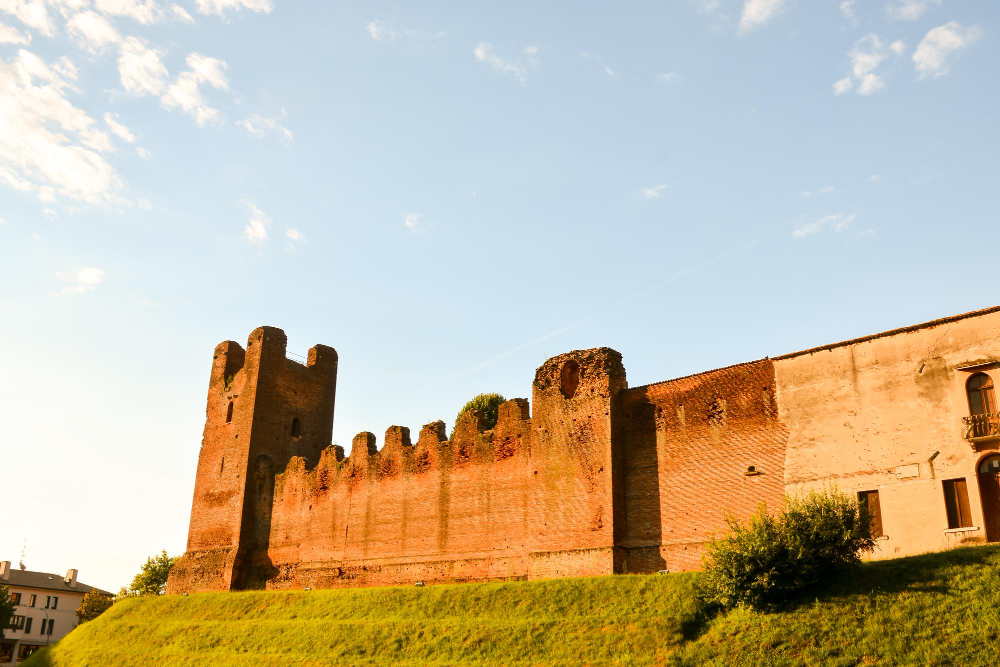
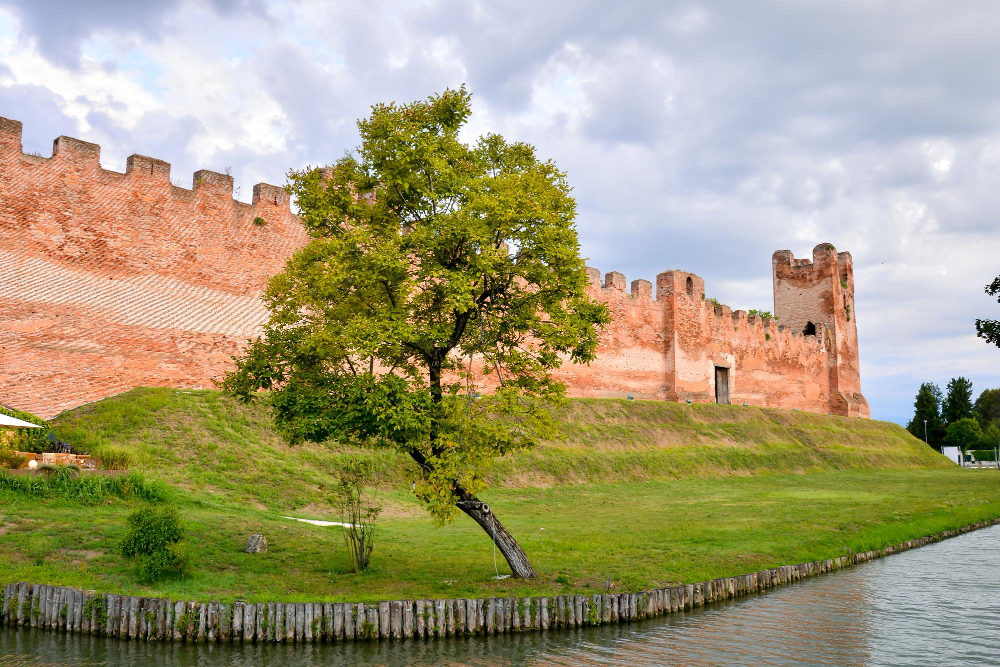
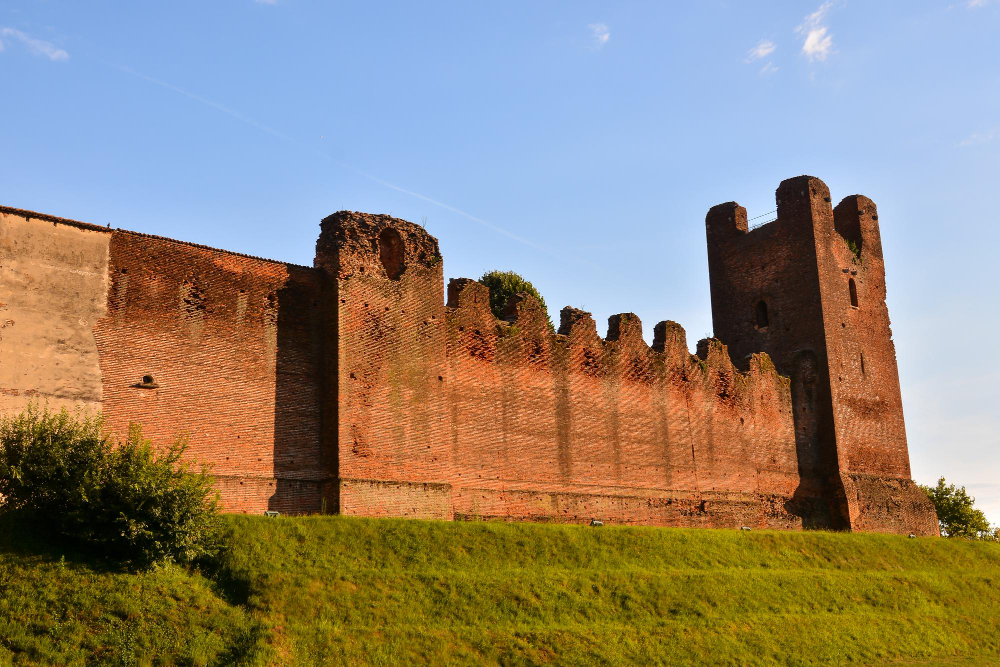
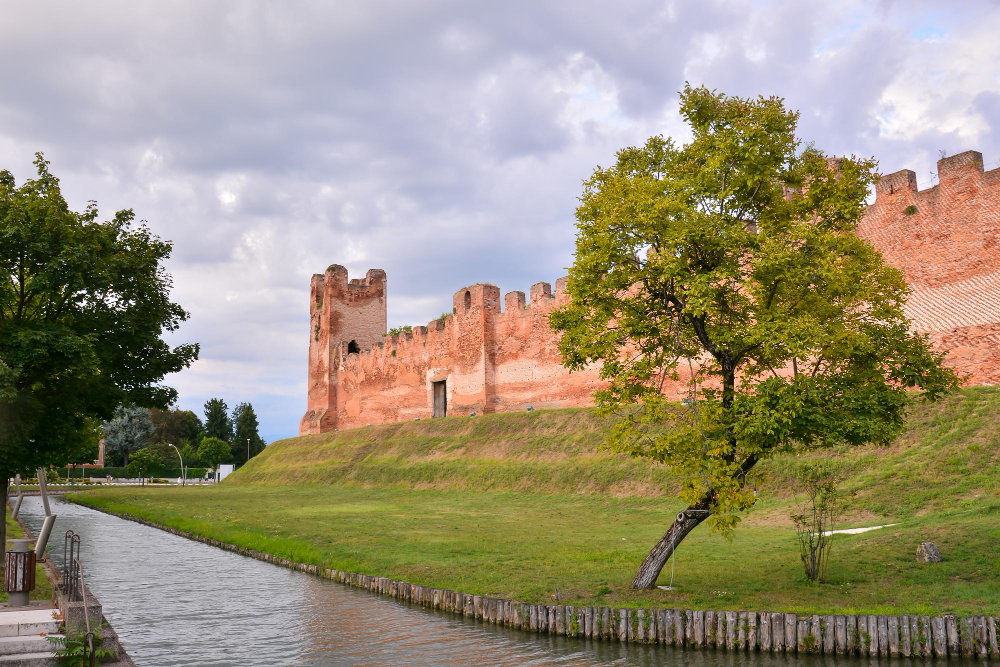
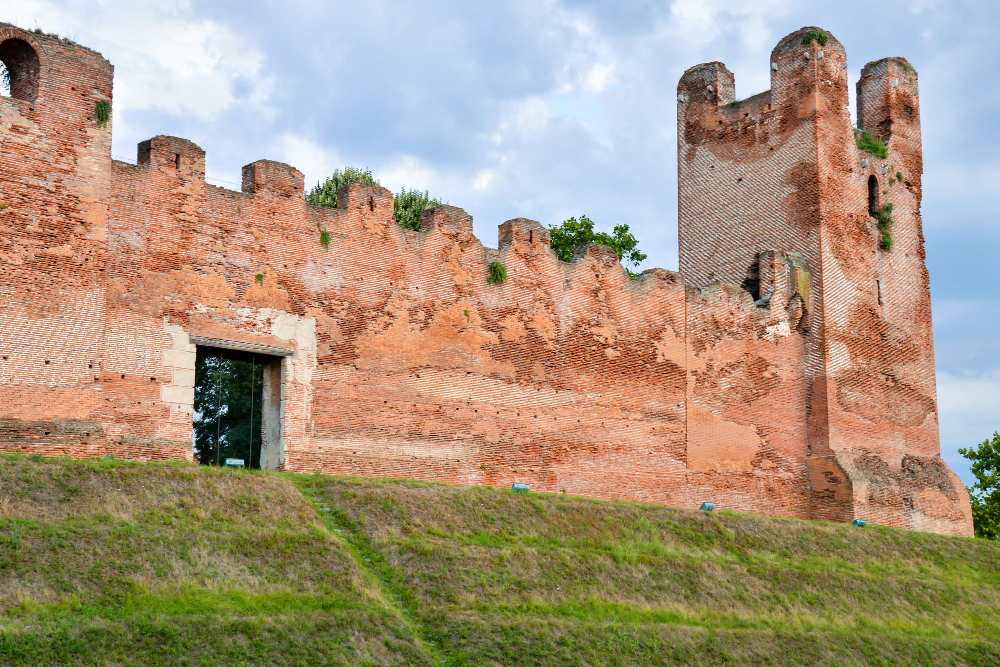
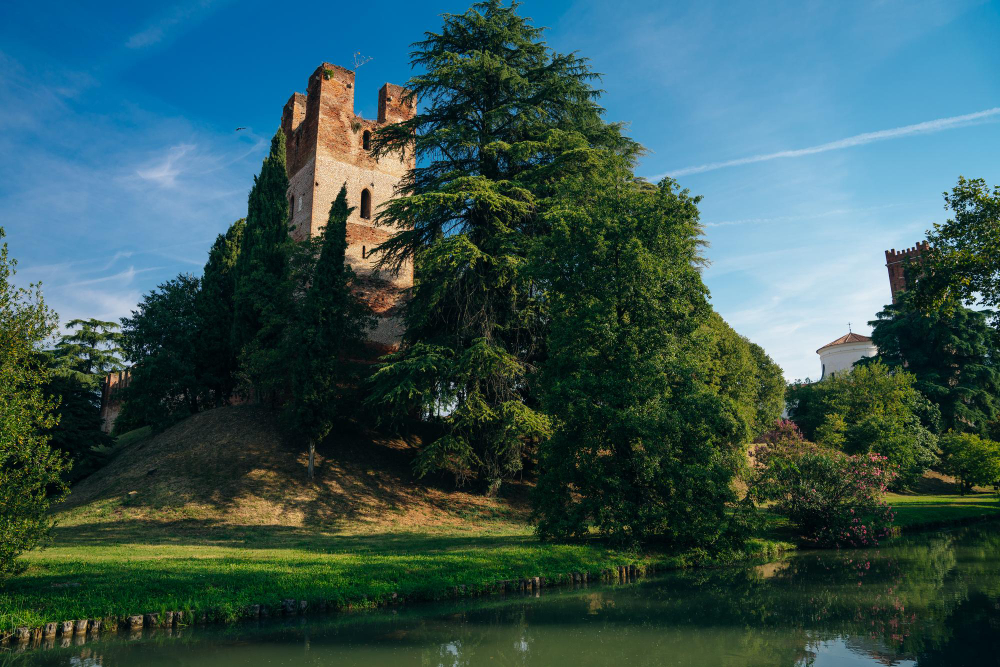
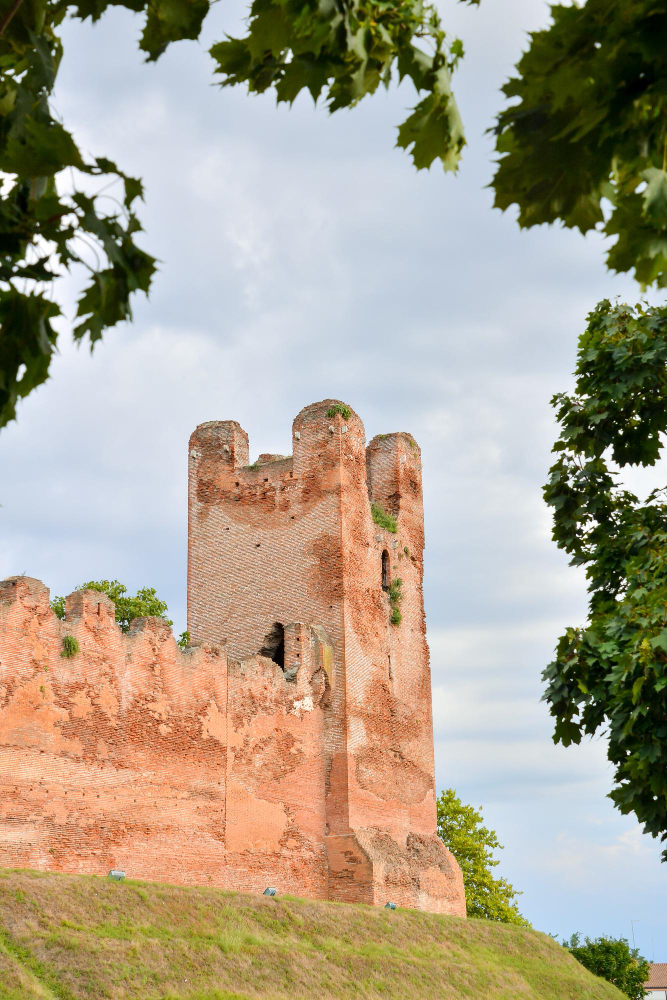
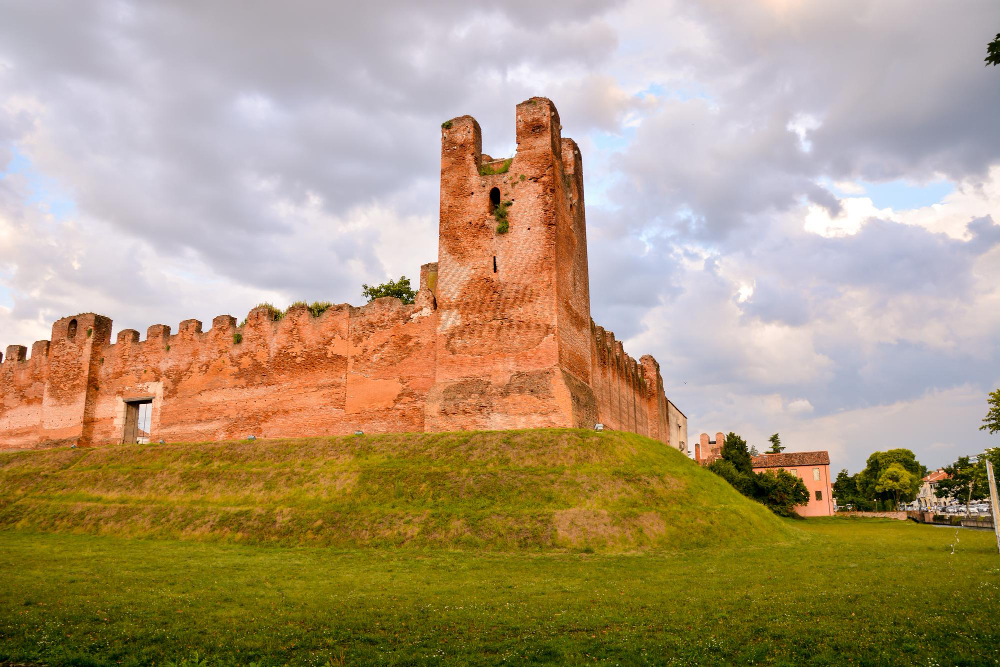
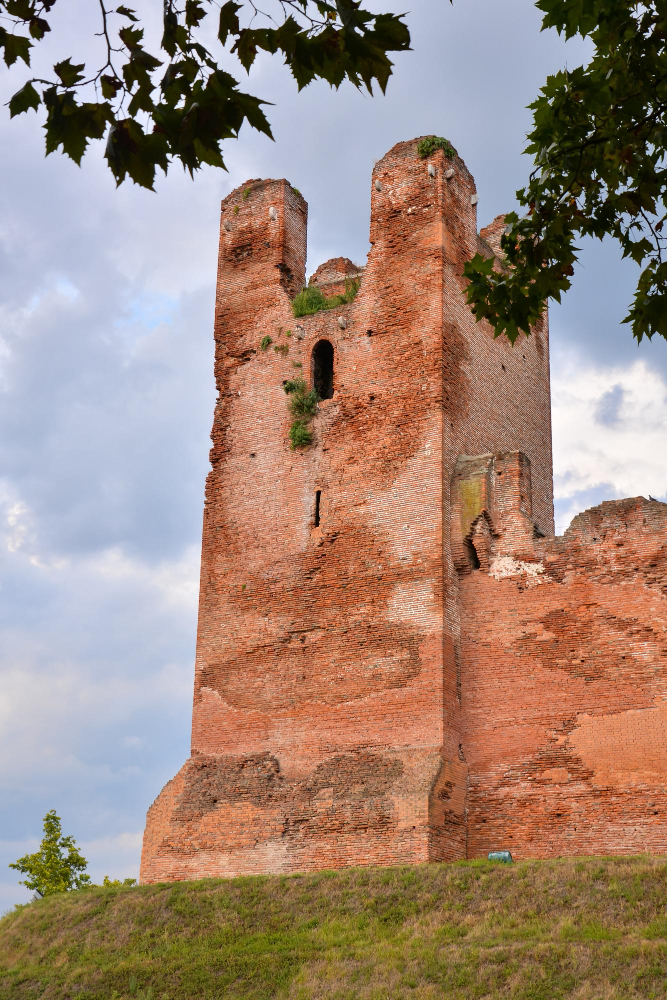
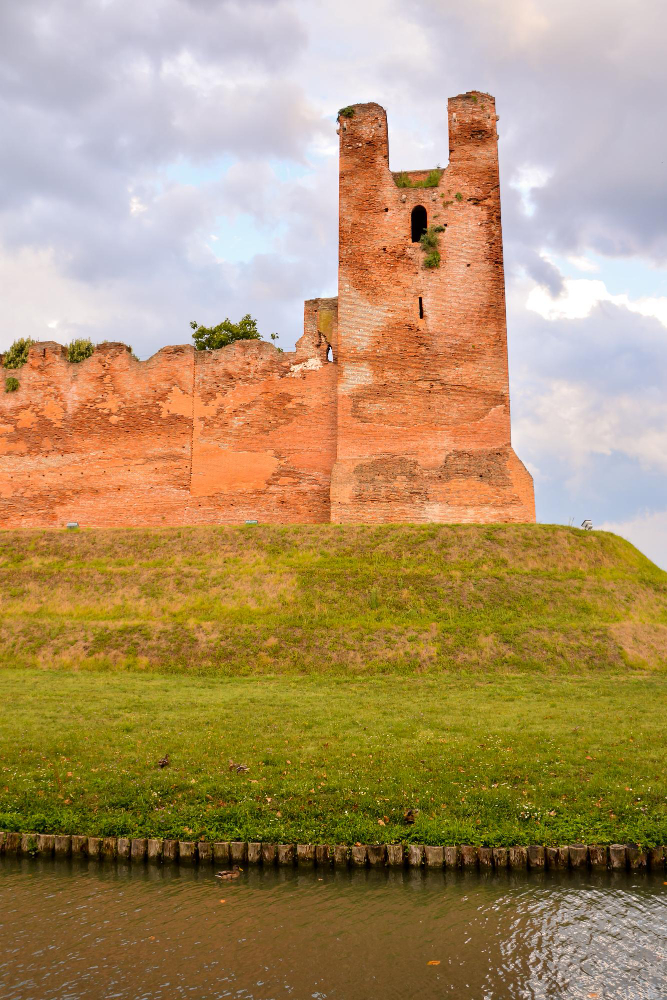
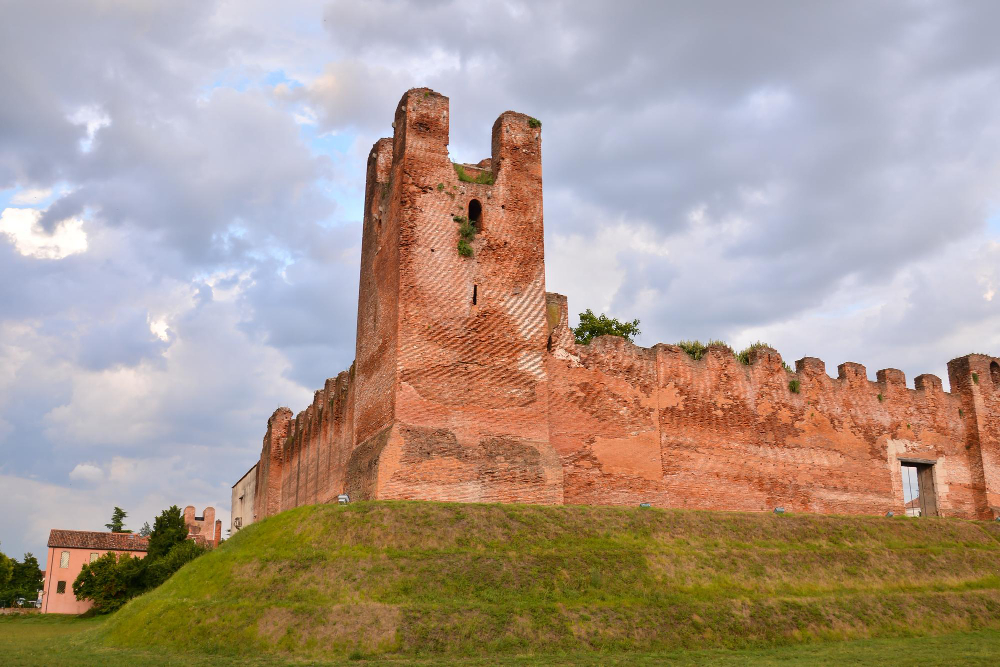
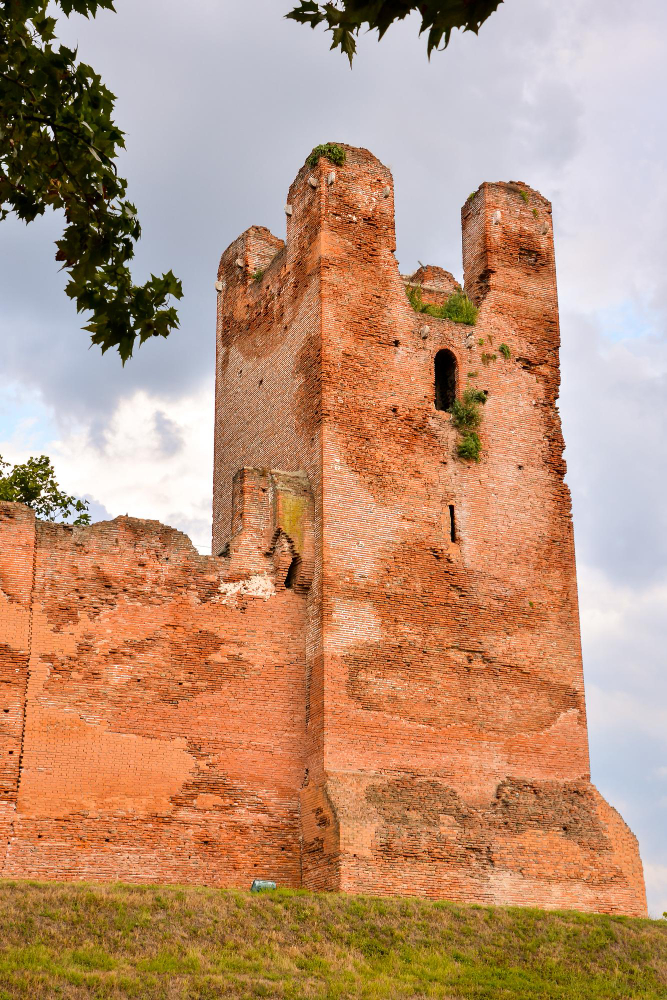
Anyone visiting Castelfranco Veneto in the northern Italian province of Treviso will find a town that has preserved its medieval character with remarkable integrity. The mighty brick walls, four corner towers and the wide moat still enclose the historic centre to this day. Yet behind this fortified backdrop lies a work of art that has fascinated art historians, restorers and visitors for more than five centuries: the Pala di Castelfranco, the altarpiece by the Venetian Renaissance artist Giorgione. The painting hangs in Castelfranco Veneto Cathedral, which was built on the site of the former Church of San Liberale. It is regarded as one of Giorgione’s most important works – and, at the same time, one of his most enigmatic. Its visual language is quiet, poetic and unusual; it defies simple explanation. It is precisely for this reason that, over time, numerous interpretations have emerged concerning hidden meanings, religious allusions and supposedly esoteric messages. In Giorgione’s case, established facts, historical circumstances and later legends are often closely intertwined.
A fortified town and its most famous son – Castelfranco Veneto was founded in the late 12th century as a fortified settlement. The city walls were built around 1195 by the municipality of Treviso to secure a strategically important location on the border with the territories of Padua and Vicenza. The name refers to special privileges: the settlement was intended to attract people and strengthen its military position through exemptions from taxes and duties – ‘franco’ means ‘free’. The complex remains particularly impressive to this day. An almost square ring of red brick walls, approximately 230 metres long on each side, marks the medieval centre. Towers, battlements and the moat convey a sense of that era, when towns demonstrated their political power through their architecture as well. It was here, around 1477 or 1478, that Giorgio Barbarelli da Castelfranco was born, better known by his artist’s name, Giorgione. Surprisingly little reliable information has survived about his life. Even his exact date of birth is unknown; his origins, training and personal relationships can also only be partially reconstructed. He probably spent time in Venice at an early age and was trained there in the circle of Giovanni Bellini. His death in 1510, on the other hand, is relatively well documented: he is thought to have fallen victim to a plague epidemic and died whilst still very young, probably at barely more than thirty years of age. Despite his short life, Giorgione had a lasting influence on Venetian painting. His works exemplify a new, atmospheric approach to colour, light and landscape. He did not merely tell stories, but created moods. In his work, figures, nature and architecture enter into a mysterious interplay with one another. This approach made him a pioneer for artists such as Titian.
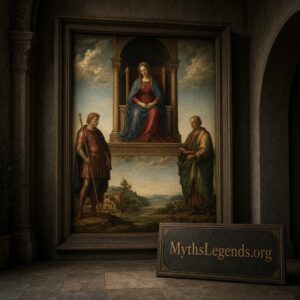
An altarpiece as a memorial to a fallen son – The Pala di Castelfranco was probably painted around 1502. It was commissioned by the condottiero Tuzio Costanzo, a military commander from Messina in the service of the Republic of Venice. He had the painting commissioned in memory of his son Matteo Costanzo, who had fallen in battle in 1501. The altarpiece was originally intended for the family chapel in the Church of San Liberale, which was dedicated to Saint Liberalis. Today, the work is housed in the city’s cathedral, which was built following the reconstruction of the older church in the 18th century. This history of its creation is crucial to understanding the painting. The work is not simply an idealised depiction of Marian devotion, but also a private memorial. Its religious content is intertwined with a family’s grief and with the self-image of a patron with a military background. The large-scale painting depicts a so-called Sacra Conversazione, a ‘holy conversation’. This term refers to depictions in which the Madonna and Child, together with saints from different eras, appear in a shared, timeless space. Yet Giorgione offers an unusual interpretation of this familiar pictorial scheme. The figures do not appear to be engaged in conversation. They stand in silence, separated from one another and lost in their own thoughts. It is precisely this silence that contributes to the work’s distinctive impact. In the upper section, Mary, with the infant Jesus, is enthroned on a high, red pedestal. She is not seated within a magnificent architectural setting, as was customary in many altarpieces of the time, but against an open landscape. Her robe is a luminous blue; the Child sits calmly on her lap. The high pedestal elevates the Mother and Child far above the other figures. At the same time, Mary is neither distant nor unapproachable: her demeanour remains gentle and human, her gaze directed downwards. The centre of the picture is dominated by the dark, architecturally styled base of the throne. Its clear, block-like form separates Mary’s heavenly realm from the world of the saints. The Costanzo family coat of arms is depicted on this plinth. Thus, the connection to the patron is not merely handed down through tradition, but is visibly anchored within the painting itself. On the left stands Saint Francis of Assisi. He is recognisable by his brown habit and the stigmata. His slightly bowed posture and focused expression convey humility and contemplative composure. On the right is Saint Liberalis, the patron saint of Castelfranco and the original church. He wears armour and holds a lance; his military appearance also alludes to the world of the patron, Tuzio Costanzo. Some interpretations also see in him a reference to Matteo Costanzo, the fallen son. However, a direct identification as a portrait cannot be confirmed.
Landscape, Colour and Mourning – The real sensation of the Pala di Castelfranco lies not only in its iconographic programme, but in its painterly language. Giorgione does not treat the landscape as a mere backdrop. Hills, trees, distant buildings and the vast sky form an atmospheric space that surrounds the figures and reinforces their quiet mood. The use of colour is particularly striking. The vibrant red of the throne, Mary’s blue and the muted tones of the landscape are in a finely balanced relationship with one another. Instead of sharp contours, transitions of light, colour and shadow dominate. This painterly technique, which later became associated with the term colorito, developed into a hallmark of Venetian art. At the same time, the work breaks with older compositional rules. In traditional altarpieces, the Virgin and Child are often seated in a symmetrical, architecturally ordered space; the saints are grouped closely around them. Giorgione, by contrast, creates large gaps. Francis and Liberalis stand far apart. Between them, the view opens up onto the massive base of the throne and the landscape. This emptiness is not a shortcoming, but a means of expression: it lends the painting an air of tranquillity, solemnity and almost otherworldly detachment. The dimensions of the throne may also be linked to the memory of Matteo Costanzo. The tall structure resembles a funerary monument or an architectural memorial. This interpretation fits with the work’s function as a memorial painting. Yet Giorgione transforms private grief into a universal religious imagery: the loss of a young soldier is not depicted dramatically, but is transformed into a vision of intercession, consolation and redemption.
Where facts end and myth begins – Hardly any artist of the High Renaissance is shrouded in as much mystery as Giorgione. This is due not least to the fact that only a few of his works are clearly documented. Many paintings are attributed to him, but scholars continue to debate the authorship, dating and original meaning of individual works. His early death, the scarcity of sources and the poetic nature of his painting have all contributed to the emergence of numerous legends surrounding his name. The Pala di Castelfranco has also repeatedly been linked to notions of secret symbolism. Popular accounts speak of esoteric codes, encrypted messages or hidden religious teachings. Such speculation must, however, be distinguished from statements that can be substantiated by art-historical evidence. The fact that a painting appears enigmatic is no proof of a secret teaching. In fact, the altarpiece’s most important symbolism can be explained by its historical and religious context: Mary and Christ represent salvation and intercession; Francis, humility and spiritual devotion; Liberalis, local worship and a role as a military protector. The Costanzo coat of arms clearly links the commission to the family. The memory of Matteo Costanzo lends the work its personal depth. The mystery therefore lies less in any verifiable cipher than in Giorgione’s artistic openness. He offers no narrative clarity. The figures do not explain themselves through gestures or words. The landscape reveals no clear plot. The painting holds its viewer in a state of contemplation. It is precisely in this that it differs from many works of its time.
Casa Giorgione and the traces of a lost work – Alongside the cathedral, the Casa Giorgione is a central place of remembrance in the city. The building is traditionally associated with the artist and now houses a museum. Particularly well-known is a fragment of a fresco on the façade, which is usually attributed to Giorgione. The surviving remains are valuable because the artist’s monumental fresco paintings have been almost entirely lost. Giorgione is said to have worked on façade paintings in Venice, including at the Fondaco dei Tedeschi, the trading house of the German merchants on the Grand Canal. However, these frescoes have been largely destroyed by the elements and the passage of time. The few surviving traces give us only a glimpse of how important Giorgione must have been as a fresco painter. Casa Giorgione is therefore not merely a biographical site. It serves as a reminder of how fragmentary our knowledge of this artist remains. It is precisely this that makes Castelfranco Veneto a special destination: the town does not preserve a complete, unbroken history, but rather a place where art, memory and uncertainty visibly converge.
A painting that retains its questions – The Pala di Castelfranco is not a mystery in the sense of a decipherable code. Rather, its fascination arises from the combination of historical precision and artistic ambiguity. The painting was commissioned for a specific family, in memory of a young man who can be specifically identified, and for a specific church. At the same time, it speaks in a visual language that points far beyond this particular occasion. Giorgione does not express grief loudly, but quietly. He relies not on dramatic movement, but on distance, colour, landscape and silence. In Castelfranco Veneto Cathedral, therefore, one encounters not only a masterpiece of the Venetian Renaissance, but a painting that derives its impact precisely from the mystery it preserves. Not every question needs to be answered with a sensational theory. Sometimes the greatest mystery of a work of art lies in the fact that, even after five hundred years, it still compels us to look at it closely.





Post Comment