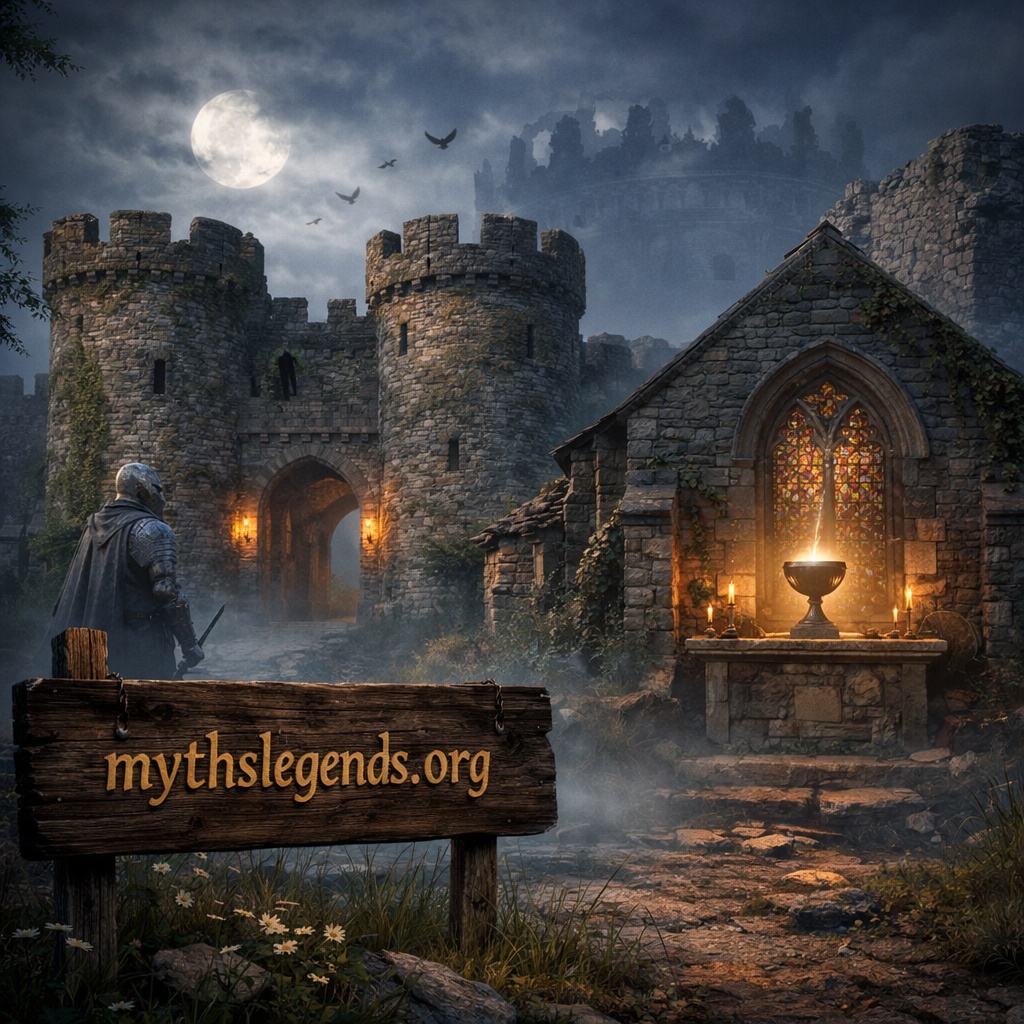
Whittington Castle: The mysterious fortress that guards the Marian Chalice
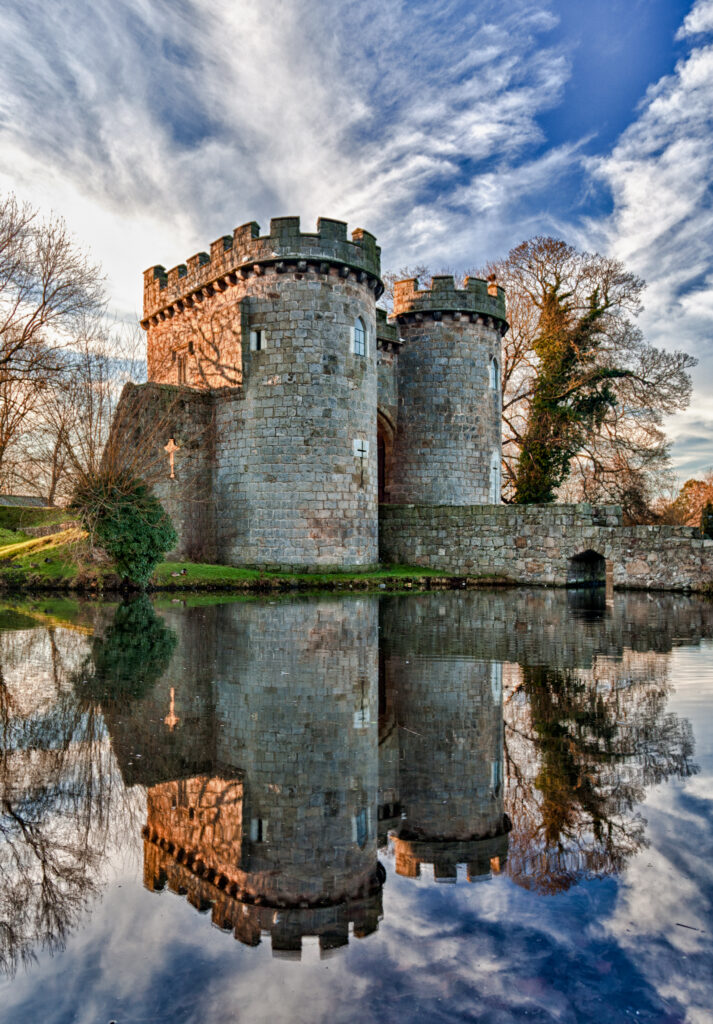
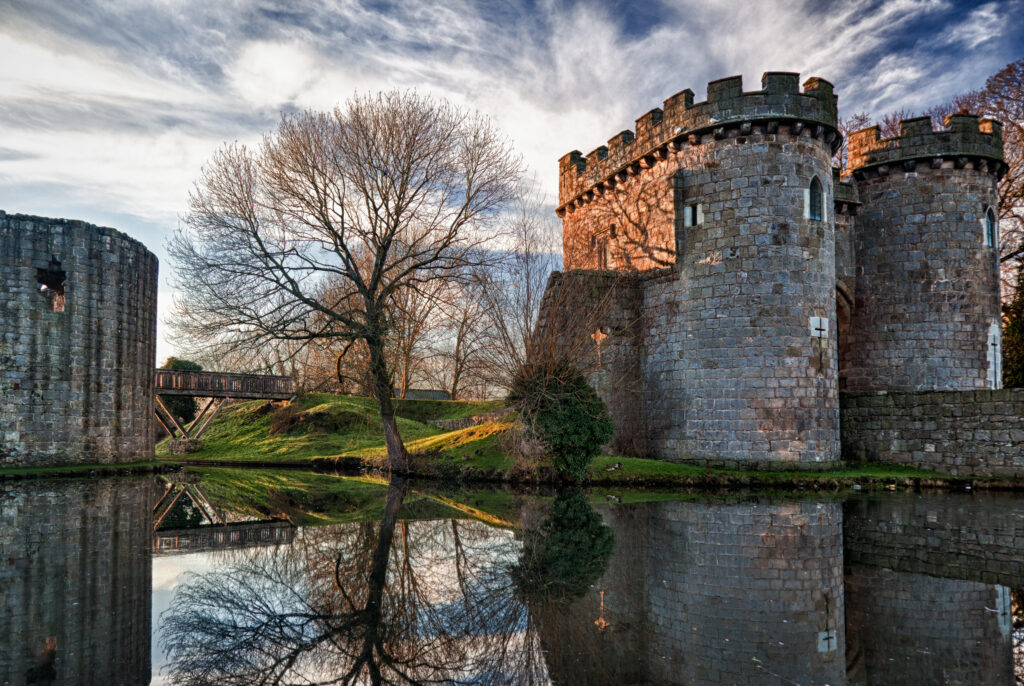
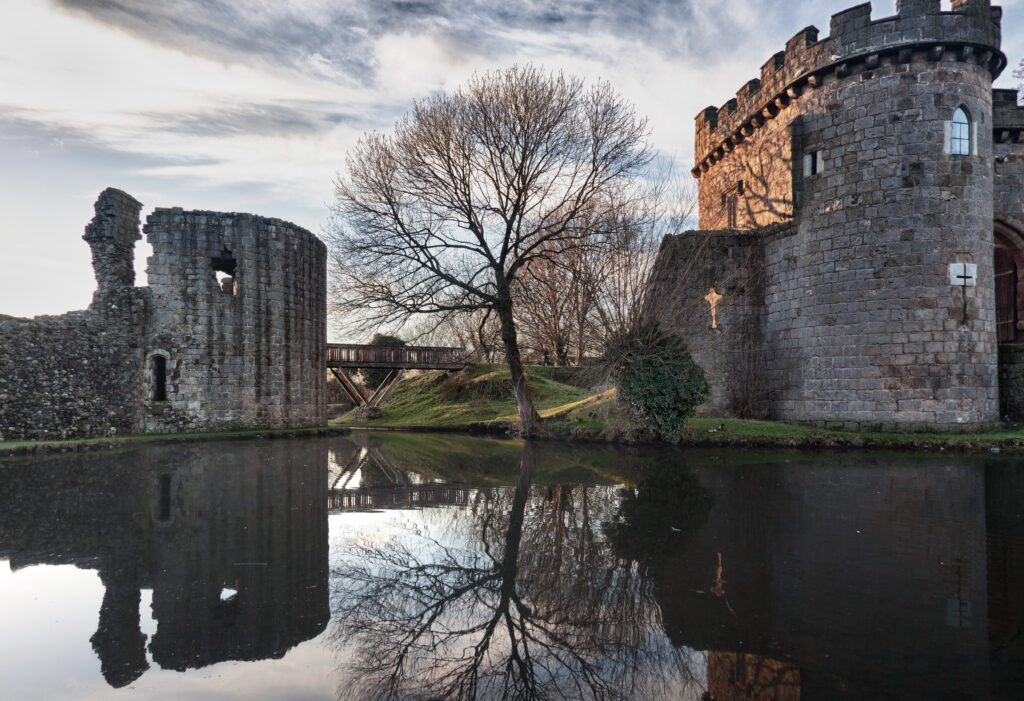
Nestled among the rolling hills of Shropshire stands Whittington Castle, a structure whose ancient walls are steeped in lore and legend. Among the countless stories surrounding this majestic fortress, none is as captivating as that of the Marian Chalice—said to be the Holy Grail itself—which whispers through the sacred corridors of the castle’s private chapel.
The origins of Whittington Castle’s mysticism can be traced back to the Middle Ages, and it is said that Sir Fulk FitzWarin, a purported descendant of the mysterious Payne Peveril, played a central role in its legendary past. According to tradition, Sir Fulk was one of the chosen knights entrusted with guarding the Holy Grail, a sacred task assigned to him by none other than King Arthur himself. Although there is little historical evidence to support these claims, the fascination of this story has lost none of its power and keeps the spirit of ancient chivalry alive in the collective imagination.
Sir Fulk FitzWarine’s connection to the Grail lends Whittington Castle a blend of chivalry, mystery, and sanctity that makes it an enduring icon of Arthurian legend. Legends describe Sir Fulk not only as a warrior, but also as a devoted protector of one of history’s most coveted relics—the Marian Chalice. Hidden from prying eyes in the remote recesses of the castle chapel, this precious artifact is said to have been kept safe from the forces of darkness and corruption.
The tale of the Marian Chalice fits seamlessly into the broader spectrum of myths surrounding the Holy Grail. Revered across cultures and eras, the Holy Grail has been depicted in various ways: as a vessel of eternal youth, a symbol of divine grace, or even a source of incomparable wisdom. Its connection to Whittington Castle adds an extra dimension to this already complex legend and suggests that the small village in Shropshire was once a place of mystical significance.
Although some may dismiss this story as mere folklore, the lack of concrete evidence does little to diminish its impact. On the contrary, the myth of the Marian Chalice gives Whittington Castle an aura of mystery and fascination that captivates visitors and historians alike. Even today, the castle’s imposing battlements and shadowy interiors seem to conceal untold secrets, attracting those who are fascinated by stories of bravery and mysticism.
Over time, other stories have emerged, each adding a new dimension to the castle’s historic past. These include the ghostly tale of a spectral knight, believed to be Sir Fulk himself, who is said to appear whenever the castle is under threat.
This ghostly figure, clad in full armor and with an expression of determined resolve, is said to roam the grounds, a silent guardian whose watchful presence ensures that the Marian Chalice remains protected.
The legend of the ghostly knight is complemented by reports of strange phenomena within the castle walls. Eyewitness accounts of cold spots, whispering voices, and unexplained lights suggest that Whittington Castle may indeed be a haven for supernatural energies. Could these apparitions be remnants of the castle’s mystical heritage, or are they merely the product of an overactive imagination?
Whittington Castle’s connection to the Arthurian legends is further reinforced by its architectural features. The castle’s layout, with its labyrinthine corridors, secret passages, and fortified towers, seems almost deliberately designed to conceal and protect something. It is easy to imagine knights of old striding through these halls, their footsteps echoing through the centuries as they carried out their sacred duties.
As interest in Arthurian legends and mystical artifacts continues unabated to this day, Whittington Castle remains a magnet for historians and enthusiasts alike. Documentaries, books, and academic papers continue to explore the castle’s enigmatic past, often picking up on the tantalizing possibility that the Marian Chalice may be more than just a myth.
Indeed, the enduring fascination of Whittington Castle lies not only in its physical structure, but also in the timeless stories that breathe life into its stones. Visitors are drawn not only to the historic site, but also to the intangible essence of its legendary past. Each visit is an invitation to travel back in time and imagine a world where knights roamed and holy relics possessed unparalleled power.
Whittington Castle is a testament to the enduring power of myth—a place where history and legend converge to create a complex and endlessly fascinating whole. Whether the Marian Chalice ever truly existed within its walls may never be known, but the mere possibility keeps the legend alive and captivates all who enter the historic castle.






Post Comment