
The Swan Castle and the Legend of the Swan Knight
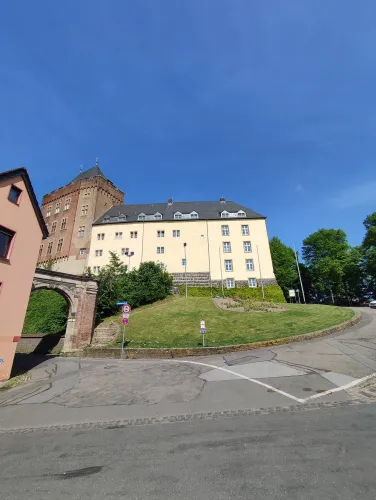
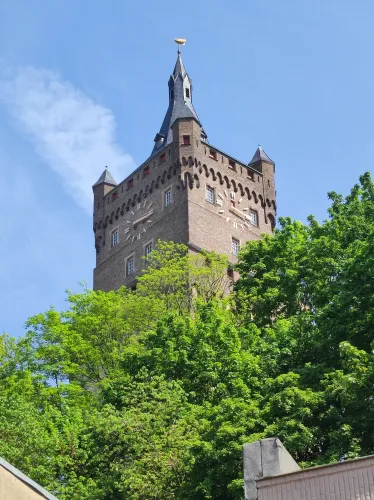
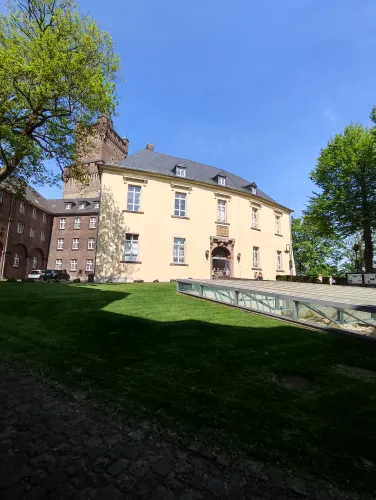
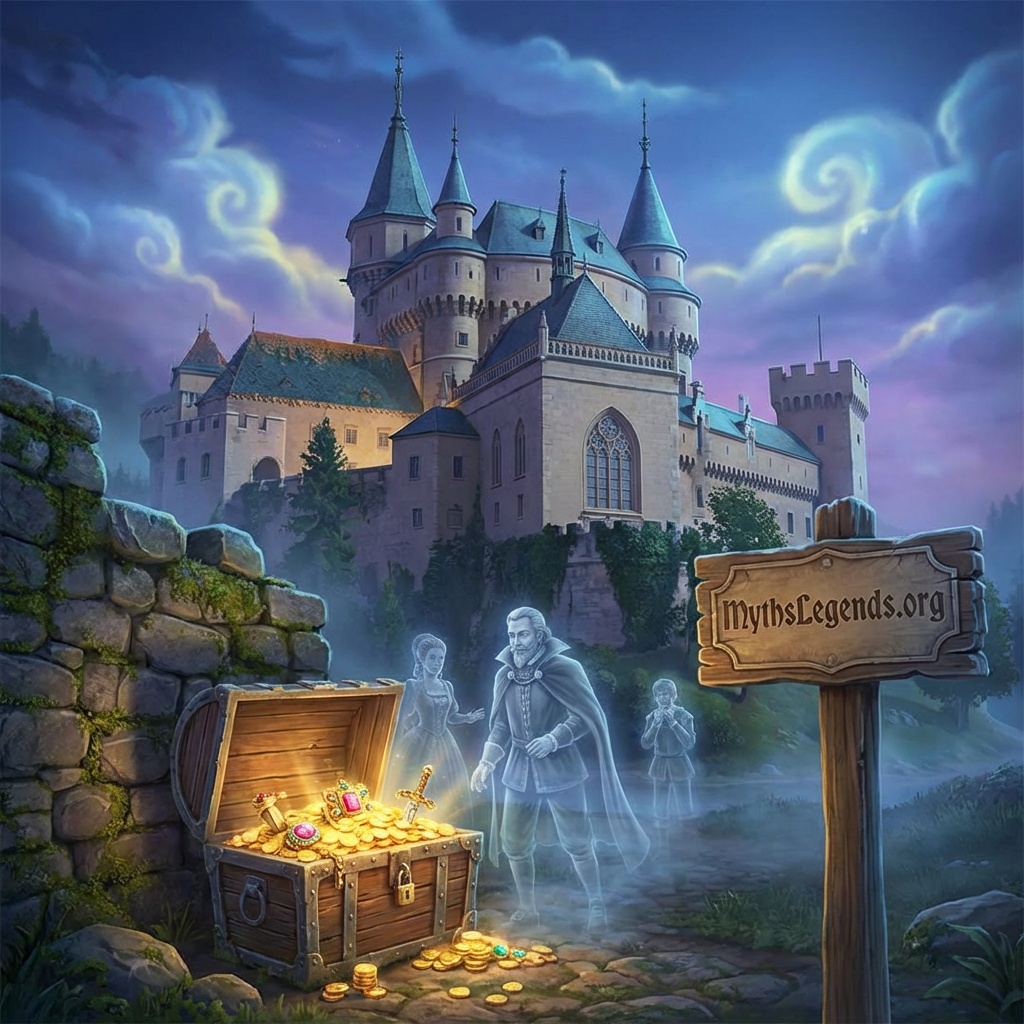
The imposing Schwanenburg castle is the landmark of the city of Kleve on the Lower Rhine and dominates the city’s skyline. This castle, which was probably built in the 11th century by the Counts of Kleve on a spur-like foothill of the Lower Rhine mountain range, was first mentioned in a document in 1092 by Count Dietrich I of Kleve. At that time, the castle was still called “het slot van Kleef,” whose current name goes back to the ancient legend of the Swan Knight. At the beginning of the 8th century, Count Dietrich, who ruled over the Kleve region, lived in Kleve. His wife had died early, leaving him with a single daughter named Beatrix. When the count died, Beatrix was still a young, unmarried woman who now had to defend her father’s lands against enemies all by herself. Beatrix had loyal followers with whom she retreated to the castle. Soon it was surrounded. Several attacks on the castle followed. But Beatrix’s troops were able to defend the castle time and again. Slowly, however, the brave men’s strength began to wane and supplies became increasingly scarce. Beatrix was about to surrender when she saw a swan pulling a boat on a golden chain from the castle tower on the Rhine. On it stood a stately knight with a golden sword in one hand and a silver shield in the other. He wore a velvet ribbon with a hunting horn around his shoulders and a large diamond ring on his finger. When the swan reached the shore, the knight disembarked from the boat. At that very moment, the enemies attacked the castle again. The knight blew his hunting horn and rushed to their aid. He fought like a berserker and managed to put the enemies to flight. Beatrix, who knew the knight from her dreams, was overjoyed. The wedding followed soon after. The knight had agreed to this on the condition that Beatrix never ask about his origins or name, otherwise he would have to leave her forever. Many years passed in which Beatrix and her swan knight lived happily together. Beatrix gave birth to three sons, named Dietrich, Gottfried, and Konrad. Their happiness seemed perfect. But Beatrix and her sons were increasingly tormented by the question of where their father came from. One day, Beatrix’s curiosity got the better of her and she asked her prince, who replied that his name was Elias and that he came from the earthly paradise. At that very moment, the swan appeared and took Elias away. Beatrix wept bitter tears, running to the tower every day to look for her swan knight. But in vain. Beatrix died of grief that same year. Her three sons achieved fame and prestige. The eldest son, Dietrich, became the new Duke of Cleves, inheriting the golden sword and silver shield. His brother Gottfried became Count of Lohn, receiving the hunting horn. The youngest son, Konrad, became the progenitor of Hesse, receiving the diamond ring. Incidentally, the ghost of their mother is said to haunt the tower to this day, where she looks out every day for the Swan Knight. This legend was the reason why the Counts of Kleve added the carbuncle, which refers to the Swan Knight, to their coat of arms in 1233, which led to the name change to Schwanenburg in the 19th century. Count Dietrich IV founded the settlement of Kleve to the west of the castle, granting it town rights on April 24, 1242. After the count’s family died out in 1368, the county of Kleve and its castle passed into the possession of the Counts of Mark. Adolf II of Kleve-Mark was appointed Duke of Kleve by Emperor Sigismund in 1417. In the 16th century, they expanded their power, which is why the castle was only used sporadically as a seat of government and residence. After the death of Duke Wilhelm, the castle came into the possession of the Margraviate of Brandenburg. From 1649 onwards, it experienced its heyday under the Brandenburg governor Johann Moritz von Nassau-Siege, as Kleve was elevated to the rank of the third Brandenburg royal seat. Under Elector Frederick William, Kleve became a magnificent park city. It was not until the 18th century that the city and the castle lost their importance, as the focus of the residential function and government and administrative activities was shifted to Berlin and Potsdam. Today, the Schwanenburg is the seat of the Kleve District and Regional Court, whose tower houses a geological collection of the Kleve Local History Museum on several floors.








Post Comment