The Secrets of Machu Picchu: The Mysterious Lost City of the Incas
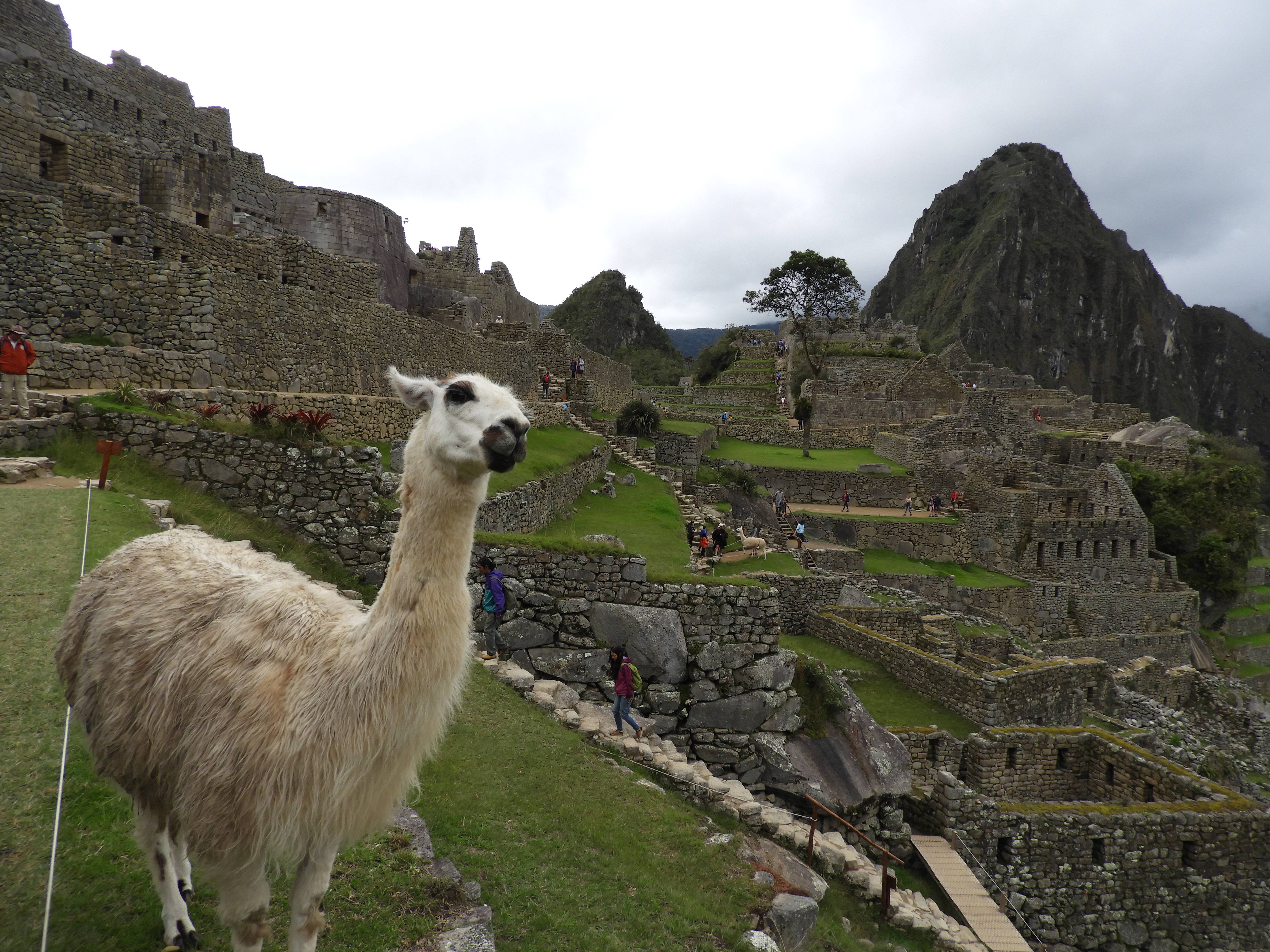
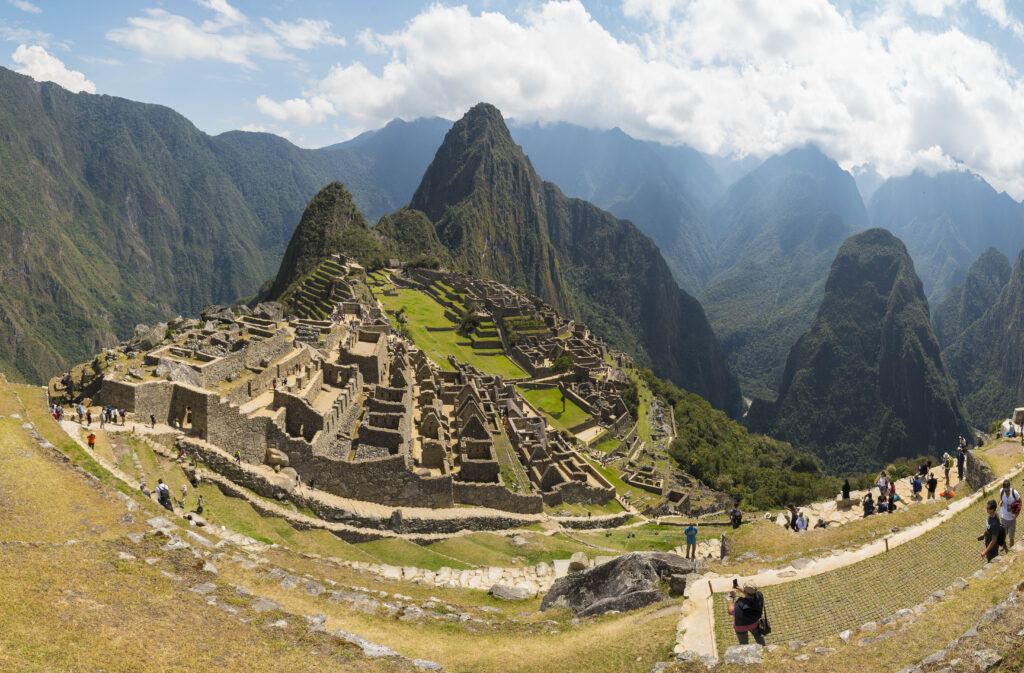
High in the Andes Mountains of Peru lies an archaeological marvel that continues to capture the imagination—Machu Picchu. Often referred to as the “lost city of the Incas,” this UNESCO World Heritage Site attracts millions of visitors each year, all eager to uncover the secrets and stories hidden behind its ancient walls. Despite extensive research, many questions surrounding this iconic Inca city remain shrouded in mystery, making it one of the greatest enigmas in history.
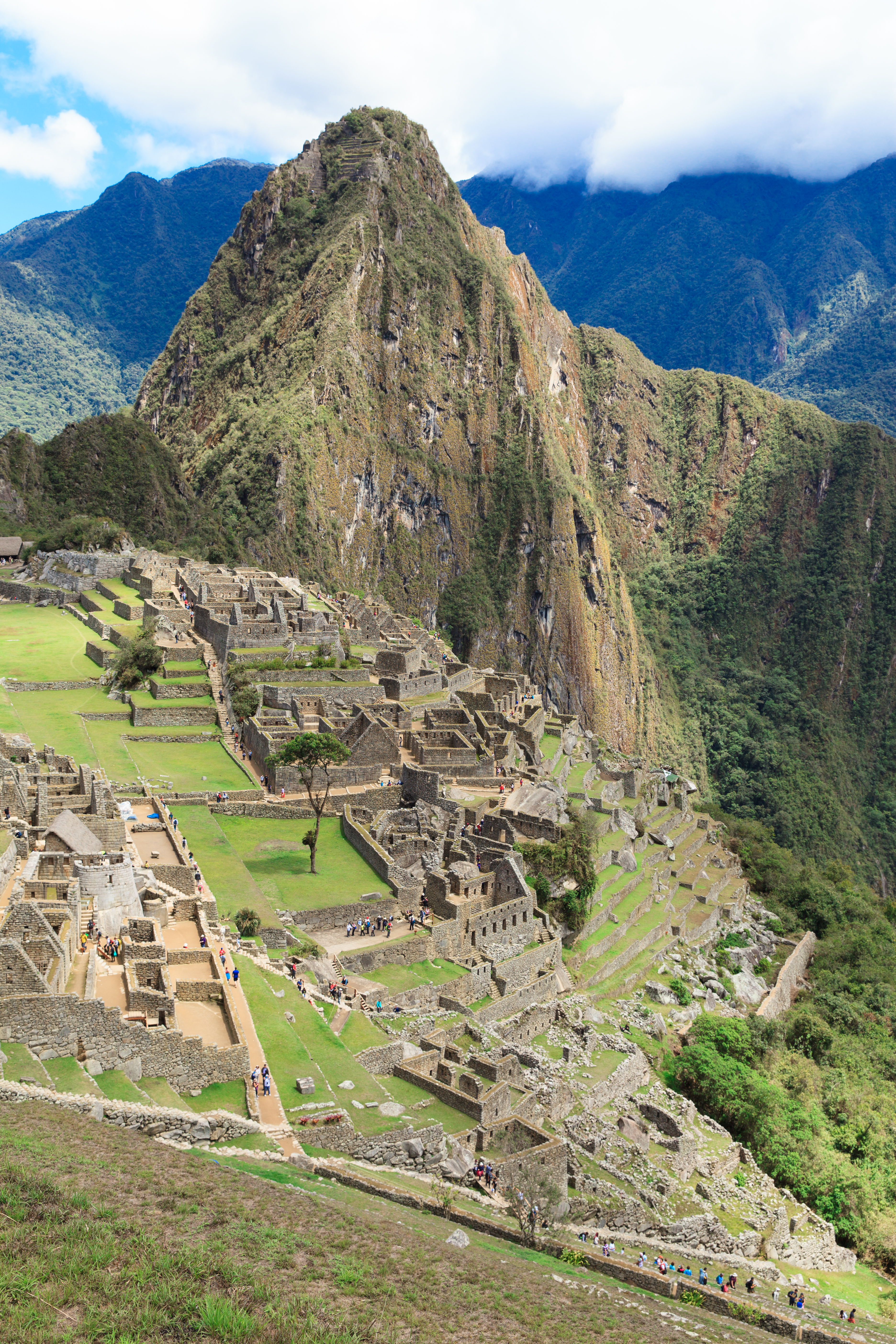
A history of rediscovery – Contrary to popular belief, Machu Picchu was never completely “lost.” The indigenous Quechua people always knew of its existence, but it remained unknown to the outside world until American historian Hiram Bingham III brought it to international attention in 1911. Bingham was actually searching for another city, Vilcabamba, but instead stumbled upon the impressive ruins perched nearly 8,000 feet above sea level. The majestic site was remarkably well preserved and seemed frozen in time, even though it had been abandoned in the 16th century when the Spanish conquistadors arrived.
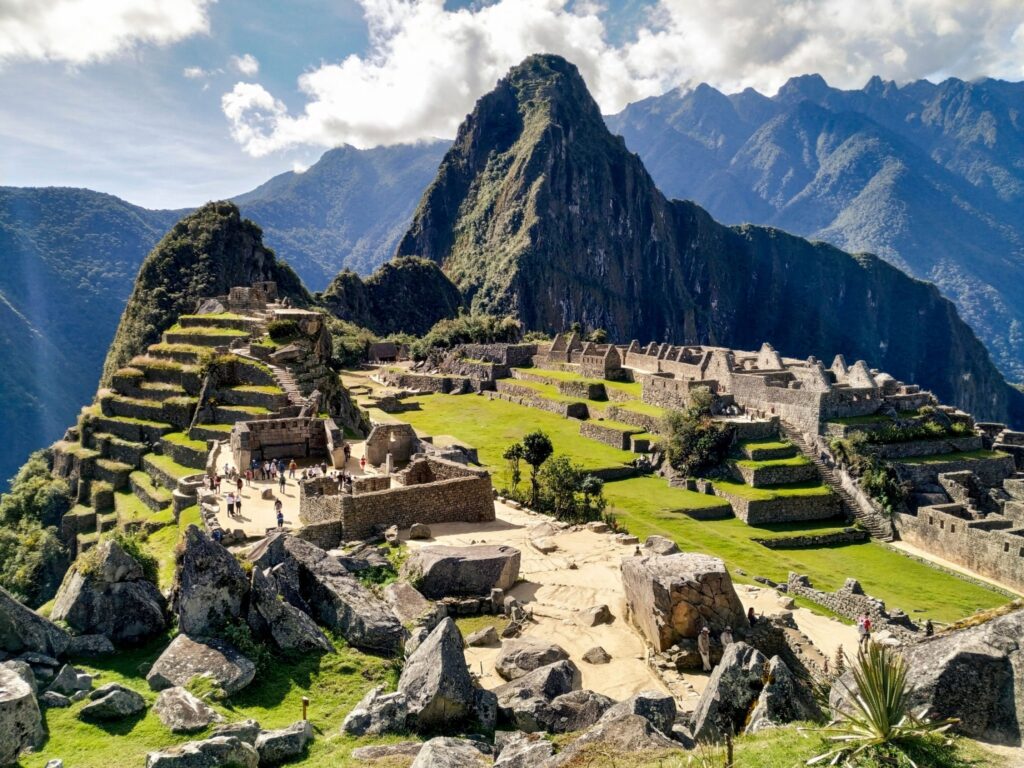
Purpose and function: a subject of debate – One of the most exciting debates among historians and archaeologists revolves around the purpose of Machu Picchu. Was it a royal country estate for Emperor Pachacuti? A religious sanctuary? Or perhaps an astronomical observatory? The evidence suggests a combination of these functions. With around 200 structures, including temples, terraces, and aqueducts, the city complex is a testament to sophisticated engineering and architectural skill.
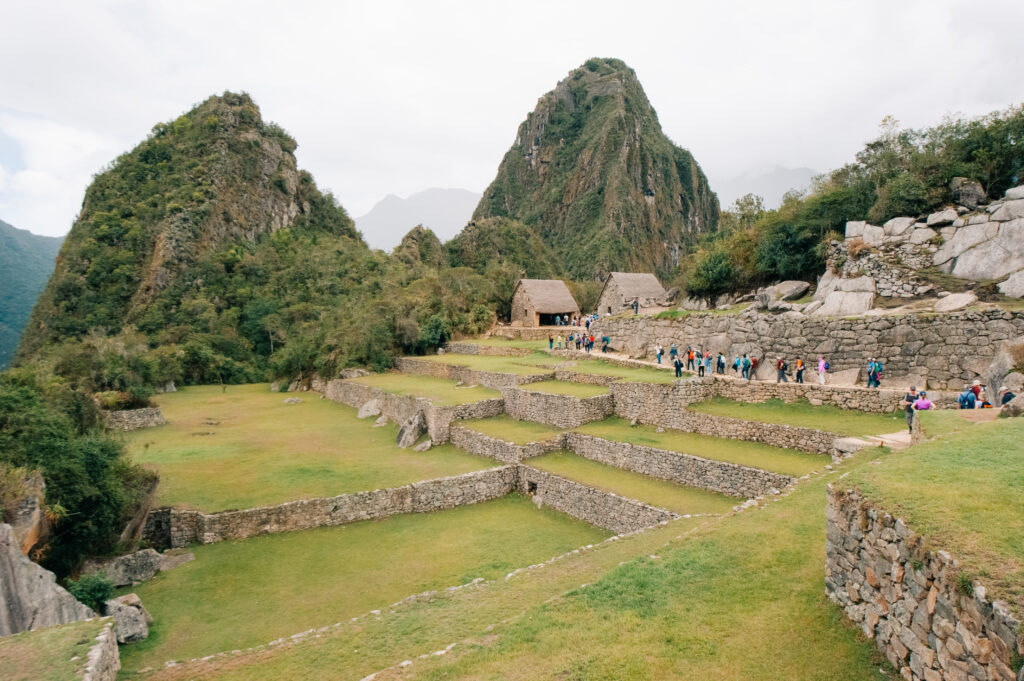
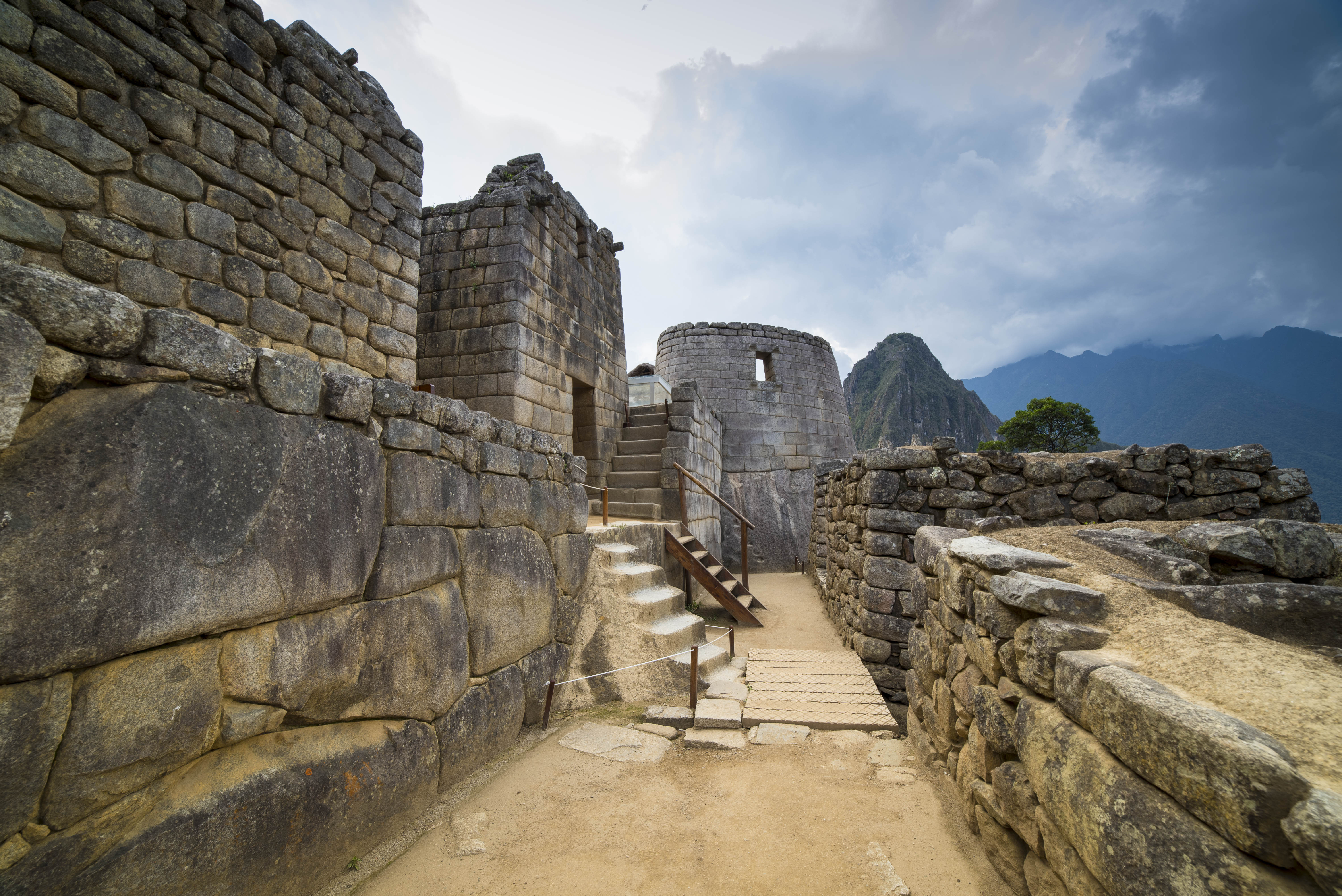
Archaeological finds support the theory that Machu Picchu served as a religious center. The Temple of the Sun, for example, is perfectly aligned with the summer solstice in June, suggesting its importance for astronomical observations and Inca ceremonies. Others suggest that it functioned as an agricultural center thanks to its ingenious terrace system, which enabled efficient farming on steep mountain slopes.
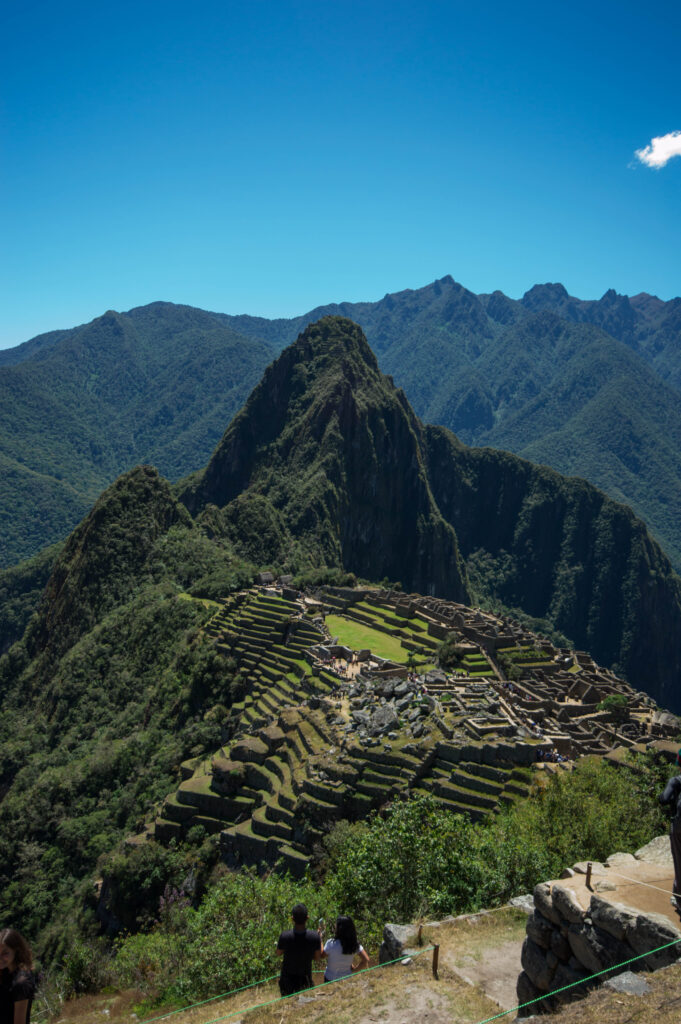
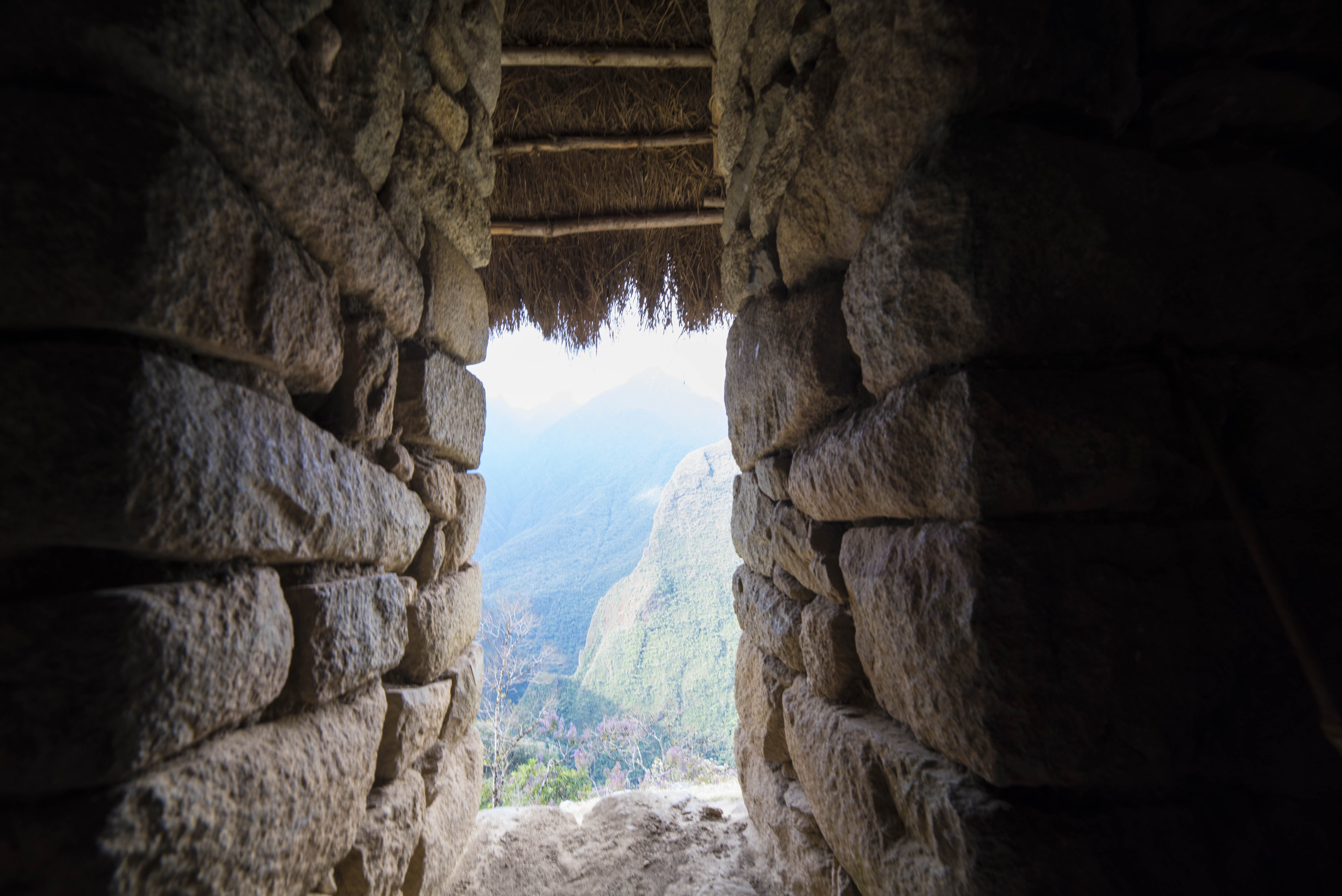
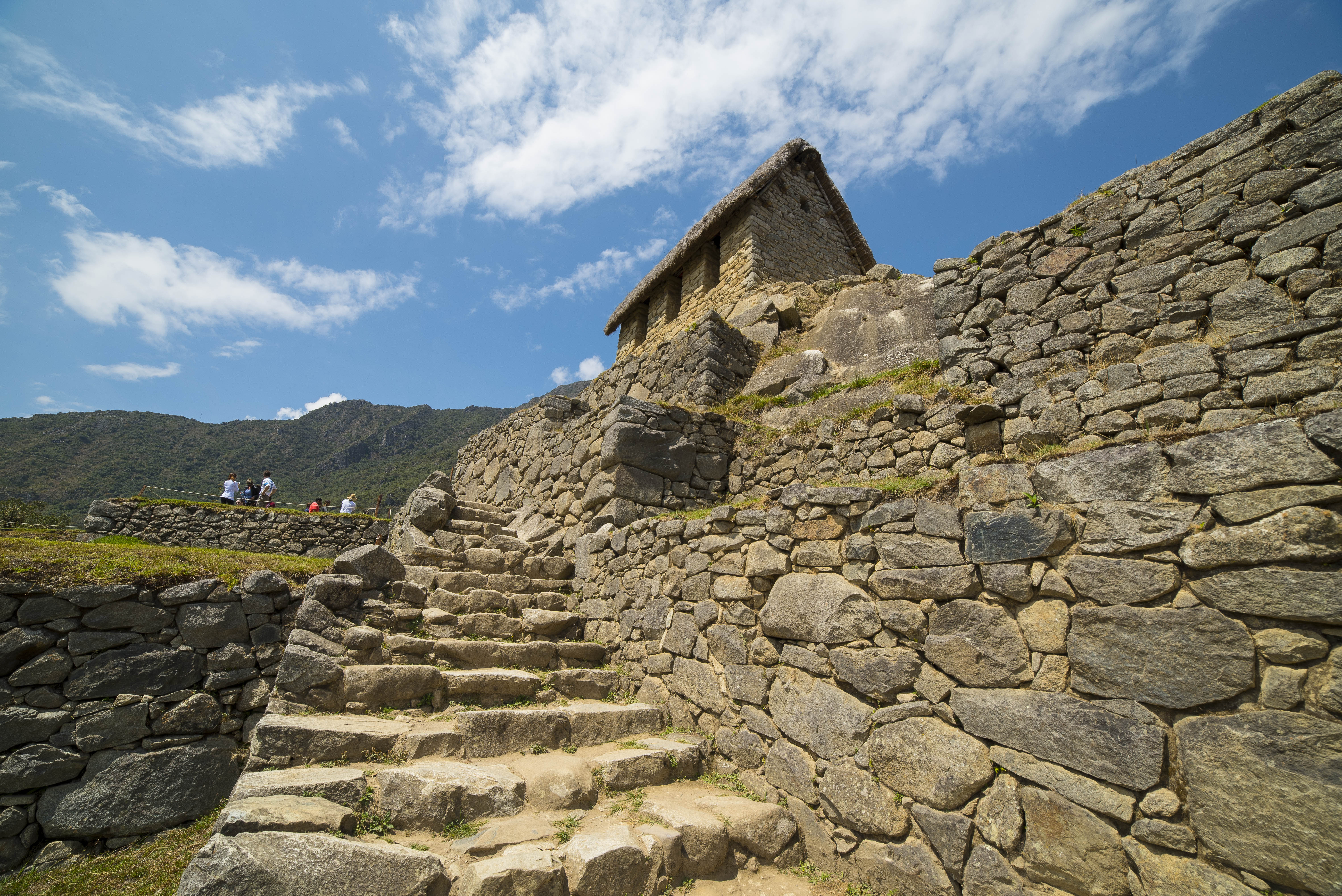
Technical masterpieces and harmony with the environment – Machu Picchu is a testament to the Inca’s impeccable architectural skills. The city’s buildings were constructed using dry stone masonry, with massive stone blocks fitted together without mortar. Remarkably, these structures have withstood earthquakes for centuries, a feat that modern engineers still find impressive. The site’s location also demonstrates the Incas’ environmental awareness. Nestled between two peaks, the city takes advantage of the natural slope for optimal water drainage, preventing erosion and maintaining soil fertility. The complex network of terraces underscores their understanding of sustainable agriculture. The multi-tiered system not only maximized the amount of arable land, but also created microclimates suitable for different crops. In addition, Machu Picchu’s aqueducts and wells are examples of advanced hydraulic engineering that provided the city with a reliable water supply.
The spiritual nexus – Spirituality permeated every aspect of Inca life, and Machu Picchu is no exception. The city is dotted with huacas, or sacred stones, which were believed to house spirits. One of the most famous is the Intihuatana stone, often referred to as the “sun tethering post.” It is believed to be a ritual sundial used during the solstices and equinoxes to tie the sun to the earth and thus ensure the cycle of the seasons. The geographical location of Machu Picchu also has spiritual significance. Situated between Machu Picchu (old peak) and Huayna Picchu (young peak), it is said to represent the principle of duality that prevails in Andean cosmology. This arrangement may have symbolized the balance between old and new, life and death, and the physical and spiritual worlds.
Modern mysticism – Despite ongoing excavations and research, Machu Picchu is still surrounded by an aura of mysticism that captivates scientists and tourists alike. New discoveries are regularly made that expand our understanding and at the same time further stimulate our curiosity. For example, recent technological advances such as LiDAR (Light Detection and Ranging) have revealed previously invisible structures beneath the dense canopy of the jungle, suggesting that the city may have been larger and more complex than previously thought. Despite its fame and intensive research, Machu Picchu remains an enigma, a symbol of human ingenuity and a testament to the deep connection that ancient peoples had with their environment. Every stone and terrace holds a piece of a great history that has yet to be fully discovered.
Protection and Preservation – With tourism booming, measures to protect and preserve Machu Picchu are of utmost importance. To minimize the impact on the fragile ecosystem and ancient structures, the number of visitors per day is limited. Conservation efforts focus on preserving the integrity of the site while ensuring that it remains accessible to future generations so that they too can marvel at this architectural marvel.
In summary, Machu Picchu is more than just an archaeological site; it is a gateway to understanding the cultural, spiritual, and scientific achievements of the Inca civilization. As we continue to research and learn, the lost city of the Incas will undoubtedly remain one of the world’s most fascinating mysteries, forever inviting us to unravel the secrets hidden behind its ancient walls.









Post Comment