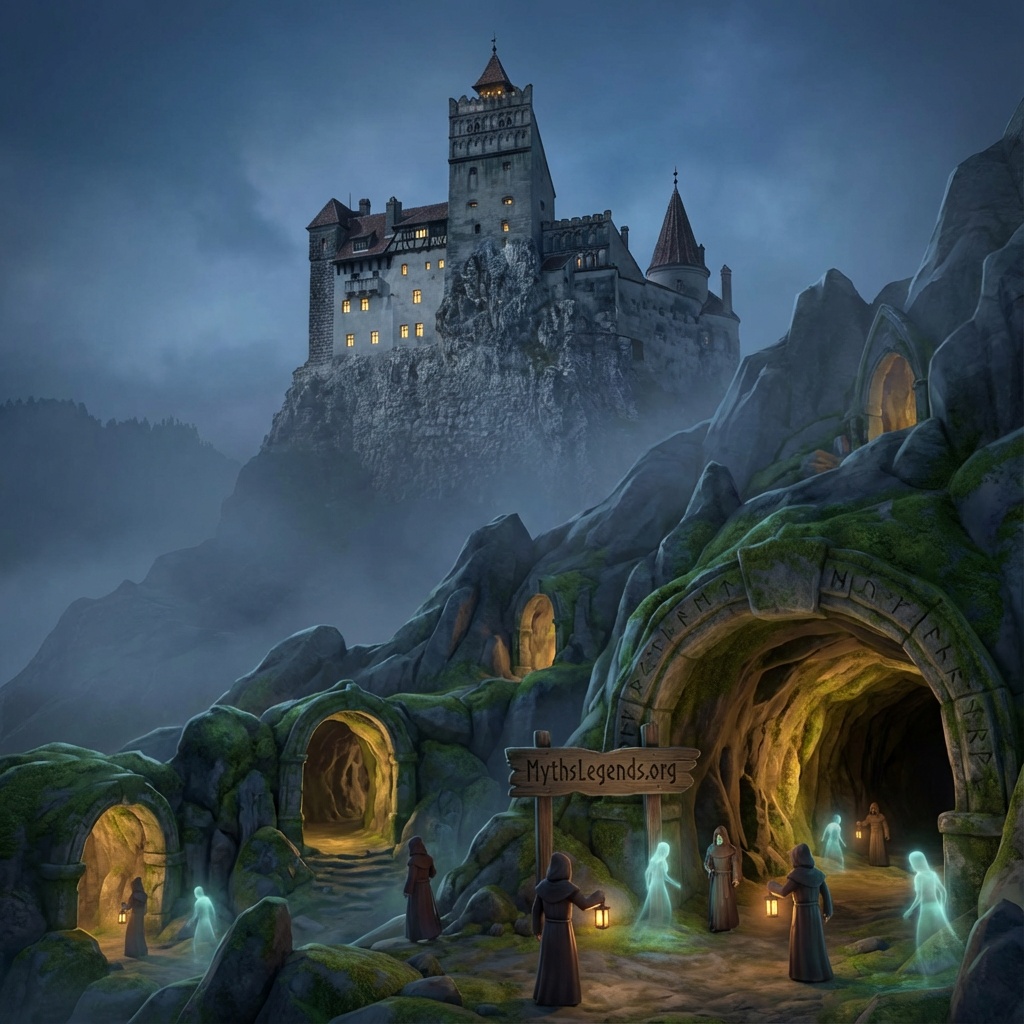
The secret is out: the mysterious tunnels of Dracula’s castle
In the heart of Romania, where the Carpathian Mountains rise like guardians, the stone walls of Bran Castle loom like ghosts from the past. Often associated with the eerie legend of Count Dracula, this fortress holds secrets that extend far beyond its historic battlements. Rumours echo through its shadowy halls and across the misty valley, hinting at the existence of ancient tunnels that wind deep beneath the mountains – passages whispered to have served both the living and the undead.
While many tourists visit Bran Castle, drawn by its connection to Bram Stoker’s fictional vampire, few know that the real mysteries lie beneath its foundations. For centuries, stories have circulated about these underground passages, shrouded in mystery and intrigue. But what is the truth behind these legendary tunnels, and who might have traversed them?
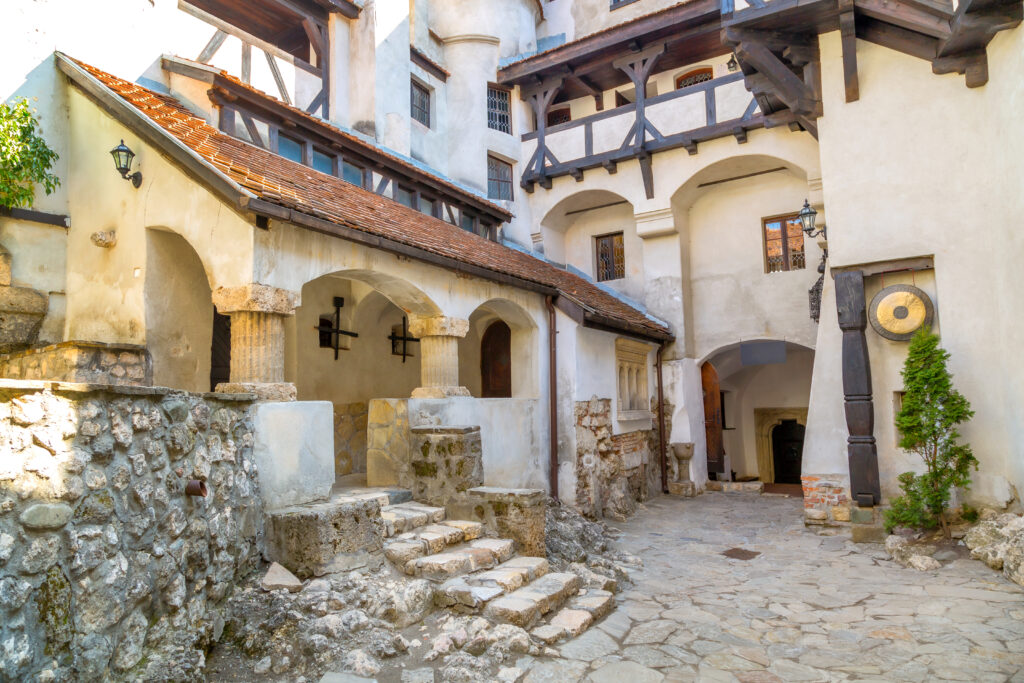
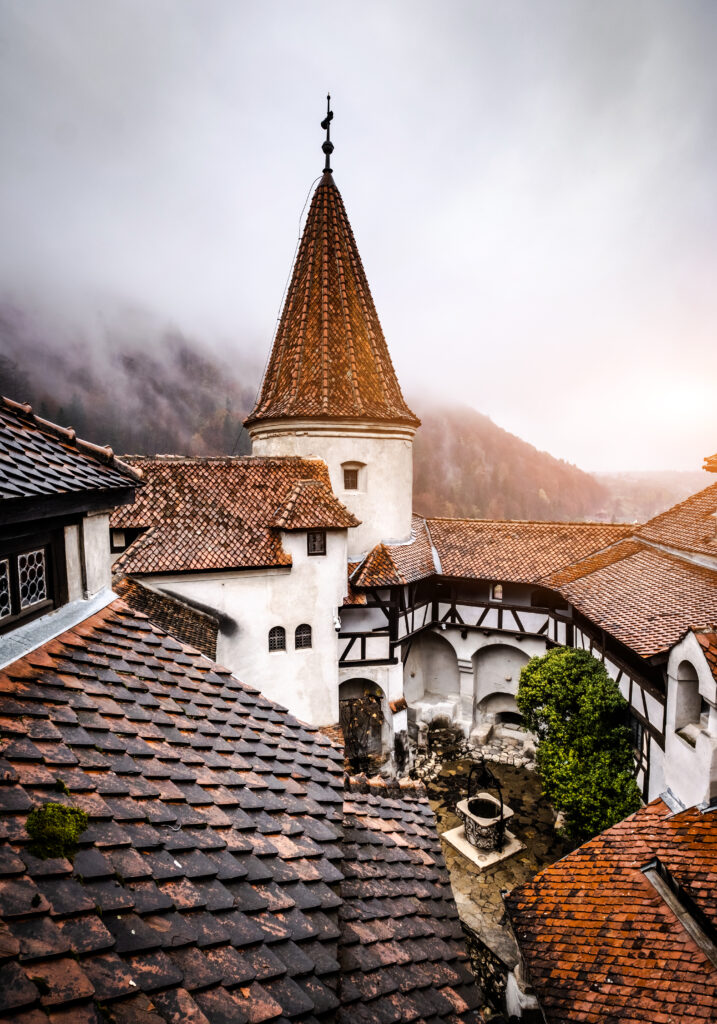
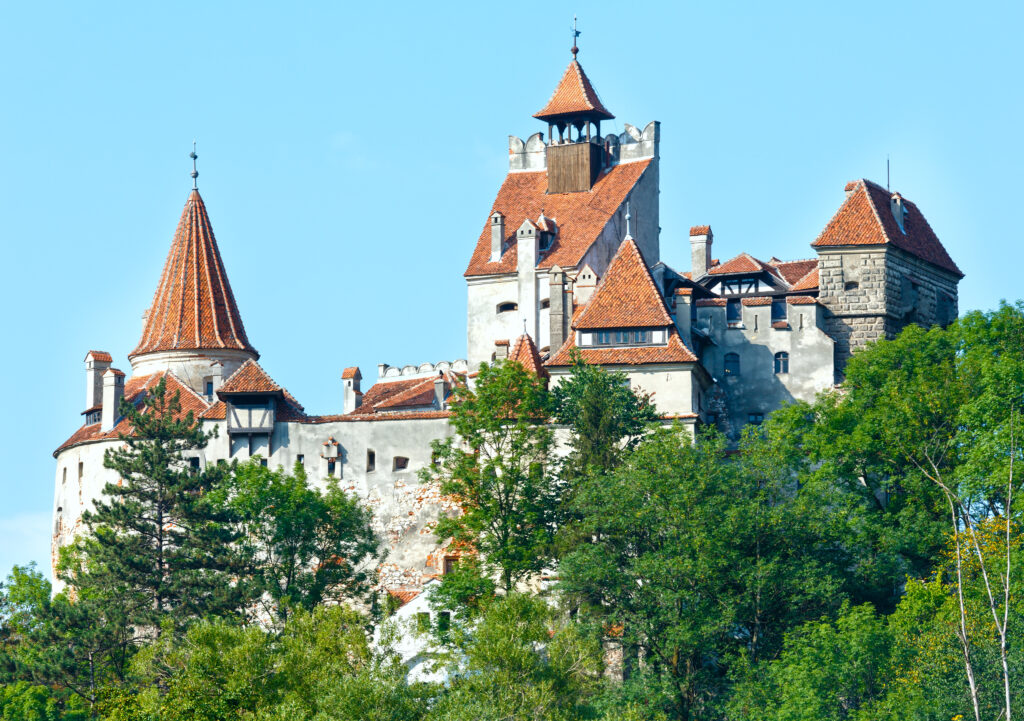
Strategically located on a cliff, Bran Castle has been an important fortress since its completion in 1388. Historically, it served as a defensive structure against invading troops, but its most intriguing feature may be hidden from public view. Locals, historians and conspiracy theorists have long speculated that secret passages extend from the castle into the surrounding rugged terrain, possibly connecting to a network of caves that stretch deep into the earth.
Intertwined with the myths surrounding Vlad the Impaler – the infamous 15th-century ruler often considered the inspiration for Dracula – these tunnels conjure images of secret meetings and dark machinations. Although concrete evidence of Vlad’s connection to the castle remains elusive, the eerie fascination of these stories persists. Could it be that Vlad used these passages for tactical retreats or perhaps even for sinister purposes during his reign?
Recently, efforts have been made to find out more about these elusive tunnels. Archaeologists and speleologists have teamed up with state-of-the-art technology, including ground-penetrating radar and 3D mapping, to explore the depths of the castle. Initial findings suggest that there are indeed extensive cavities and possibly man-made structures beneath the surface, although it remains difficult to confirm their purpose and origin.
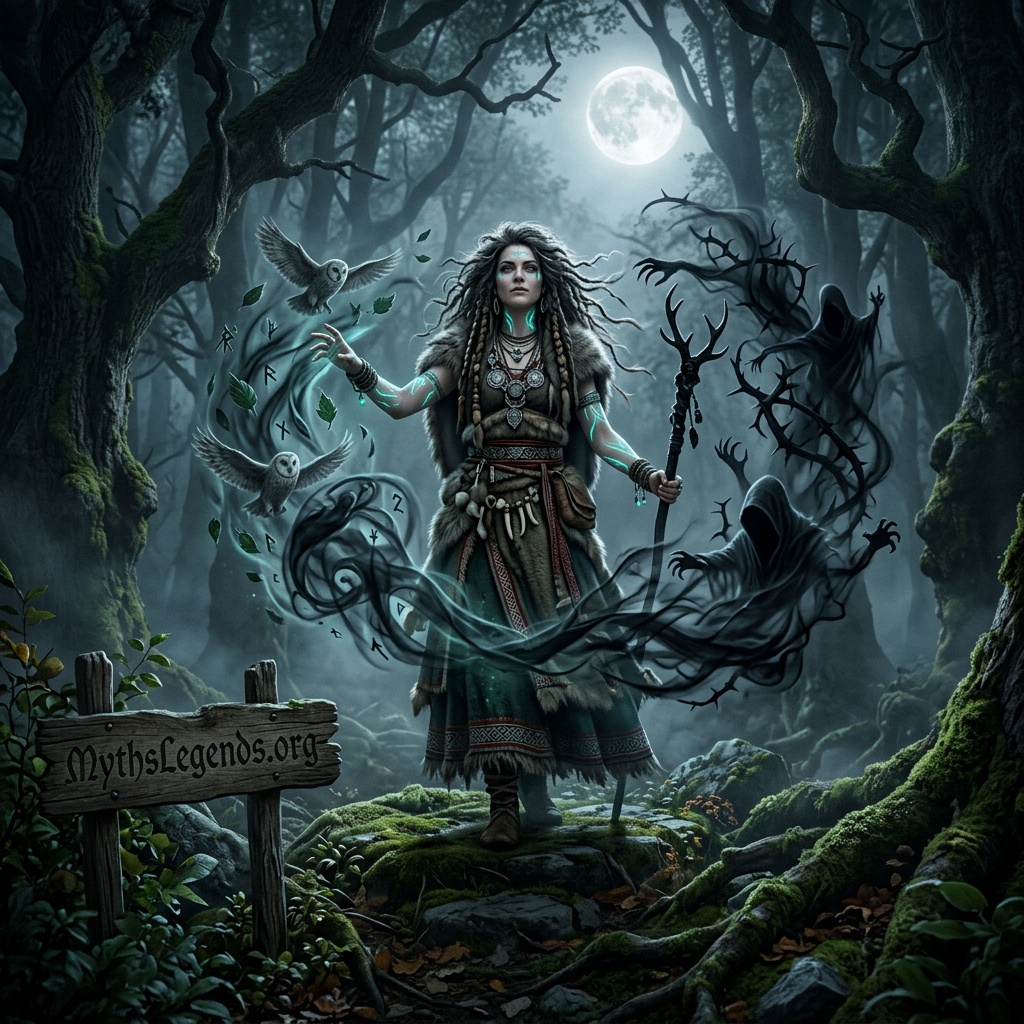
However, the mystery only grows deeper. Some researchers suspect that the tunnels were not only used by medieval soldiers, but also by beings whose existence blurs the line between myth and reality. Local folklore speaks of strigoi: undead spirits similar to vampires that are said to haunt the night and feed on the life force of the living. Could these tunnels have been their secret passageways, hidden from view and light?
The mystery deepens as historical records suggest that Transylvania was a melting pot of various mythologies and superstitions. In the Middle Ages, stories of werewolves and other supernatural beings were rampant in the region. It is conceivable that such lore may have inspired the construction of hidden escape routes or meeting places that served to protect or conceal those who dared to cross the line between humanity and myth.
While the supernatural element certainly captures the imagination, some historians offer more grounded explanations. They suggest that these tunnels were part of an elaborate wartime escape system that allowed the castle’s inhabitants to flee secretly or transport goods. Such practical uses would not diminish the fascination, but rather enrich the castle’s historic past with further facets and present it as a centre of strategic genius and myth.
Tourism in the region thrives on the mystique of Bran Castle, promoting night tours, horror events and immersive experiences that capitalise on its connection to vampires.
In recent years, enterprising locals have capitalised on the legends and built a tourism industry that relies heavily on gothic horror and historical mysteries. Visitors from all over the world travel here in the hope of not only walking through the halls where Dracula is said to have roamed, but also catching a glimpse or a whisper of the tunnel’s secrets.
As we stand on the threshold of the unknown, the tunnels beneath Bran Castle invite us to reflect on the blurred lines between history and legend. Whether these passageways were truly traversed by creatures of the night, served as strategic military routes, or are merely a product of overactive imaginations, they undoubtedly enrich the tapestry of stories surrounding this iconic landmark.
The appeal of the tunnels lies in their ability to embody the essence of Bran Castle: a place where fact and fiction intertwine, where every shadow conceals potential stories and every stone could conceal a path to forgotten worlds. As exploration continues and new technologies allow for deeper investigation, perhaps one day the whole story will emerge from the darkness beneath the ground, revealing truths that are currently tantalisingly out of reach.
Until then, the tunnels of Bran Castle will continue to captivate the imagination, inviting dreamers and adventurers alike to unravel their secrets. Whether on screen, in books or in whispered stories, the mysterious allure of Dracula’s alleged refuge remains – as eternal as the vampires who supposedly lived there.





Post Comment