The Reinbergerin, the witch from Feldkirch
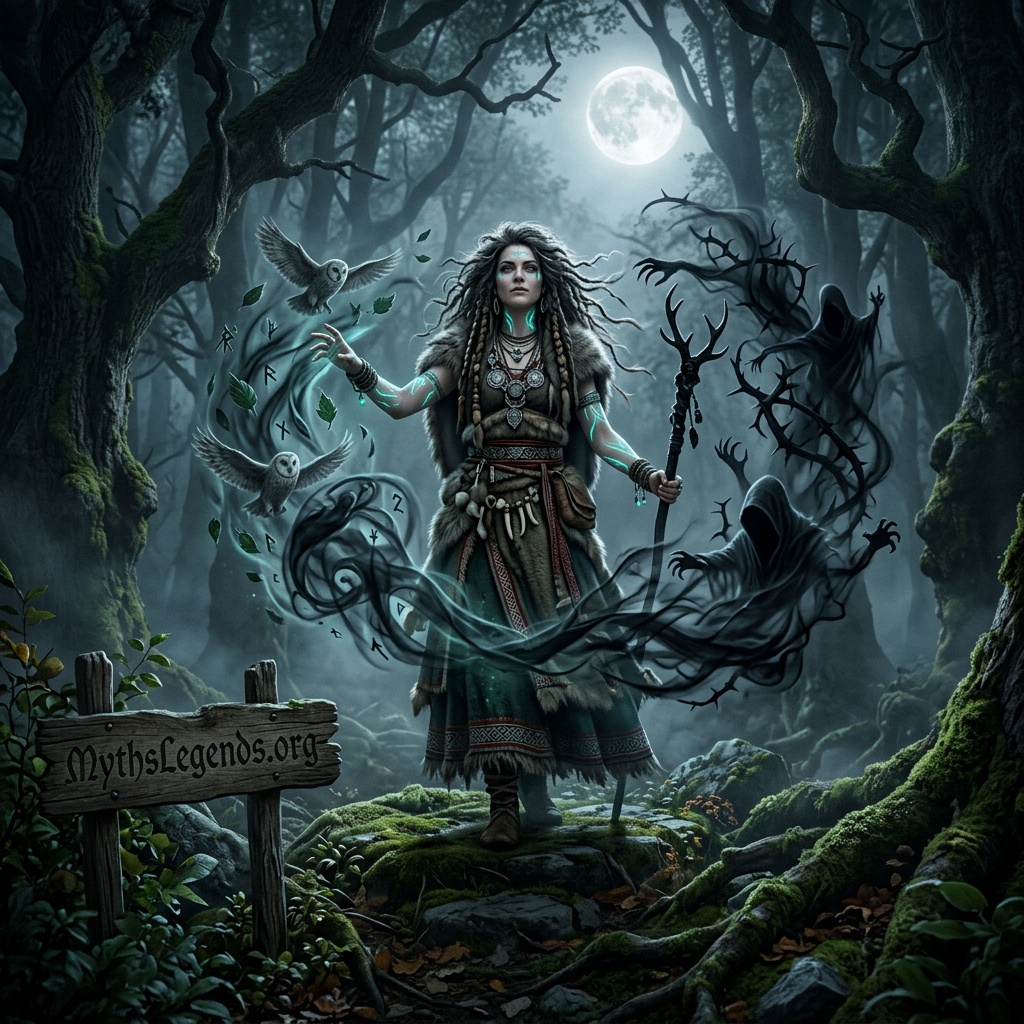
In 1645, in the Austrian town of Feldkirch, where the fog of despair hung over the streets, lived Maria Reinberger, a woman with a painful past. After the death of her husband, she had entered into a relationship with a man from Balzers. This passionate affair was the beginning of Maria’s bitter end. For it marked the beginning of vicious slander against Maria, which ended in an incredibly horrific witch trial.
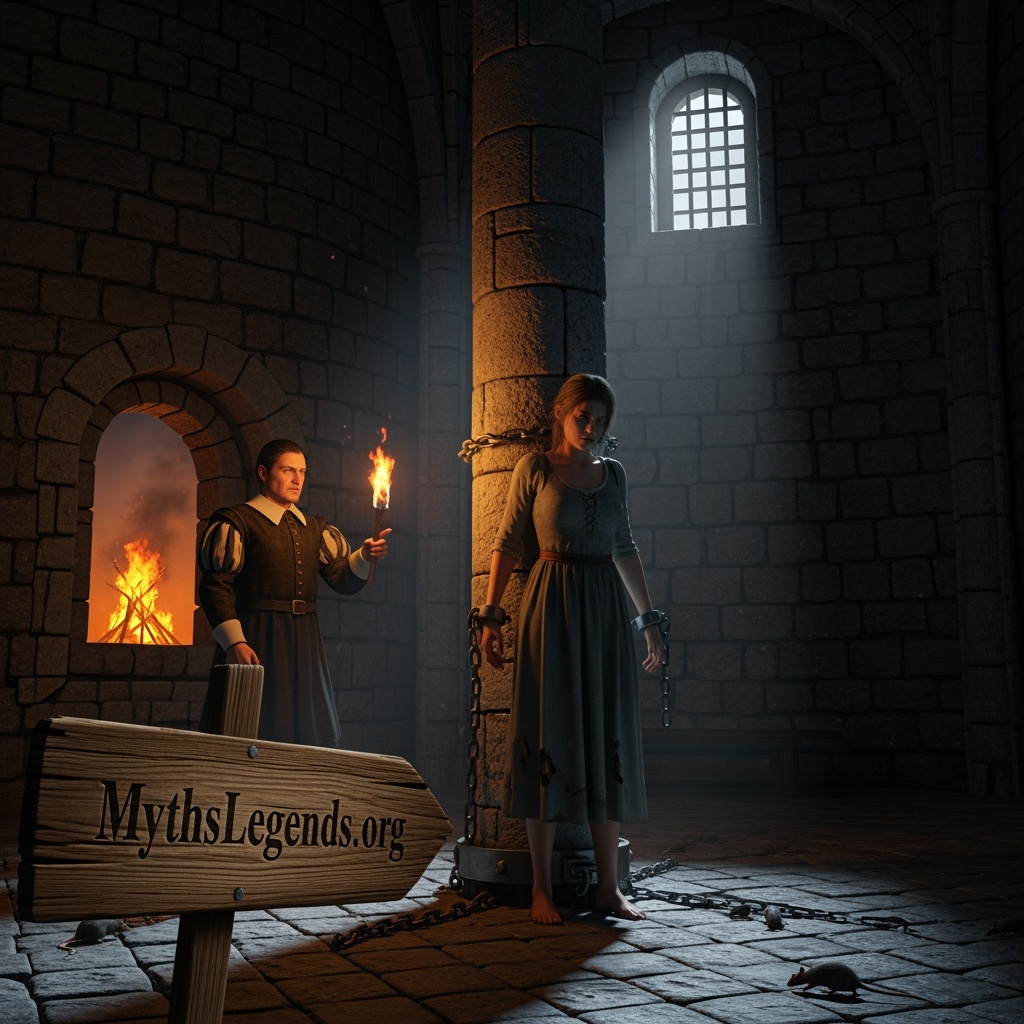
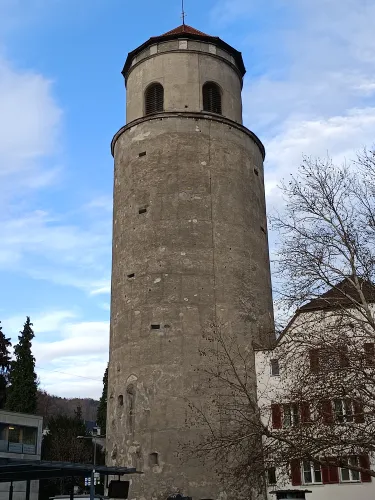
On the foggy morning of June 17, 1645, when the sun remained hidden behind gray clouds, Maria was arrested by a group of armed men on suspicion of witchcraft and thrown into the Diebsturm, the prison of Feldkirch, which was teeming with rats in animal and human form. Maria’s ordeal began in prison. Her nights were filled with screams, and the questions of her tormentors sounded like the cries of the devil himself. From July 4 to 12, 1645, they mercilessly subjected Maria to brutal torture around the clock in order to extract a confession from her. Maria’s mind crumbled under the pressure of physical and psychological abuse, and the boundaries between reality and delusion became blurred.
Maria’s mind spun strange thoughts of witches’ sabbaths she had never attended, yet she invented stories out of fear that her tormentors wanted to hear. Every cry of pain plunged her deeper into despair as she experienced hell on earth. The memories of the man from Balzers seemed to fade, but his features were both a curse and a comfort that helped her endure the cruel torture.
With each passing day, her hopelessness grew, and every answer she gave was used against her. On the third day of her ordeal, the executioner spoke of a large mouse in the tower, which the guards claimed was the devil himself. Her fear turned into a grotesque idea of power. She saw herself in the role of the witch they were talking about, the one who challenged the powerful. But the cries of the other prisoners were like the wind blowing through the forest.
In the final hours before her execution, as the twilight of fate approached, Maria turned to her tormentors. “What is truth?” she asked as the frost of night crept around her. “What is witchcraft if not a desperate attempt to escape the darkness?”
The answers remained unspoken. Only the wind answered as the rats danced around her. “I am not a witch,” she murmured. But no one believed Maria. Cut off from the light, her spirit was trapped between the walls of the tower and the freedom she would never see again.
On the evening of July 12, as the embers of the pyre blazed, the judge confronted her again. “Do you confess your misdeeds, Maria Reinberger?” he demanded. And at that moment, it struck her like a bolt of lightning. It was not the devil, but the people who revealed themselves to be monsters. “I am innocent!” she cried with the last of her strength, but her voice was lost in the noise of the crowd. But Maria’s death sentence had long since been passed, and Maria’s body would soon taste the fire. The injustice branded in the flames of the Inquisition.
But in her final hour, as she faced the fire, she felt something unexpected: a strange freedom. The chains of slander broke as the flames danced around her. Her eyes closed, and for a fleeting moment she thought she saw the man from Balzers at her side, so close that love embraced them. Her darkness craved light, and she knew that the real devil was not in the form of a mouse, but in the hearts of people ruled by greed and fear.
As the smoke rose and darkness fell over Feldkirch, the legends of Maria Reinberger remained. A story of injustice, fear, and the indelible search for truth in a world too often blind to the shadows of its own deeds. And the rats around the Diebsturm seemed to nod, as if sharing a secret that only the darkness would ever know.








Post Comment