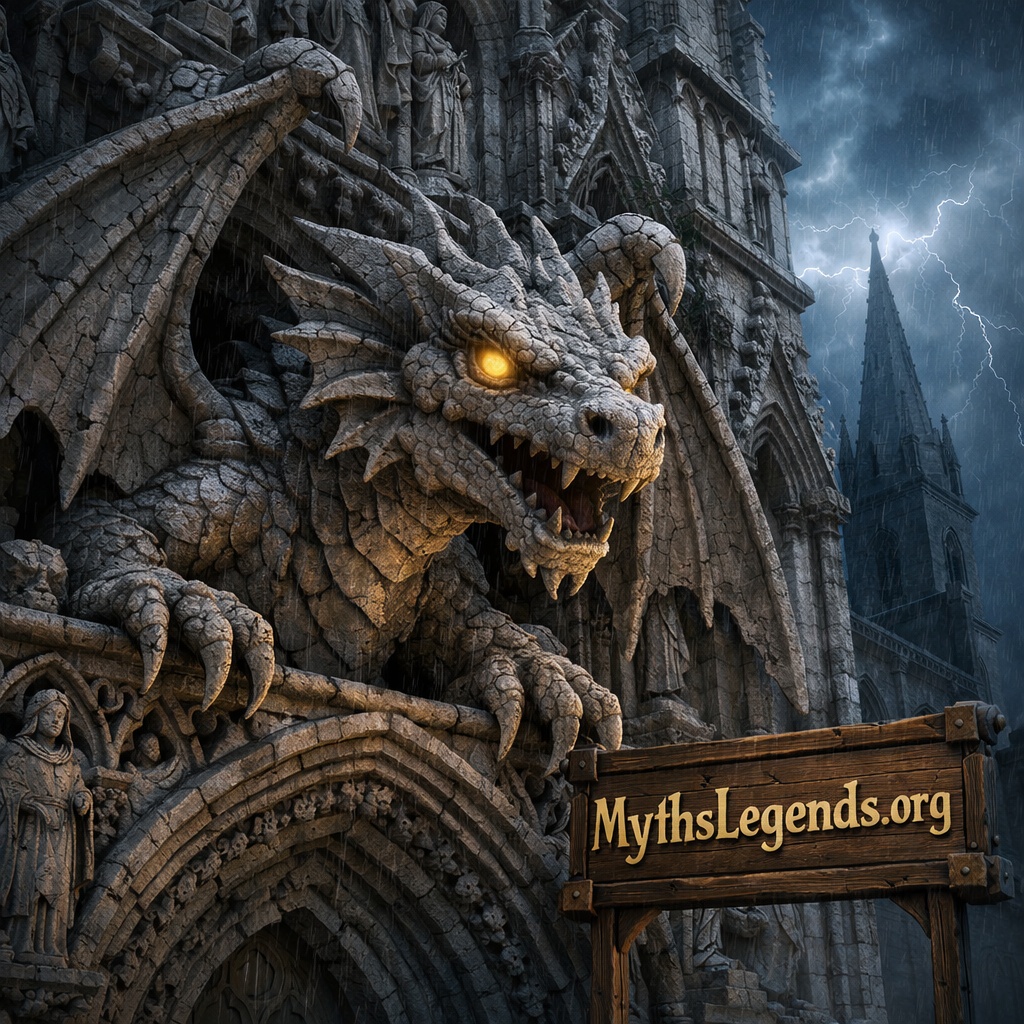
The mythical guardian of Nidaros: The enchanted dragon of Trondheim’s famous cathedral
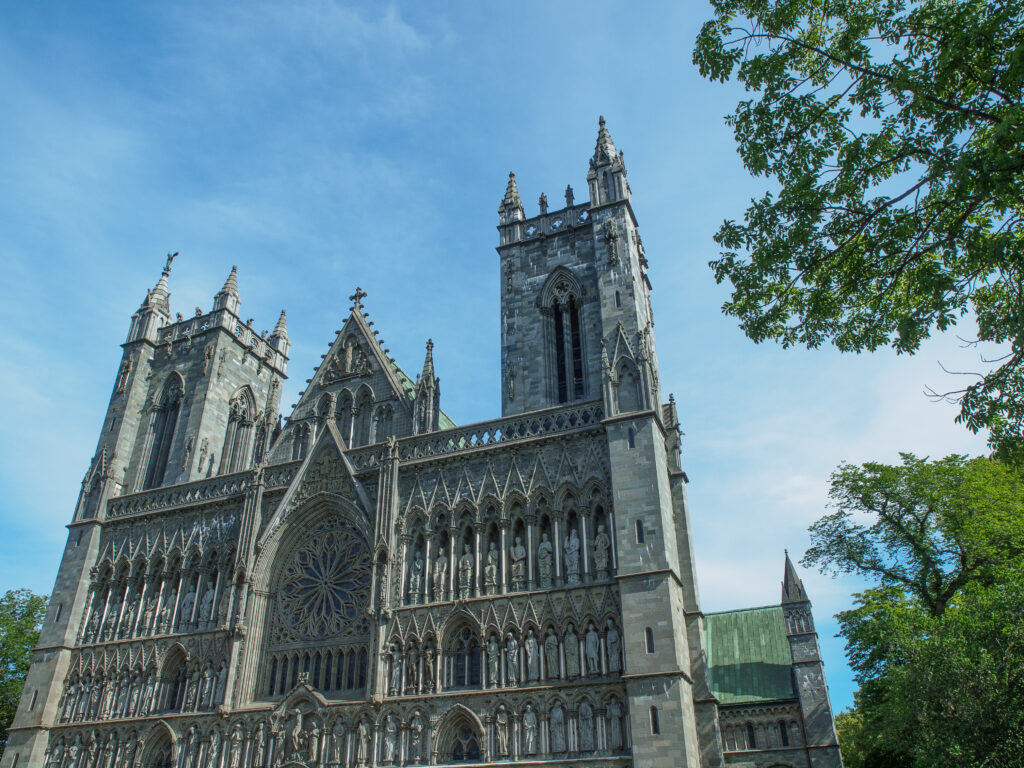
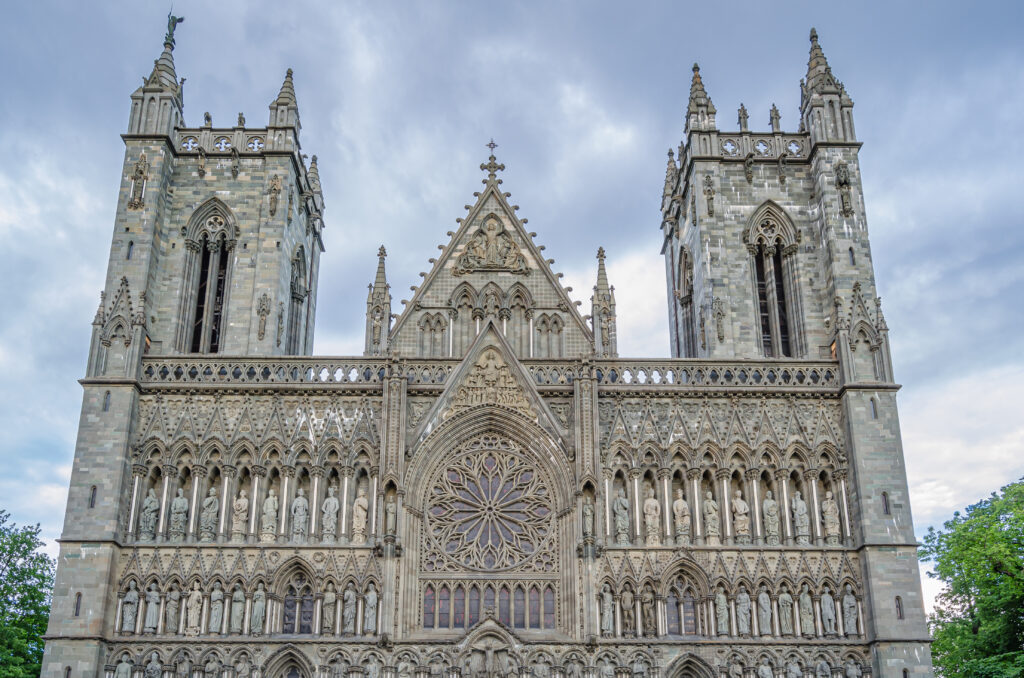
Nidaros Cathedral in the heart of Trondheim, Norway, is a magnificent testament to medieval architecture and artistic craftsmanship. On its imposing facade, masterfully carved dragons inspire both awe and curiosity in historians and fantasy fans alike. One dragon, however, is shrouded in a particularly captivating legend that has endured for generations—the story of the guardian dragon, a mystical creature said to be bound by an ancient spell to protect the sacred ground.
Built over the burial site of Norway’s patron saint, St. Olaf, Nidaros Cathedral attracts thousands of visitors each year, drawn not only by its religious significance but also by the wealth of folk tales that surround it. Among these stories, the tale of the guardian dragon stands out, combining elements of Norse mythology and medieval spells.
According to legend, unlike its stone-carved counterparts, this particular dragon possesses a life force that is enclosed within its sculptural body. Hidden amid the ornate carvings that adorn the west facade of the cathedral, the guardian dragon is said to awaken during violent storms. Witnesses claim that its stone eyes glow with an unnatural light, suggesting an ancient magic designed to prevent harm to the cathedral or the relics of Saint Olaf kept within.
This myth has its roots in both historical events and cultural beliefs that prevailed at the time of the cathedral’s construction in the 12th century. Medieval Europe was a time when there were many stories about mythical creatures that guarded sacred sites and symbolized divine protection over religious and royal domains. Dragons, in particular, often represented powerful guardians in Norse and other European mythologies.
Nidaros Cathedral itself has experienced numerous sieges, restoration projects, and natural disasters over the centuries. Each of these events has fueled the narrative of the guardian dragon, with stories of its protective power evolving each time the structure faced adversity. During the Great Fire of Trondheim in 1531, for example, records suggest that the flames mysteriously came to a halt in front of the cathedral, prompting locals to praise the intervention of the enchanted dragon.
More modern interpretations of the legend suggest that the dragon’s magic was a form of spiritual protection created by early Christian monks who wanted to incorporate local pagan symbols into their sacred buildings to ease the transition from Norse paganism to Christianity. It was believed that these monks possessed esoteric knowledge and incorporated rune magic into their architectural designs to create a harmonious coexistence between new and old beliefs.
Adding to the fascination, researchers at the Norwegian Institute for Cultural Heritage Research recently discovered 14th-century manuscripts referring to the cathedral’s protective dragon. These texts describe rituals performed by clergy in dangerous times to invoke the spirit of the dragon to protect the sacred site. The exact nature of these rituals is still the subject of scholarly debate, but they undoubtedly contribute to the enduring mystique surrounding the dragon.
The protective dragon of Nidaros also plays an important role in local folklore and artistic creation. It inspires the annual festival in Trondheim, where dramatic reenactments bring the legend to life. Participants wear medieval clothing and perform plays depicting the dragon’s fierce defense against invaders and natural disasters, fostering a deep sense of community pride and cultural continuity.
Beyond its mythological appeal, the tale of the protective dragon serves as a fascinating case study for anyone interested in the intersection of folklore, religion, and art. It illustrates how legends can be woven into the fabric of historical sites, enhancing their appeal and offering visitors and scholars a deeper level of meaning.
In recent years, the dragon motif has been adopted by the fantasy genre, further cementing its place in popular culture. Books, films, and video games draw inspiration from the guardian dragon, highlighting its role as a quintessential bridge between reality and fantasy.
Despite modern advances in preservation and safety, the legend lives on, captivating locals and tourists alike. On stormy nights, when the wind howls through the towers of Nidaros Cathedral, you may still hear the whisper of the guardian dragon awakening from its slumber and spreading its stone wings to defend the sacred sanctuary it has guarded for centuries.
Thus, the legend of the guardian dragon of Nidaros lives on, a captivating blend of history, myth, and magic that enriches the heritage of Trondheim’s famous cathedral. Whether perceived as an enchanting story or a symbol of ancient protective powers, the dragon remains a symbol of the enduring spirit of Nidaros and embodies the timeless fascination of Norway’s rich cultural heritage.










Post Comment