The Mystique of Thun Castle: Unveiling Legends and Myths
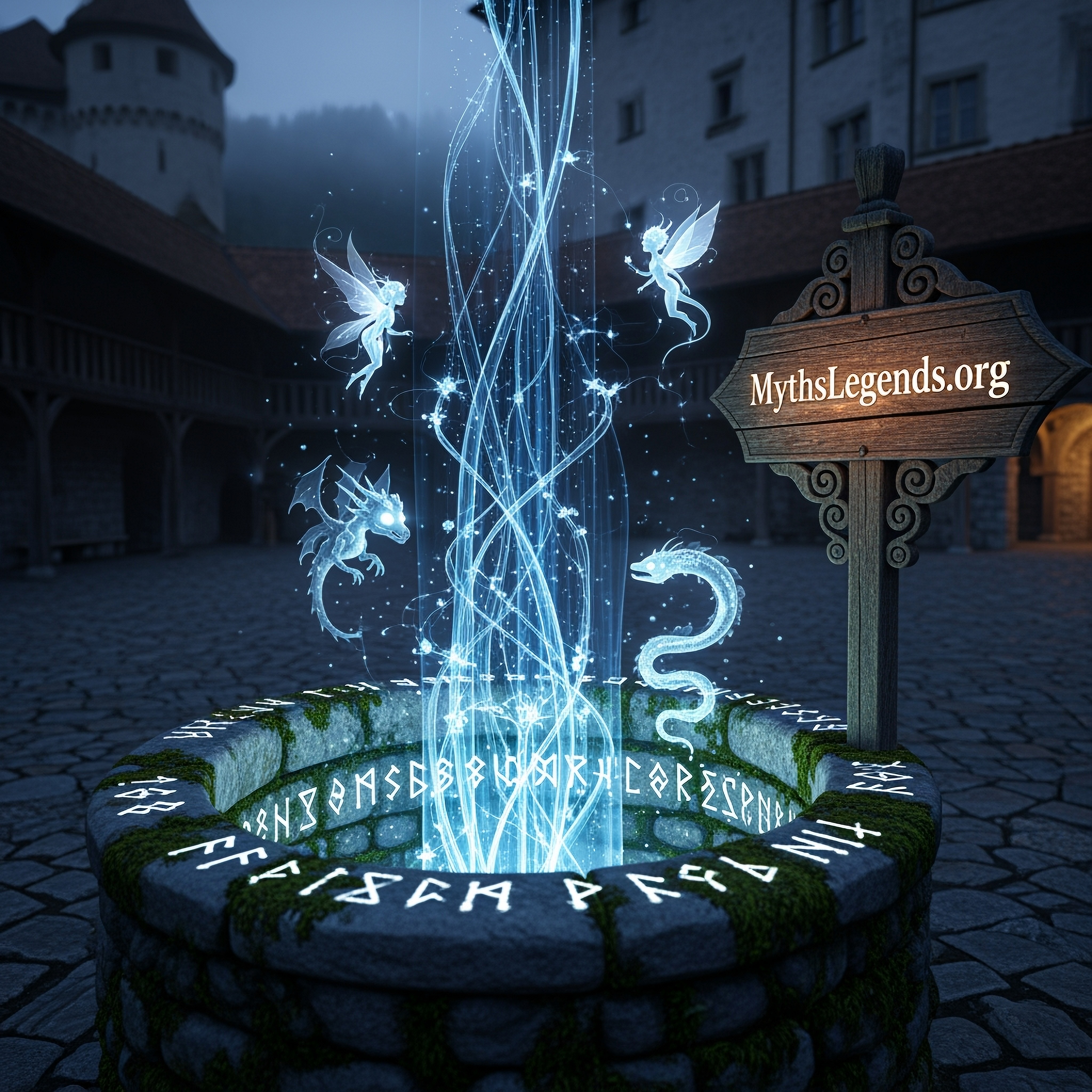
Perched majestically above the idyllic city of Thun in the canton of Bern, Switzerland, Thun Castle stands as a testament to historical prowess and architectural grandeur. Yet, beyond its imposing walls and enduring stone towers lies a treasure trove of myths and legends that captivate both locals and visitors alike. Among these tales is the enigmatic story of the castle’s deep well, which plunges an astonishing 31.6 meters into the earth. It is said that this well harbors secrets from bygone eras, with some villagers believing it to be a gateway to an underground realm inhabited by mystical creatures.
Thun Castle’s roots stretch back to the late 12th century when the Dukes of Zähringen began its construction. Over centuries, the castle has witnessed numerous historical events and transformations, becoming not only a historical monument but also a focal point for rich folklore. The well in the courtyard, which has sparked much intrigue, serves as a centerpiece for many of these mesmerizing stories.
One prevailing legend suggests that the well was used by alchemists in medieval times who sought to discover the philosopher’s stone—a mythical substance capable of turning base metals into gold and granting eternal life. According to the myth, the well’s extraordinary depth enabled these secretive experiments to be shielded from prying eyes. Some locals whisper that remnants of their arcane activities still linger, influencing the aura of the castle to this day.
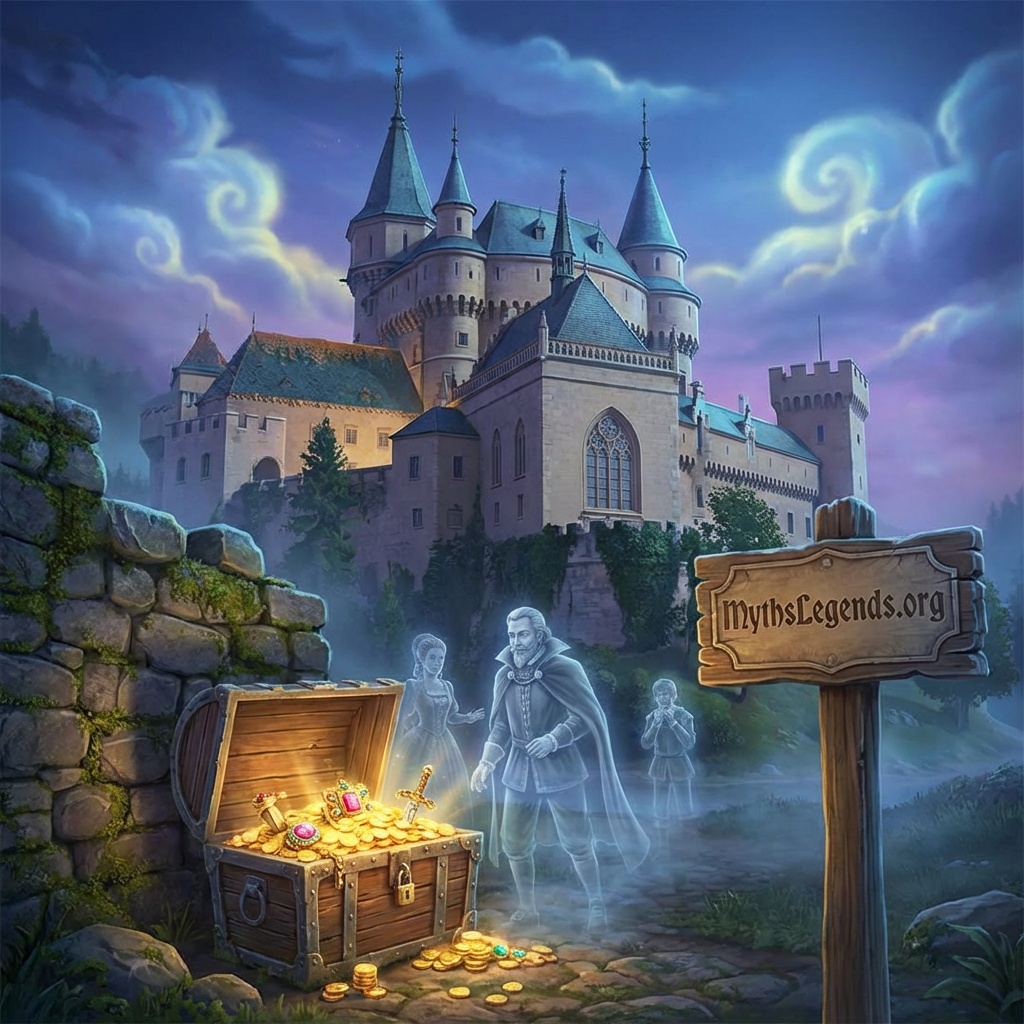
Another tale woven into the fabric of Thun Castle’s history speaks of a spectral knight who emerges from the depths of the well at night. This ghostly figure is said to be Sir Wilhelm von Thun, a brave warrior who was betrayed and murdered within the castle walls. Unable to find peace, his spirit roams the premises, guarding the secrets hidden in the well. On moonlit nights, some claim to have seen his ethereal form gliding through the courtyard, a silent protector of ancient mysteries.
Adding further layers to the castle’s mystique are stories shared by folklore enthusiasts and historians regarding subterranean passages that lie beneath Thun Castle. These labyrinthine tunnels, rumored to stretch far beneath the town, were supposedly used during times of siege and unrest. While no concrete evidence has been found to verify these claims, the enduring allure of secret escape routes continues to spark the imaginations of those who delve into the castle’s history.
In conjunction with local myths, Thun Castle’s history is intertwined with documented events that bolster its legendary status. Notably, during the Swabian War in 1499, the castle played a crucial role as a strategic stronghold. Its fortifications provided refuge and defense for the inhabitants of Thun against advancing troops. The castle’s resilience during this turbulent period has contributed to its aura of invincibility—an attribute that enhances the mythical tales surrounding its well and hidden chambers.
Modern explorations of Thun Castle have also yielded fascinating discoveries that tie into the legendary lore. Archaeologists conducting excavations within the castle grounds have unearthed artifacts dating back to the Middle Ages. These findings include ancient coins, pottery fragments, and tools, offering tangible links to the castle’s storied past. Each artifact adds a new thread to the narrative tapestry of Thun Castle, enriching the lore that has been passed down through generations.
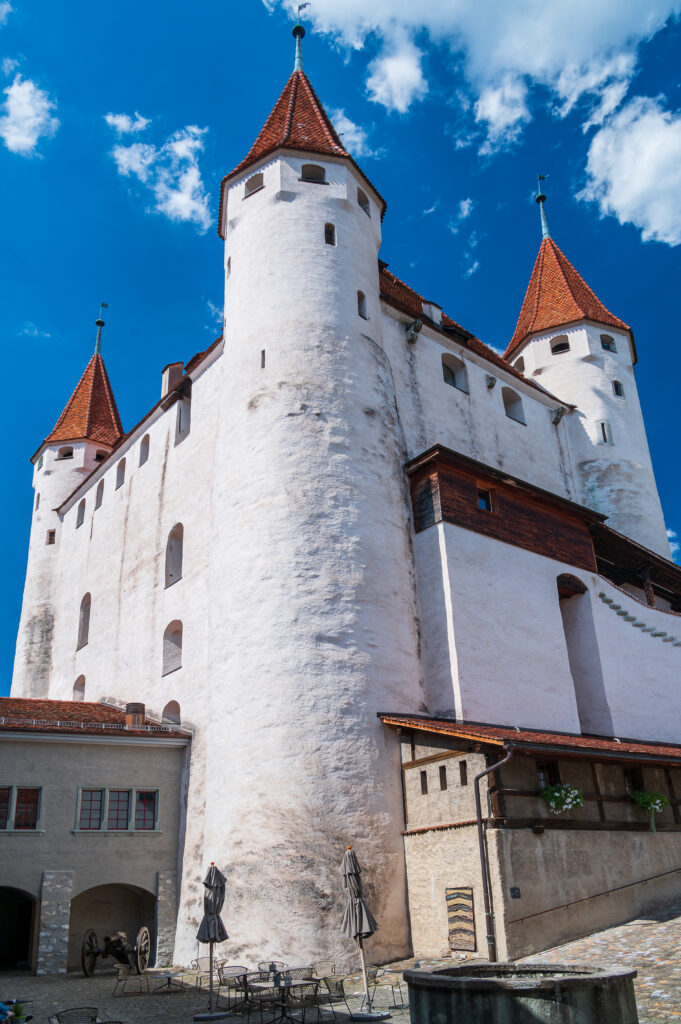
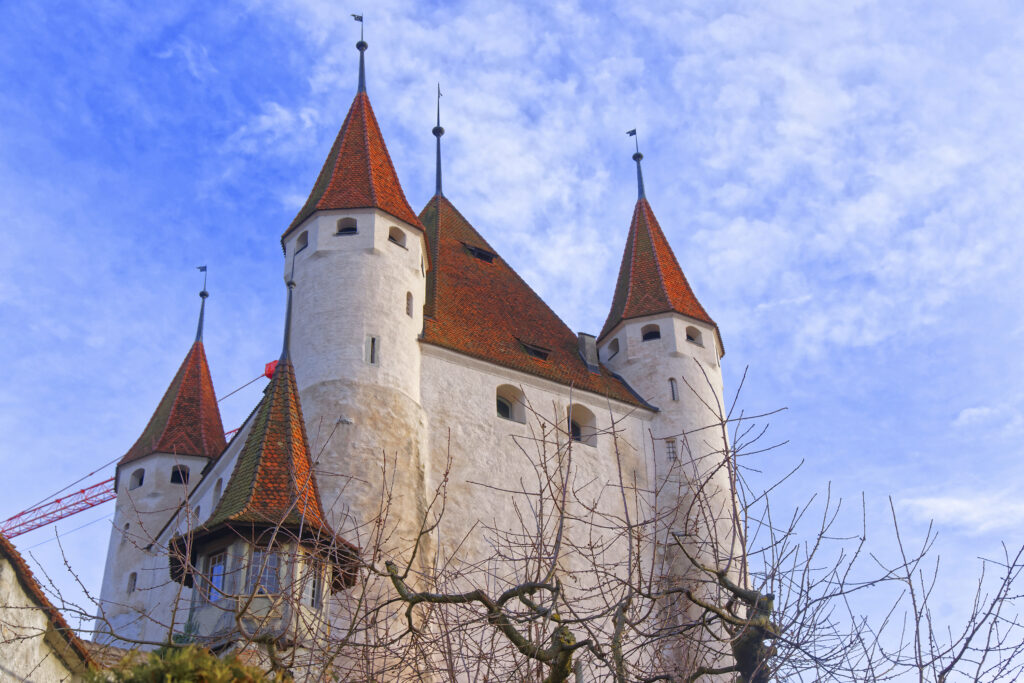
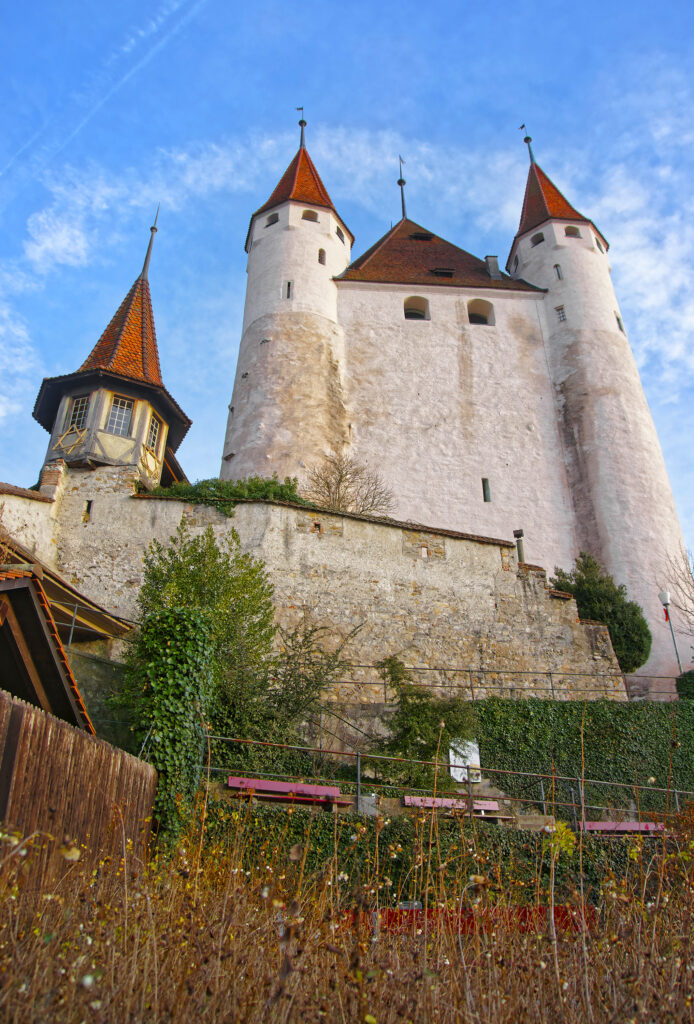
Apart from the mysteries enshrined within its walls, Thun Castle draws attention for its architectural splendor. The castle features a blend of Romanesque, Gothic, and Baroque styles, showcasing the evolution of design over the centuries. Its towers provide panoramic views of the surrounding region, including the shimmering Lake Thun and the majestic Alps. Visitors exploring the castle are often struck by the seamless integration of historical elements with natural beauty, enhancing the sense of wonder that permeates the site.
Among the many sources that delve into Thun Castle’s myths is the work of Swiss folklorist S. W. Rüttimann, whose comprehensive studies of regional legends provide insightful perspectives on the castle’s storied background. His writings emphasize the cultural significance of the well and its association with various supernatural phenomena. Rüttimann’s research, coupled with anecdotal evidence from the town’s residents, underscores the enduring fascination with the enigmas embedded within the castle grounds.
Additionally, contemporary accounts from paranormal investigators like Ursula Heizmann add credence to the supernatural claims surrounding Thun Castle. Heizmann’s team has conducted several night-time investigations at the site, employing electronic equipment to detect anomalies. Their findings, while not definitive proof of otherworldly activity, suggest unusual electromagnetic readings and temperature fluctuations near the well—factors that fuel ongoing speculation about metaphysical presences.
As narratives about Thun Castle continue to evolve, guided tours and educational programs have become popular ways to engage with its rich history and folklore. Visitors eager to immerse themselves in the castle’s legends can partake in guided walks that weave historical facts with captivating stories of knights, alchemists, and hidden realms. These tours offer a dynamic experience that bridges the gap between verified history and imaginative mythology, making Thun Castle a compelling destination for inquisitive minds.
In conclusion, Thun Castle stands not only as a monument of architectural achievement and historical significance but also as a beacon of myth and mystery. The legends surrounding its deep well, spectral guardians, and subterranean passages contribute to an enchanting narrative that continues to draw the curious and the daring. As future explorations and studies unfold, the mystique of Thun Castle will undoubtedly persist, inviting generations to unravel its ancient secrets and embrace the allure of its timeless legends.








Post Comment