The mysterious magic of Samuel’s Fortress: Secrets revealed
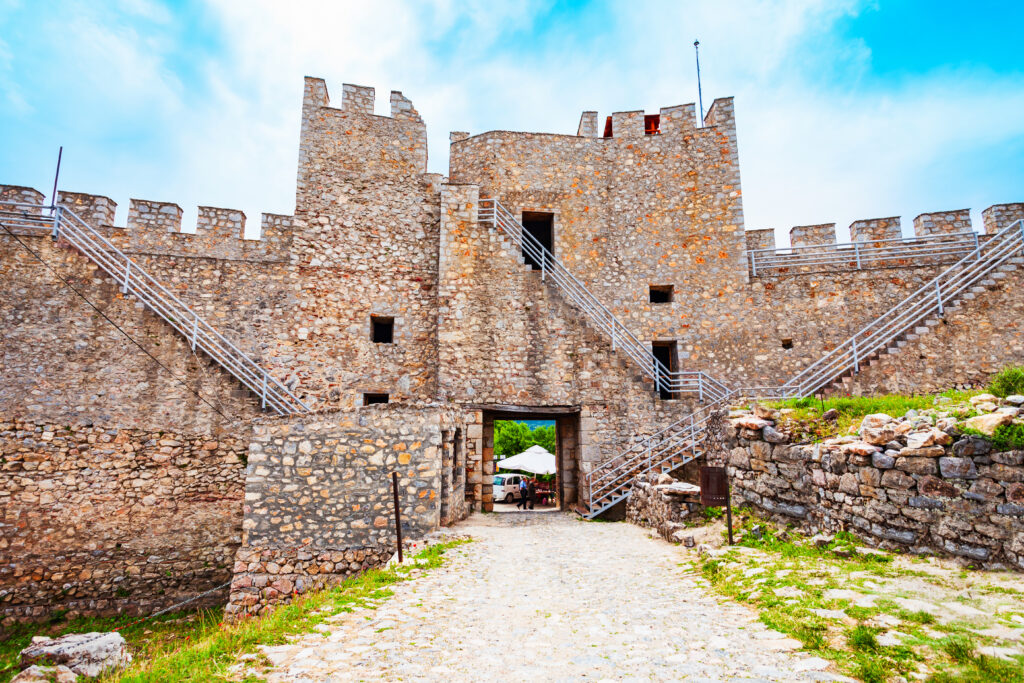
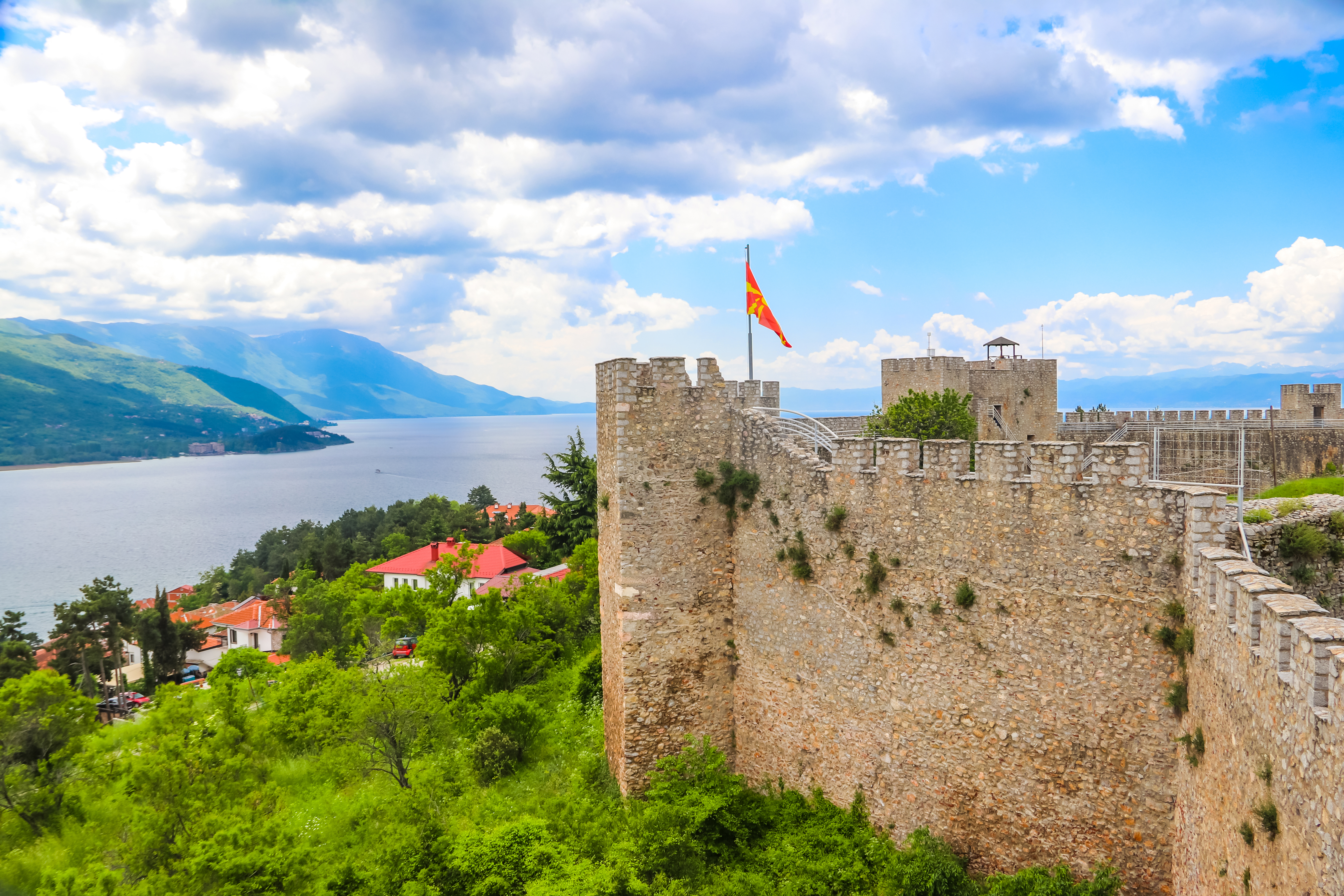
High on a hill overlooking the picturesque town of Ohrid in North Macedonia stands the majestic Samuel’s Fortress. Built in the 10th century by Tsar Samuel of Bulgaria, this historic marvel is not only a relic of the past, but also a mystical landmark shrouded in myths and legends. Whispered tales of enchanted springs and moonlit pilgrimages continue to capture the imagination and attract the curious among its ancient stones.
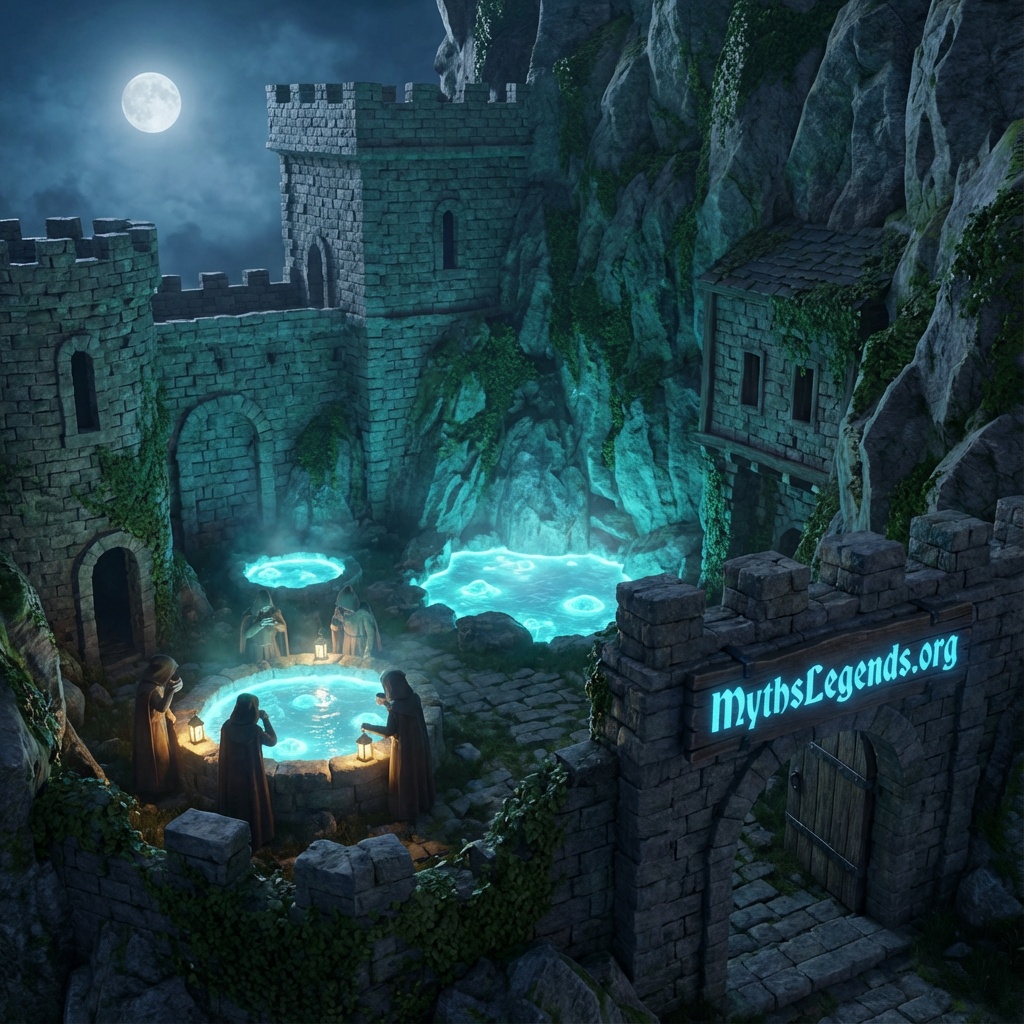
Legends tell of enchanted springs hidden inside the fortress. These springs, said to have supernatural powers, have been the subject of local folklore for centuries. It is said that drinking from these springs can give the lucky ones extraordinary qualities—some wisdom, others courage.
In the silence of the night, when the moon casts its silvery light over the fortress, pilgrims from the surrounding villages would sneak to these springs. Under cover of darkness, they sought the sacred water, hoping to benefit from its mystical properties. This mysterious practice was driven by a desire for blessings for both daring ventures and harmless endeavors.
But what truths lie behind these captivating stories? Are the springs truly magical, or are they simply the product of an overactive imagination fueled by generations of storytelling? To find the answers, we must delve deeper into history and examine accounts from various sources.
Since ancient times, water has held a significant place in many cultures’ ideas of magic and healing. The Romans, for example, revered natural springs as sacred sites where they believed gods resided. Similarly, Celtic myths often associate springs and wells with supernatural guardians. Could it be that the enchanted springs of Samuel’s Fortress are part of this broader tradition of water worship?
Historical records suggest that the fortress has long been associated with powerful spiritual energy. Researchers have found that Tsar Samuel himself may have had a special reverence for these springs and incorporated them into the fortress’s layout for both practical and symbolic reasons. The pure, unadulterated water would have been vital for supplying the fortress’s inhabitants during sieges, and its supposed mystical properties would have boosted morale.
In the Middle Ages, the area around Ohrid was a bustling center of learning and culture and home to the renowned Ohrid Literary School. It is conceivable that the legends about the enchanted springs were passed down by scholars and monks who sought to link the region’s rich intellectual heritage with a sense of mystical fascination.
Even today, visitors to Samuel’s Fortress can experience a touch of this ancient magic. Guided tours often include stories about the enchanted springs, adding a touch of magic to the historical narrative. Although there is no concrete evidence for the supernatural properties of the springs, their appeal remains strong.
Further investigations by scientists and historians have so far revealed no unusual properties of the water itself. However, the psychological effect of belief should not be underestimated. Studies on placebo effects suggest that pilgrims’ belief in the power of the springs may actually lead to perceived benefits such as increased self-confidence or clearer thinking. In this way, the legend perpetuates itself and transcends the need for empirical confirmation.
Interestingly, contemporary archaeological excavations have unearthed artifacts that suggest ritual activities associated with the springs. Ceremonial objects such as carved stone amulets and ancient coins point to the importance of the springs in local spiritual practices. These findings suggest that the springs were more than just sources of drinking water—they were focal points of communal traditions and personal aspirations.
To deepen our understanding of Samuel’s Fortress and its legendary springs, we consider the synergy between history, mythology, and culture. The fortress is a testament to human resilience and creativity, embodying both the strategic genius of its builders and the imaginative spirit of its storytellers. Regardless of whether the springs actually possess magical properties, they serve as a reminder of the deep connection between humans and their environment. The stories surrounding these waters weave together hope, ambition, and the eternal quest for something greater than ourselves.
In summary, the mysterious magic of Samuel’s Fortress lies in its ability to inspire awe and wonder. The legends of the enchanted springs, whether true or invented, enrich the historical story of the fortress and invite us to explore the boundaries between reality and myth. As we stand among the ancient stones and gaze upon the moonlit landscape, we become part of a timeless story—a story in which every whisper of the wind and every drop of water carries the promise of hidden wisdom and unknown valor.










Post Comment