
The miraculous power of Bénézet: The bridge that touched the sky
In 1177, something happened in Avignon in southern France that would shape the ideas of faith and miracles for generations to come. This is the story of Bénézet, a simple shepherd boy whose divine inspiration laid the foundation for one of the most famous legends of our time.
Bénézet was nothing more than a simple boy with little influence or education. But his destiny was revealed to him in the form of a vision that must have been as impressive as it was frightening. According to legend, an angel appeared to him and commanded him to build a bridge over the treacherous waters of the Rhône. An almost impossible task, one might think, as this was a river whose rapids and currents had already claimed the lives of many experienced sailors.
The task entrusted to Bénézet was met with disbelief and ridicule. The inhabitants of Avignon and the surrounding villages shook their heads at this absurd idea. A shepherd who wanted to build a bridge? It sounded like the fantasy of a madman. But Bénézet was not deterred. Driven by a force stronger than human reason, he set to work.
The decisive turning point in this story came when Bénézet, under the eyes of many spectators, seemed to accomplish the impossible: he lifted a huge block of stone with his bare hands and laid it as the foundation stone for the planned bridge. The crowd fell silent, their skepticism giving way to awe. Was this really a miracle, proof of Bénézet’s divine connection? Many were convinced it was. This miracle won him followers who now supported his vision with eyes full of faith and hope.
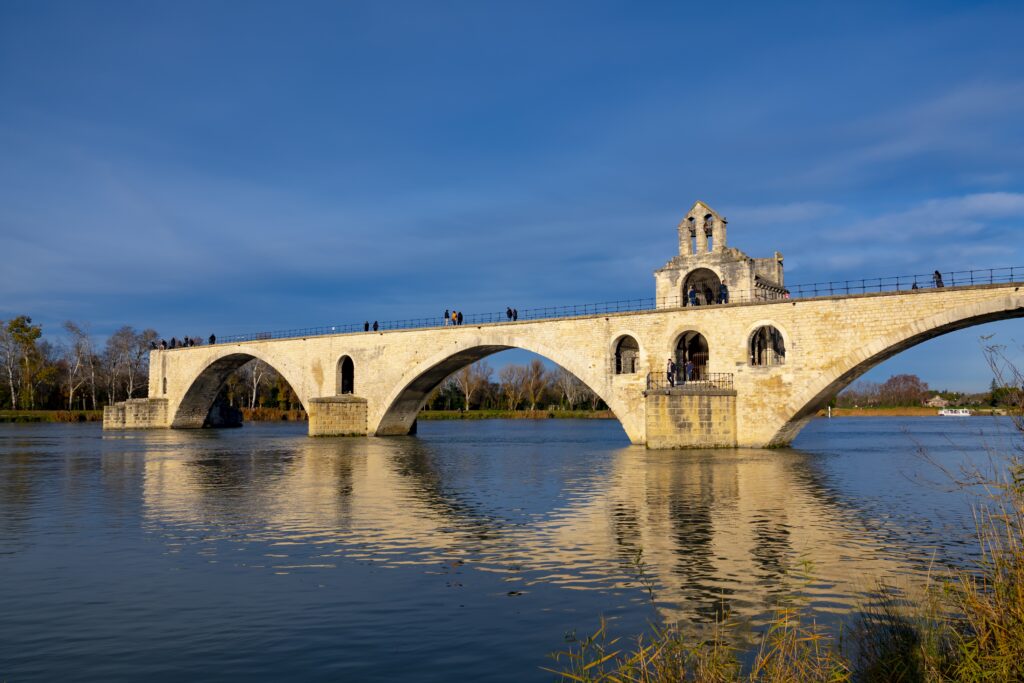
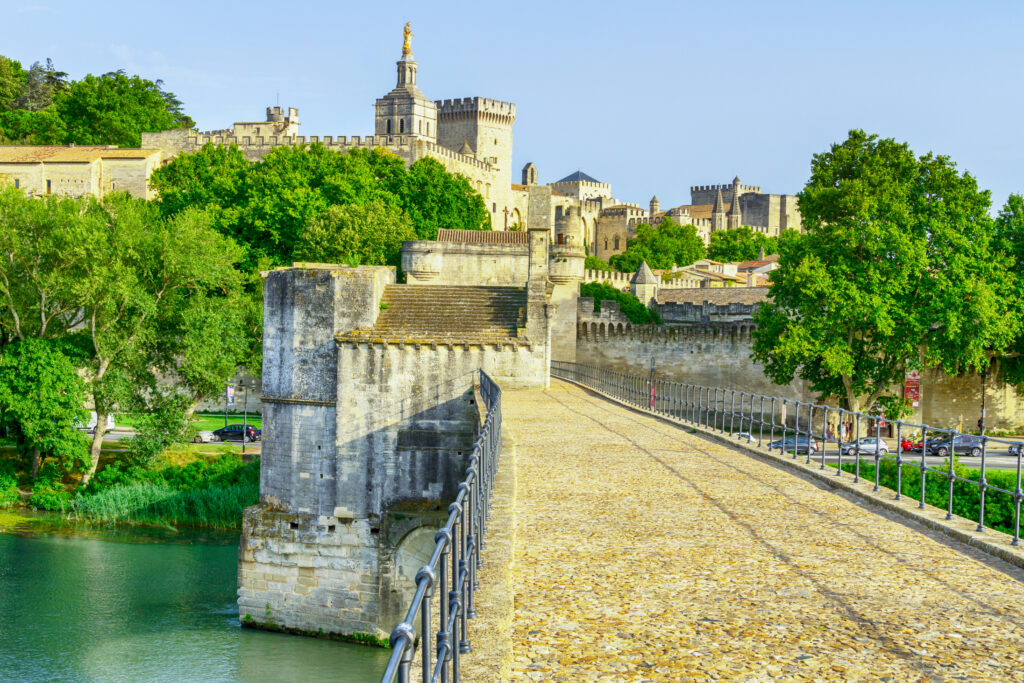
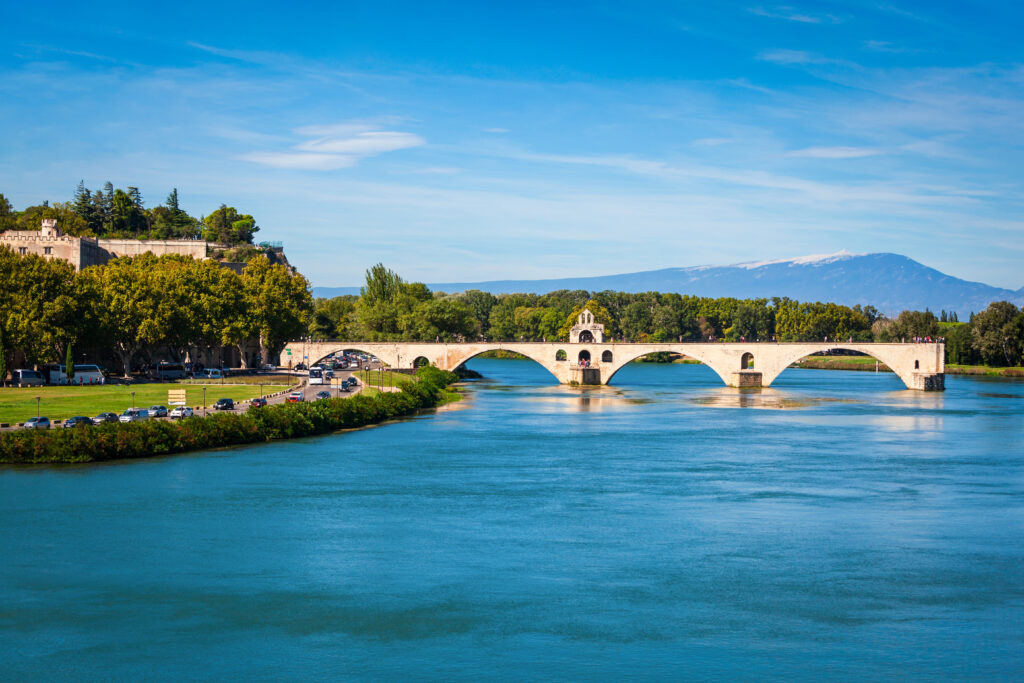
The bridge over the Rhône—known as Pont Saint-Bénézet—was finally completed and served for centuries as an important crossing and trade route between Avignon and the opposite bank. But more than an architectural masterpiece, this bridge has become a symbol of faith and determination.
A look at historical documents and reports from this period provides further insight into this fascinating era. Scholars of the time described Avignon as a center of cultural and political developments, which makes the undertaking seem even more incredible and impressive. The bridge not only connected physical banks, but also people of different origins and ideas. It established Avignon as a center of transit and exchange during a turbulent period in European history.
But Bénézet’s story did not end with the construction of the bridge. His life and work inspired numerous legends and religious teachings that live on to this day. After his death, the young shepherd was canonized, and his grave became a place of pilgrimage that is still visited today by believers who want to be inspired by his example.
The bridge itself fell victim to the forces of nature over the centuries. Several floods and the accumulation of sediment led to parts of the bridge being destroyed time and again. Today, some of the original arches still stand as silent witnesses to a glorious past and an unshakeable faith.
Bénézet’s legacy lives on in the city of Avignon, which is not only shaped by its rich history and culture, but also by this myth. The annual festival in honor of Saint Bénézet commemorates his extraordinary achievement and attracts travelers and believers from all over the world to take part in the celebrations.
What makes the legend of Bénézet so enduring and captivating? It is the universal message of courage, faith, and the seemingly impossible that can be achieved through determination and conviction. In a world often characterized by rationality and skepticism, this story reminds us that it is often faith—whether religious or spiritual—that can move mountains.
The bridge of Avignon may no longer have the same significance for trade and transport in Europe as it once did, but as a symbol of faith and human will, it is unforgettable. It shows us that sometimes the boldest dreams and deepest convictions create the most powerful monuments – whether these are physically manifested or live on in people’s hearts.










Post Comment