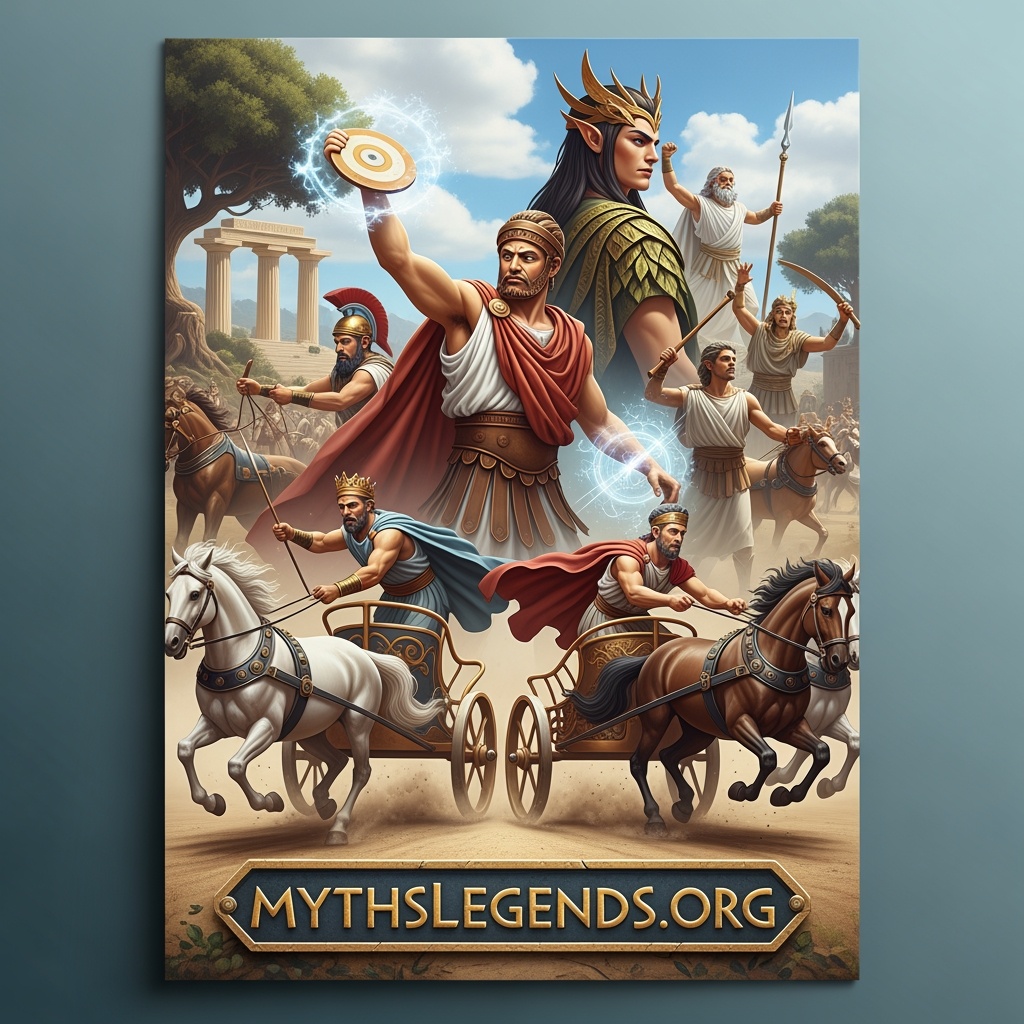
The legend of the Olympic Games
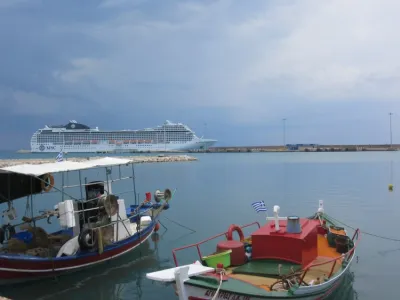
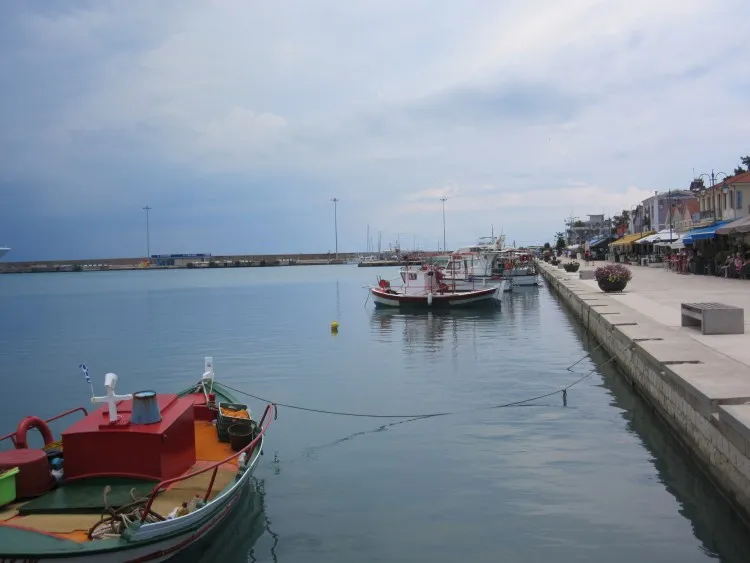
Katakolon is a small coastal town on the Ionian Sea with around 600 inhabitants, located on a headland on the Peloponnese peninsula. The small Greek village has numerous cafés, taverns, souvenir shops, fashion and jewelry stores, which stretch across two streets with a new marina. In addition to a small beach, the compact Katakolon has a sizeable harbor that can accommodate up to three cruise ships at a time. The small town also has a train station that takes you to Olympia in 45 minutes. Katakolon is considered the gateway to ancient Olympia, which can be reached quickly and easily by train, bus, taxi, or rental car. There are several myths about the origins of the Olympic Games, in which athletes competed against each other in the sacred grove of Olympia around 2,500 years ago. One says that the Olympic Games were organized by the demigod Heracles in honor of his father Zeus. Another legend says that the Elean king Oxylos created the games to celebrate the memory of the competitions that Zeus himself organized as a victory celebration over his father Kronos. A third myth tells of a fateful chariot race between Oinomaos, the king of Elis, and Pelops, the son of the king of Lydia. Oinomaos had a daughter of unearthly beauty named Hippodameia, who was the pride of any father. But the Oracle of Delphi had prophesied that the man his daughter married would be his murderer. To escape this fate, he decreed that only the man who defeated him in a chariot race could marry his daughter. Oinomaos was not only king of Elis, but also the son of the god of war, Ares, from whom he had received a team of horses that were faster than the north wind, making him invincible. But Pelops asked the sea god Poseidon for help, who gave him horses with wings. With these, he defeated Oinomaos, who fell to his death when his team of horses collapsed from exhaustion. Pelops married Hippodameia and became ruler of the entire Greek peninsula of Peloponnese, which was named after him. Pelops is said to have founded the Olympic Games in honor of his dead father-in-law. Such is the legend of the fatal chariot race. Which part of the legend is true will remain a mystery forever. But the Olympic Games, which once delighted the gods, continue to delight people all over the world to this day, and that is a fact.


Post Comment