The Enigmatic Lore of Wernigerode: Myths and Legends Unveiled
Wernigerode: A City of Mystical Tales and Enchanting Legends – Nestled in the heart of the Harz Mountains, the town of Wernigerode stands as a testament to the rich tapestry of myths and legends that have been woven into its history. From eerie apparitions to supernatural guardians, the folklore surrounding Wernigerode is as captivating as it is diverse. These tales not only breathe life into the town’s heritage but also serve as an integral part of its cultural identity. Let us embark on a journey through Wernigerode’s most compelling legends, unlocking the mysteries that have shaped this enchanting place.
The Founding Myth of Werni and Gerode – One of the foundational myths of Wernigerode revolves around two sisters, Werni and Gerode, who are said to have played a crucial role in the establishment of the town. According to the legend, these sisters lived in the Westerntorturm (Western Gate Tower) and were renowned for their wisdom and benevolence. They guided the early settlers with their knowledge, ensuring the prosperity of the nascent community. Their names eventually became synonymous with the town itself, immortalizing their contributions in the annals of Wernigerode’s history. This tale is reminiscent of similar founding myths across Europe, such as the story of Romulus and Remus in Rome. Such legends often serve to personify the spirit and character of a place, imbuing it with a sense of origin and purpose. Comparative analysis of various founding myths provides a deeper understanding of how communities construct their narratives and identities.
The Headless Horse: An Ominous Apparition – Among the myriad legends that haunt Wernigerode, the story of the headless horse is particularly chilling. Residents of the town recount sightings of a decapitated horse appearing mysteriously in front of the Rathaus (Town Hall). This ghostly figure is believed to be an omen of impending doom or disaster. Historical records suggest that the apparition has appeared at pivotal moments, premonitory of significant events affecting the town’s fate. The motif of the headless horse can be traced to medieval European folklore, where such spectral creatures often portend death or calamity. Similar legends can be found in other regions, like the Headless Horseman in Washington Irving’s “The Legend of Sleepy Hollow.” Examining these cross-cultural myths illuminates the universal human fears and the symbolic use of ghostly figures to convey warnings.
The Whale at the Castle: Protector from Floods – Another fascinating legend is the story of the whale at Schloss Wernigerode (Wernigerode Castle). It is said that a gigantic whale once breached the nearby river, saving the town from a devastating flood. To honor this act of guardianhood, a whale sculpture was erected at the castle. This tale reflects the town’s reverence for the natural world and the belief in supernatural intervention during times of crisis. Flood myths are prevalent worldwide, often symbolizing divine retribution or cleansing. For instance, the biblical story of Noah’s Ark and the Mesopotamian Epic of Gilgamesh feature cataclysmic floods. The whale as a protective entity adds a unique dimension to Wernigerode’s folklore, highlighting the interplay between nature and the divine.
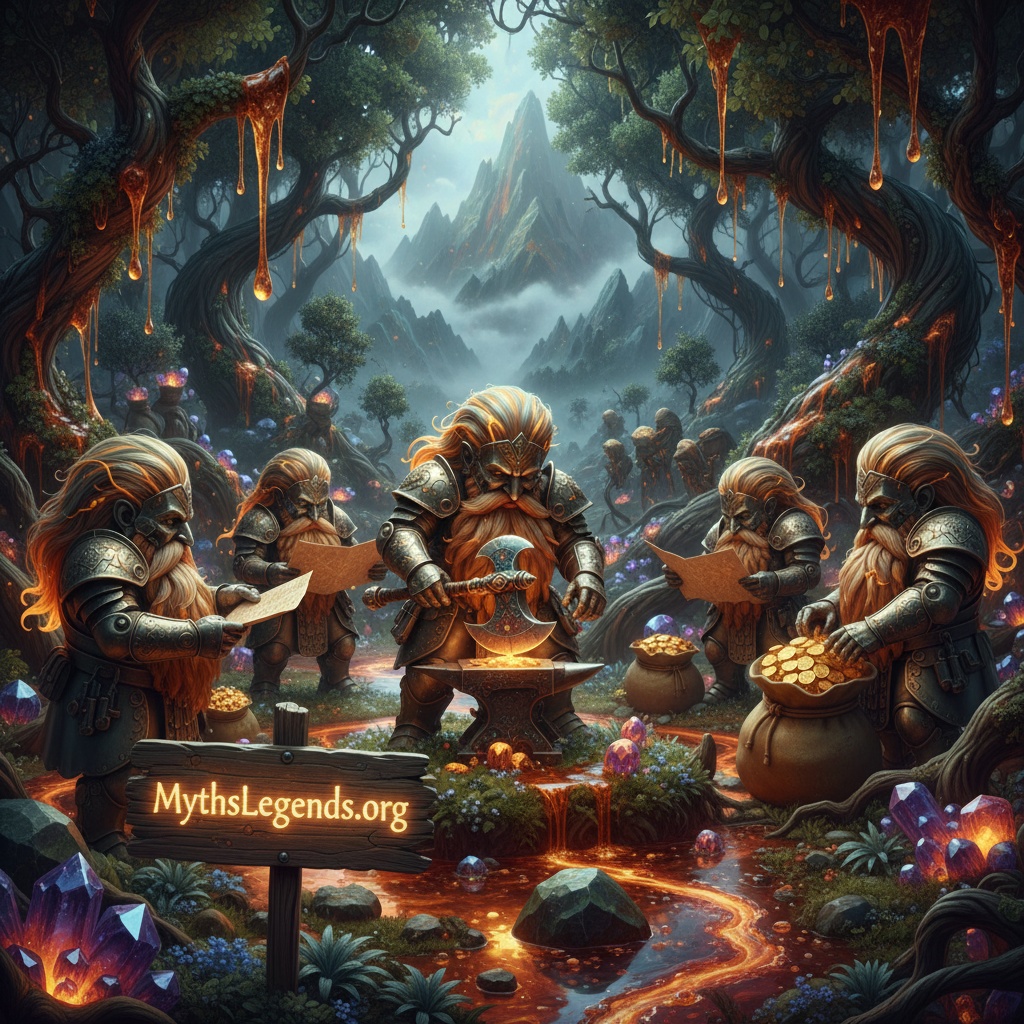
Nickel: The Dwarves of the Harz Mountains – The Harz Mountains, enveloping Wernigerode, are rich with tales of dwarves, known locally as Nickel. These mythical beings are said to inhabit the region’s forests, ponds, and mountains, performing acts of both mischief and magic. Stories of Nickel often describe them as skilled craftsmen and guardians of hidden treasures, interacting sporadically with humans who venture into their domain. Dwarf legends are ubiquitous in Germanic folklore, akin to the Norse mythological beings known as dwarfs who fashioned Thor’s hammer. The mystical attributes of Nickel reflect humanity’s fascination with diminutive, powerful entities adept in arcane arts. These tales provide insight into cultural perceptions of supernatural craftsmanship and guardianship.
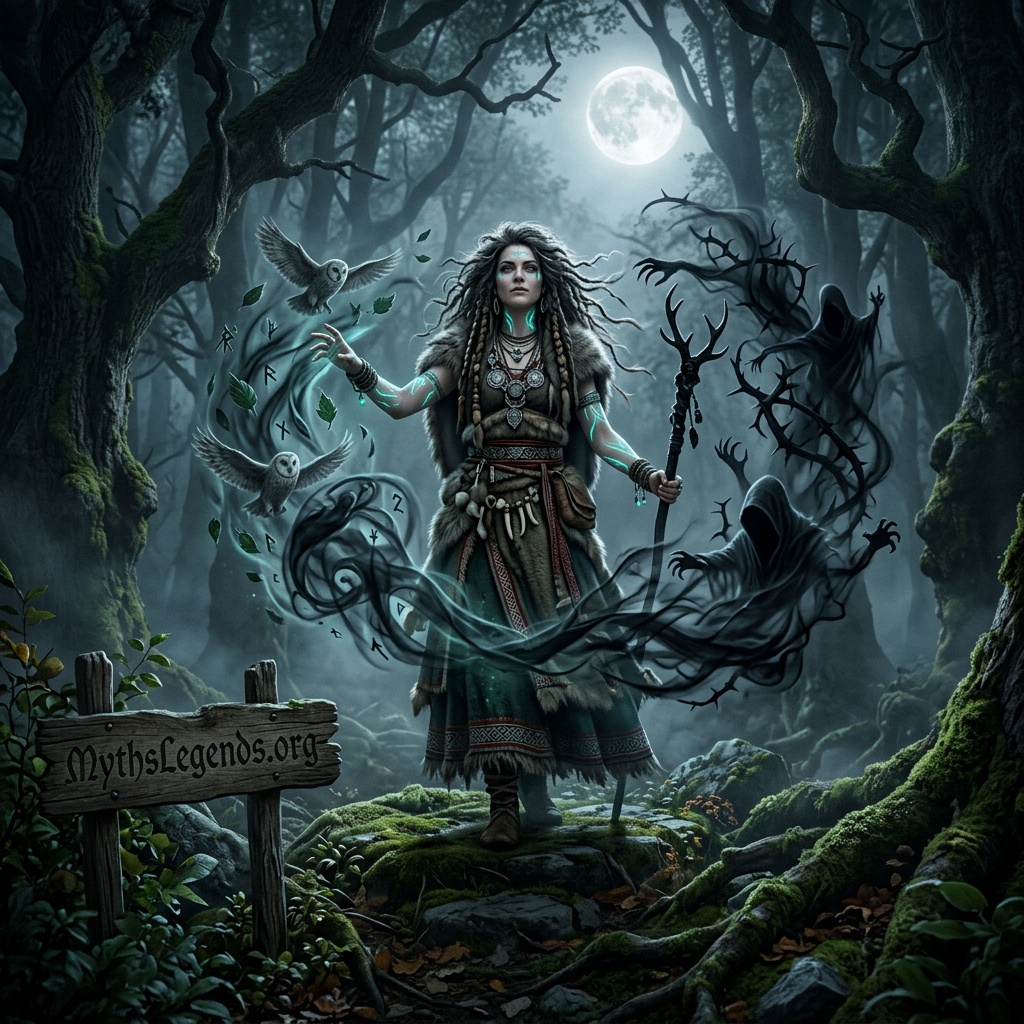
Hexenprozesse: Witch Trials and Brocken – The Harz Mountains, notably the Brocken summit, are steeped in the lore of witches and their nocturnal assemblies. Historically, this region was central to witch trials, where accused sorceresses were subjected to brutal inquisitions. The tales of these trials form a dark chapter in Wernigerode’s history, echoing broader European narratives of superstition and persecution. Brocken, hailed as the witches’ meeting place during Walpurgis Night, epitomizes the mystical aura of the Harz. The convergence of these historical and mythical elements serves as a poignant reminder of the town’s tumultuous past and the enduring power of legend.
Modern Resonance: Celebrating Folklore – Today, Wernigerode embraces its mythical heritage, recognizing the significance of these stories in shaping its cultural identity. Festivals and reenactments breathe new life into these legends, allowing residents and visitors alike to engage with the town’s past in vibrant, immersive ways. This celebration of folklore not only preserves historical narratives but also fosters communal pride and continuity. Understanding how modern communities interact with their myths can offer valuable perspectives on cultural preservation and identity formation. By examining similar practices globally, one can appreciate the universal human endeavor to maintain and honor ancestral stories.
Wernigerode’s wealth of myths and legends offers a fascinating glimpse into the town’s historical and cultural fabric. From the founding myth of Werni and Gerode to the spectral headless horse, the protective whale, the mischievous Nickel, and the ominous witch trials at Brocken, these tales collectively construct a rich narrative mosaic. Embracing these stories allows Wernigerode to celebrate its unique heritage, ensuring that its legends endure as an integral part of its identity.
As we uncover these enigmatic tales, we gain a deeper appreciation of not just Wernigerode but the broader human experience reflected in folklore—the timeless dance of history, myth, and cultural memory.

Post Comment