The Enigmatic Legends of the Watzmann: Myths Interwoven with Natural Splendor
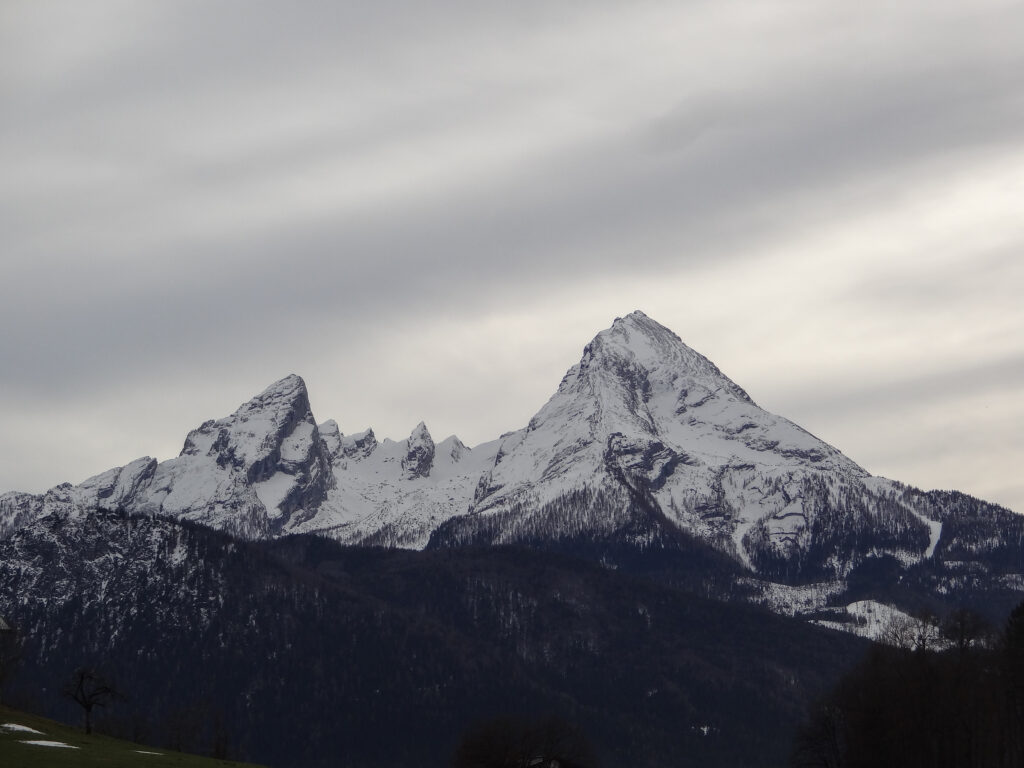
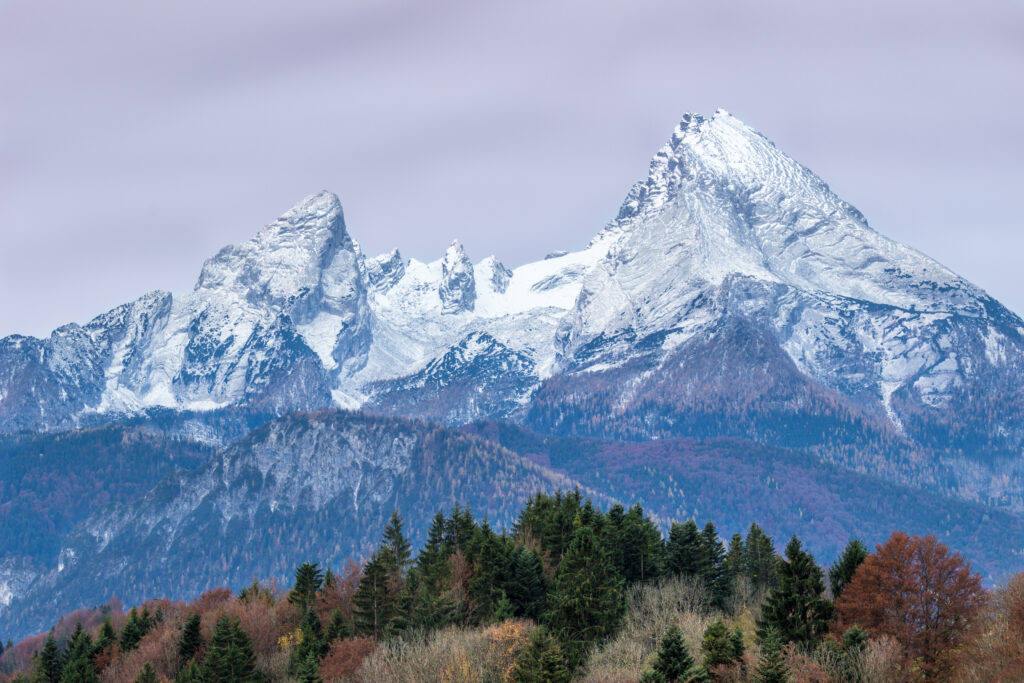
Nestled in the heart of Bavaria, the imposing silhouette of the Watzmann Mountain captivates all who lay eyes upon it. Standing proudly at 2713 meters, the Mittelspitze is the highest peak nestled entirely within Germany, serving as a natural monument to the region of Berchtesgaden. Together with its supporting peaks, the Kleine Watzmann, whimsically referred to as Watzmannfrau (Watzmann’s wife), and their children—the smaller summits known collectively as Watzmannkinder—this mountain range forms a compelling tableau that has fascinated onlookers for generations.
Legends Carved in Stone – The resonance of the Watzmann does not merely stem from its towering presence but also from the rich tapestry of myths and legends that shroud it. Chief among these is the tale of the tyrannical King Waze or Wazemann, whose reign of terror over Berchtesgaden became the stuff of legend. According to folklore, the king, alongside his equally ruthless wife and their seven children, wreaked havoc across the land, striking fear into the hearts of their subjects. Their cruelty knew no bounds, leaving a wake of sorrow and desolation wherever they went. Unable to bear the torment any longer, the oppressed people resorted to a powerful curse. This curse was said to transform the entire royal family into stone, condemning them to an eternal existence as part of the mountainscape. Hence, the imposing contours of the Watzmann, Watzmannfrau, and Watzmannkinder are said to be the petrified figures of this nefarious dynasty, a poignant reminder of their malevolence and ultimate downfall.
Nature and Myth: A Symbiotic Relationship – The legends surrounding the Watzmann are deeply interwoven with the natural beauty and geological significance of the mountain itself. The rugged terrain, severe weather conditions, and formidable height create an aura of mystique and danger that complements the dark tales of its mythical origins. Historians and geologists alike have marveled at the unique formations and the intricate interplay of myth and nature, suggesting that the stories may have been born from the human need to explain the awe-inspiring and sometimes terrifying forces at play in the natural world. Incorporating broader historical sources, we see that mountains often serve as the backdrop for human dramatizations of natural phenomena. Much like the Watzmann, other peaks around the world are subject to similar mythological treatments. The Greek Mount Olympus, home to the pantheon of gods, and Japan’s Mount Fuji, revered as a sacred site, illustrate how mountains universally captivate human imagination and become enshrouded in myth.
The Haunting Allure of Watzmann – The allure of the Watzmann extends beyond its myths, drawing climbers, hikers, and nature enthusiasts from around the globe. The Berchtesgaden National Park, within which the mountain resides, offers breathtaking vistas and diverse flora and fauna, making it a paradise for outdoor adventurers. Yet, even these modern-day explorers cannot escape the haunting presence of the mountain’s folklore. Climbers recount eerie experiences that resonate with the ancient curse said to hang over the peaks. Sudden shifts in weather, disorienting mists, and unexplained echoes contribute to an almost supernatural ambiance. Whether a climber believes in the legends or not, the sense of a watchful presence lingers—a psychological remnant of the tale of King Waze. Expanding our scope to include cultural anthropology, it becomes clear that such phenomena are not isolated to Watzmann alone. Similar stories can be found in the folklore of various cultures. The doomed King Arthur, said to rest beneath a mountain awaiting a time of great need, and the frozen soldiers of China’s Mount Everest-bound expeditions are exemplary of how high altitudes and human vulnerability often give rise to powerful narratives.
Integrating Modern Perspectives – Today, researchers and storytellers alike continue to dissect the layers of legend cloaking the Watzmann. New public sources, including academic papers, historical documents, and travel literature, provide a deeper understanding of how these stories originated and evolved. Analysis often reveals that these myths serve not only as cautionary tales but also as a means for communities to connect with their environment on a spiritual and moral level. Additionally, recent studies in cognitive psychology suggest that the human mind is predisposed towards narrative creation—finding patterns and constructing stories—even where none exist. Such tendencies help people make sense of their surroundings and their place within it, lending credence to the idea that the Watzmann legends are an essential part of the local collective consciousness.
A Timeless Legacy – The legends of the Watzmann endure, not merely as stories told by guides or printed in brochures, but as living pieces of cultural heritage. They capture the imagination, engender a respect for the natural world, and offer profound reflections on human nature and morality. Each visitor to the Watzmann engages with this rich past, consciously or unconsciously becoming a part of its continuing saga. Enhancing these narratives with insights from various disciplines allows us to appreciate the multifaceted ways in which the Watzmann influences both the tangible and intangible realms of human experience. From the chilling tale of a cursed king to the awe-inspiring hikes of today, the mountain stands as a testament to the enduring power of myth and the profound impact of nature on the human spirit.
In reimagining the Watzmann and its legends, we see more than just a mountain; we witness the seamless integration of history, myth, and natural wonder. It beckons those with a yearning for adventure and those with an insatiable curiosity about the mysteries that lie within the heart of Bavarian folklore. To explore the Watzmann is to traverse through time, engaging with myths that make the stone and earth come alive, offering a captivating glimpse into the timeless dance between humankind and nature.











Post Comment