
The Enchanted Guardians of the Danube: A Timeless Legend
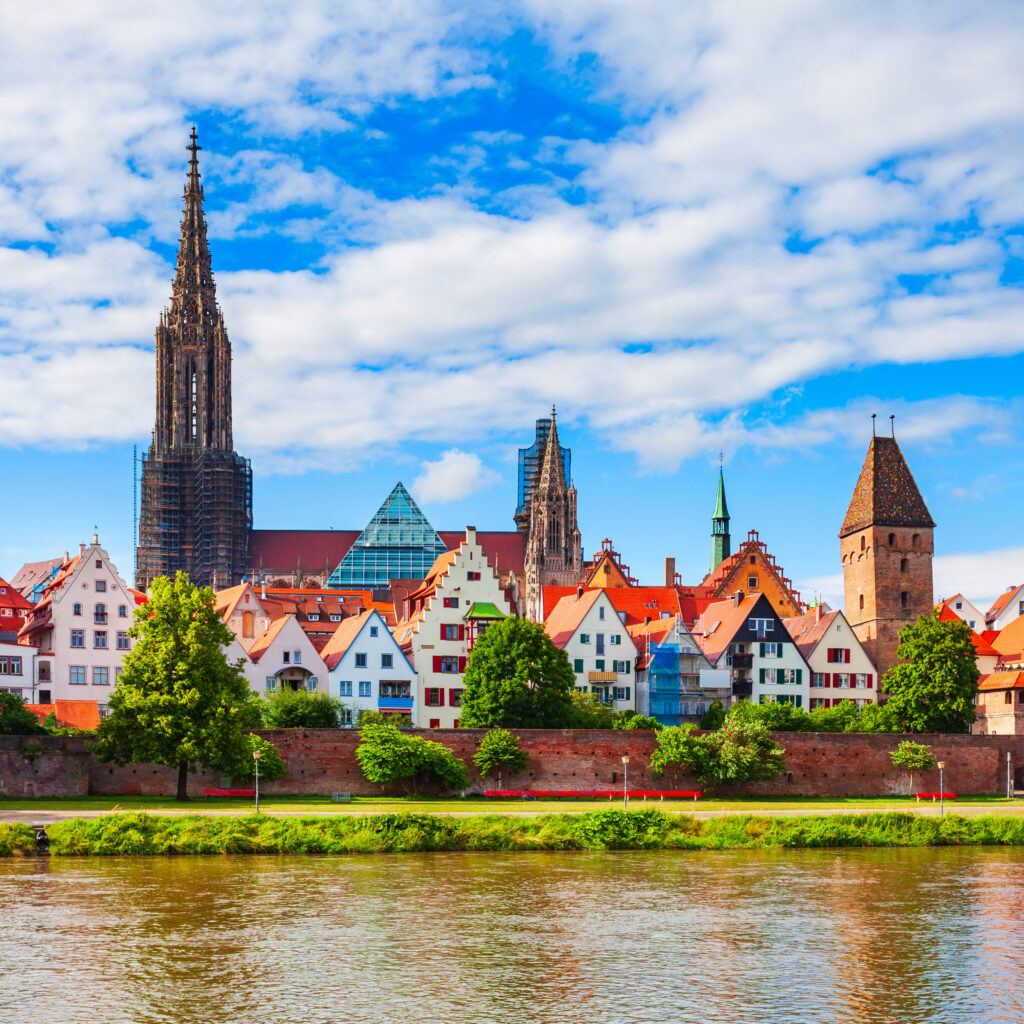
The Danube River, flowing serenely through Ulm, has long been the backdrop for an array of enchanting myths and captivating tales. Among these stories, one particularly stands out—the legend of the river nymphs. These ethereal beings were believed to be the protectors of the river and the city, bestowing Ulm with abundant fish stocks and keeping the waters pure and fresh. This harmonious relationship between the townspeople and the nymphs was built on mutual respect and gratitude, leading to a prosperous and idyllic existence.
According to the legend, the nymphs would reveal themselves to the fishermen, guiding them to the prime fishing spots and ensuring their nets were always brimming with fish. The prosperity of Ulm was intimately tied to the benevolent presence of these mystical guardians. However, this serene coexistence faced a dire threat one ominous night.
A nefarious ruler from a neighboring region, blinded by greed, sought to capture the nymphs, convinced that their magical powers could be exploited for his gain. As his soldiers encroached upon the riverbanks, a fierce storm erupted—a tempest so fierce it seemed as if the very heavens had come to the nymphs’ defense. The prince’s men were swept away by the raging waters, and the nymphs vanished into the depths of the river, never to be seen again. Their disappearance marked a significant turning point; the river’s abundance diminished, yet the legacy of their guardianship remained etched in the hearts of Ulm’s citizens.
In delving deeper into this legend, one can find parallels in various cultures and historical periods. The motif of water spirits as protectors of rivers and lakes is a common thread in folklore worldwide. For instance, the Germanic mythology speaks of entities known as “Nixies” or “Nokken,” water spirits associated with music and enchantment, which bear striking similarities to the nymphs of Ulm. These beings were also credited with guarding the waters and maintaining ecological balance, a testament to the universal human reverence for natural water bodies.
Moreover, the concept of nature spirits is not confined to European legends alone. In Japanese folklore, for example, there are the “Kawa-no-Kami,” river deities that safeguard water sources and ensure bountiful harvests. They are worshipped in Shinto rituals to this day, reflecting an enduring belief in the sanctity of water and its essential role in human survival.
Returning to our primary tale, it is worth considering the historical context of Ulm itself. Situated at the confluence of several important trade routes, Ulm flourished in the medieval period, with the Danube serving as a crucial artery for commerce and sustenance. The river’s health directly influenced the city’s prosperity, making the legend of its otherworldly custodians not just a flight of fancy but a cultural imperative underscoring the real-world importance of preserving natural resources.
Historians and folklorists alike have pondered the moral lessons embedded in such myths. The tale of the Danube nymphs serves as a poignant reminder of the delicate balance between humanity and nature. It warns against the perils of greed and exploitation while celebrating the virtues of respect and harmony. Though the nymphs disappeared, perhaps their story endures to remind us of our responsibility towards nature—a call to honor and protect the very sources that sustain life.
Adding depth to this legend, recent studies in aquatic ecology highlight the fundamental role of clean and well-managed river systems. Rivers like the Danube support diverse ecosystems and provide essential resources for both human and animal populations. Pollution, overfishing, and unregulated industrial activities have jeopardized many such waterways globally. The legend of the river nymphs thus gains contemporary relevance, symbolizing the urgent need for sustainable practices and environmental stewardship.
In this light, the citizens of Ulm might see the story of their river nymphs not just as a fascinating piece of folklore but as an allegory for environmental mindfulness. By valuing and protecting the Danube, they honor the memory of its mythical guardians, ensuring that the waters remain clear and life-giving for future generations.
Ultimately, the tale of the Danube’s enchanted guardians is more than a mere narrative; it is a timeless lesson wrapped in myth. It reminds us that within the whispers of ancient stories lie truths about our world and our place within it—urging us to live in harmony with nature and uphold the legacies of those who have protected it before us. In celebrating these legends, we acknowledge the intricate connection between human culture and the natural world, striving to maintain the delicate balance that sustains both.








Post Comment