
The secrets of Caen Castle: The legend of Matilda’s penance
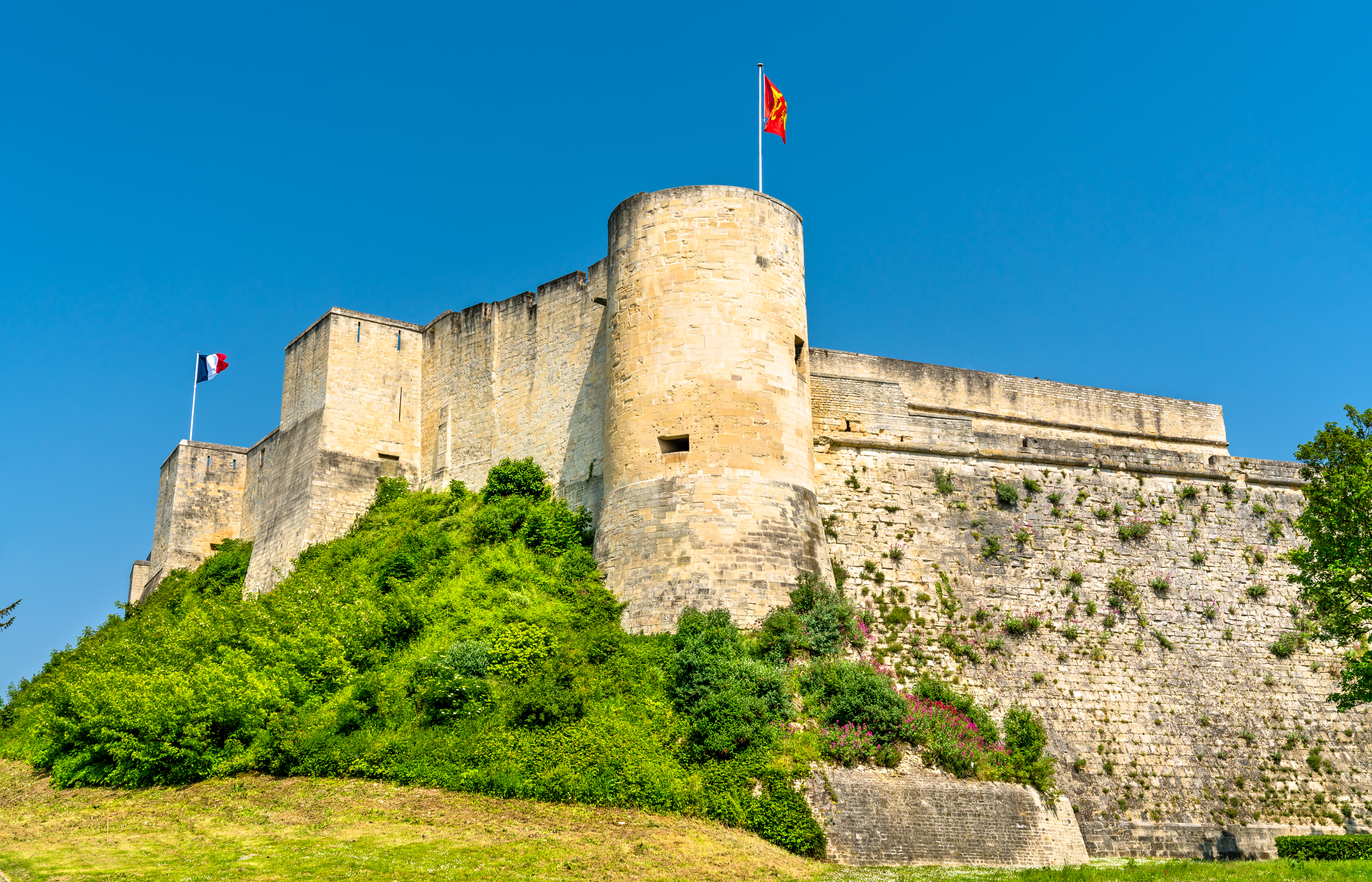
Located in the heart of Normandy, Caen Castle is a testament to medieval fortification and Norman power. Beyond its historical significance, however, this magnificent castle is shrouded in myths and legends, one of which revolves around Matilda, Duchess of Normandy and wife of William the Conqueror.
According to local tradition, Matilda commissioned the construction of the nearby Abbaye aux Dames not only out of piety, but also as penance for her marriage to William, her cousin. Although this union was politically astute, it was strongly opposed by the Church due to the close relationship between the two. In search of absolution and divine mercy, Matilda’s act is said to have imbued the stones of the Château de Caen with protection and holy grace.
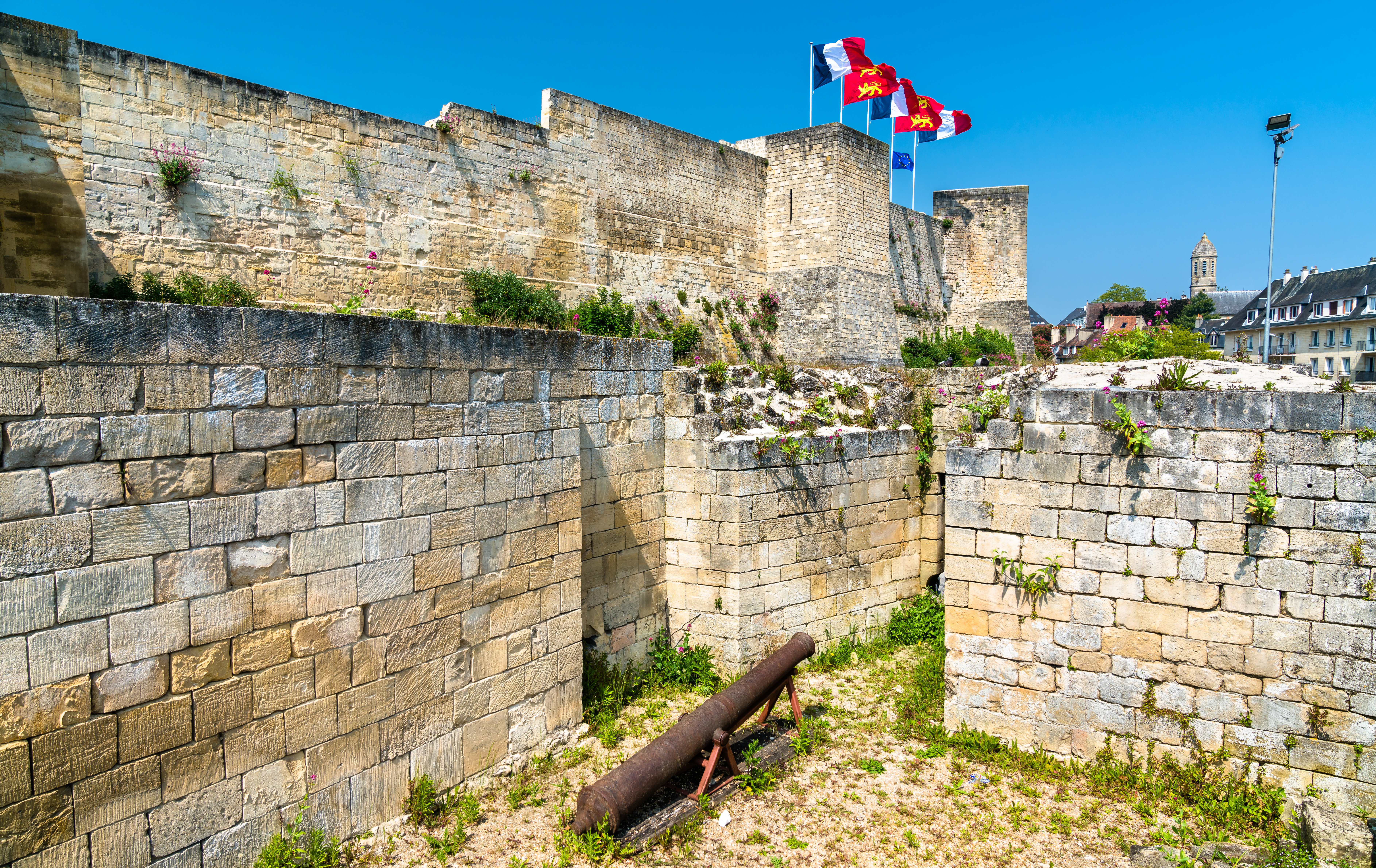
The historical context – Before we delve into the many myths, it is important to understand the historical background against which this legend unfolds. The Château de Caen was built around 1060 under the direction of William the Conqueror himself. This fortress, intended to consolidate his rule over Normandy, soon became a symbol of feudal strength and architectural innovation with its sturdy fortified walls and strategically positioned towers.
William’s marriage to Matilda of Flanders in 1051 was both a personal alliance and a political strategy to unite the interests of the Normans and the Flemings.
Nevertheless, the question of consanguinity, which arose due to the couple’s close relationship – they were allegedly third cousins – was rejected by Pope Leo IX, who initially opposed their union.
A story of redemption and divine favour – According to legend, Matilda was deeply affected by the Church’s criticism. To atone for the marriage, which was considered incestuous, she vowed to undertake a pious endeavour that would please both God and the Pope. Thus, in 1062, construction began on the Abbaye aux Dames, a project that Matilda personally supervised.
This abbey, dedicated to the Holy Trinity and Saint Mary, was not only a testament to Matilda’s piety, but also a monumental gesture of repentance. The story suggests that this grand act of penance placed a spiritual shield over the Château de Caen, protecting it from malice and ensuring prosperity for its inhabitants.
Historians often view these legends with scepticism and search the chronicles of the time for concrete evidence. However, the intertwining of documented history and folklore lends the story of the Château de Caen a mysterious charm.
Further mythical layers – Matilda’s penance may be the most famous legend surrounding the Château de Caen, but it is by no means the only one. Another tale tells of a hidden treasure that William the Conqueror himself is said to have buried deep beneath the castle – a treasure so great that it has eluded all seekers for centuries.
There are also rumours of ghostly apparitions wandering through the ancient halls of the castle. Some believe these to be the restless spirits of soldiers who lost their lives during the fortress’s many sieges, while others claim they are the echoes of past nobles, including Matilda herself, who is bound to this place forever by her penance.
In a curious twist, some local accounts even suggest that the Château de Caen was built on an ancient Celtic place of worship, lending its foundations an even deeper mystical aura. It is said that the energy of these ancient rites continues to permeate the area, contributing to the castle’s legendary status.
The lasting influence – Regardless of the veracity of these legends, they have undoubtedly contributed to the fascination and intrigue surrounding the Château de Caen. The castle continues to attract historians, archaeologists and tourists, all eager to explore its storied past and perhaps gain some insight into its mythical heritage.
The Abbaye aux Dames still stands today, a quiet yet imposing structure that inspires visitors to reflect on its origins and the story of Mathilde’s devotion. Whether one views the legends as pure fiction or believes they contain a kernel of truth, the stories connect the community and preserve a cultural heritage that transcends mere bricks and mortar.
The Château de Caen is more than just a relic of Norman power; it is a repository of stories that encompass the sublime and the supernatural.
Matilda’s alleged penance embodies the spirit of a time when faith and power were inextricably linked, and myths served to immortalise human endeavours in the collective memory. As we reflect on these stories, we should remember that they are not mere figments of imagination, but integral parts of the rich historical fabric that surrounds this magnificent castle.











Post Comment