Château de Chenonceau: The mysterious stories behind the stone walls
Located on the tranquil banks of the Cher River in the Loire Valley, the Château de Chenonceau bears witness to France’s architectural splendour and historical secrets. Often referred to as the ‘Ladies’ Castle,’ this majestic palace is shrouded in fascinating myths and legends that captivate historians, art lovers and tourists alike.
With its unique gallery spanning the river, its lush gardens and its history intertwined with powerful women, Chenonceau is not just a monument, but a storyteller of centuries past.
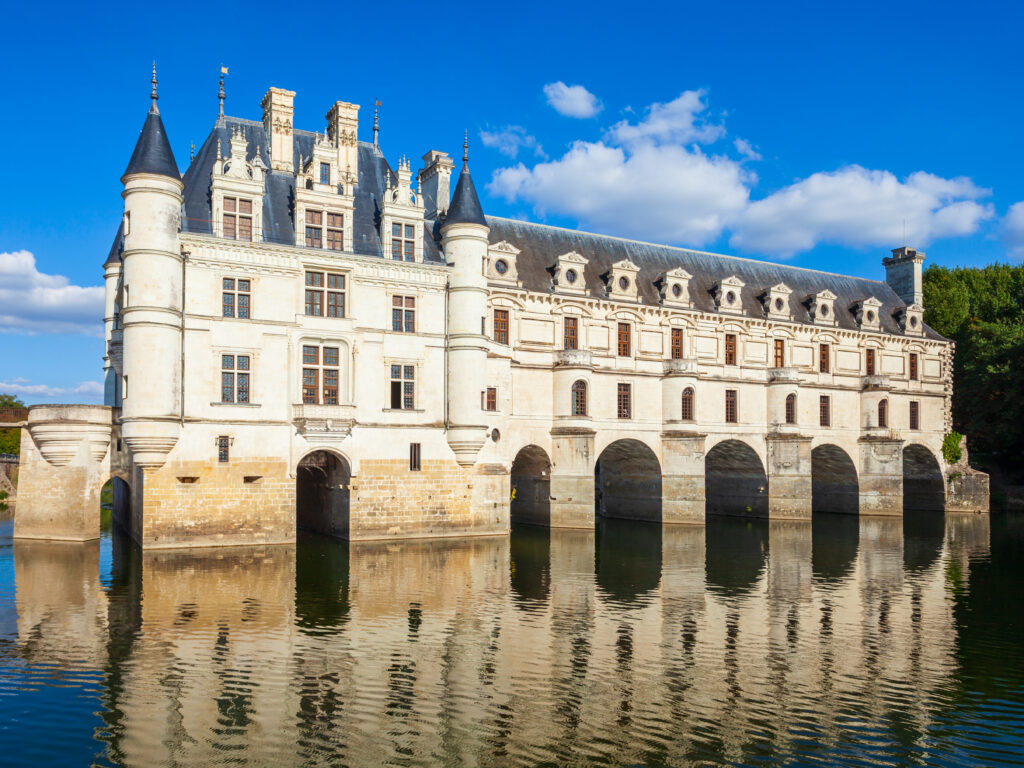
A story of royal passion and rivalry – The origins of the Château de Chenonceau date back to the 16th century, when King Henry II gave the castle to his favourite mistress, Diane de Poitiers. Known for her beauty and intelligence, Diane transformed the castle into a masterpiece of Renaissance architecture. She commissioned the construction of the arched bridge over the River Cher, which added charm and functionality to the castle.
However, with the death of Henry II, the castle’s fate took a dramatic turn. His widow, Catherine de Medici, took Diane Chenonceau away and claimed it for herself.
Catherine, known for her political acumen and extravagant taste, continued to expand the château, notably adding the famous gallery that spans 60 metres across the river. Under Catherine’s leadership, Chenonceau became the centre of royal celebrations and elaborate spectacles, cementing its place in French cultural heritage.
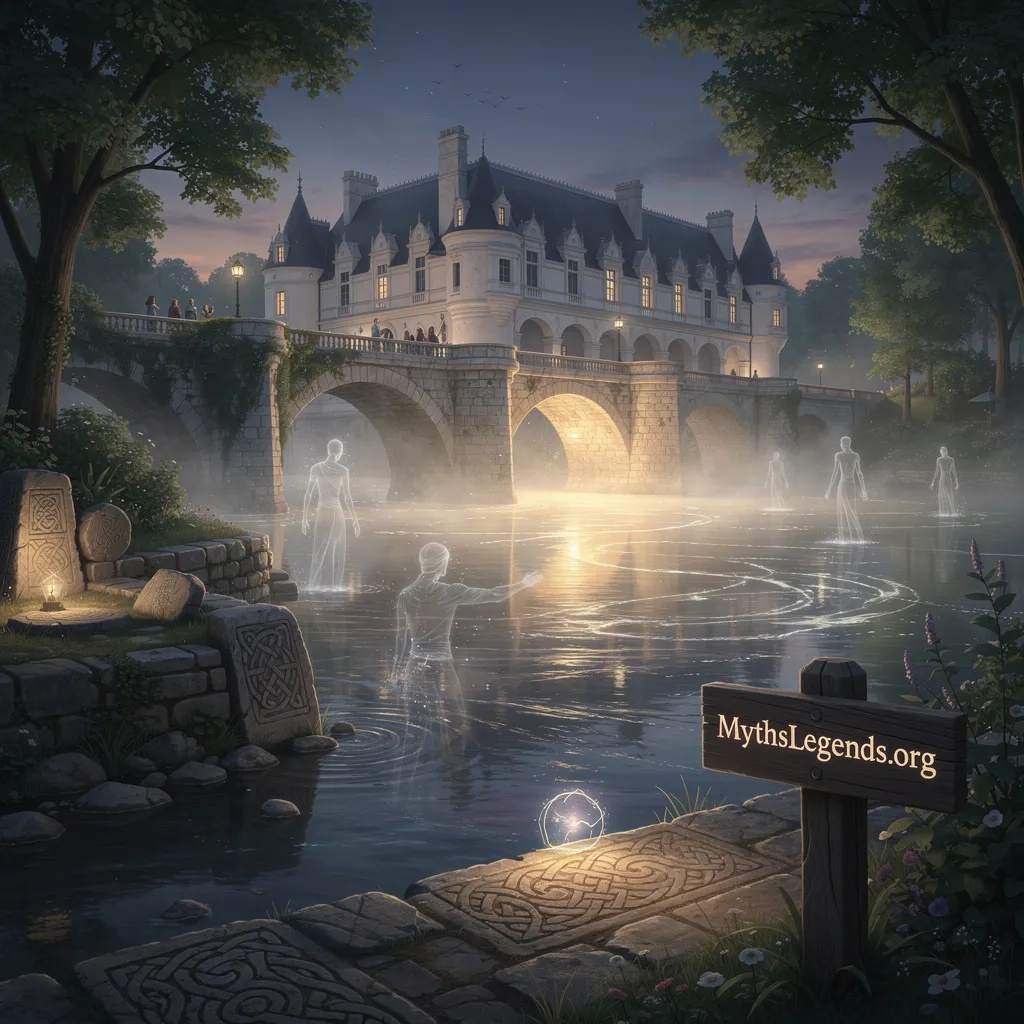
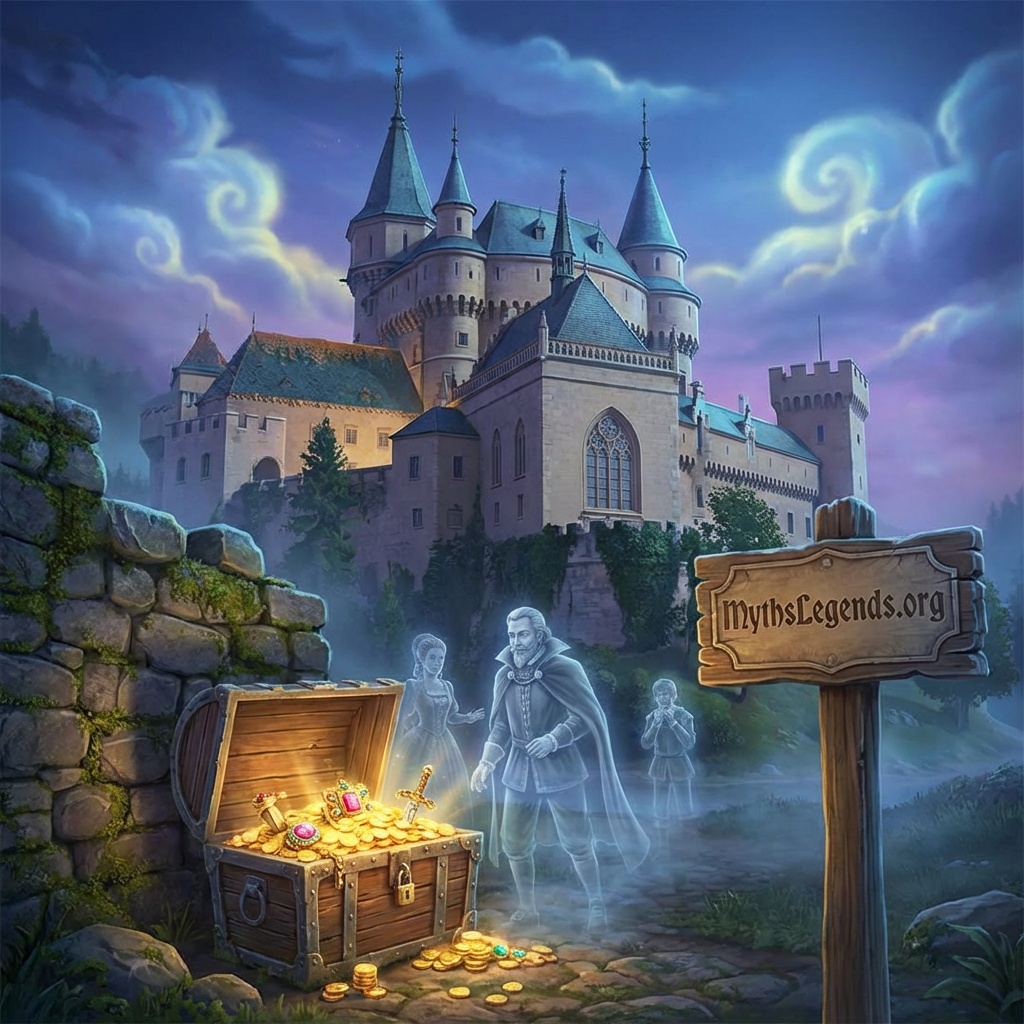
The ghosts of Chenonceau – According to legend, the ghosts of these powerful women still haunt the walls of Chenonceau. Visitors often report eerie sensations and claim to have seen apparitions of Diane de Poitiers wandering through the gardens she once loved so much.
On moonlit nights, the echo of Catherine de Medici’s footsteps can reportedly be heard in the grand gallery. These ghostly apparitions add to the mystique of the château and attract paranormal enthusiasts in search of a supernatural experience.
The influence of the ladies’ château – Chenonceau’s reputation as the ‘château of ladies’ extends far beyond Diane and Catherine. In the 18th century, Louise Dupin, a famous scholar and salonnière, welcomed Enlightenment figures such as Voltaire and Rousseau within the castle’s walls. Her commitment to education and women’s rights cemented the castle’s legacy as a beacon of progressive thinking.
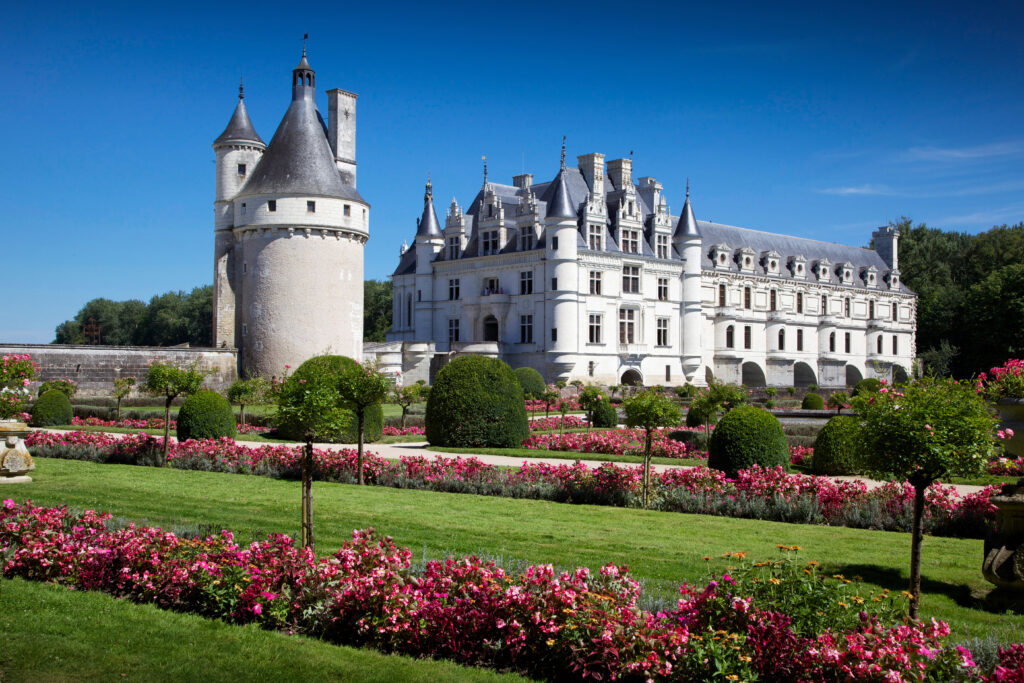
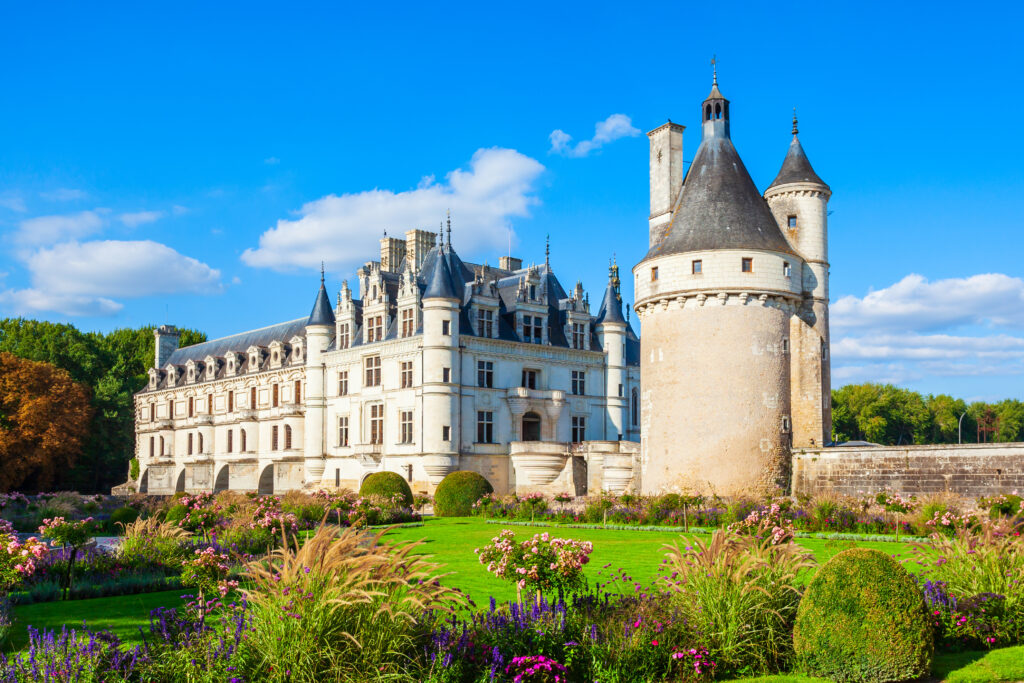
Throughout history, Chenonceau has been a refuge for influential women seeking solace, inspiration and self-determination. The castle’s gardens, carefully laid out by Diane de Poitiers and expanded by Catherine de Medici, reflect the artistic and intellectual abilities of its female custodians.
The mythical healing powers of the River Cher – One of the lesser-known legends associated with Chenonceau is the alleged healing power of the River Cher. According to local folklore, the water flowing beneath the château has medicinal properties that can cure illnesses and rejuvenate the spirit. This myth probably stems from ancient Celtic traditions, in which rivers and springs were revered as sacred sources of life and health. Although there is little scientific evidence to support this, the tranquil atmosphere of the river undoubtedly has a calming effect on visitors.
The hidden passages and secret rooms – Chenonceau is also known for its hidden passages and secret rooms, which have served various purposes throughout its eventful history. These secret rooms were used for discreet meetings, as escape routes in times of conflict, and even to hide valuable artefacts. One of these secret rooms is the Cabinet Vert, a small study decorated with green tapestries, where Catherine de Medici planned her political manoeuvres.
During the First World War, the gallery of Chenonceau was converted into a hospital ward where wounded soldiers found refuge and medical care. To this day, remnants of wartime can be seen in the château, including medical equipment and Red Cross insignia, reminding us of its role as a place of refuge amid the chaos.
The artistic heritage of Chenonceau – Artistic expression flourished within the walls of Chenonceau, and the château served as inspiration for numerous painters, sculptors and architects. The interiors are adorned with exquisite works of art, including masterpieces by Rubens and Van Dyck. The chapel houses remarkable stained glass windows that tell biblical stories with vibrant colours and intricate patterns.
In addition to its art collection, the architecture of Chenonceau itself is a work of art.
The blend of Gothic and Renaissance styles, coupled with its picturesque location above the River Cher, has inspired countless artists and photographers. The castle’s reflection in the river creates an ethereal mirror image that is often captured as a symbol of timeless beauty.
The mystique of modernity – Even today, the Château de Chenonceau continues to fascinate visitors with its historical grandeur and mythical allure. The castle is the venue for numerous events, including classical music concerts, art exhibitions and flower festivals, which celebrate its rich heritage and the creative spirit of its former inhabitants.
Recent archaeological excavations have unearthed artefacts that further deepen the mysteries surrounding Chenonceau. Fragments of ancient manuscripts hidden beneath centuries-old stone walls suggest that there are still more stories untold, waiting to be discovered by future generations.
Whether you are drawn to the ghost stories, the architectural marvels, or the romantic history of famous women, the Château de Chenonceau offers a haunting experience that goes beyond mere sightseeing. The whispers of the past, the elegance of the present, and the promise of undiscovered secrets make Chenonceau a lasting symbol of French culture and legend.
In essence, the Château de Chenonceau is more than just a building; it is a living narrative woven into the fabric of history. Its myths and legends, enriched by the lives of extraordinary women and the allure of its mystical surroundings, invite visitors on a journey through time to explore the depths of human creativity and the whispers of the supernatural.
With its mysterious charm and timeless beauty, the Château de Chenonceau remains a beacon of historical and mythological wonder. Whether one believes in ghosts or simply admires the splendour of Renaissance architecture, the castle has an undeniable power to spark the imagination and stir the soul.







Post Comment