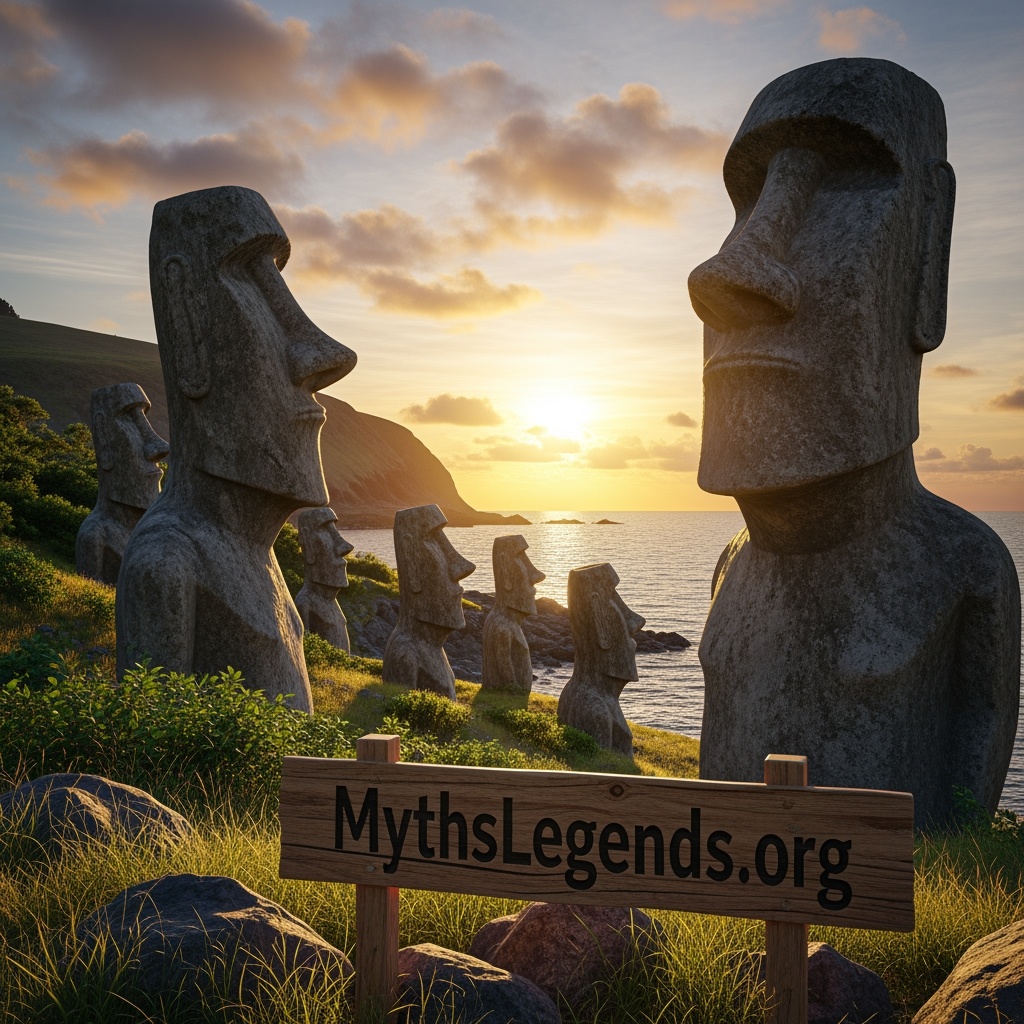
Amazing secret: The mystery of the Moai statues on Easter Island revealed
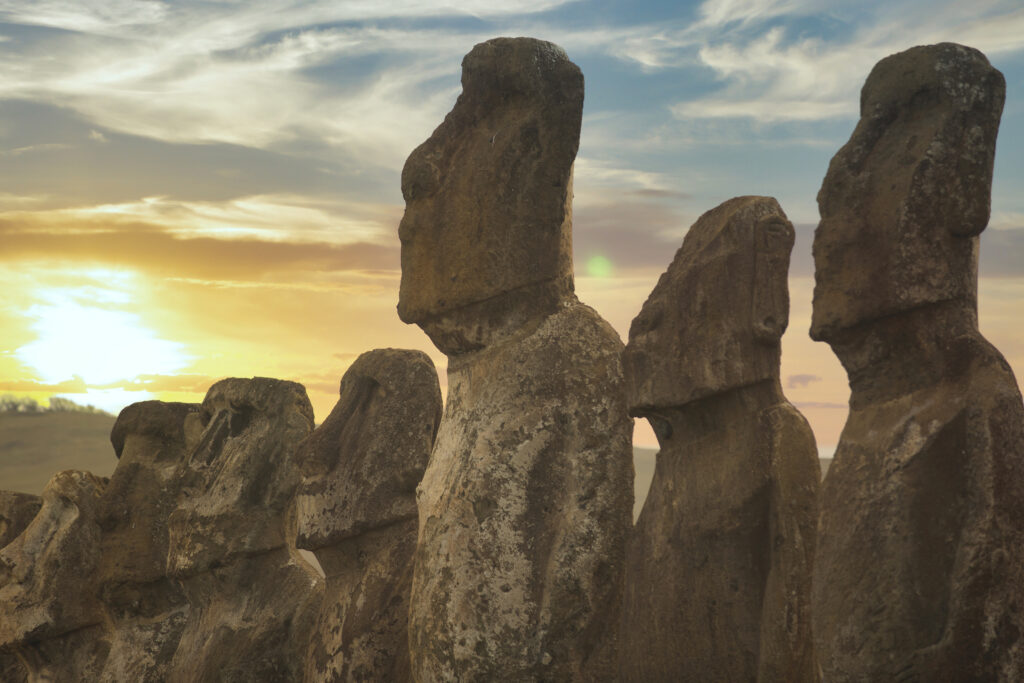
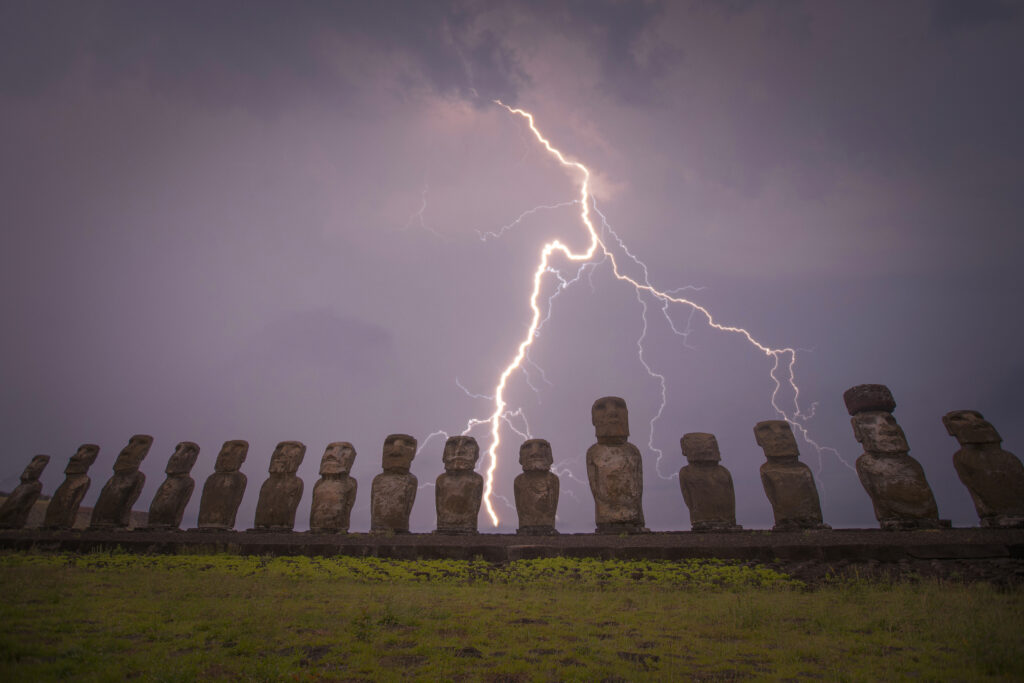
Few archaeological wonders arouse as much curiosity and speculation as the gigantic Moai statues that stand like guardians over the remote Easter Island in Chile. These ancient monoliths, some reaching a staggering 10 meters in height and weighing over 80 tons, have captivated historians, archaeologists, and tourists alike, sparking a flood of theories and rumors about mystical civilizations lost to time.
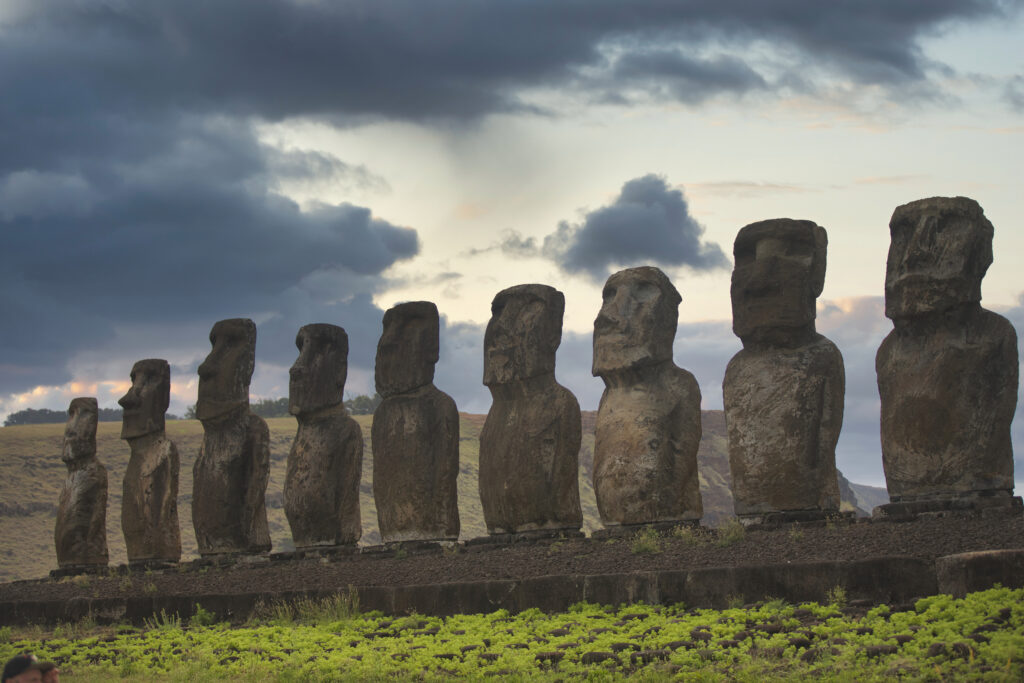
The silent guardians of Easter Island – Easter Island, or Rapa Nui as it is known locally, lies about 2,300 miles off the west coast of Chile and 2,500 miles east of Tahiti, making it one of the most remote inhabited islands on Earth. Its remoteness only adds to the fascination of the moai statues, of which there are nearly 1,000 scattered across the island. These stone giants were created between 1400 and 1650 AD by the Rapa Nui people and are said to represent ancestors who were deified after their death.
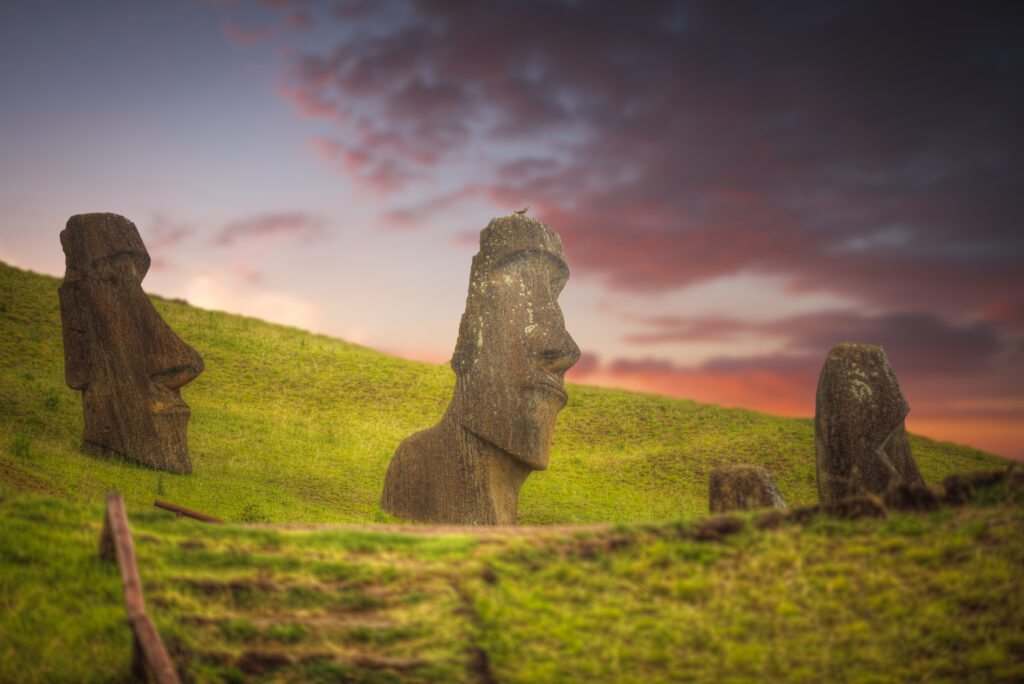
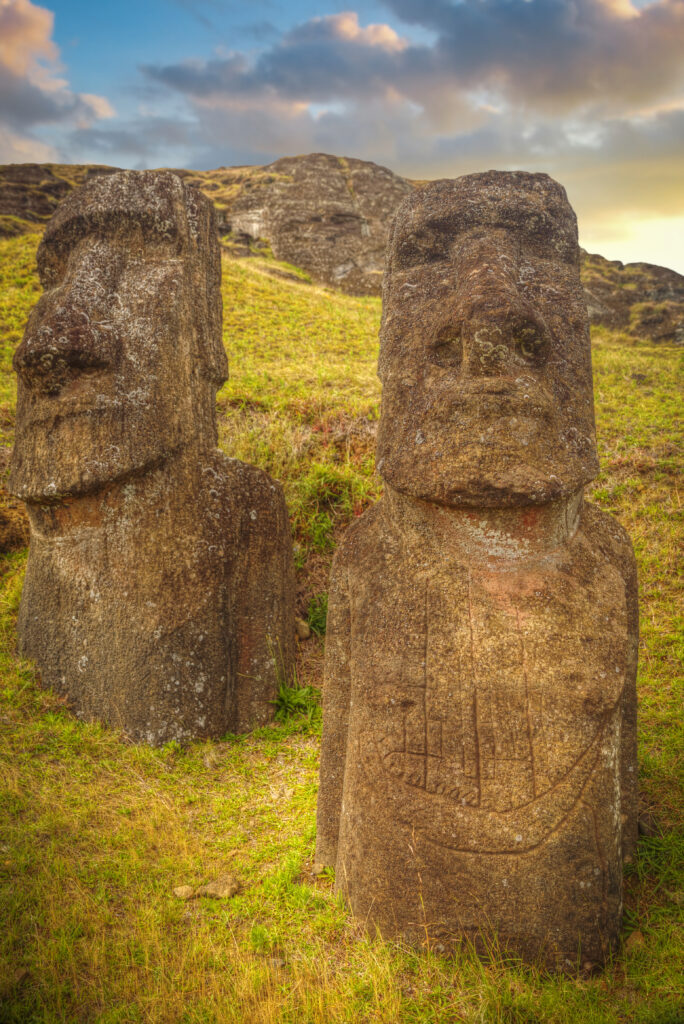
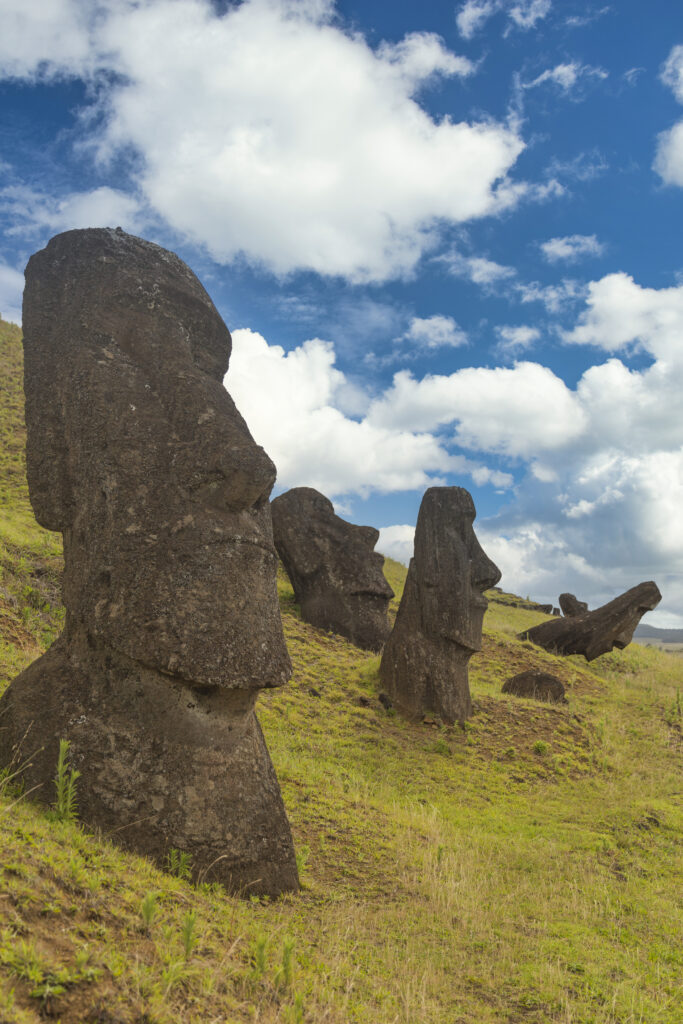
The art of moai making – The moai were carved from volcanic tuff rock, mainly from the Rano Raraku quarry, and bear witness to the ingenuity and dedication of the ancient Rapa Nui civilization. The Rapa Nui were not content with simply carving these magnificent sculptures, but went one step further and transported these colossal structures across rough terrain to their final locations. This feat still baffles modern engineers and scientists, as the methods used for such transport remain speculative at best. Recent studies suggest that the statues were “walked” to their destinations using a sophisticated and coordinated effort involving ropes and human power. This theory is supported by the upright position in which fallen moai have been found along ancient paths, suggesting that they may have been in transit when they were left behind.
The eyes hold secrets – In addition to their impressive size and mysterious aura, the moai statues have another fascinating feature: their eyes. Originally, the eye sockets of the statues were inlaid with coral and red pupils made of slag, which were believed to give the statues mana, or spiritual energy. These eyes gave each moai a powerful, almost sentient gaze, which was believed to watch over the inhabitants of the island and guarantee them protection and prosperity.
A civilization in decline – Despite its remarkable achievements, the fate of the Rapa Nui civilization took a tragic turn. When European explorers discovered the island in the early 18th century, the once-thriving society was severely weakened. Deforestation and overuse of resources led to a deterioration of ecological conditions, resulting in food shortages and the collapse of society. In addition, internal wars contributed to the toppling of several moai statues, which were often symbols of a clan’s power and prestige. The arrival of Europeans brought new diseases and slave raids, which further decimated the population and left behind a society struggling to preserve its heritage. Today, only about 7,000 inhabitants, many of whom are descendants of the original Rapa Nui, are working to preserve the island’s cultural heritage.
Controversies and mysteries – The moai remain the subject of numerous controversies and unsolved mysteries. For example, the exact purpose of these statues is still debated. Are they mere grave markers, ceremonial symbols, or something more? Some theories suggest that the statues were aligned with celestial bodies and served as an ancient astronomical observatory. Others speculate that the moai were arranged to form a navigational network that aided Rapa Nui sailors on their voyages. Furthermore, the pressing question remains as to why so many statues were left unfinished or abandoned, particularly around the Rano Raraku quarry. Did a sudden catastrophe halt production, or did the collapse of society make it impossible to continue such monumental tasks?
The global resonance of the moai – In recent decades, the moai statues have transcended their status as mere archaeological curiosities to become global icons representing both the genius and vulnerability of human civilizations. Easter Island itself has been designated a UNESCO World Heritage Site, attracting thousands of tourists each year who come to marvel at the mysterious colossi and ponder the lessons they impart. Modern initiatives have been crucial to the preservation of this unique heritage. Efforts are being made to re-erect fallen moai and to research the island’s ecological history in order to prevent further deterioration. In addition, the island’s tourism industry makes an important contribution to these conservation efforts, but also poses challenges in terms of sustainability and cultural sensitivity.
A timeless mystery – The mystery surrounding the moai statues of Easter Island remains unsolved, shrouded in the mists of time and surrounded by myths. As we continue to try to unravel the secrets of these silent guardians, they remind us of the complex interplay between human ambition, responsibility for the environment, and the inexorable passage of time. Whether we will ever unravel all the mysteries of the moai remains uncertain, but their majestic presence ensures that their story will continue to captivate future generations.







Post Comment