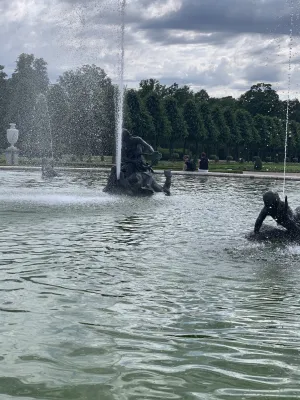
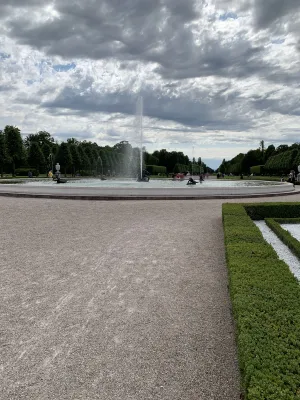
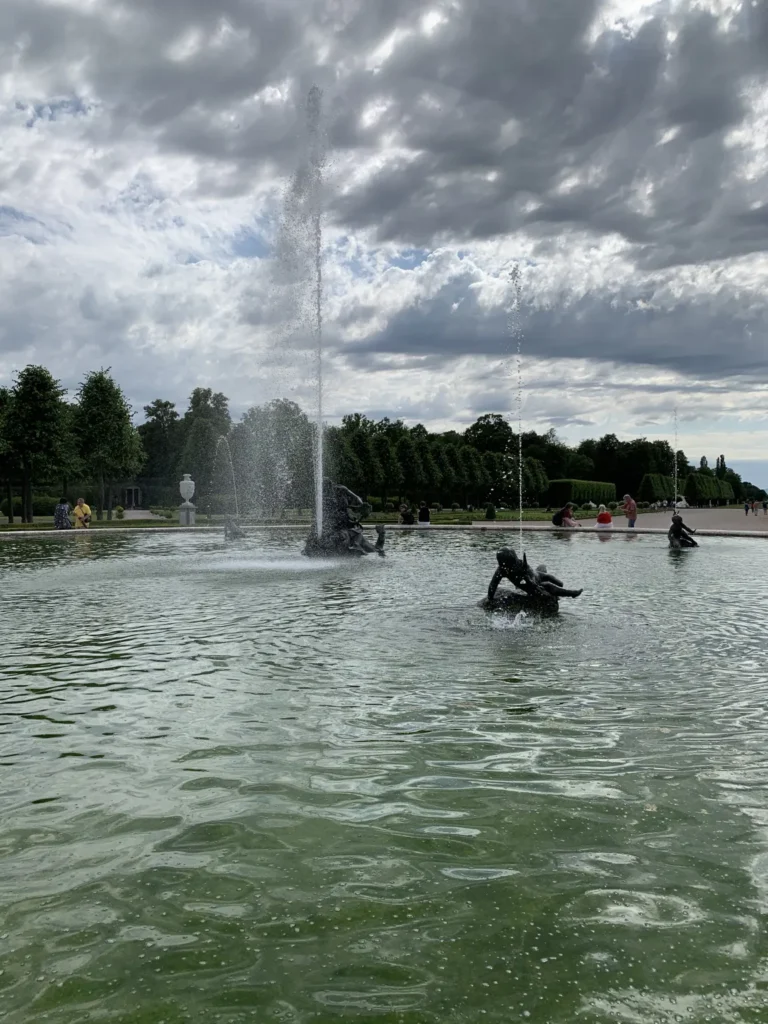
The legendary Arion Fountain in the Schwetzingen Palace Gardens
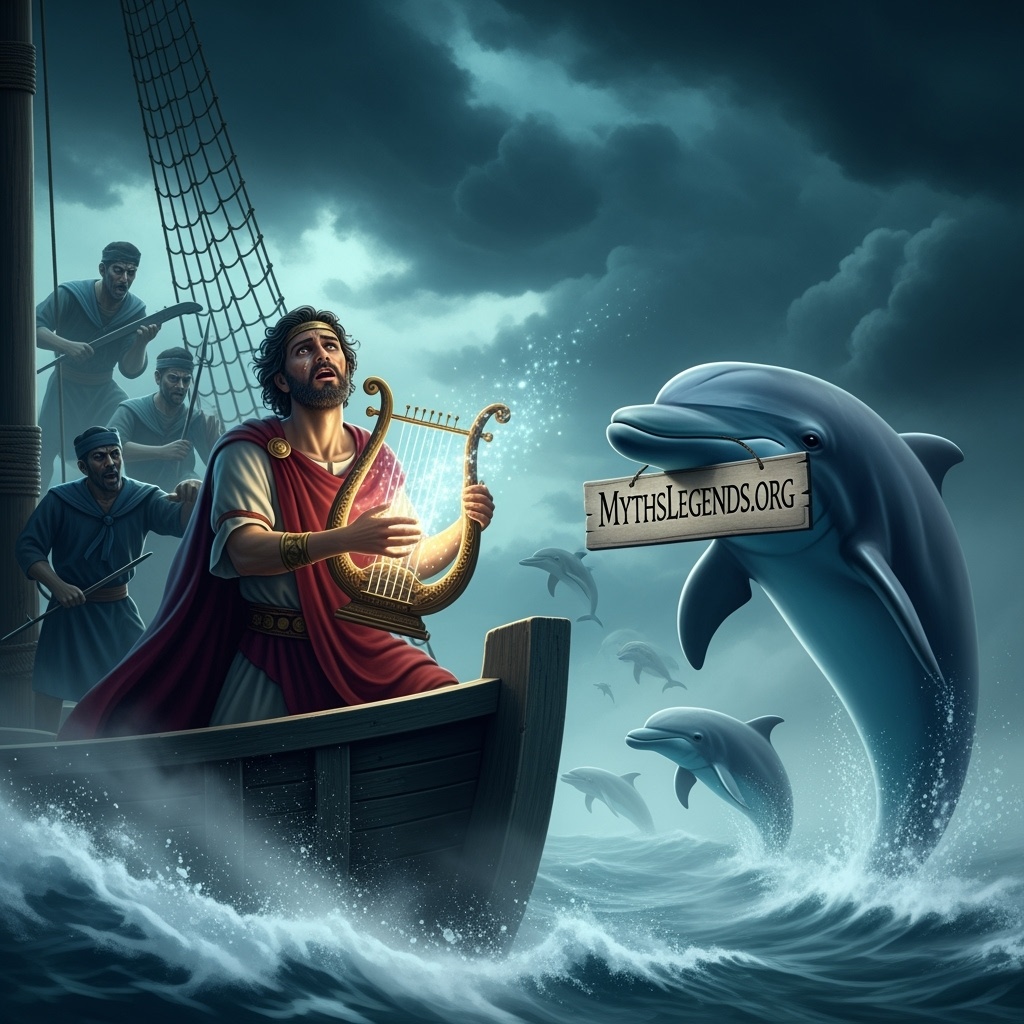
The Schwetzingen Palace Gardens combine intellectual history and fashions from the Baroque period through the Enlightenment to Romanticism like no other gardens in Europe. One of the attractions in the gardens is the legendary Arion Fountain. This fountain forms the centerpiece of the artistically designed flower beds and water features. The lead figures were created by the French sculptor Barthélemy Guibal and brought to the Schwetzingen Palace Gardens in 1766. The fountain, with a diameter of 30 meters, has an impressive water feature, with a jet of water in the center reaching a height of up to 15 meters. The Arion Fountain owes its name to Arion, a lyre player who lived in Corinth around 600 BC. According to legend, he emerged victorious from a Sicilian singing competition with highly lucrative prizes. With his winnings, he set off on his journey home by ship. A dream warned him of impending disaster, but according to the gods, he should not despair. When the sailors seized Arion to seize his riches and take his life, he asked the captain for one last wish, which was to be allowed to play his beloved lyre one last time. The captain granted Arion’s request, and he played for his life. The dolphins that had accompanied the ship were enchanted by the lyre music, and when Arion jumped into the water, one of the dolphins came to his aid and gave its life to bring him safely ashore. King Periander then erected a monument to the dolphin and confronted the sailors upon their arrival in Corinth. They swore before the dolphin monument that they were innocent and that Arion had remained in Sicily. When Arion stepped forward, they finally confessed their guilt, and the king had them crucified. In retaliation, the god Apollo placed the dolphin and the lyre in the sky as a constellation. Such is the legend of Arion, to whom a magnificent monument has been erected in the form of this splendid fountain in the Schwetzingen Palace Gardens.









Post Comment