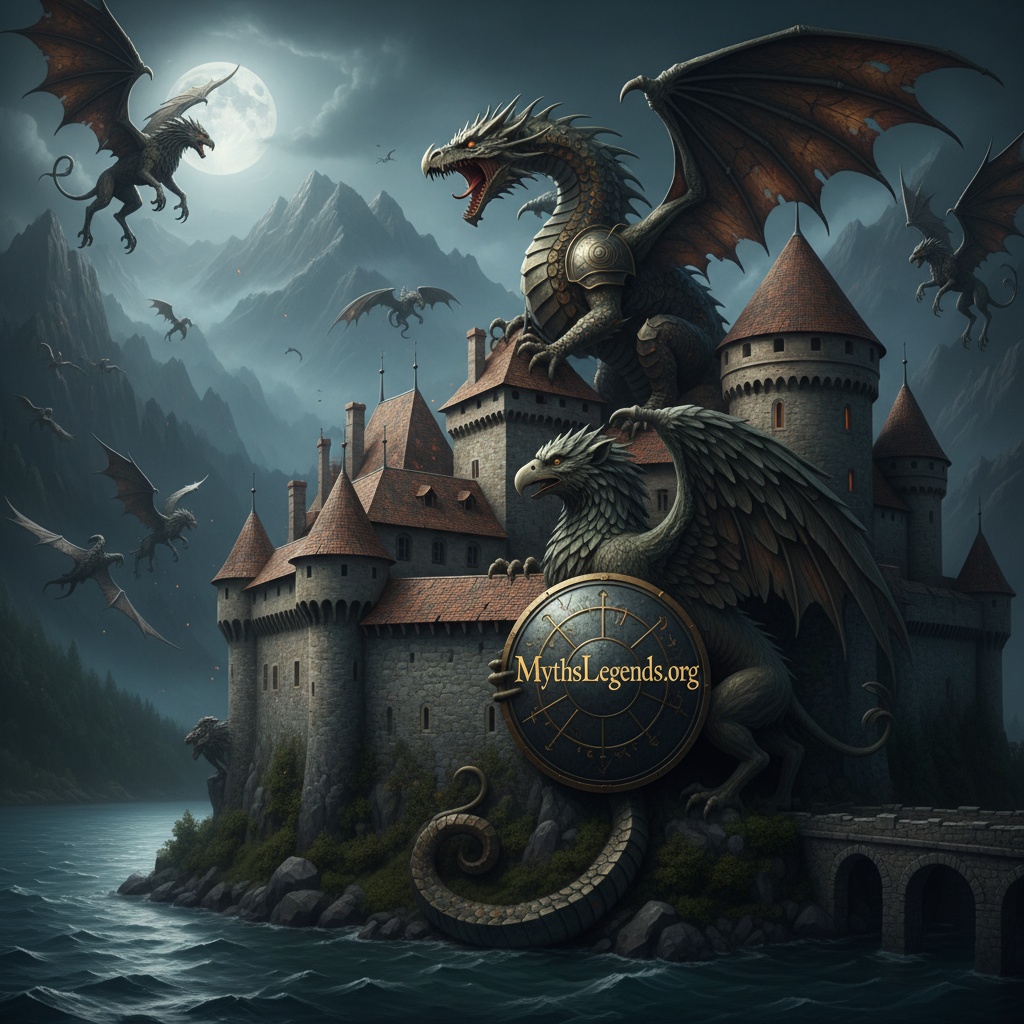
The Dragons of Chillon: Uncovering Ancient Secrets and Modern Myths
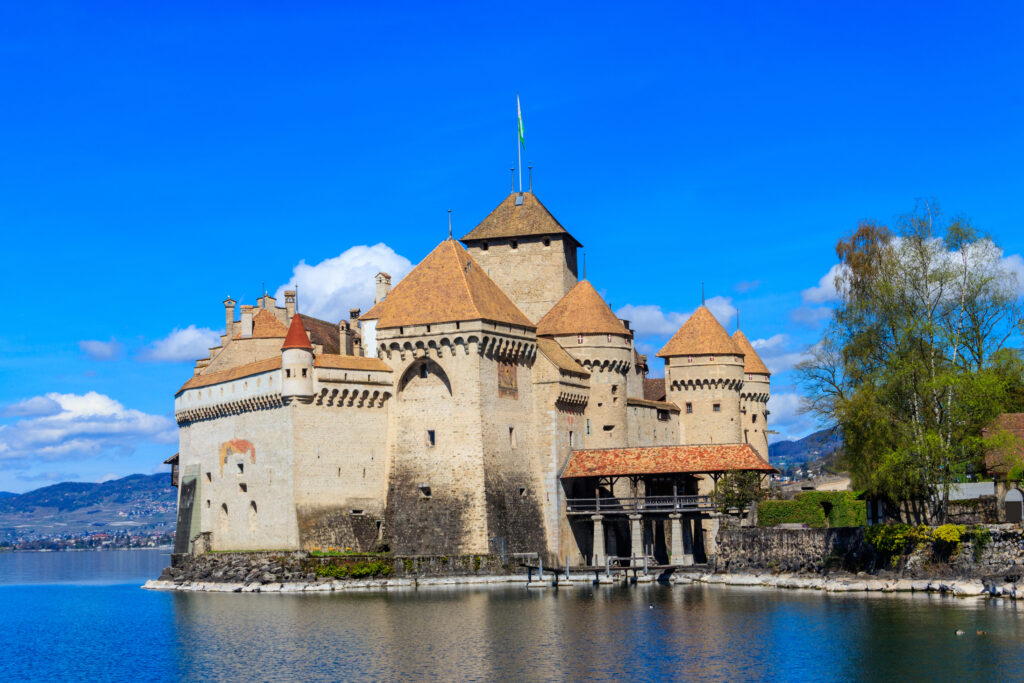
Nestled on the picturesque shores of Lake Geneva, Chillon Castle stands as a guardian of time, preserving the secrets that echo within its venerable halls. Among the many legends that surround the castle’s storied past, the myth of dragons and griffins is particularly fascinating. Hidden within the medieval artwork that adorns the Camera Domini are depictions that have inspired stories for generations and ultimately led to the creation of the castle’s beloved mascot, Drako.
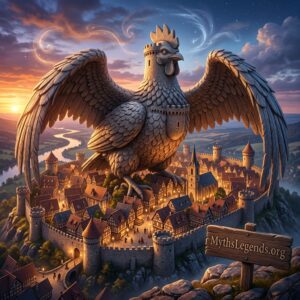
The mythical creatures engraved on the walls of the Camera Domini are more than just decoration—they are symbols deeply rooted in history and tradition. Dragons, with their imposing presence and fearsome power, represented formidable forces in the medieval imagination, embodying both destruction and protection. Griffins, half eagle, half lion, symbolized nobility and protection, bridging the earthly and heavenly worlds. Together, these creatures have inspired many stories and created a rich cultural heritage associated with Chillon Castle.
The history of Chillon Castle dates back to the 12th century, when it served as a strategic power base to control the passage between the Alps and the region around Lake Geneva. It has witnessed countless events, from wars and political intrigues to romantic escapades and tragic stories. However, it is the dragons and griffins captured in its art that continue to capture the imagination and lead to modern interpretations and myths.
In the Middle Ages, Europe was full of dragon legends, often depicted in battle scenes between saints or knights and the monstrous beasts. These stories served not only as cautionary tales, but also as metaphors for the triumph of good over evil. The depiction of dragons in the Camera Domini of Chillon may be a reflection of such narratives, blending spiritual symbolism with regional folklore.
Historians and art critics have debated the origin and purpose of these frescoes. Some suggest that they were intended to serve as protection, as was common with dragon iconography. Others believe that these images may depict specific local legends unique to the Chillon region. There are even theories that these figures were included as a form of mystical entertainment, captivating viewers with tales of heroic encounters between humans and monsters.
While the true intent behind these majestic murals remains a subject of speculation, their influence on modern culture is undeniable. Inspired by these ancient symbols, contemporary storytellers and artists have breathed new life into the legends. The most notable creation is the castle’s mascot, Drako—a dragon that represents Chillon’s enduring fascination and mythical heritage.
Drako has become a beloved character, enchanting visitors of all ages with stories that bridge historical reality and fantastical fiction. As part of the visitor experience, Chillon Castle offers various activities centered around Drako. These include guided tours, storytelling, and interactive exhibitions that immerse guests in the world of medieval mythology. Through Drako, the castle aims to inform and entertain, promoting a deeper understanding of its historical narratives and artistic heritage.
In addition to local legend, the dragons of Chillon Castle have also carved out a place for themselves in a broader cultural context. The iconography of the dragon spans different cultures—in Asian traditions, dragons are revered as symbols of good luck and power, while in European folklore they are often portrayed as menacing adversaries. This universal appeal underscores the transcendent nature of dragon myths and invites comparisons and connections between different cultural histories.
In addition, the castle has also used digital innovations to bring its myths to life. With the help of augmented reality (AR) technology, visitors can interact with virtual dragons during their tour, enhancing the storytelling experience. This blend of ancient myth and modern technology ensures that the legends of Chillon remain relevant and exciting for future generations.
As scholars continue to unravel the mysteries behind the dragon and griffin frescoes at Chillon Castle, one thing is clear: the legacy of these mythical creatures is inextricably linked to the castle’s identity. They represent the fusion of history and fantasy and testify to humanity’s enduring fascination with the supernatural.
In summary, the dragons of Chillon—majestic and mysterious—serve as powerful symbols of the castle’s rich history and cultural significance. Whether as protectors, adversaries, or mythical icons, their presence in the murals of the Camera Domini has inspired a flood of modern interpretations and cherished myths.
Through Drako, augmented reality, and tireless exploration, Chillon Castle continues to enchant its visitors and keep the spirit of its dragons alive for all to see.

Post Comment