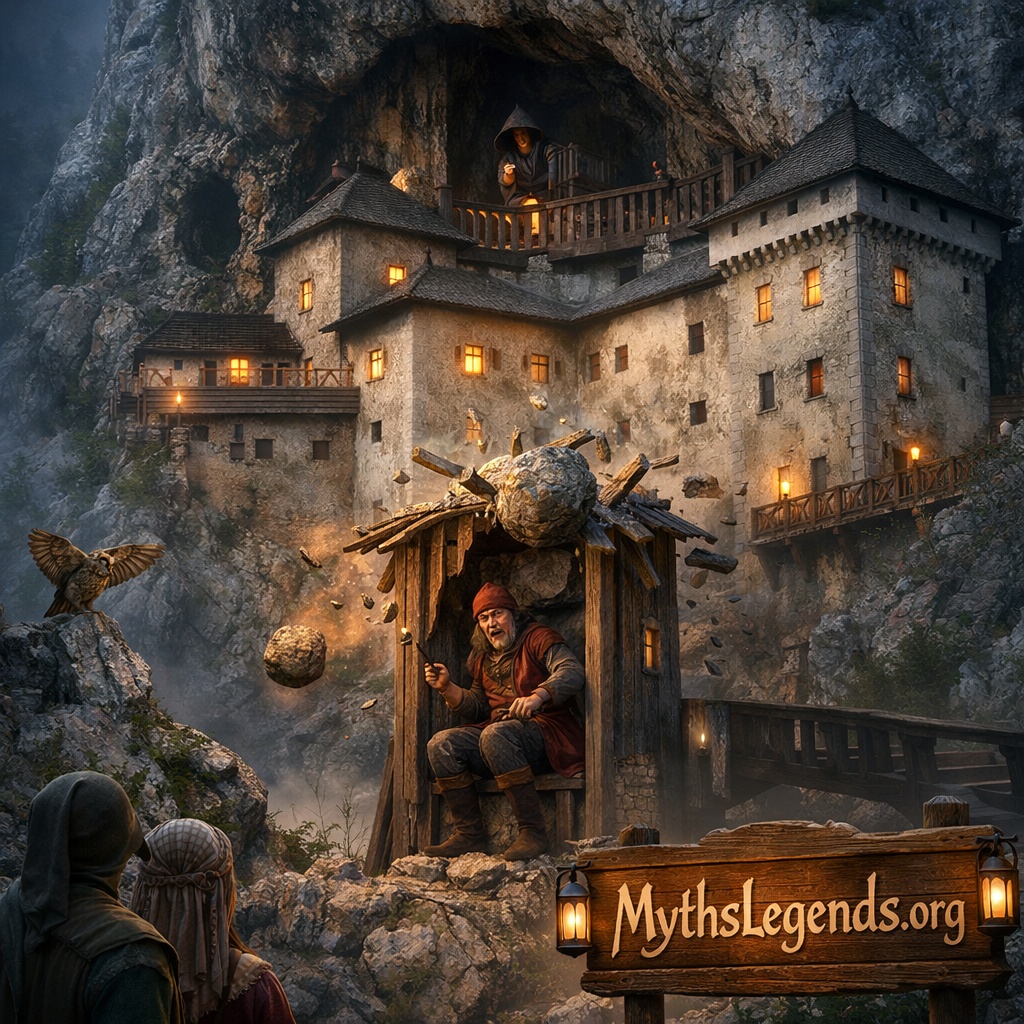
The Legend of Predjama Castle: A Tale of Faith and Betrayal
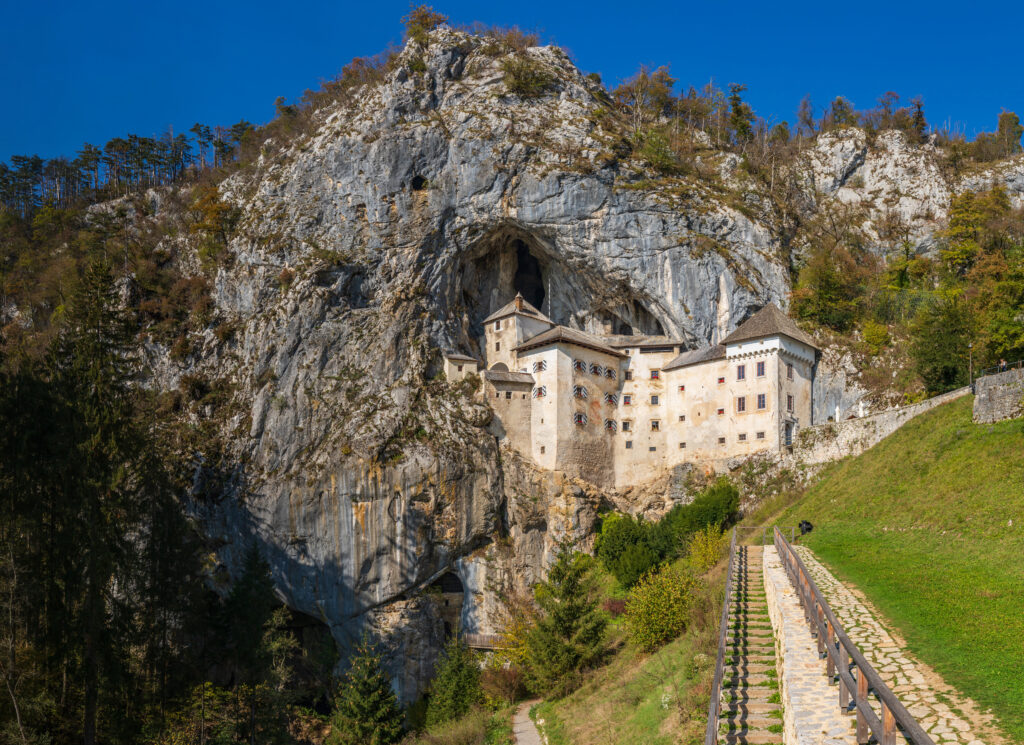
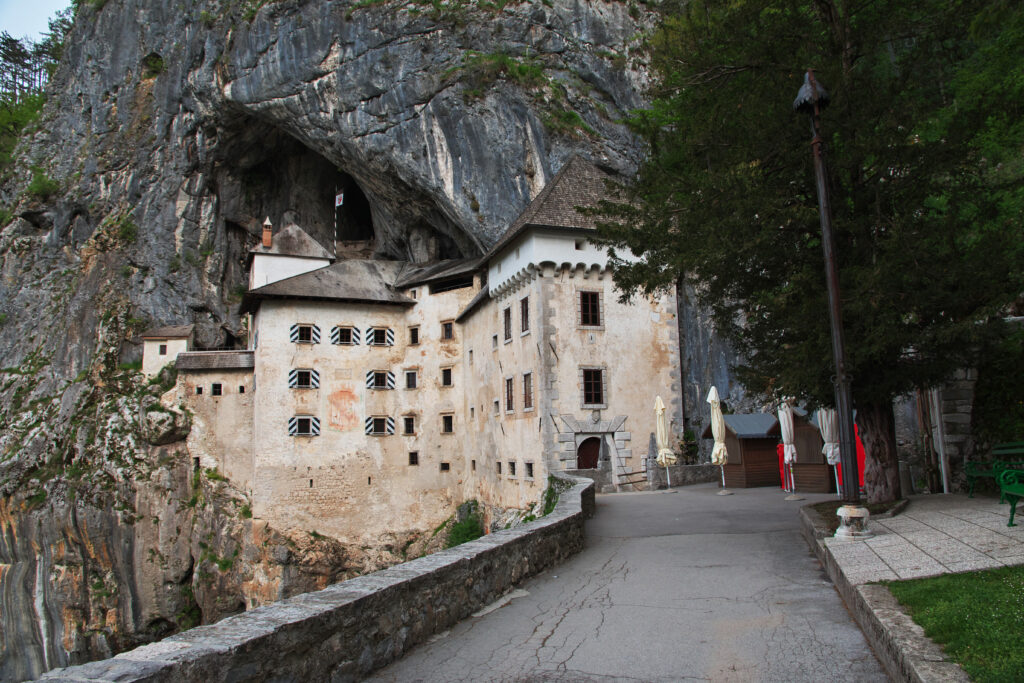
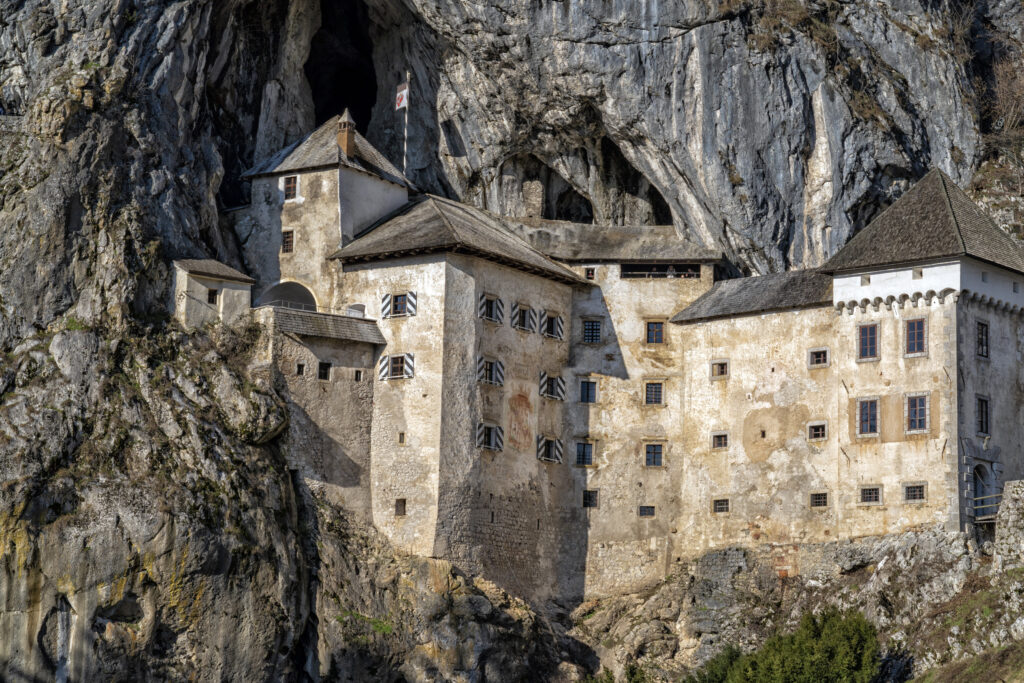
Predjama Castle, dramatically perched on a cliff in Slovenia, has always been shrouded in mystery and legend. The castle is not only a testament to medieval architecture, but also a monument to the stories of heroism and betrayal that are inextricably linked to its walls. Among these stories, none is more exciting than the tragic end of Erasmus of Lueg in 1484, a story full of myths and intrigue.
Erasmus was a knight and nobleman who rebelled against the Austrian Emperor Frederick III. His rebellion led him to seek refuge in Predjama Castle, his stronghold. The castle’s unique location, nestled in a cave high up on a vertical cliff, offered a strategic advantage against attackers. However, despite its impressive defences, it was a place where human weaknesses could be cruelly exploited.
According to legend, Erasmus met a particularly humiliating death. It is said that a servant betrayed him by revealing the location of the unprotected room to the besieging troops while Erasmus was in the toilet. The attackers, having received this vital information, hurled a stone that struck Erasmus, killing him instantly. The shame of dying during such a private act added a tragic twist to his rebellious story.
Whether or not this story is entirely true, it adds to the fascination of Predjama Castle and continues to attract tourists from all over the world. Although the story contains elements of historical events, embellishments over the centuries have created a powerful blend of fact and fiction that fires the imagination.
To better understand the mystique of Predjama Castle, one must examine the historical context and cultural fabric of the time. Medieval castles were often the setting for dramatic stories of loyalty and betrayal that reflected the turbulent world of feudal Europe. The rugged landscape of Slovenia, with its dense forests and imposing mountains, only adds to the aura of romance and mystery surrounding the castle.
Furthermore, modern archaeology and historical research provide us with insights that support and sometimes challenge these legends. According to historian Rudolf Mraz, there is little evidence of the exact circumstances of Erasmus’ death, suggesting that the story of his demise may have been embellished over time to enhance the castle’s mythical status.
Another layer of complexity is added by the folklore surrounding Predjama Castle. Local legends tell of secret tunnels and hidden chambers that provided escape routes and smuggling routes. These stories, some of which are based on reality, have been exaggerated through generations of storytelling. The castle’s actual network of passages, which was indeed used during sieges, represented both a practical necessity and an element of strategic genius.
Another dimension of the myth of Predjama Castle is the numerous ghost stories. Many visitors and locals claim to have seen ghostly figures and inexplicable phenomena within the castle walls. Some say they have seen the restless spirit of Erasmus himself wandering the corridors, seeking revenge or perhaps redemption.
In addition to these reports, scholarly sources such as Dr Andrej Pleterski, a renowned expert on Slovenian medieval history, emphasise the importance of oral tradition in preserving and spreading these myths. Pleterski points out that while the historical accuracy of such legends may be debatable, their cultural significance is undeniable. They offer valuable insights into the collective psyche and values of the time and serve as moral lessons wrapped in compelling narratives.
Another fascinating aspect of Predjama Castle is its architectural ingenuity. The castle blends seamlessly into the natural cave formations, creating a well-fortified yet aesthetically pleasing structure.
This blend of human craftsmanship and natural formation underscores the medieval emphasis on harmony with the environment, a principle that has regained importance in contemporary architectural discourse.
In summary, the legend of Erasmus’ death at Predjama Castle is more than just a story about medieval warfare and betrayal. It is a rich tapestry of history, folklore and fantasy. Whether one views the story as a cautionary tale about trust and vulnerability or as an exciting chapter in the annals of European history, it undoubtedly adds to the mystique of Predjama Castle.


Post Comment