The mysterious legend of Aachen Cathedral: When the devil financed a sacred building
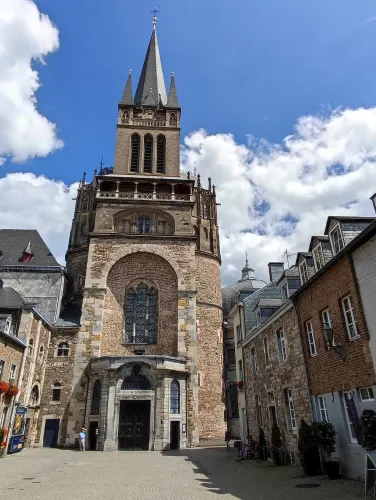
Deep in the historic heart of Aachen, Germany, stands a monumental building shrouded in mystery and legend: Aachen Cathedral. This revered structure, which has stood the test of time since its construction under Charlemagne in the late 8th century, is not only an architectural marvel but also a treasure trove of fascinating stories. One of these captivating stories tells how the devil himself financed the construction of the cathedral by making a pact with the townspeople that tested their cunning and confirmed their ingenuity and audacity.
The pact with darkness. Aachen Cathedral was built during a time of many challenges, including financial constraints that threatened to halt construction. According to legend, as despair grew among the citizens, a shadowy figure appeared and offered a solution that was too tempting to resist. The devil offered to finance the completion of the cathedral on one terrifying condition: he would claim the soul of the first person to cross its threshold after its consecration. The townspeople reluctantly agreed, as they saw no other way to realize their dream. However, the gravity of the pact weighed heavily on them, for no one wanted to sacrifice a human soul for the sacred cause. Thus began weeks of careful planning and fervent prayers, asking for divine intervention and guidance to outwit the sinister pact they had made.
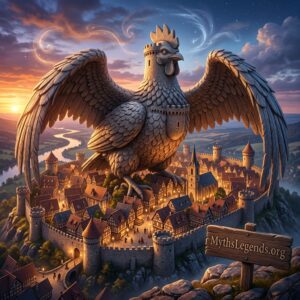
Outwitting the Prince of Darkness. As the day of consecration approached, the people of Aachen devised a plan that relied on cunning rather than force. Their plan was based on a sacrificial lamb, but not a human one, rather an animal. As soon as the doors of the cathedral opened, they wanted to send in a living creature that represented life, but did not carry the same moral weight as a human being. The chosen sacrifice was a rooster—an animal full of symbolism, but without the spiritual significance that would condemn a human soul. At dawn, when the solemn ceremony was over and the majestic doors were about to reveal the completed splendor of the cathedral, the citizens released the rooster. The bird strutted confidently into the sacred space, unwittingly becoming a pawn in this game of life and death.
The wrath of the devil and the sign of torment. The devil, who was looking forward to conquering a human soul, was furious at this cunning deception. In his rage, he is said to have materialized at the entrance of the cathedral, determined to claim what he believed was his right. However, when he discovered the deception, his anger knew no bounds. In a fit of unbridled rage, he struck the massive bronze door of the cathedral with such force that his thumb dug into the metal, leaving an indelible mark. To this day, visitors can see the so-called “devil’s thumbprint,” a tangible reminder of the legend that links history and myth.
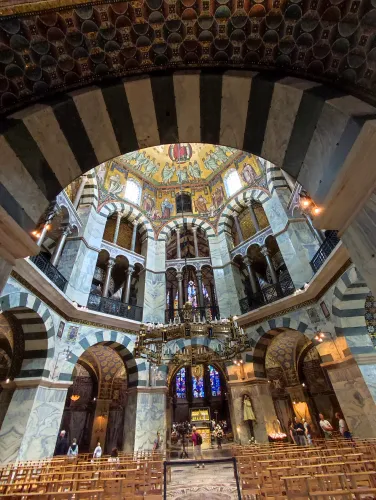
Echoes through time: the enduring legacy of the cathedral. Behind the fantastic legend lies the undeniable splendor of Aachen Cathedral. A UNESCO World Heritage Site, the cathedral, with its blend of Carolingian and Gothic architecture, is a testament to the bold vision of its creators. Its palatial octagonal chapel, adorned with a breathtaking mosaic dome, and the famous Palatine Chapel, where Charlemagne himself is buried, still inspire awe and reverence today. The story of the devil’s involvement in its construction lends it a mysterious aura that fascinates visitors and historians alike, weaving fact and fiction into a tapestry as rich and complex as the cathedral’s design itself. It serves as a reminder that humanity has always grappled with faith, ambition, and the supernatural.
Further context and comparable legends. Interestingly, the story of the devil making a pact to build holy sites is not unique to Aachen. Similar legends can be found throughout European folklore. For example, the construction of the Sagrada Familia in Barcelona is also shrouded in myths involving pacts with dark forces. These stories often serve as allegories reflecting the eternal struggle between good and evil, faith and doubt, human genius and supernatural intervention. In these narratives, the devil paradoxically plays a dual role—as antagonist and as an unwitting contributor to divine architecture. By attempting to seduce souls, he unwittingly propels human creations to greater glory. Whether it is the cunning citizens of Aachen or the visionary architects of Barcelona, these legends underscore an important cultural motif: the triumph of the human spirit and ingenuity over malevolent forces.
Symbolism and moral lessons. The legend of Aachen Cathedral is rich in symbolism. The use of a rooster, an animal known for heralding the dawn and symbolizing vigilance, underscores the importance of wisdom and unity. The imprint of the devil’s thumb on the door serves as a lasting warning against hubris and temptation, while celebrating the collective ingenuity of the city’s residents. Such stories embody the essence of human resilience and the belief that faith, combined with wisdom, can overcome even the darkest adversities. They invite us to ponder deeper moral questions and reflect on the timeless struggle between light and darkness.
Myth meets reality. Ultimately, the story of the devil financing the construction of Aachen Cathedral combines elements of myth, morality, and historical context into a compelling narrative. It highlights the intersection of human endeavors and supernatural intervention, painting a vivid picture of a community’s tireless pursuit of its spiritual and architectural goals. When visitors run their fingers over the indentations of the “devil’s thumbprint,” they are engaging with a piece of living history—part folklore, part lesson, and entirely captivating. Thus, the legend of Aachen Cathedral lives on, testifying to the power of stories to shape our understanding of the past and inspire future generations.




Post Comment