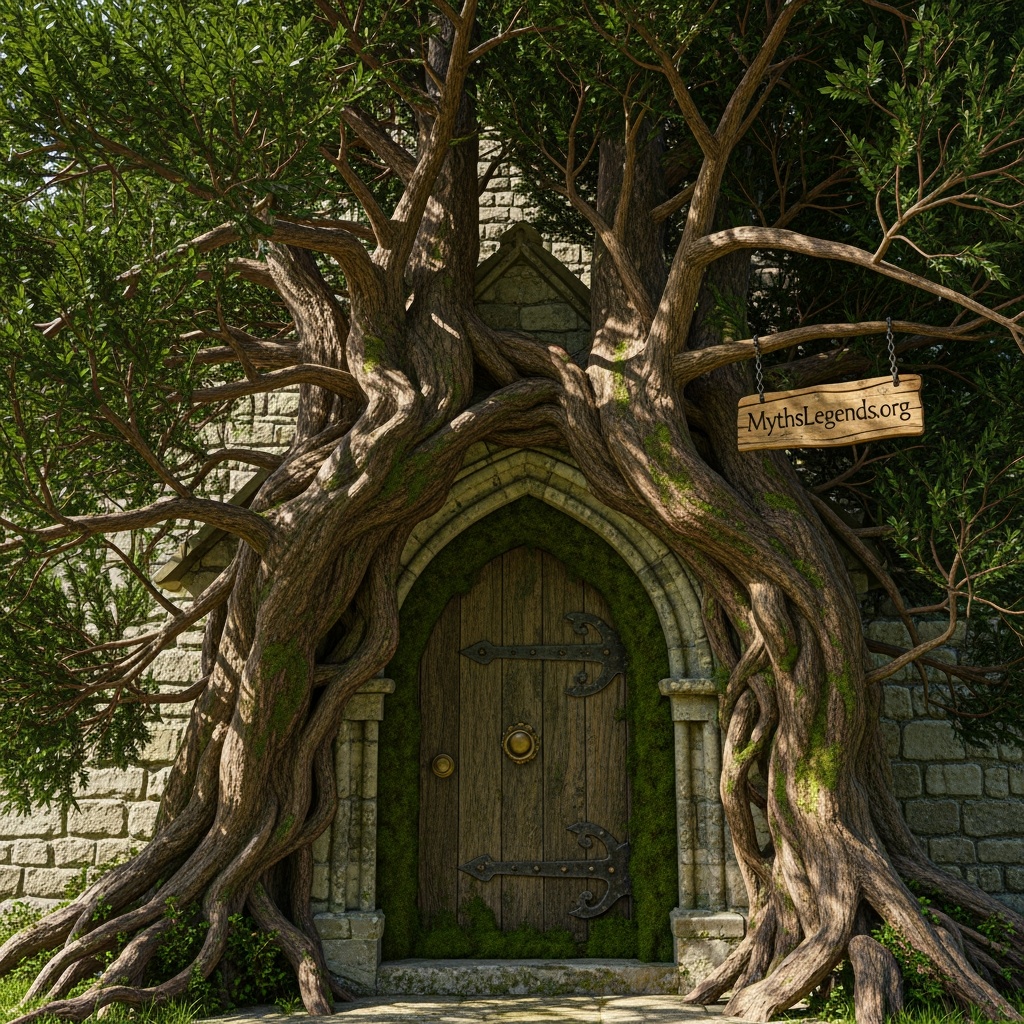
The fairytale Tolkien Gate in Stow-on-the-Wold
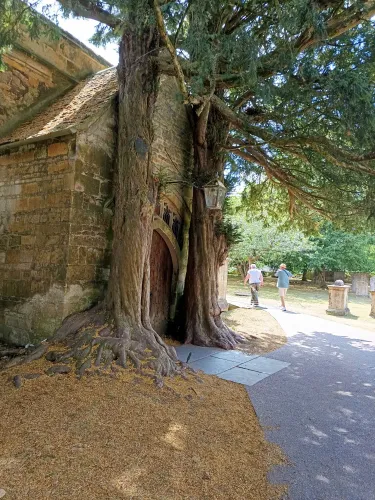
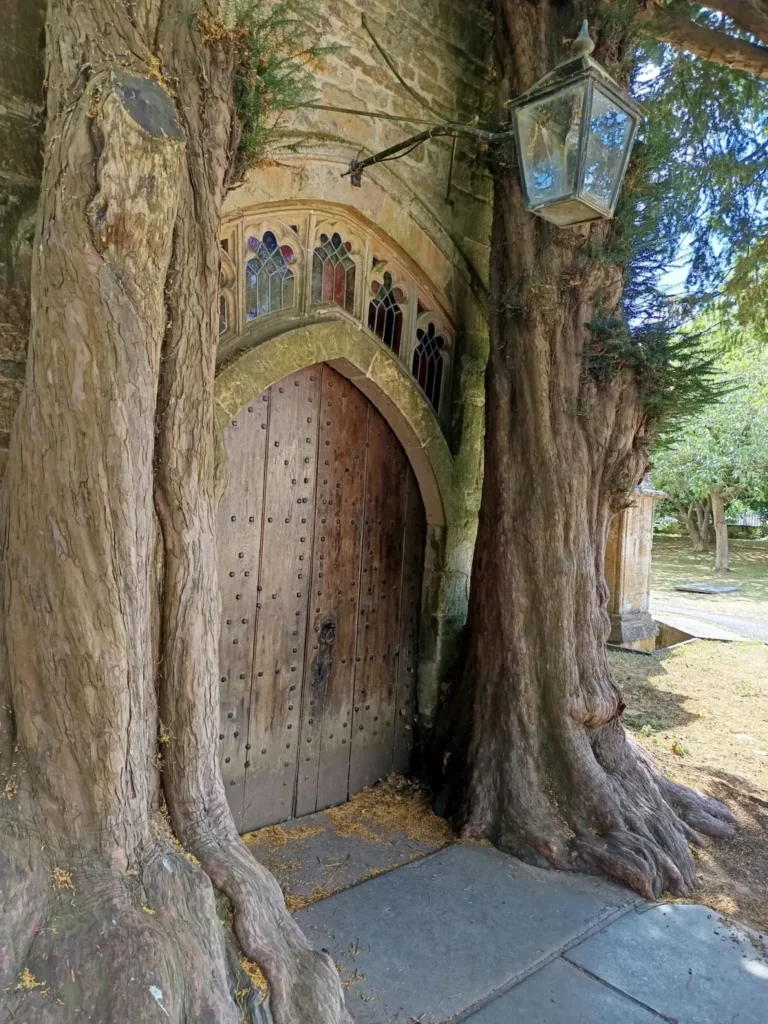
Stow-on-the-Wold is a picturesque market town in the county of Gloucestershire in the heart of England. This historic town is home to St. Edward’s Church, which regularly attracts visitors who are fascinated by its fairytale north door. This wooden door, with its dark riveted panels and an old oil lamp above it, looks like something straight out of a fantasy novel. In fact, rumor has it that this door inspired J.R.R. Tolkien to create the famous Doors of Durin — the western gate of Moria, which appears in the first volume of The Lord of the Rings trilogy. Although it is tempting to believe this rumor, it has never been officially confirmed. The door, small enough that only a hobbit could fit through it, is part of an impressive history. The north porch of the church was built about 300 years ago. Young yew seedlings were planted to beautify the entrance area. These trees have now become integral parts of the door frame and contribute to the unique aesthetic that makes it one of the most photographed objects in the Cotswolds. Tolkien was known to visit the area regularly, both during his studies and later as a professor at Oxford University’s Merton College. The idea that he was inspired by his travels and discoveries in this idyllic region is quite understandable. Nevertheless, the connection between the charming door and Tolkien’s literary work remains unconfirmed. St. Edward’s Church is not far from the market square and is well worth a visit. The magical yew door and the colorful stained glass windows of the church offer an unparalleled view of the architecture and craftsmanship of the past. When you look at this enchanting place, it is easy to understand why it has attracted and inspired people for centuries. Perhaps you will feel the urge to immerse yourself in a world full of adventure and fantasy. As you stroll through the charming streets of Stow-on-the-Wold, you can soak up the atmosphere that may have once influenced one of the greatest fantasy authors. The combination of history, literature, and natural beauty offers a rich experience for every visitor. As you move along the cobbled paths and look at the old stone buildings, you feel like you are part of a living narrative that whispers stories in every corner of the town. My visit to Stow-on-the-Wold was a journey into the past and into the creative minds of great authors. The church stands as a symbol of this transition, a bridge between the real and the fantastic. This blend of reality and legend leaves room for speculation and encourages the imagination of anyone who ventures to explore the hidden secrets of the region. Beyond the door, St. Edward’s Church also reveals other fascinating aspects. Its ornate stained glass windows tell stories from the Bible and local history. When the sun shines, they transform the interior into a kaleidoscope of colors that enhances the spiritual atmosphere. For those interested in history and architecture, the church offers many interesting details that go far beyond the mystical door. For Tolkien fans and lovers of fantasy stories, visiting the church and its surroundings is an opportunity to learn more about the possible sources of inspiration behind one of the most famous works of literature. The idea that this modest door may have played a role in the creation of the epic world of Middle-earth arouses curiosity and inspires further exploration and research. Tourists, historians, and locals alike hold a deep appreciation for this special place, which subtly blurs the lines between literature and reality. There is no better way to experience the magic and enchantment of the Cotswolds than by discovering this mysterious door and the beauty that surrounds it. The charming shops and cafes that line the way to the market provide the perfect opportunity to take a break, enjoy the local cuisine, or pick up some souvenirs. With a glance at the natural and cultural backdrop of the place, it’s easy to see why this spot has attracted so many creative forces. Overall, St. Edward’s Church presents itself not only as a religious center, but also as a cultural and historical treasure. The door and its surroundings bear witness to times past and inspire the imagination and creativity of future generations. Experiencing this magic on site is a reminder of how close the relationship between our environment and the creative works of humanity can be. The search for the truth behind the rumors and the link between Tolkien’s work and this unique door remains unsolved, but perhaps that is precisely why the story lives on and the imagination is fired. After all, it is often the inexplicable magic that creates the greatest wonder in an already wonderful world.











Post Comment