The Dragon of Palma de Mallorca
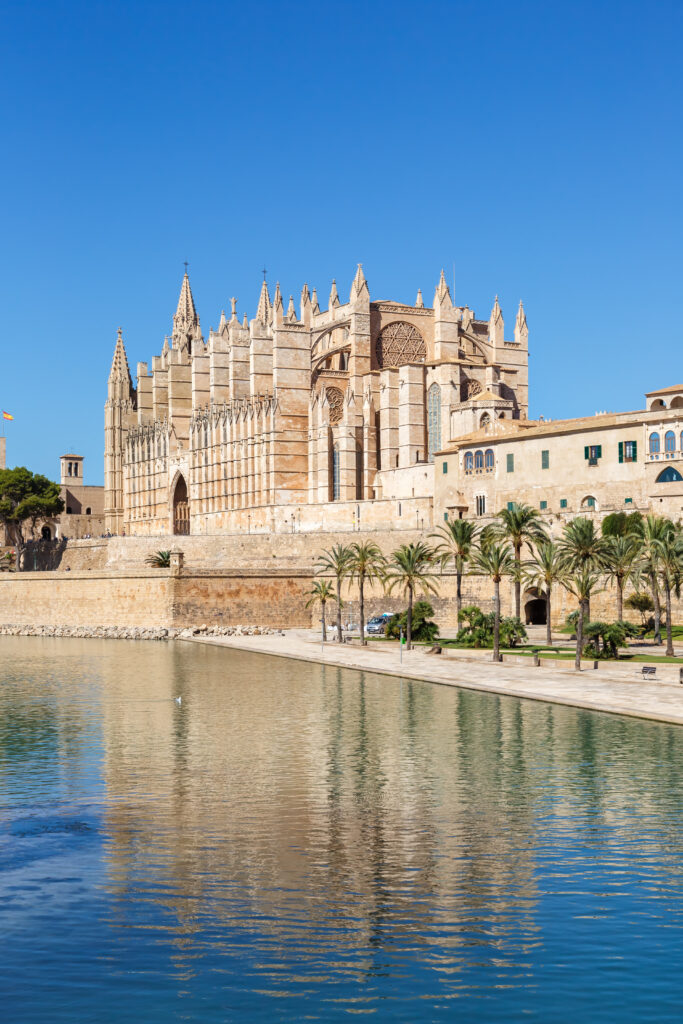
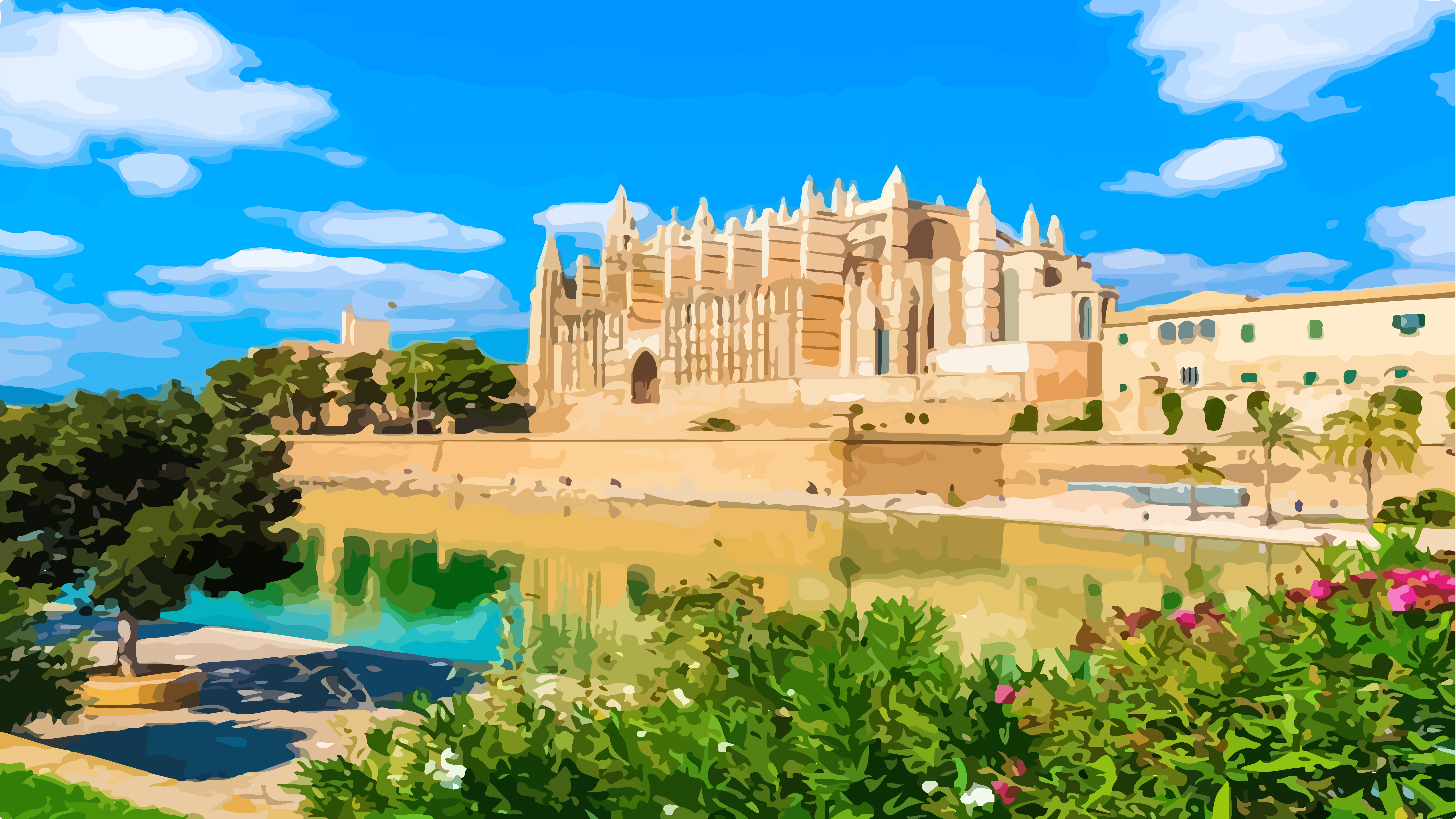
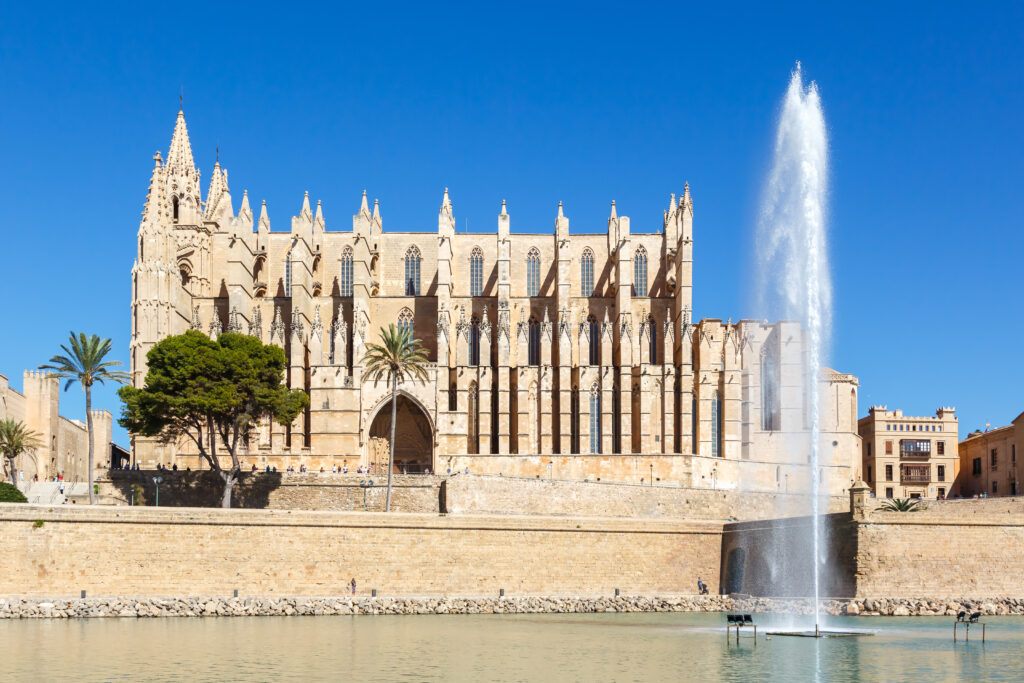
The landmark of Mallorca’s capital Palma is the imposing cathedral La Seu, which means “bishop’s seat.” With a height of almost 110 meters, this cathedral is one of the tallest Gothic buildings in Europe. A violent storm is said to have been responsible for the creation of this colossal sacred building, when King Jaume I and his fleet were on their way to Mallorca to liberate the island from the Moorish rulers. The storm threatened to capsize the fleet. In his distress, the king prayed to the Virgin Mary to bring them safely to land and to victory over the Moors. If this happened, he promised to build one of the largest churches in the world. Indeed, the fleet reached land safely, where they defeated the Moors. The king began construction of the cathedral in 1230 on the site of a mosque. This is why the cathedral faces Mecca and not Jerusalem. Construction took almost 400 years, until 1578, with the entire building only being completed in the 20th century. This cathedral, built from Marés limestone, with a vault supported by 14 columns and 61 stained glass windows, is steeped in the legend of the dragon “El Drac de Na Coca.” . Around 1776, a scaly beast with a long tail is said to have wreaked havoc in the labyrinth of sewers between the cathedral and the small city gate, Portella, kidnapping and eating numerous children. The cruel haunting only came to an end thanks to the noble knight Bartomeu Coc, governor of Alcúdia. He was walking through the streets of Portella with his fiancée one evening when the dragon suddenly appeared. Quick-witted, the knight drew his sword and killed the dragon, which turned out to be a crocodile that had stowed away on a merchant ship and eventually landed in Mallorca. After killing the animal, Knight Coc had the reptile stuffed as a trophy, which he kept in a chest. This proved fatal for one of the Coc family’s maids, who unsuspectingly opened the chest and was so frightened that she suffered a heart attack and died. Today, the crocodile can be admired in the Diocesan Museum in the Bishop’s Palace on Carrer del Mirador. Not far from the entrance to the church museum, a stone sculpture of the legendary crocodile can be seen on the wall of the building. There is also a copy of the famous El Drac de Na Coca in the foyer of the town hall.



Post Comment